
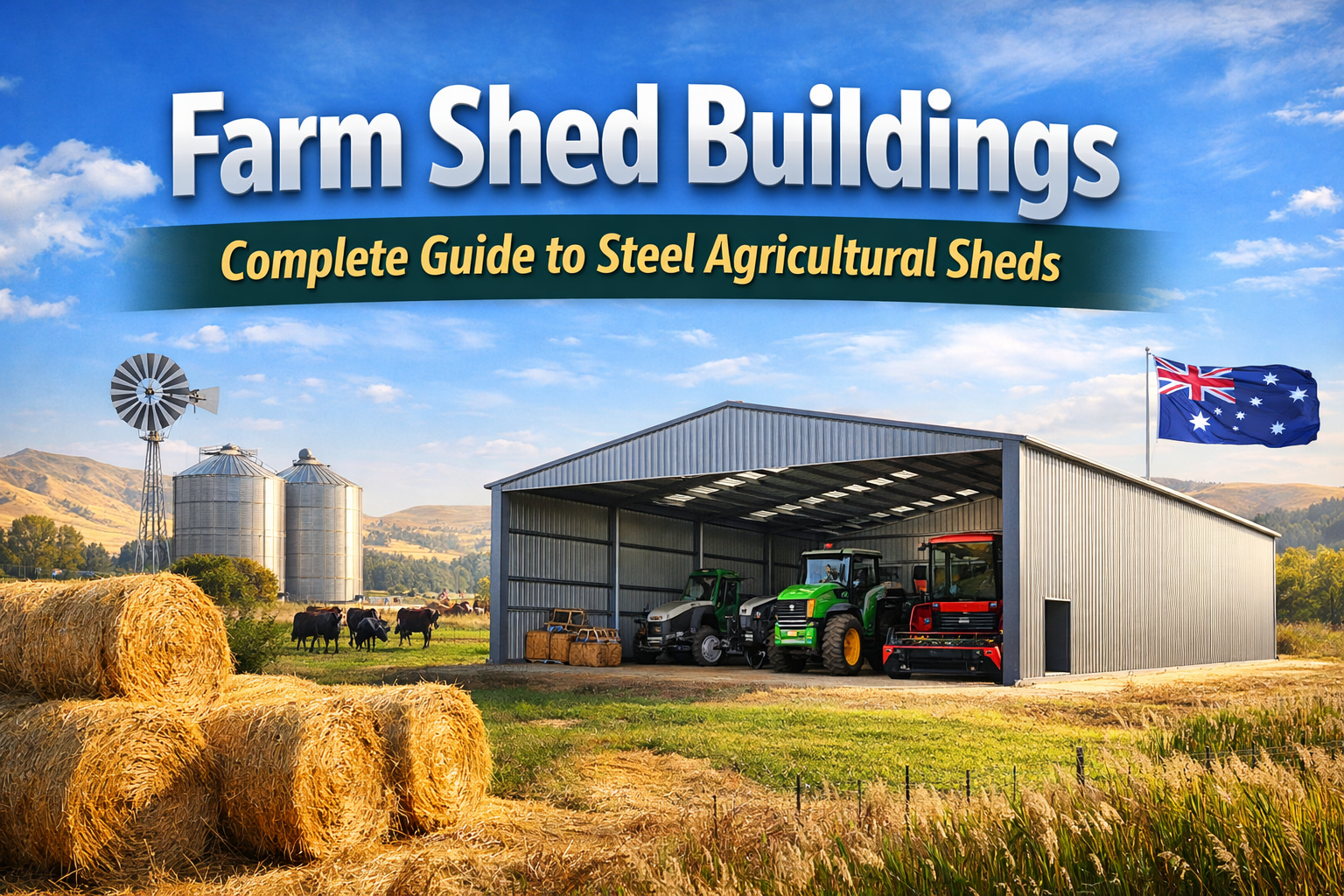
A farm shed is one of the most important investments an Australian farming operation can make. Whether you need to store large machinery, protect hay from unpredictable weather, house livestock, or secure valuable grain stores, a well-engineered farm shed underpins day-to-day productivity and long-term farm value.
Modern farm sheds in Australia are almost exclusively built using steel structures — particularly pre-engineered steel buildings (PEB) — because of their superior strength, large clear-span capabilities, and ability to withstand the harsh Australian climate, from tropical cyclones in Queensland to alpine snow loads in the Victorian High Country.
This guide covers everything you need to know: shed types, sizing, design considerations, building permits, realistic costs in Australian dollars, and how to select the right builder. All information is aligned with the National Construction Code (NCC) and Australian Standards applicable to agricultural buildings.
Australian Standards Compliance:
All structural steel farm sheds in Australia must be designed to AS 4100 (Steel Structures) and engineered to withstand site-specific wind, snow, and seismic loads per AS/NZS 1170. Coastal and cyclone-prone regions (northern QLD, WA) require additional wind-load engineering.
1. Why Steel Farm Sheds Are the Preferred Choice in Australia
Compared to timber, concrete, or alternative materials, structural steel farm sheds offer Australian farmers a combination of strength, longevity, and cost-efficiency that no other material can match at scale.
Large Clear Span — No Internal Columns
Modern steel engineering allows clear spans of 18–40+ metres, creating unobstructed interior space ideal for manoeuvring large farm machinery: tractors, combine harvesters, seed drills, and articulated trucks. Timber or portal-frame alternatives rarely achieve spans beyond 15 metres without costly intermediate supports.
Engineered for Australian Conditions
Unlike imported generic sheds, steel agricultural buildings manufactured to Australian Standards are site-specifically engineered for local wind, rain, and thermal conditions. High-wind regions including cyclone-rated zones require structures built to AS/NZS 1170.2. Quality steel sheds use high-grade GALVASPAN® steel (minimum 450 MPa), with COLORBOND® or ZINCALUME® cladding proven to resist Australia’s UV intensity and coastal salt air.
Superior Durability and Pest Resistance
Steel is impervious to termites — a critical advantage in rural Australia where timber structures face constant subterranean termite pressure. Steel does not rot, warp, or suffer from moisture damage when correctly maintained, and protective coatings extend service life to 30–50+ years with minimal upkeep.
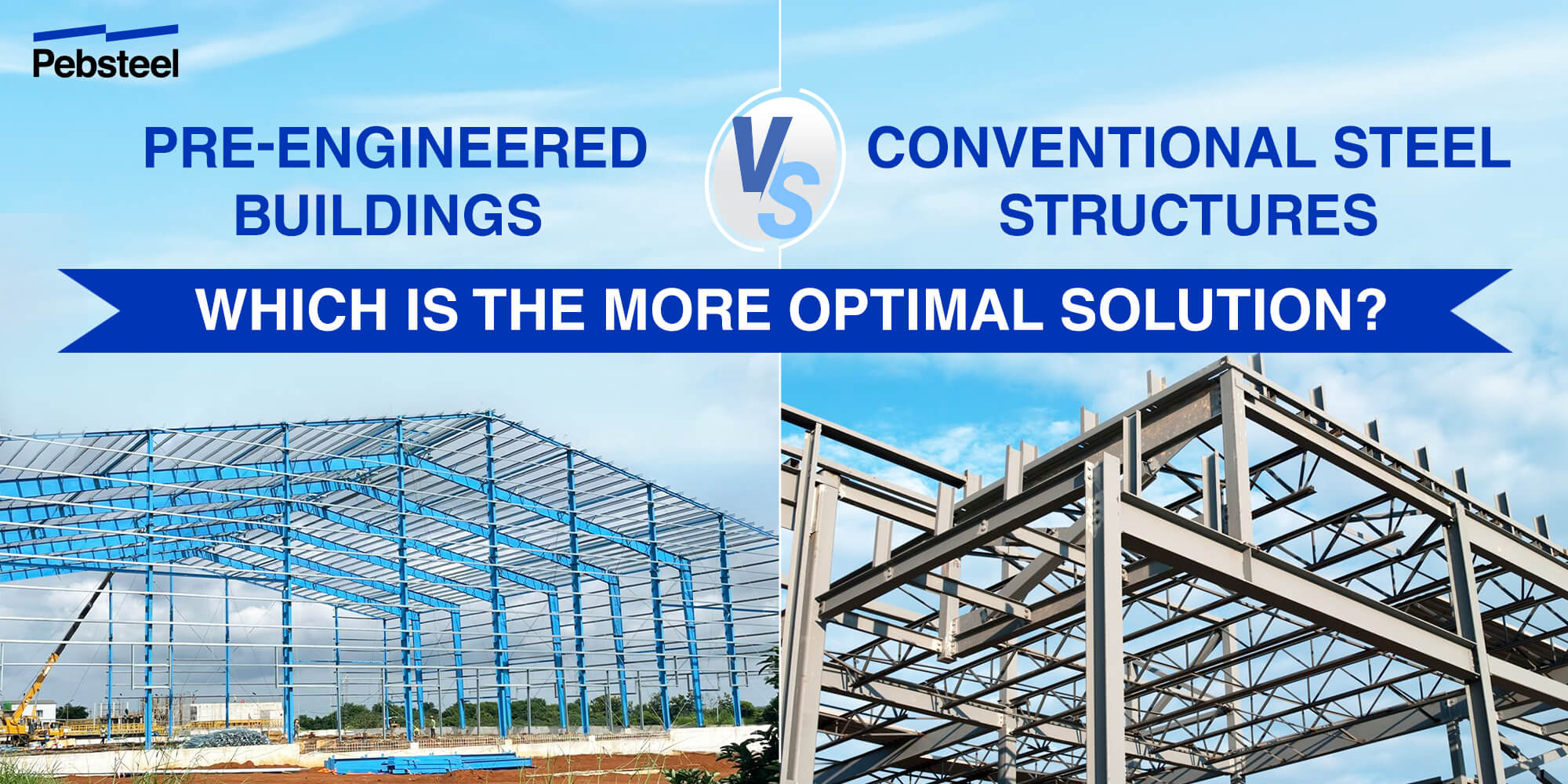
Faster Construction with Pre-Engineered Buildings
Pre-engineered steel buildings (PEB) are fabricated off-site to precision specifications and assembled on your property. This significantly reduces on-site construction time versus traditional builds, cutting labour costs and getting your shed operational faster.
Lower Long-Term Lifecycle Cost
While the upfront investment for a quality steel shed can be higher than a budget timber structure, the total cost of ownership over 20–30 years is substantially lower — due to negligible maintenance, no pest treatments, and BlueScope manufacturer warranties of up to 30 years on structural components.
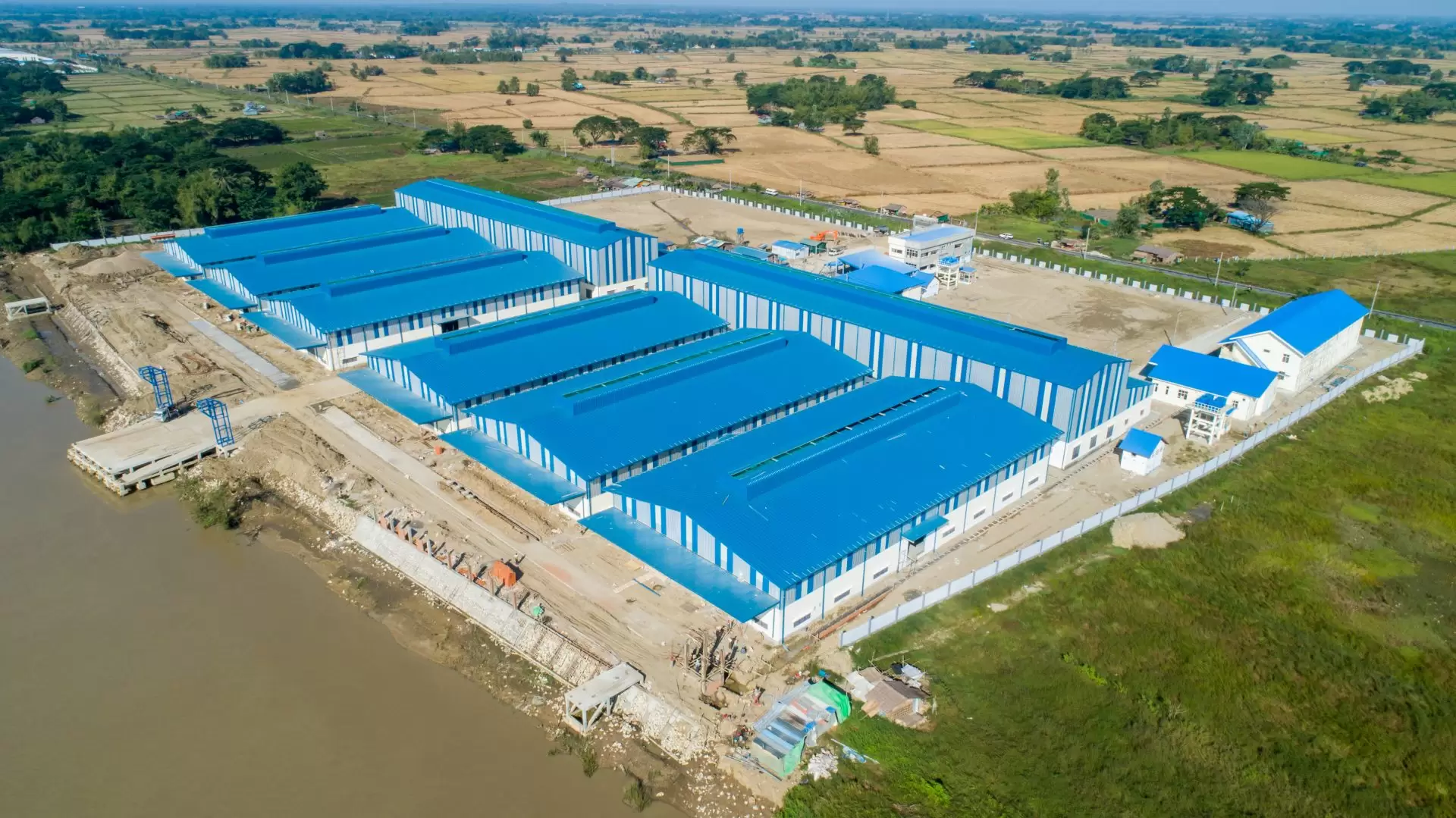
Rice Mill Factory (Myanmar)
Project Information: Rice Mill Factory in Myanmar
2. Common Types of Farm Sheds in Australia
Machinery Shed (Open Front or Enclosed)
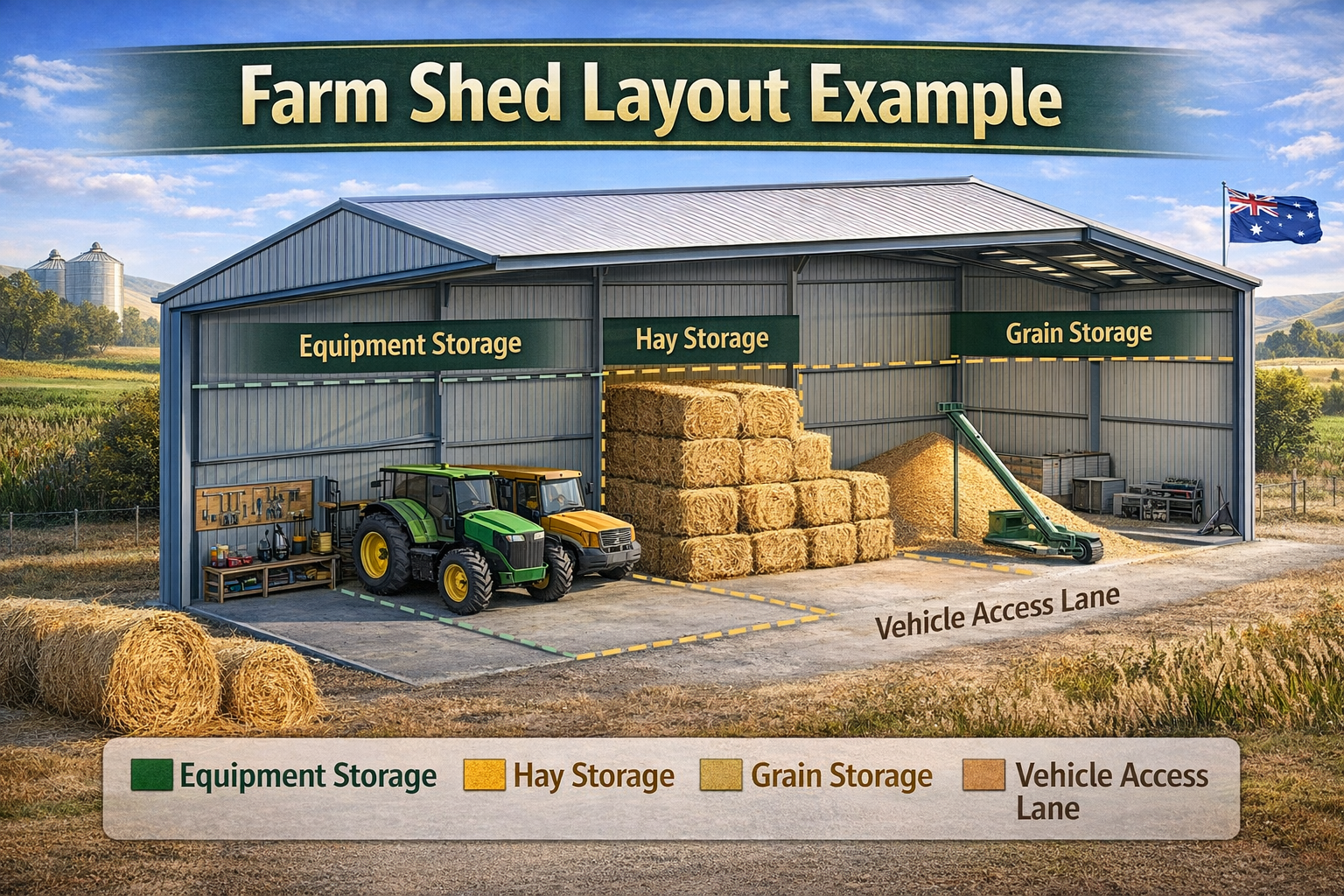
The most common farm shed type. Designed to accommodate tractors, headers, sprayers, and other large equipment. Key features include:
- Wide open-front bays of 6–12 m for drive-through access
- High eave clearance (5–8 m) for tall harvesting equipment
- Large roller doors or open gable-end design
- Concrete slab with anchor bolts rated for vehicle loads
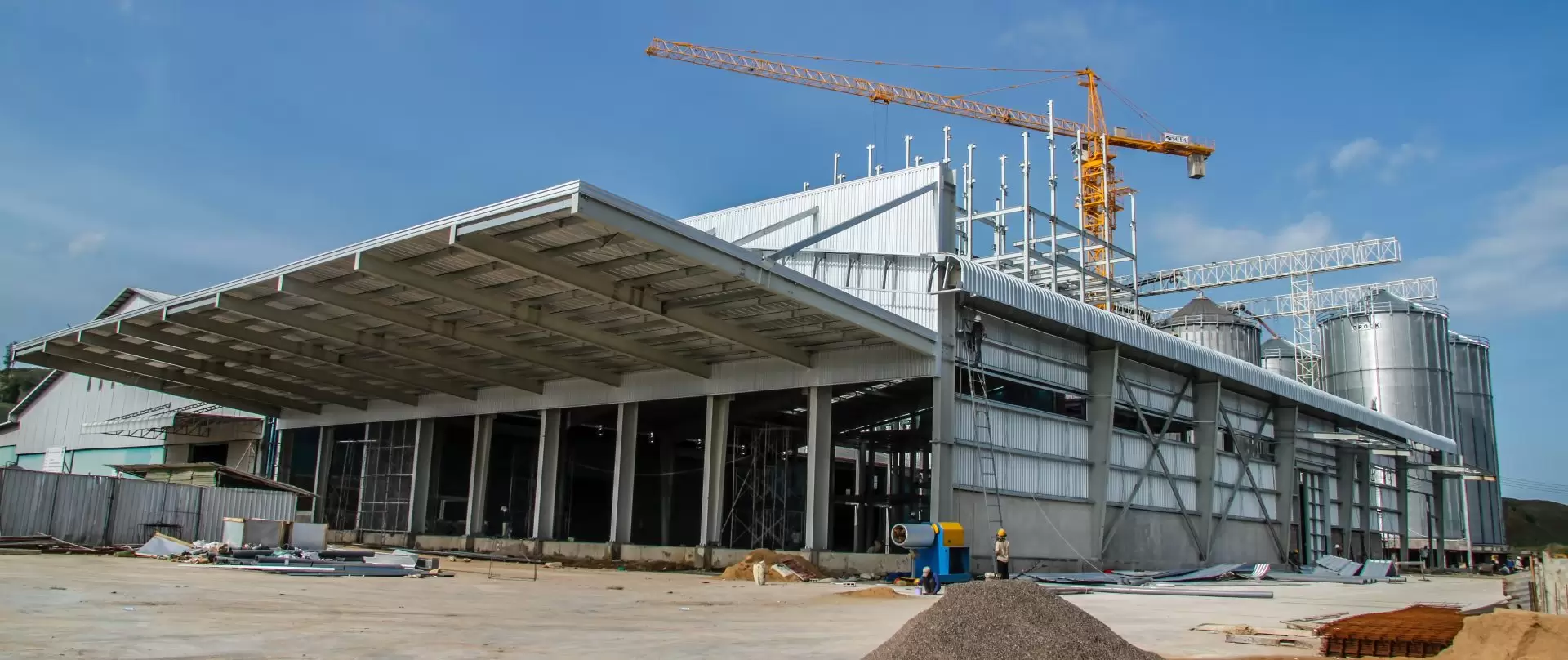
Animal Food Factory, 15m Wide Canopy (Cambodia)
Project information: Animal Food Factory in Cambodia
Hay Storage Shed
Proper hay storage is critical to protecting feed value. A well-designed hay shed provides weather protection while maintaining airflow to prevent mould and self-heating. Design considerations include elevated flooring or drainage channels, adequate ridge ventilation, and north-facing open bays for passive solar drying.
Grain Storage Shed
Large-scale grain storage requires robust structural systems to handle bulk loads. Steel grain sheds can span 20–36 m and integrate with auger systems, conveyor equipment, and aeration fans. Moisture control is paramount — corrugated steel cladding with appropriate ventilation and sealed concrete floors are standard.
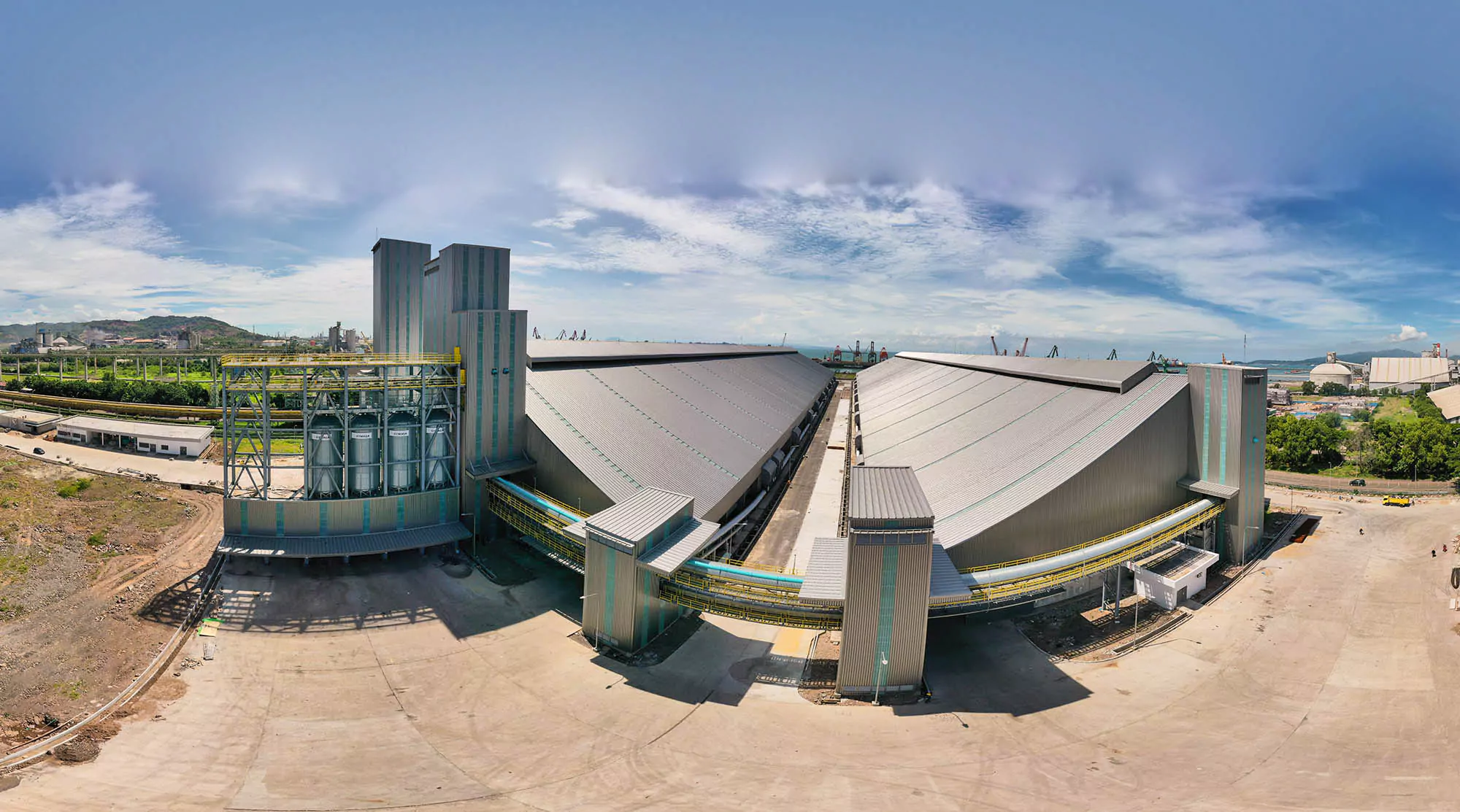
Grain Bulk Storage – (Indonesia)
Project information: Grain Bulk Storage in Indonesia
Livestock Shed and Cattle Yard Cover
Livestock sheds house cattle, sheep, and poultry with layouts that support feeding systems, water troughs, and farm management equipment. Ventilation design is critical for animal health — ridge vents, open ridge systems, and side-wall openings ensure adequate airflow without creating draughts.
Shearing Shed and Woolshed
Traditional woolshed design is being updated with steel structures that offer large clear spans and integrated woolhandling infrastructure. Steel shearing sheds reduce maintenance versus timber and can be designed to heritage aesthetic guidelines where required.
Multi-Purpose Farm Shed
Many Australian farm operations use a large combined shed with zoned areas for machinery, chemical storage, workshop, and hay — reducing the cost of multiple structures while improving operational efficiency.
Get a Quote for Your Farm Shed:
Contact Pebsteel for a detailed consultation on your farm shed project. Our structural engineering team can design pre-engineered steel agricultural buildings to meet Australian Standards and your specific operational requirements.
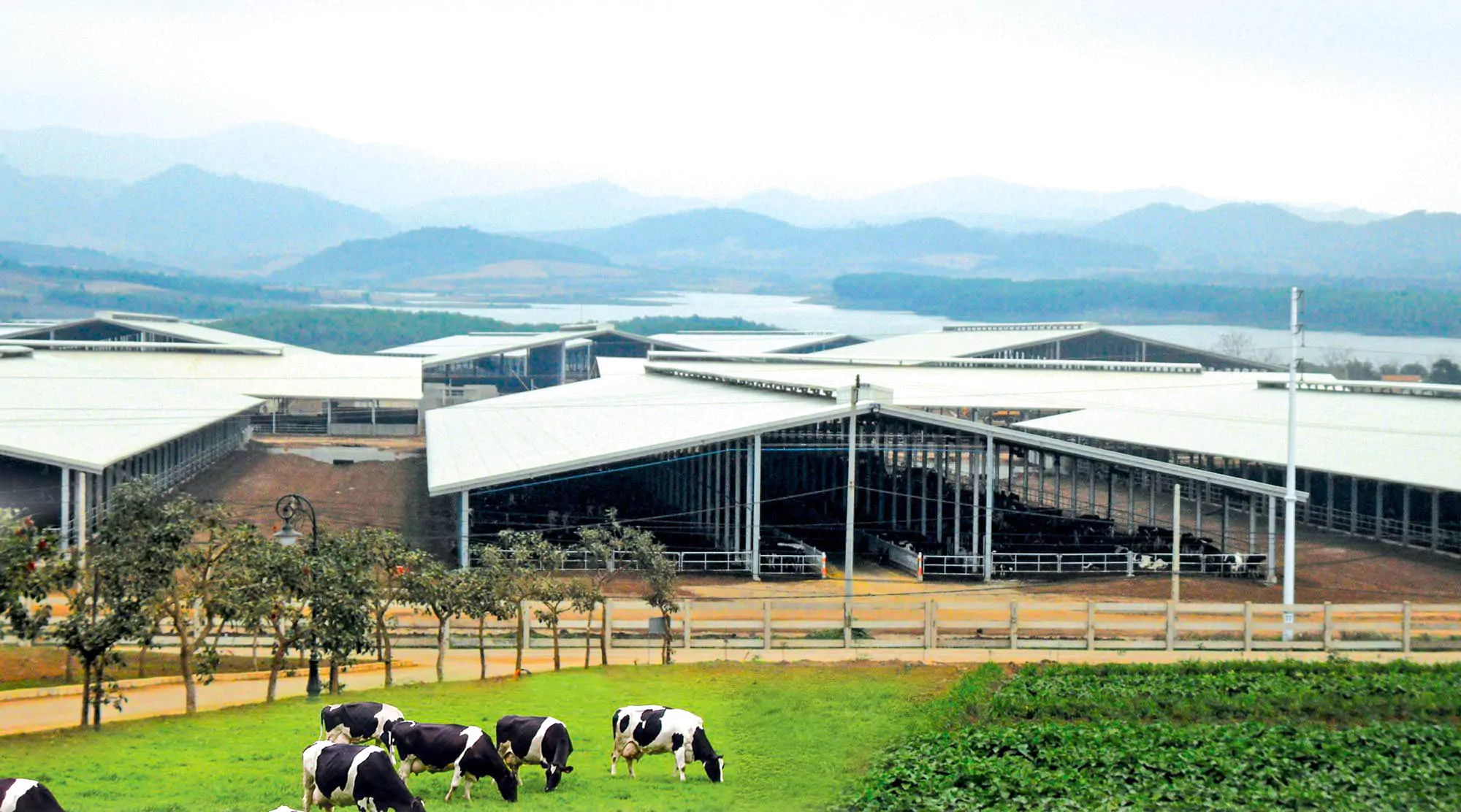
Cow Shed (Vietnam)
Project information: Cow shed in Vietnam
3. Farm Shed Size Guide — Australia
Selecting the right shed size is one of the most important decisions you will make. Over-specifying wastes capital; under-specifying creates long-term operational constraints. The table below provides general size guidelines based on typical Australian farming operations.
| Shed Type | Typical Span | Typical Length | Min. Eave Height | Primary Use |
|---|---|---|---|---|
| Open front machinery shed | 18–27 m | 24–60 m | 5.5–7 m | Tractors, harvesters, headers |
| Hay storage shed | 15–24 m | 20–45 m | 5–6 m | Round/square bale storage |
| Grain storage shed | 20–36 m | 30–60 m | 5–8 m | Bulk wheat, barley, canola |
| Livestock shed | 12–24 m | 20–45 m | 3.5–5 m | Cattle, sheep, poultry |
| Shearing shed / woolshed | 15–21 m | 20–36 m | 4–5.5 m | Shearing, wool handling |
| Multi-purpose farm shed | 24–40 m | 36–80 m | 6–8 m | Combined machinery + storage |
Rule of thumb: Add at least 20–30% to your current equipment footprint when sizing a machinery shed — Australian farm machinery sizes have grown substantially over the past two decades, and a shed sized for today’s equipment may be inadequate within 10 years.
4. Key Farm Shed Design Considerations for Australian Conditions
Wind Load Engineering — State-by-State
Australia’s wind load requirements vary dramatically by geography. Wind region classifications under AS/NZS 1170.2 determine structural frame sizing, connection design, and cladding requirements:
| Wind Region | States / Territories | Design Wind Speed | Notes |
|---|---|---|---|
| A (Non-cyclonic) | Southern NSW, VIC, SA, TAS, ACT | 33–41 m/s | Standard engineering |
| B (Intermediate) | Northern NSW, southern QLD, coastal WA | 41–50 m/s | Reinforced connections |
| C (Cyclonic) | Northern WA, NT, northern QLD coast | 50–60 m/s | Full cyclone engineering |
| D (Severe Cyclonic) | Pilbara coast WA | 60–74 m/s | Heavy-duty engineering required |
Any reputable shed builder operating in Australia will provide site-specific engineering certified for your property’s wind region. Always request engineering certificates and confirm they match your council’s requirements before signing a contract.
Ventilation and Thermal Performance
Poor ventilation is the leading cause of hay spoilage, livestock heat stress, and grain quality loss. Australian farm shed design must account for:
- Natural ventilation via open ridge, wall vents, or spinner vents for livestock sheds
- Positive-pressure ventilation systems for sealed grain stores
- Roof insulation (sarking + blanket insulation) to reduce heat load in hot climates
- Open bays oriented to prevailing winds to maximise passive airflow
Access and Door Design
Agricultural equipment continues to grow in size. Modern farm sheds typically require:
- Roller doors or open gable ends of 6–10 m width and 5–7 m height for headers and tractors
- Side-wall personnel access doors (PA doors) for everyday use
- Drive-through layouts (open at both gable ends) for large multi-axle vehicle access
- Concrete aprons extending 3–5 m beyond door openings to reduce mud and erosion
Foundation and Site Preparation
Steel farm sheds are anchored to concrete footings or slabs. Foundation design depends on soil type (engineer’s recommendation required), local frost depth (VIC/NSW High Country), and intended floor loading. Concrete slab thickness typically ranges from 100–200 mm for light storage to 200–300 mm for heavy machinery.
More about Australian structural steel standards.
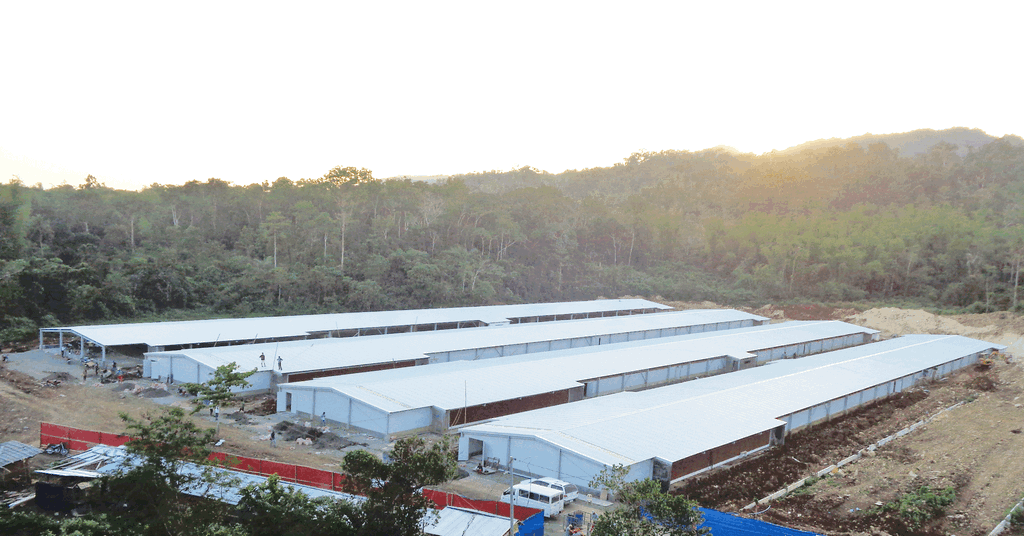
Steel Structured Animal Shelter Project
Project Information: poultry shed philippines
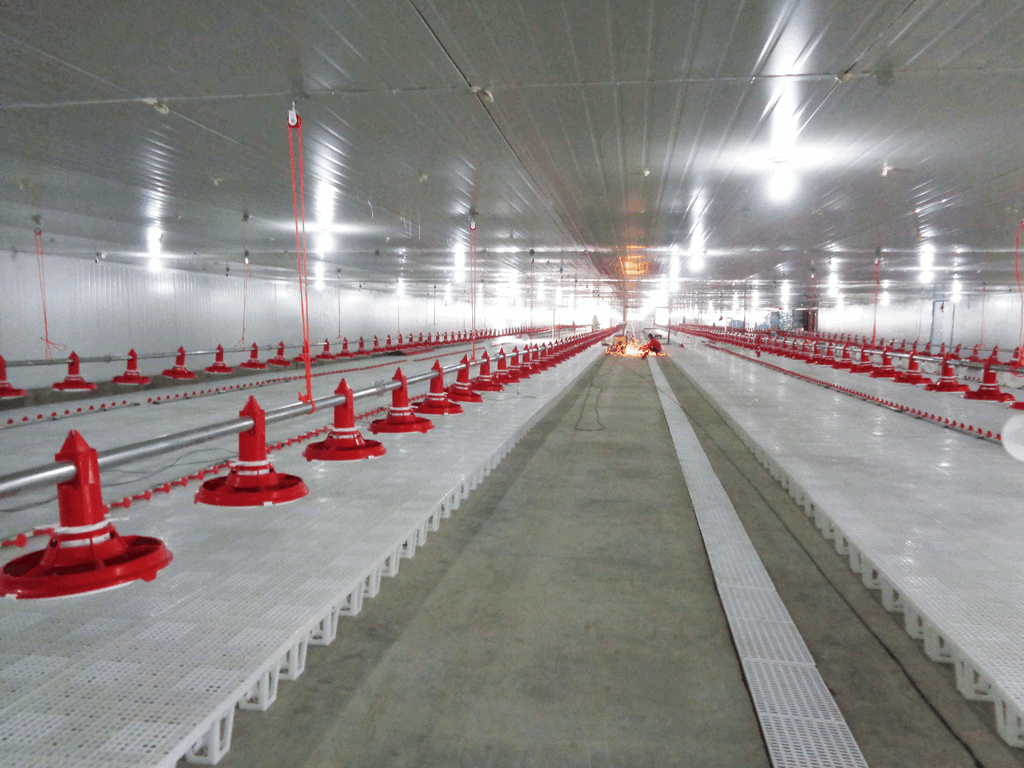
Steel Structured Animal Shelter Project
5. Farm Shed Cost Guide — Australia (AUD)
Farm shed costs in Australia vary considerably based on size, engineering requirements, materials, site access, and optional extras. Below are realistic price ranges based on current Australian market conditions (2025–2026). All prices are indicative and exclude GST.
Important Note on Pricing:
The figures below are indicative price ranges for supply-only shed kits delivered to major population centres. Installed (erected) costs are typically 40–80% higher depending on your location, site conditions, and local labour rates. Always obtain at least three quotes from accredited Australian shed suppliers.
| Shed Type & Size | Supply Kit (approx.) | Erected (approx.) | Key Variables |
|---|---|---|---|
| Small machinery shed 12×18 m | $15,000 – $25,000 | $28,000 – $45,000 | Wind region, door size |
| Medium farm shed 18×24 m | $25,000 – $45,000 | $45,000 – $75,000 | Cladding, doors, insulation |
| Large machinery shed 24×36 m | $45,000 – $80,000 | $80,000 – $140,000 | Engineering, span, extras |
| Hay storage shed 15×24 m | $18,000 – $35,000 | $35,000 – $60,000 | Ventilation, floor design |
| Grain storage shed 24×36 m | $50,000 – $90,000 | $90,000 – $160,000 | Sealed floor, aeration |
| Livestock shed 18×30 m | $30,000 – $55,000 | $55,000 – $95,000 | Ventilation systems |
| Large multi-purpose 30×60 m | $90,000 – $180,000 | $160,000 – $320,000 | All factors combined |
Factors That Increase Farm Shed Costs
- High wind or cyclone engineering (regions B, C, D): +15–40% on structural costs
- Remote location delivery surcharges: $3,000–$20,000+ depending on distance
- Concrete slab supply and pour: $80–$150/m² depending on thickness and reinforcement
- Roller doors (each): $2,500–$12,000 depending on size and type
- Wall and roof insulation: $8–$25/m² of shed floor area
- Skylights: $800–$2,500 per unit
- Solar panel mounting provision: $3,000–$15,000
- Mezzanine floors or internal partitions: $15,000–$50,000+
Cladding Options and Costs
The most common cladding choices for Australian farm sheds are:
- ZINCALUME® — Unpainted metallic coating, lowest cost, excellent corrosion resistance, ~$18–$28/m² cladding cost
- COLORBOND® — Pre-painted steel, wide colour range, better aesthetics and UV resistance, ~$22–$35/m² cladding cost
- COLORBOND® Ultra — Enhanced coastal corrosion resistance for properties within 1 km of salt water, premium pricing
Get a Quote for Your Farm Shed:
Contact Pebsteel for a detailed consultation on your farm shed project. Our structural engineering team can design pre-engineered steel agricultural buildings to meet Australian Standards and your specific operational requirements.
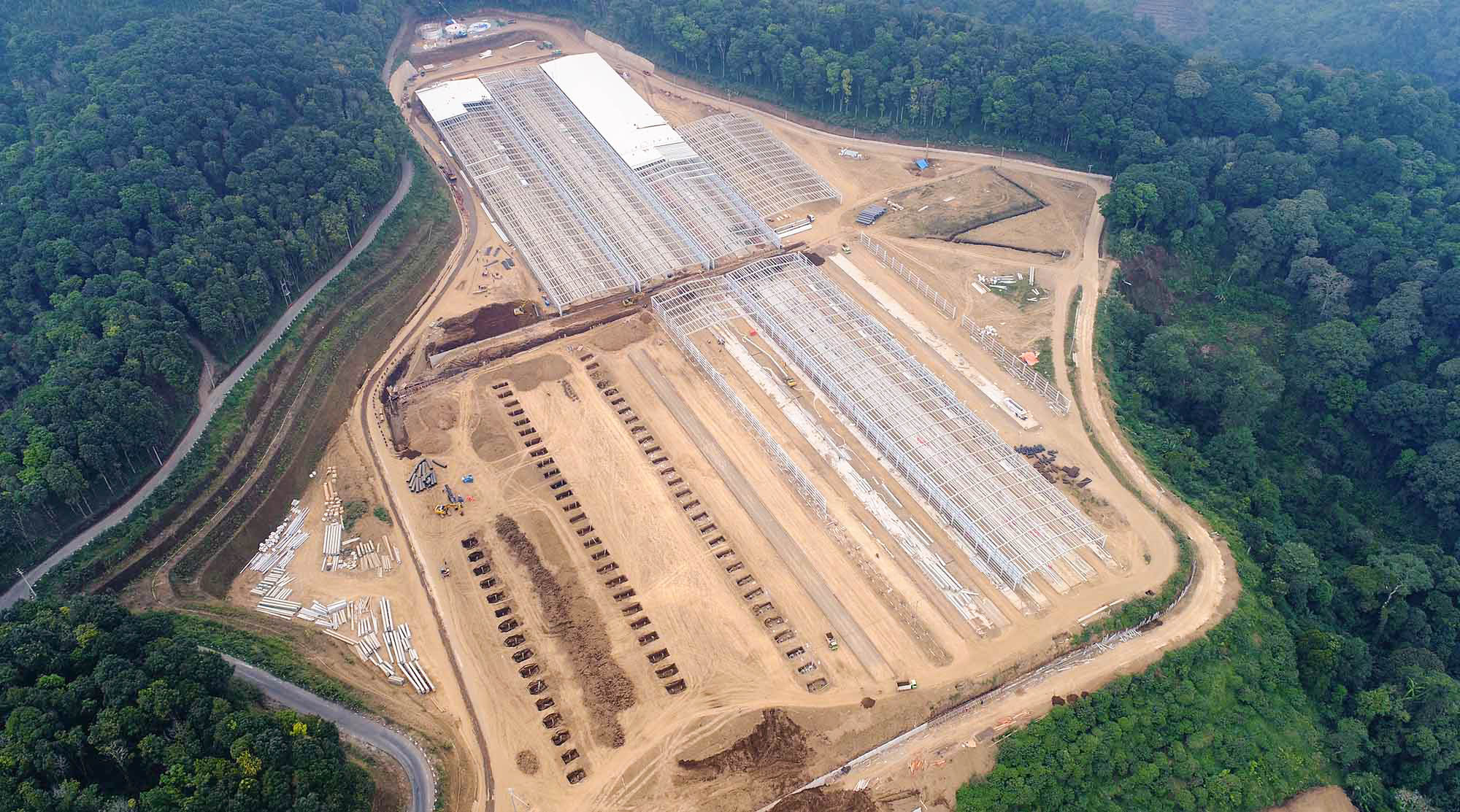
Steel Structured Agricultural farm Indonesia
6. Building Permits and Council Approval in Australia
One of the most common questions from Australian farmers considering a new shed is: do I need a building permit? The answer depends on your state or territory, local council, shed size, and intended use.
Key Principle:
Never assume your farm shed is exempt. Even if a shed appears to qualify for an exemption, most councils require a development application (DA) or at minimum a building notification. Constructing without required approvals can result in demolition orders, fines, and complications when selling your property.
Typical Exemption Thresholds by State (subject to change — verify with your local council)
| State / Territory | Approx. Exempt Size | Conditions | Advice |
|---|---|---|---|
| NSW | < 50 m² in some zones | Farm zones only, max height 4.8 m | Check LEP zoning — many rural zones have specific rules |
| VIC | < 10 m² strictly | Most sheds require building permit | Nearly all farm sheds need a permit in VIC |
| QLD | Varies by council | Some rural sheds exempt to 200 m² | Check with your local council — significant variation |
| SA | < 40 m² | Certain rural zones, no plumbing | Larger sheds almost always require DA |
| WA | Varies | Some rural exemptions apply | Check local government requirements |
| TAS | < 50 m² | Rural zones, specific conditions | Confirm with council before proceeding |
The Council Approval Process
For most farm sheds requiring council approval, the process follows these steps:
- Engage a reputable shed supplier: they will provide certified engineering drawings, specifications, and site-specific wind/snow load calculations.
- Prepare your Development Application (DA) or Building Permit application: this includes site plans, elevations, engineering certificates, and any required environmental assessments.
- Lodge with your local council or a private certifier: processing times vary from 2 weeks to 3+ months in complex cases.
- Construction and inspection: many councils require inspections at key stages (footings, frame, completion) before issuing an Occupation Certificate.
Quality Australian shed suppliers will typically provide assistance with the technical documentation required for your council application. Always confirm this service is included in your quote.
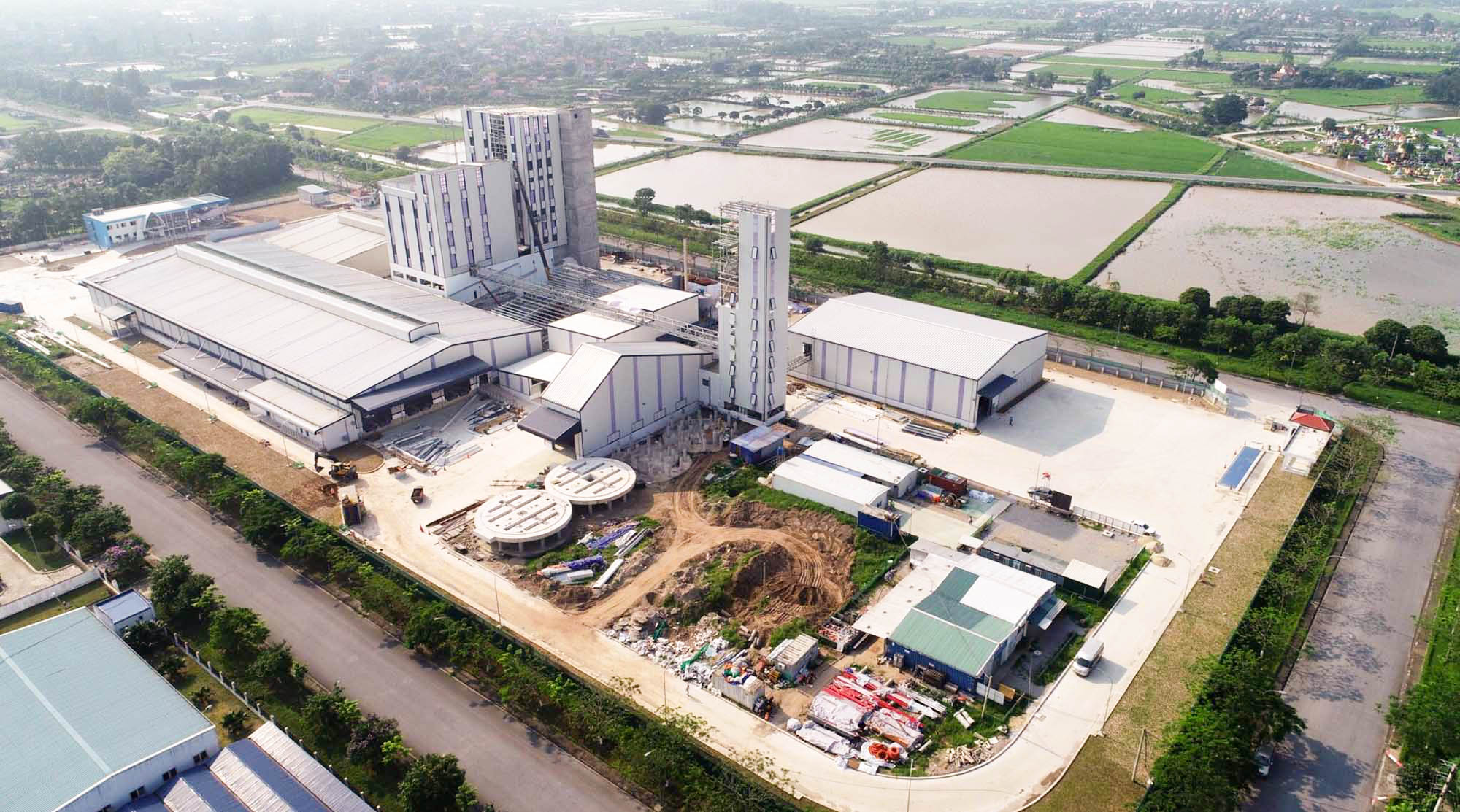
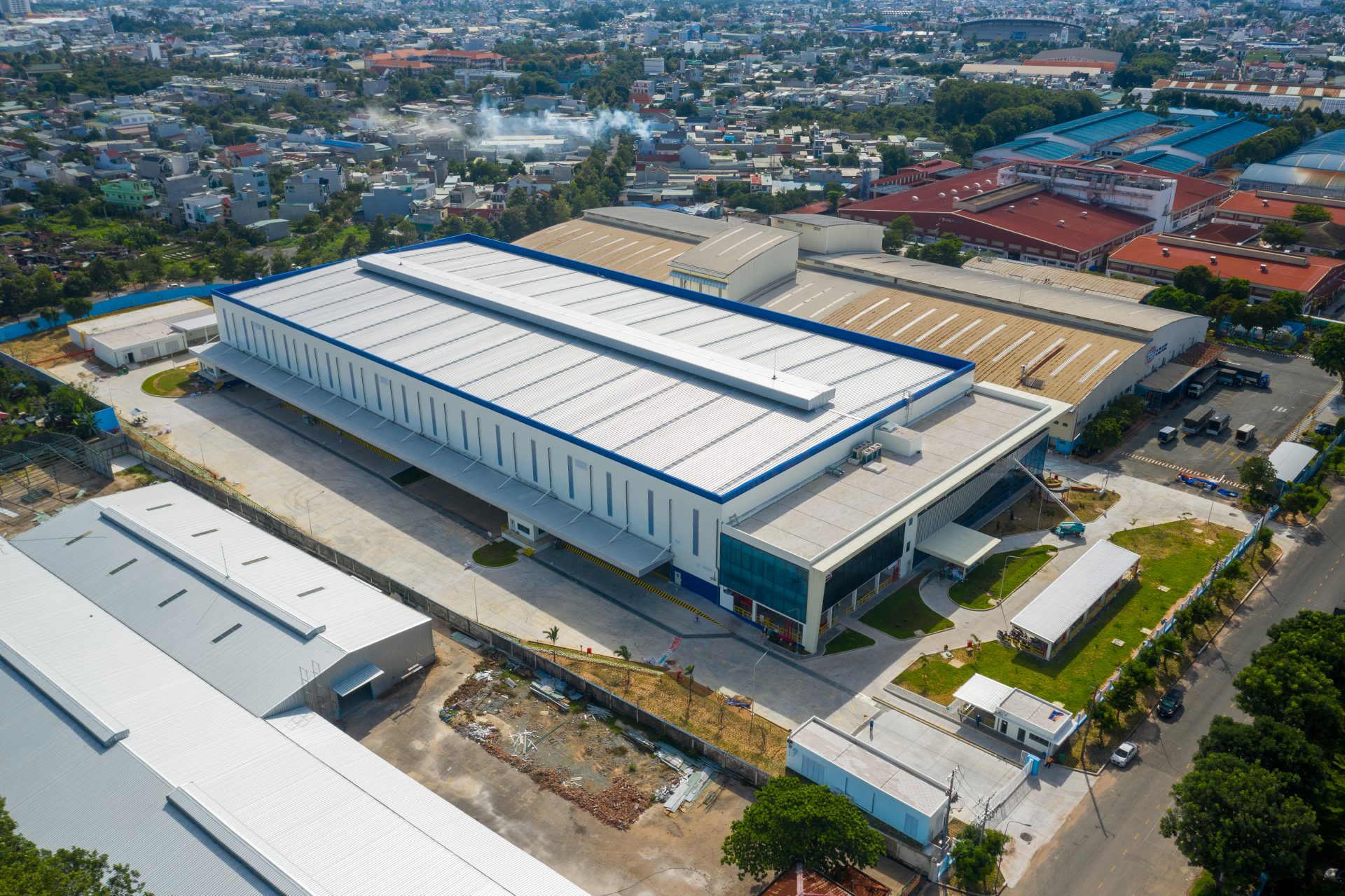
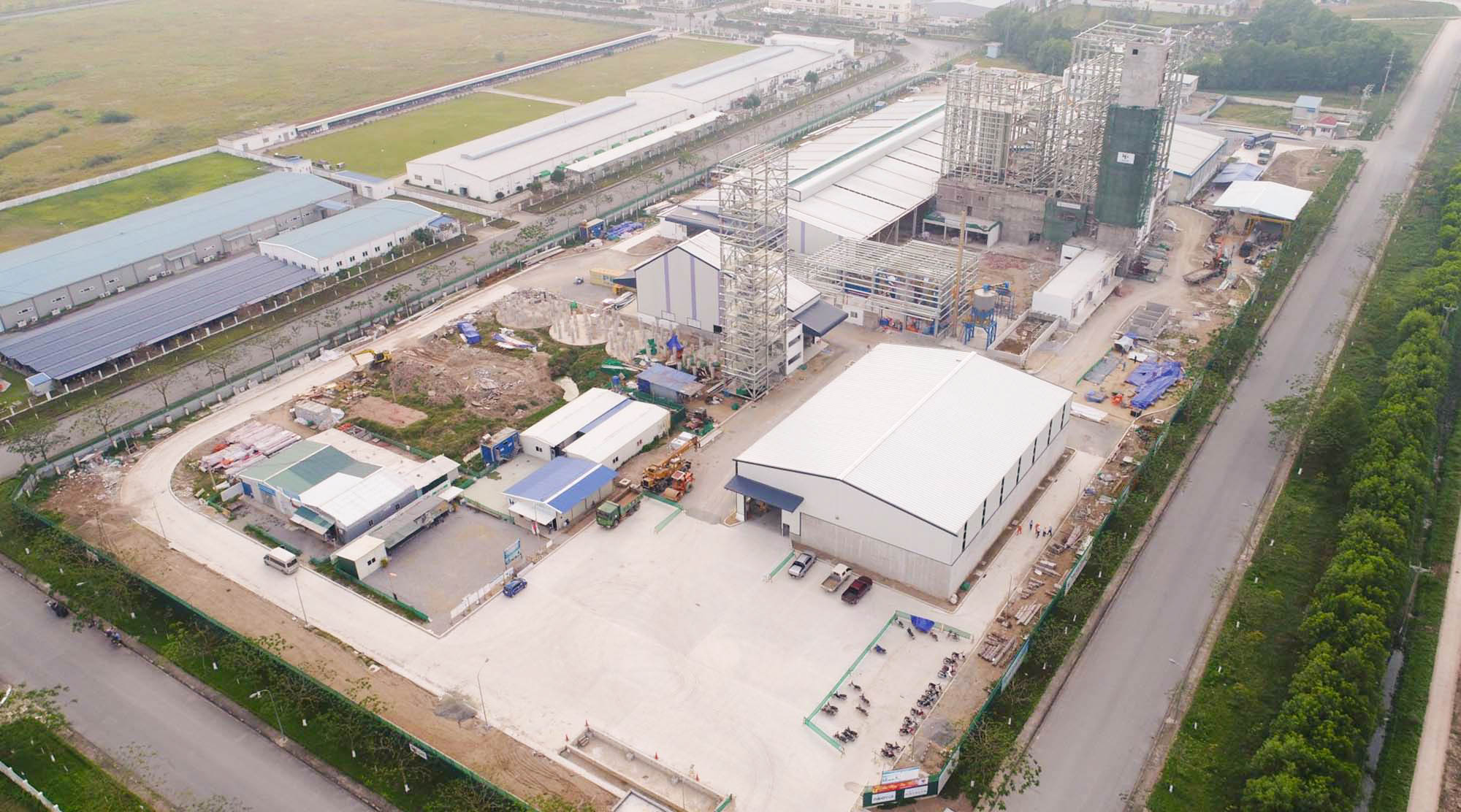
Pre Engineered Animal Feed Factory Project (Vietnam) 2018
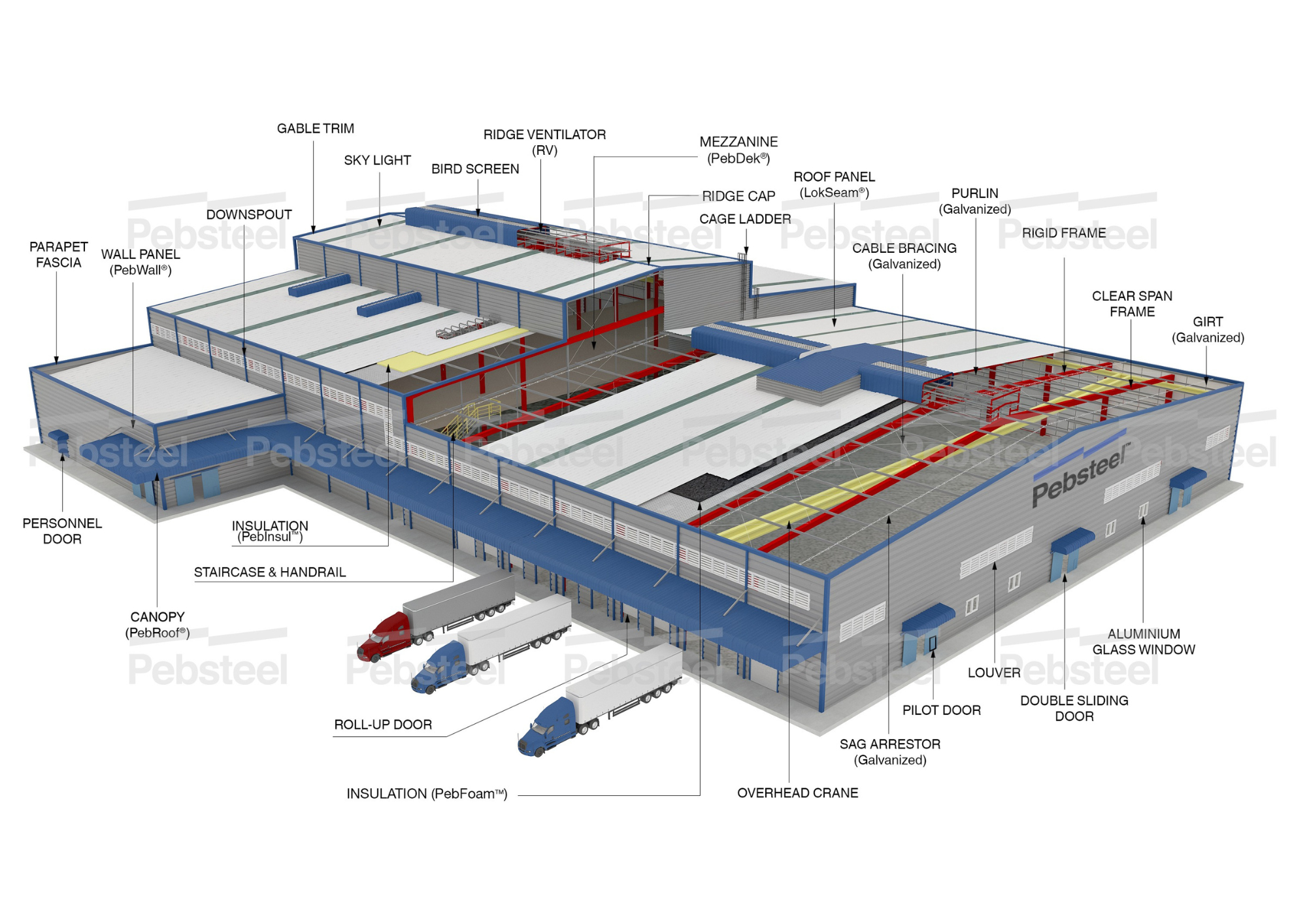
7. Engineering Advantages of Pre-Engineered Steel Farm Sheds
High-Strength Structural Steel Frames
Pre-engineered steel building frames use tapered I-sections (rafter and column members) that are optimised at each point along their length — heavier where loads are greatest, lighter where they are not. This variable section approach uses less steel than traditional hot-rolled sections while delivering equal or greater strength.
Long Span Without Internal Columns
Advanced finite-element engineering allows clear spans of 30–50+ metres in agricultural applications, creating unobstructed working areas that cannot be achieved with timber or light-gauge steel framing. This is particularly valuable for machinery sheds handling wide-header farm equipment.
Corrosion Protection Systems
Steel corrosion protection in Australian agricultural environments relies on a layered system:
- G300 or G450 galvanised base steel (hot-dip galvanised or GALVASPAN® process)
- ZINCALUME® or COLORBOND® cladding — BlueScope’s patented aluminium-zinc alloy coating
- Factory-applied primer and paint systems for structural members
- Stainless steel or class 4 fasteners in coastal/high-humidity environments
Engineered Connection Details
All structural connections in a properly engineered farm shed include certified bolt specifications, baseplate designs, purlin-to-rafter connections, and bracing system details. These are not optional extras — they are critical safety elements that must be designed by a registered structural engineer.
More about Pebsteel’s projects.
8. Farm Shed Applications Across Australian Agriculture
| Agricultural Sector | Primary Shed Use | Key Design Requirements |
|---|---|---|
| Grain farming (wheat, canola, barley) | Grain storage + machinery | Sealed floors, aeration systems, large clear span |
| Cattle grazing (beef) | Machinery + cattle handling | High eaves, crush facilities, drainage |
| Dairy farming | Dairy shed + feed storage | Hygiene surfaces, wash-down drainage, insulation |
| Sheep / wool production | Shearing shed + machinery | Wool press positioning, counting-out pens |
| Horticulture / mixed farming | Equipment + cool storage | Insulation, climate control provision |
| Poultry (broiler / laying) | Poultry housing shed | Controlled ventilation, biosecurity design |
| Viticulture / wine | Machinery + barrel storage | Temperature stability, vehicle access |
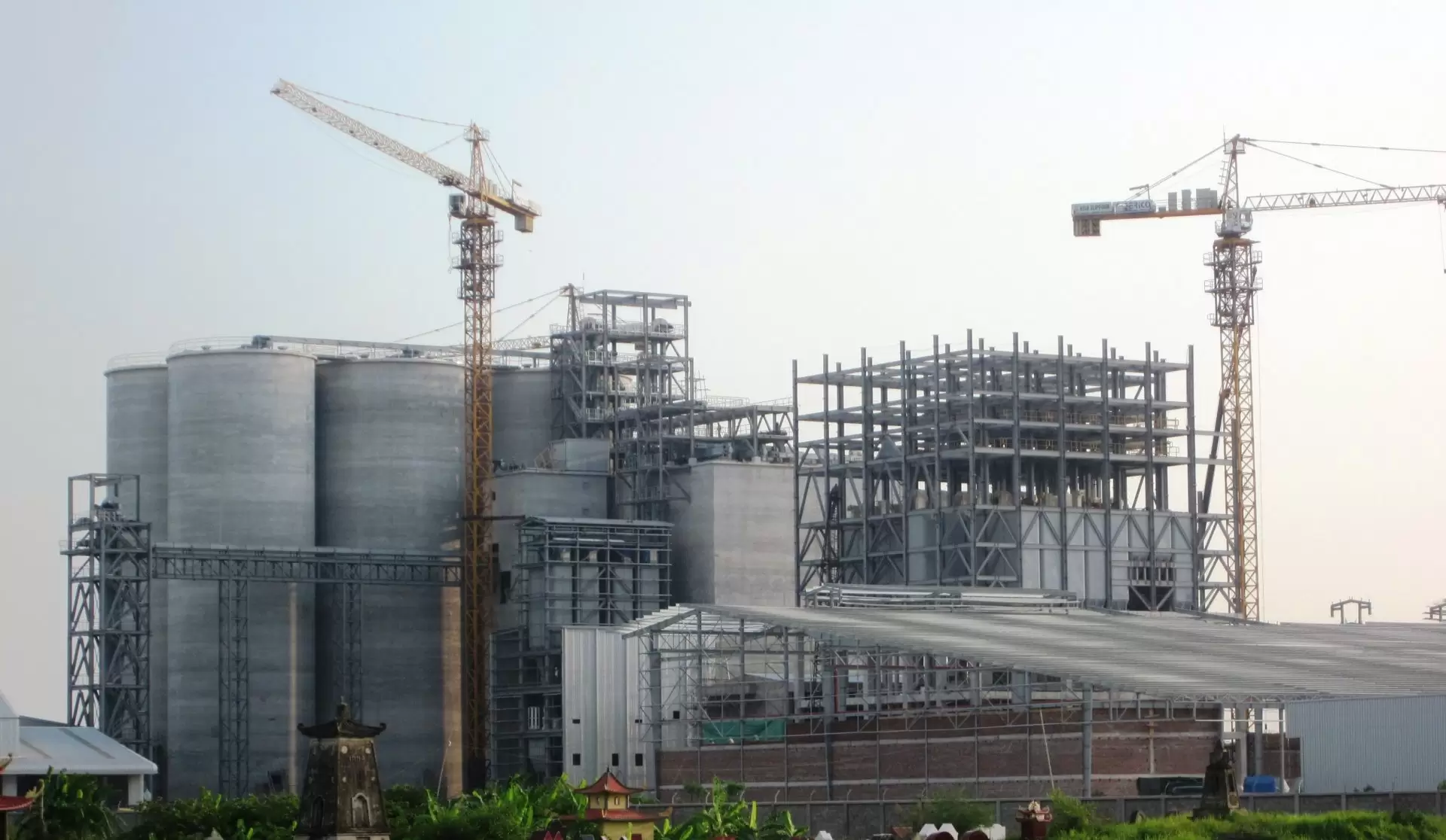
Feed Mill Factory (Hai Duong, Vietnam)
Project information: https://pebsteel.com/en/projects/feed-mill-factory-hai-duong-vietnam/
9. How to Choose a Farm Shed Builder in Australia
The Australian farm shed market includes both local manufacturers and international suppliers. When evaluating potential suppliers, consider the following criteria:
Australian Standards Compliance and Accreditation
ShedSafe® accreditation is the industry’s leading quality mark for Australian shed suppliers. ShedSafe® accredited businesses independently verify that their structures meet or exceed NCC requirements and AS/NZS standards. Look for NCC compliance, site-specific engineering from a registered Australian structural engineer, and building permit documentation support.
Material Quality and Warranties
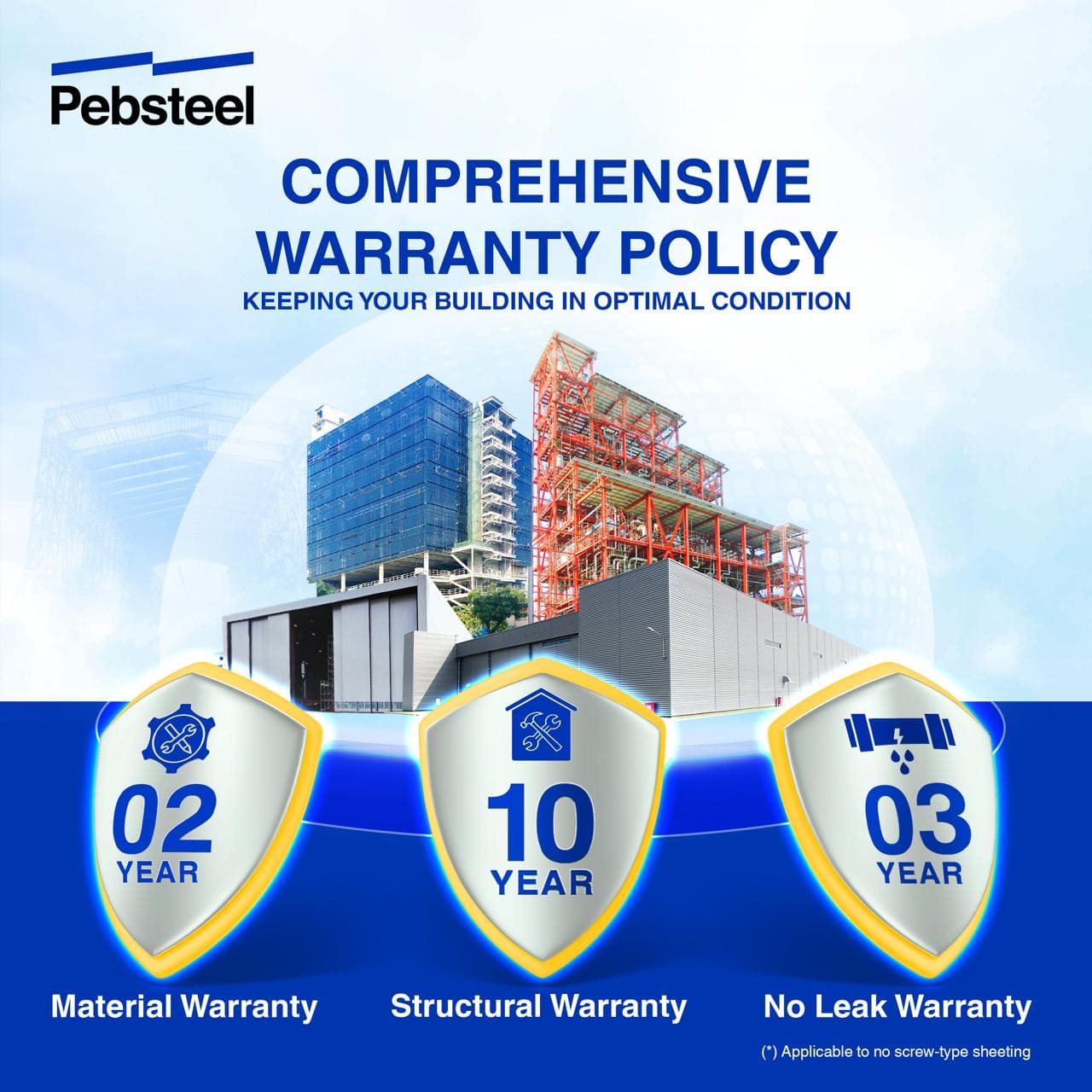
Confirm that structural steel meets minimum G300/G450 grade specifications. Ask specifically about BlueScope steel supply and verify that warranty documentation is provided directly from the manufacturer (not just from the installer). Standard industry warranties include:
- 10–30 years on structural steel frames (varies by supplier)
- 15–25 years on COLORBOND® cladding (BlueScope manufacturer warranty)
- 12–15 years on ZINCALUME® cladding
Engineering Experience and Capability
Large farm sheds (spanning 24 m+) require significant structural engineering expertise. Ask potential suppliers about their largest completed agricultural projects, their engineer’s qualifications, and how they handle unusual site conditions such as sloped ground, poor soil bearing capacity, or high-wind zones.
Local Presence and After-Sales Support
For warranty claims, structural queries, or future extensions, a supplier with Australian operations and local dealer support is significantly more accessible than an offshore supplier. Verify the physical location of the company’s operations and whether they have local engineers and certifiers.
Custom Design Capability
Every farm is different. A good shed supplier will offer genuine customisation — not just standard size increments — including non-standard spans, skillion (lean-to) roofs, integrated office or amenities spaces, and future expansion provision.
10. Future Trends in Australian Farm Shed Design
Solar-Ready Structural Design
Australian farmers are increasingly integrating rooftop solar into farm sheds. Modern steel farm sheds can be designed with strengthened roof purlins to support solar panel systems of 30–300 kW+, turning large shed roofs into significant renewable energy assets. Savings on farm energy bills can reach $15,000–$80,000 per year depending on farm size.
Smart Farming Infrastructure Integration
Next-generation farm sheds are being built with embedded conduit for sensor networks, IoT monitoring systems, and automated equipment. Temperature sensors for grain stores, weight sensors for hay stocks, and remote-operated ventilation are becoming standard considerations in shed design briefs.
Water Capture and Management
Large shed roof areas offer significant rainwater harvesting potential. With roof areas of 1,000–3,000 m² common in large farm sheds, even modest rainfall events can fill substantial on-farm storage. Rainwater tank connection points are increasingly specified at the shed design stage.
Modular and Expandable Design
Pre-engineered steel building systems inherently support future expansion — additional bays can be added to existing frames with minimal structural modification. Designing with expansion in mind (reinforced end frames, adequate footing provision) reduces the cost of future growth considerably.
11. Conclusion
A well-designed, engineered, and constructed farm shed is one of the highest-return capital investments available to an Australian farming operation. The right shed protects valuable machinery from weather damage, maintains grain and hay quality, improves livestock welfare, and supports the long-term operational efficiency of the farm.
Steel farm sheds — particularly pre-engineered steel buildings — have become the undisputed standard for Australian agricultural construction because of their structural capability, low maintenance requirements, Australian Standards compliance, and long service life backed by manufacturer warranties.
Whether you are building your first machinery shed or expanding an established agricultural operation, investing in quality engineering and materials from a reputable Australian-compliant supplier will deliver dividends for decades.
Get a Quote for Your Farm Shed:
Contact Pebsteel for a detailed consultation on your farm shed project. Our structural engineering team can design pre-engineered steel agricultural buildings to meet Australian Standards and your specific operational requirements.
12. Frequently Asked Questions — Farm Sheds Australia
How much does a farm shed cost in Australia?
Farm shed costs range from approximately $15,000 for a small 12×18 m supply-only kit to $300,000+ for a fully erected large multi-purpose shed. The most common mid-size machinery shed (18×24 m, erected) typically costs $45,000–$75,000 depending on engineering requirements, location, and optional extras. Always obtain multiple quotes and confirm what is included — supply kit only versus fully erected are very different figures.
Do I need a building permit for a farm shed in Australia?
It depends on your state, local council, shed size, and zone. Many farm sheds require a building permit and/or development application (DA). Even where exemptions exist, there are often conditions around maximum size, height, proximity to boundaries, and land zone. Always check with your local council before commencing construction.
What is the best steel for farm sheds in Australia?
The Australian standard for quality farm shed steel is BlueScope GALVASPAN® for structural members (minimum G300/G450 grade) and COLORBOND® or ZINCALUME® for roofing and wall cladding. These materials are specifically engineered for Australian conditions including UV intensity, coastal corrosion, and extreme temperature cycles.
What is ShedSafe® accreditation?
ShedSafe® is Australia’s industry quality mark for steel shed suppliers. Accredited businesses are independently audited to verify their structures meet NCC requirements and Australian Standards. Purchasing from a ShedSafe® accredited supplier provides assurance that your shed is properly engineered, not just competitively priced.
How large should my farm machinery shed be?
As a general rule, your machinery shed should accommodate your largest current equipment with at least 1.5–2 m of clearance on each side and 1 m above the tallest equipment. Add 20–30% additional floor area for future equipment growth. Most modern farm machinery sheds are 18–27 m wide and 30–60 m long, with eave heights of 5.5–7 m.
Can farm sheds be built in cyclone-prone areas of Australia?
Yes — steel farm sheds can be fully engineered for cyclone conditions (Wind Regions C and D under AS/NZS 1170.2). Cyclone-rated sheds use heavier structural sections, enhanced connection details, and specialist fastening systems. This increases cost by 15–40% compared to standard wind-region designs but is essential for properties in northern Queensland, the Northern Territory, and the Pilbara coast of Western Australia.
How long does it take to build a farm shed?
Lead times vary by supplier and complexity. For supply-only kits from stock designs, delivery can be 4–8 weeks from order. Custom-engineered sheds typically take 8–16 weeks from order to delivery. Site preparation, council approval, and erection add further time — allow 4–6 months total from initial quote to a completed shed for most projects.
What are the advantages of pre-engineered steel buildings for farms?
Pre-engineered steel buildings offer faster construction (fabricated off-site, assembled on-site), structural precision (factory-controlled manufacturing tolerances), scalability (future bays can be added), and certified engineering for council approval. They are the dominant structural system for large Australian agricultural buildings.
Disclamer: The content provided in this article is for reference purposes only. For further details or clarification based on your needs, please contact Pebsteel directly.