
Australia’s construction sector is known for its strict engineering regulations and quality control requirements. For developers, contractors, and manufacturers working with steel buildings, understanding Australian structural steel standards is critical to ensure compliance, structural safety, and project approval.
Structural steel is widely used across Australia in industrial buildings, warehouses, logistics hubs, infrastructure, and commercial facilities. To maintain consistent quality and structural performance, the country relies on a comprehensive framework of standards that govern steel design, fabrication, materials, welding, and erection.
This guide explains the key structural steel standards in Australia, how they affect construction projects, and what international steel structure suppliers must know when entering the Australian market.
1. Why Structural Steel Standards Are Important in Australia
Structural steel standards provide technical guidance for designing and constructing steel structures that are safe, durable, and capable of handling Australia’s environmental conditions.
Key objectives of these standards include:
-
Ensuring structural integrity under heavy loads
-
Addressing extreme environmental conditions such as cyclones, high winds, and seismic activity
-
Maintaining material quality and traceability
-
Ensuring compliance with the National Construction Code (NCC)
For steel structure manufacturers and project developers, compliance with these standards ensures that buildings meet regulatory requirements and perform reliably throughout their service life.
Australia’s regulatory framework also helps maintain a consistent level of quality across the entire construction supply chain—from engineering design to steel fabrication and on-site erection.
2. Key Australian Structural Steel Standards
Australia uses a combination of Australian Standards (AS) and joint Australian/New Zealand Standards (AS/NZS) to regulate structural steel construction.
Below are the most important standards that engineers, steel fabricators, and contractors must follow.
AS 4100 – Steel Structures Design Standard
AS 4100 is the primary design standard for steel structures in Australia. It defines how structural steel members should be analyzed, designed, and verified for safety.
This standard applies to:
-
Industrial steel buildings
-
Commercial buildings
-
Bridges and infrastructure
Key areas covered by AS 4100 include:
-
Structural analysis methods
-
Load combinations and design criteria
-
Member strength and stability
-
Design of beams, columns, and bracing systems
-
Steel connection design
-
Serviceability limits and structural performance
Engineers rely on AS 4100 to ensure steel structures can safely withstand dead loads, live loads, wind loads, and environmental forces.
AS/NZS 5131 – Fabrication and Erection of Structural Steelwork
AS/NZS 5131 is one of the most important standards for structural steel fabrication and construction quality control.
The standard introduces Construction Categories (CC1 to CC4), which define the required level of fabrication control based on the building’s risk level.
Examples include:
-
CC1: Low-risk structures
-
CC2: Standard industrial buildings
-
CC3: Large public structures
-
CC4: Critical infrastructure
The standard regulates several key aspects of steel construction:
-
Welding procedures and qualification
-
Fabrication tolerances
-
Quality management systems
-
Inspection and testing procedures
-
Material traceability
Compliance with AS/NZS 5131 ensures consistent fabrication quality and improves project reliability.
AS/NZS 3679 – Structural Steel Sections
AS/NZS 3679 specifies the requirements for hot-rolled structural steel sections, which are commonly used in construction.
This standard covers:
-
Mechanical properties of steel
-
Chemical composition limits
-
Testing requirements
-
Dimensional tolerances
Steel products that comply with this standard are widely used for:
-
Columns
-
Industrial steel frames
-
Heavy structural members
AS/NZS 1163 – Structural Steel Hollow Sections
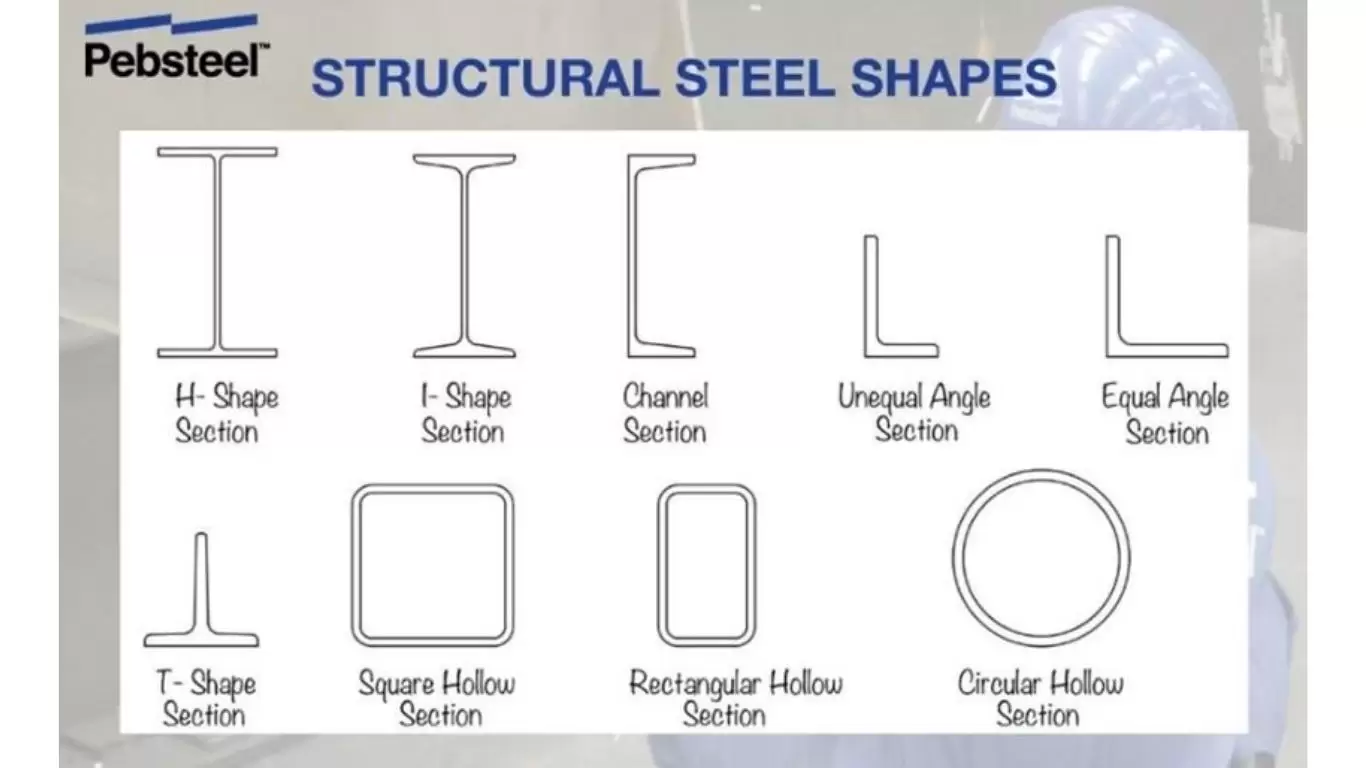
AS/NZS 1163 regulates the manufacturing and performance of cold-formed steel hollow sections (HSS).
Hollow structural sections are commonly used in:
-
Steel columns
-
Structural bracing systems
-
Architectural structures
-
Industrial steel frames
The standard ensures these sections maintain the required strength, ductility, and structural reliability.
3. The Role of the National Construction Code (NCC)
All construction projects in Australia must comply with the National Construction Code (NCC).
The NCC references many Australian Standards, including:
-
AS 4100 – Steel structures design
-
AS/NZS 5131 – Fabrication and erection
-
AS/NZS 1554 – Structural steel welding
Together, these standards form the regulatory framework that ensures steel structures meet safety, engineering, and performance requirements.
For international suppliers, understanding the NCC is essential when exporting steel structures to Australia.
4. Challenges for International Structural Steel Suppliers
Entering the Australian construction market can be complex for overseas manufacturers.
Common challenges include:
Regulatory Compliance
Australian engineering standards differ from those used in Asia, Europe, or the United States. Steel structure suppliers must adapt their design and fabrication processes to meet AS and AS/NZS requirements.
Documentation and Certification
Australian projects require detailed documentation such as:
-
Material certificates
-
Welding procedure specifications
-
Quality control records
-
Inspection reports
Engineering Coordination
Structural engineers must ensure designs align with local wind loads, seismic factors, and building regulations.
Working with experienced steel structure engineering partners who understand Australian requirements can help streamline compliance and reduce project risks.
5. Structural Steel Solutions for Industrial Projects in Australia
Structural steel is widely used across Australia’s industrial sectors because of its durability, flexibility, and construction efficiency.
Common applications include:
-
Logistics warehouses
-
Manufacturing factories
-
Aircraft hangars
-
Industrial plants
-
Commercial steel buildings
Modern pre-engineered steel building systems offer several advantages:
Faster Construction
Prefabricated steel components allow faster installation compared with traditional construction methods.
Cost Efficiency
Optimized steel design reduces material usage and construction costs.
Design Flexibility
Steel structures can accommodate large clear spans, making them ideal for warehouses and industrial facilities.
Sustainability
Steel is recyclable and supports sustainable construction practices.
For companies expanding into the Australian market, partnering with experienced structural steel fabrication specialists helps ensure projects meet local regulations and construction standards.
Learn more about Pebsteel’s Steel Trusses: The Definitive Technical & Procurement Guide for Industrial Building Projects
6. People Also Ask (FAQ)
Below are common questions users search related to structural steel standards in Australia.
What is the main structural steel standard in Australia?
The primary design standard for steel structures in Australia is AS 4100 – Steel Structures. It provides guidelines for designing steel members, connections, and structural systems to ensure safety and structural performance.
What is AS/NZS 5131?
AS/NZS 5131 is a standard that specifies the fabrication and erection requirements for structural steelwork. It defines quality management procedures, welding requirements, inspection processes, and construction categories used in steel construction projects.
What steel grades are used in Australia?
Common structural steel grades used in Australia include Grade 250, Grade 300, and Grade 350 steel, which comply with standards such as AS/NZS 3679 and AS/NZS 1163.
Do imported steel structures need to comply with Australian standards?
Yes. Steel structures imported into Australia must comply with the National Construction Code (NCC) and relevant Australian Standards such as AS 4100 and AS/NZS 5131 to ensure structural safety and regulatory approval.
Why is structural steel widely used in Australia?
Structural steel is popular in Australia because it offers:
-
High strength-to-weight ratio
-
Faster construction timelines
-
Design flexibility for large spans
-
Long-term durability and sustainability
These advantages make steel structures ideal for industrial factories, shed workshops, farm sheds, commercial, and infrastructure projects.
If you have questions that need to be answered, please contact us at the following email: marketing@pebsteel.com.vn
***Disclaimer: This article is intended to provide general information about the pre-engineered steel building and steel structure industry only. For further details or clarification based on your needs, please contact Pebsteel directly.