
Alloy steel, a versatile material, is widely used in construction due to its ability to meet various requirements such as lightweight, high strength, and excellent load-bearing capacity. In the current market, there are various types of steel, including shaped steel, alloy steel, galvanized steel, and more. In this article, steel structures explained, let’s explore what alloy steel is, along with its characteristics and applications with Pebsteel.
1. What is alloy steel?
Alloy steel is a type of steel primarily composed of iron and carbon, with additional chemical elements mixed in such as copper, manganese, nickel, etc. These improvements may include resistance to oxidation, elasticity, ductility, and strength of the steel.
Below are some common alloying elements:
- Manganese: This element is added to adjust heat treatment requirements. Typically, steel needs to be rapidly cooled from high temperatures to incredibly low temperatures to harden. However, the challenge is that excessively fast cooling increases the risk of cracking. Meanwhile, manganese allows for a slower cooling rate, thereby minimizing the risk of fracture.
- Chromium: Steels with chromium content exceeding 11% are called stainless steel. The addition of chromium enhances the steel’s resistance to corrosion, while significantly affecting other metal properties such as hardness, strength, and tempering.
- Molybdenum: This element is added to increase the ductility and hardness at high temperatures. Additionally, molybdenum improves machinability, corrosion resistance, and enhances the influence of other alloying elements.
- Vanadium: This element helps improve hardness, abrasion resistance, and impact resistance. Vanadium also limits the growth of metal grains, allowing for quenching at higher temperatures.
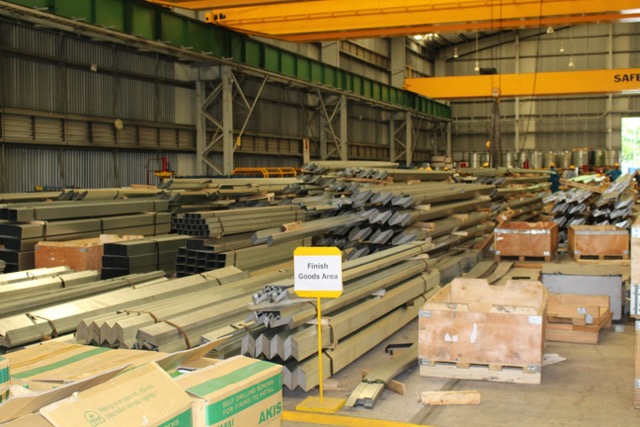
2. Classification of alloy steel
Generally, alloy steel is divided into the following two types:
- High-alloy steel: This type of alloy steel contains elements with a concentration greater than the total steel mass.
- Low-alloy steel: Typically, elements such as chromnium, silicon, manganese, and others are added to create low-alloy steel. Low-alloy steel is a common and widely used type in today’s market.
Additionally, based on its applications, alloy steel is classified into the following three types:
- Steel structure: This type of steel is used for manufacturing machine parts and metal structures. The specific requirements for this steel group include flexibility and high strength. Typically, this type of steel has a low to medium carbon content, belonging to the category of low-alloy steel.
- Alloy tool steel: This is a high-quality steel used in the production of cutting tools, stamping dies, and measuring instruments. The requirements for these steels include high hardness and corrosion resistance. Generally, this group has a medium to high carbon content. Common steel grades such as SKD61 and SKD11 often belong to this category.
- Special alloy steel: This group comprises steels with unique chemical and physical properties. The added elements have a high content, belonging to the group of high alloy steel group
3. Characteristics of alloy steel
Let’s analyze the characteristics of alloy steel based on the following criteria:
- Mechanical properties: Alloy steel typically exhibits significantly higher strength than carbon steel, especially evident after the quenching and tempering processes.
- Heat resistance: Alloy steel maintains high mechanical properties in a hardened state at temperatures exceeding 200 degrees Celsius. To achieve this, the steel needs to be alloyed by adding elements with relatively high concentrations.
- Physical and chemical properties: Alloy steel is corrosion-resistant and possesses the ability to resist corrosion. Especially, it exhibits exceptional expansibility when temperatures change, etc.
4. Advantages and applications of alloy steel in construction
Alloy steel has several outstanding advantages compared to many other types of steel, such as:
- Excellent corrosion resistance
- High load-bearing capacity
- High melting temperature
Due to its numerous advantageous properties, alloy steel is preferred by investors in various manufacturing sectors, including:
- Construction projects
- Manufacturing machinery, automotive components, etc.
- Producing various types of shafts (forged rolls, motor shafts, etc.)
- Manufacturing gears.
5. Conclusion
The above provides details about what alloy steel is, along with some of its characteristics and applications. Please contact Pebsteel by email immediately at Marketing@pebsteel.com.vn if customers require comprehensive solutions for pre-engineered steel buildings and steel structures.
6. FAQ about Alloy Steel
Q: What is alloy steel?
Alloy steel is a type of steel that contains additional alloying elements such as chromium, nickel, molybdenum, or vanadium to improve strength, toughness, corrosion resistance, and heat resistance compared to carbon steel.
Q: What are the main types of alloy steel?
The two main types are low-alloy steel (with small amounts of alloying elements) and high-alloy steel (with higher concentrations, such as stainless steel). Each type is used for different applications.
Q: What is the difference between alloy steel and carbon steel?
The main difference is composition. Alloy steel contains added elements to enhance performance, while carbon steel primarily relies on carbon content. Alloy steel generally offers better strength, durability, and resistance to corrosion or heat.
Q: What are the advantages of alloy steel?
Alloy steel offers higher strength, improved wear resistance, better corrosion protection, and enhanced performance under extreme temperatures compared to standard carbon steel.
Q: What are common applications of alloy steel?
Alloy steel is widely used in construction, automotive components, machinery, pipelines, pressure vessels, and structural steel applications where higher performance is required.
Q: Is alloy steel stronger than regular steel?
Yes. Alloy steel is generally stronger and more durable than regular carbon steel due to the addition of elements that enhance mechanical properties.
Q: Does alloy steel resist corrosion?
Some alloy steels offer improved corrosion resistance, especially those containing chromium or nickel. However, only certain types such as stainless steel provide high corrosion resistance.
Q: Is alloy steel more expensive than carbon steel?
Yes. Alloy steel is typically more expensive due to additional alloying elements and more complex manufacturing processes, but it provides better long-term performance and durability.
***Disclaimer: This article is intended to provide general information about the pre-engineered steel building and steel structure industry only. For further details or clarification based on your needs, please contact Pebsteel directly.