
Selecting the right structural steel fabricator is one of the most consequential decisions an investor, developer, or contractor can make. The quality of fabrication determines not only the structural integrity and longevity of a building, but also the speed of construction, the total project cost, and the ease of regulatory approval in the target market.
This guide is designed for project owners and procurement specialists operating across Southeast Asia (Vietnam, Thailand, Indonesia, Malaysia, Philippines, Cambodia, Myanmar, Brunei, Timor-Leste), the Middle East (UAE, Saudi Arabia, Qatar, Kuwait), Australia and New Zealand — regions with distinct climatic conditions, regulatory frameworks, and supply chain dynamics. By the end, you will have a clear understanding of what separates a world-class structural steel fabricator from an ordinary supplier, and how to evaluate candidates for your next project.
1. What Is a Structural Steel Fabricator?
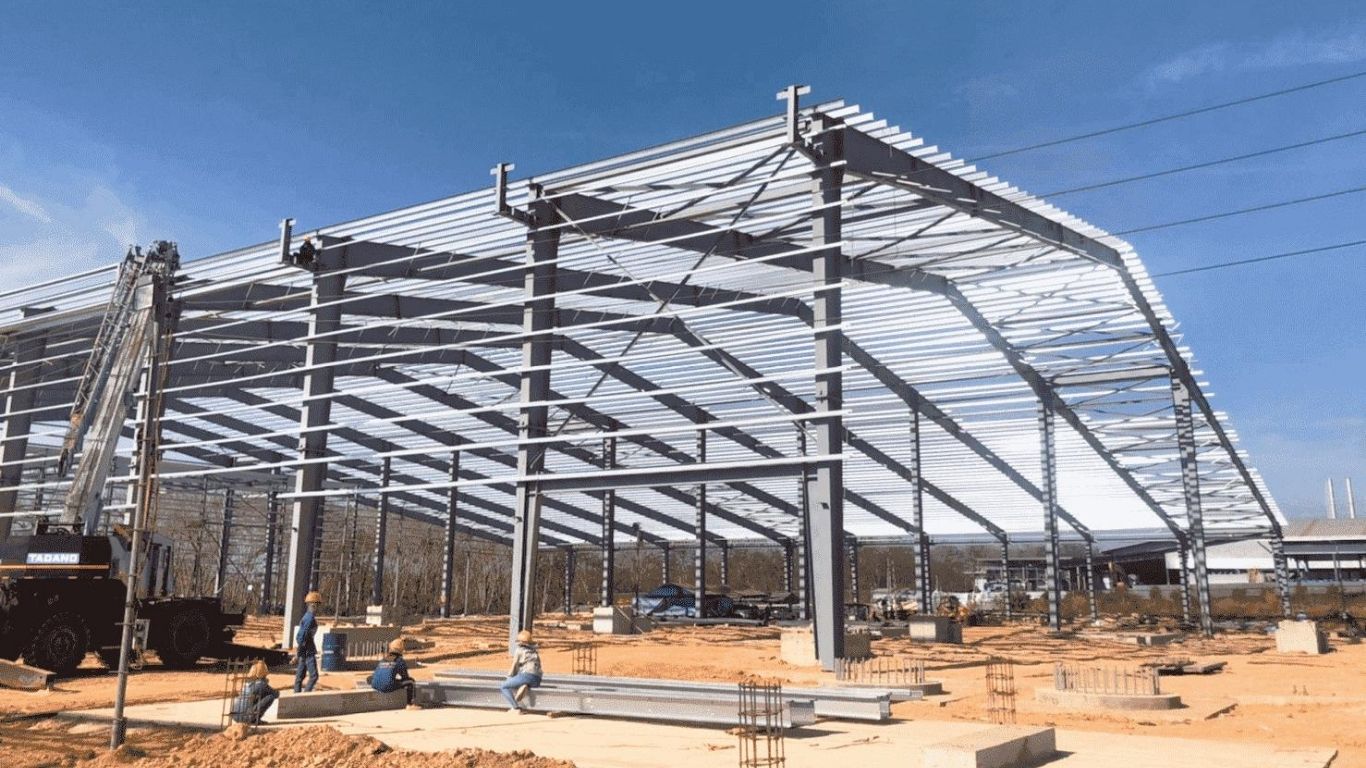
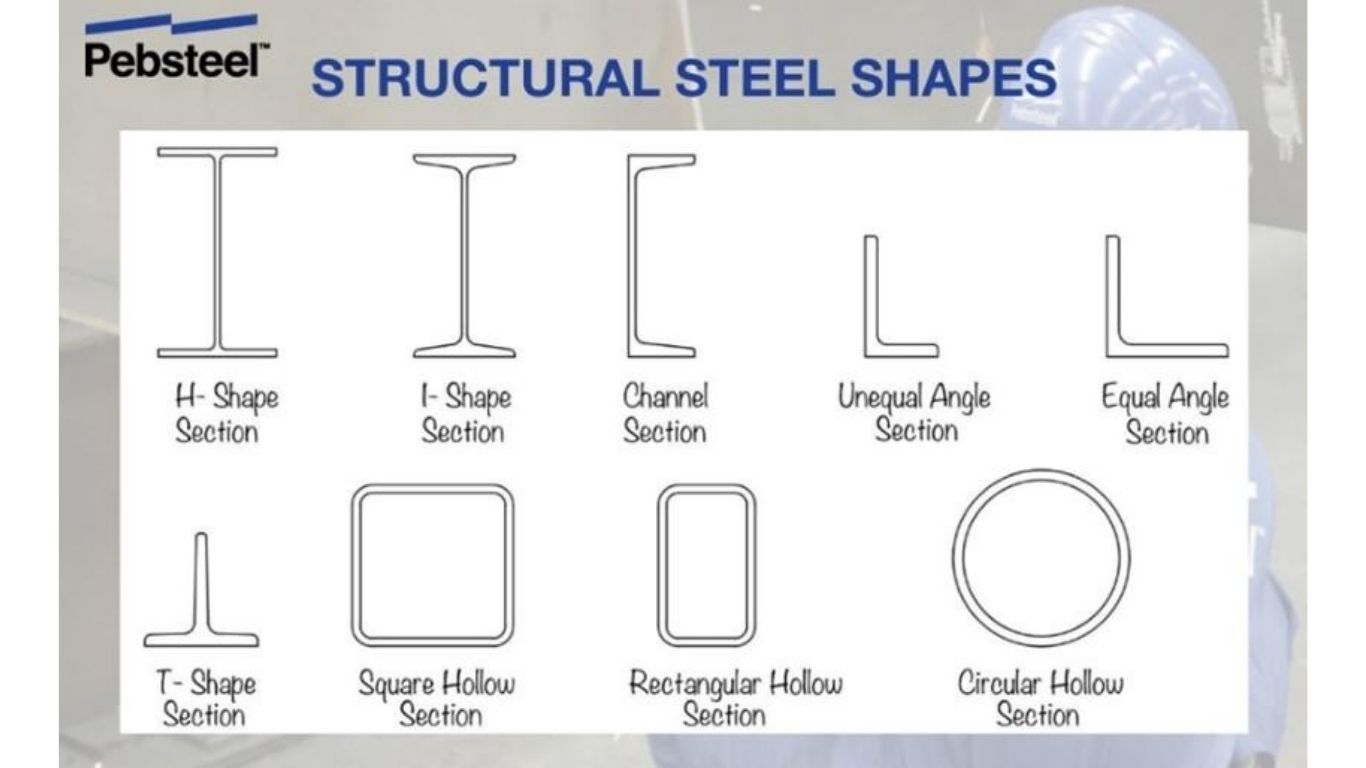
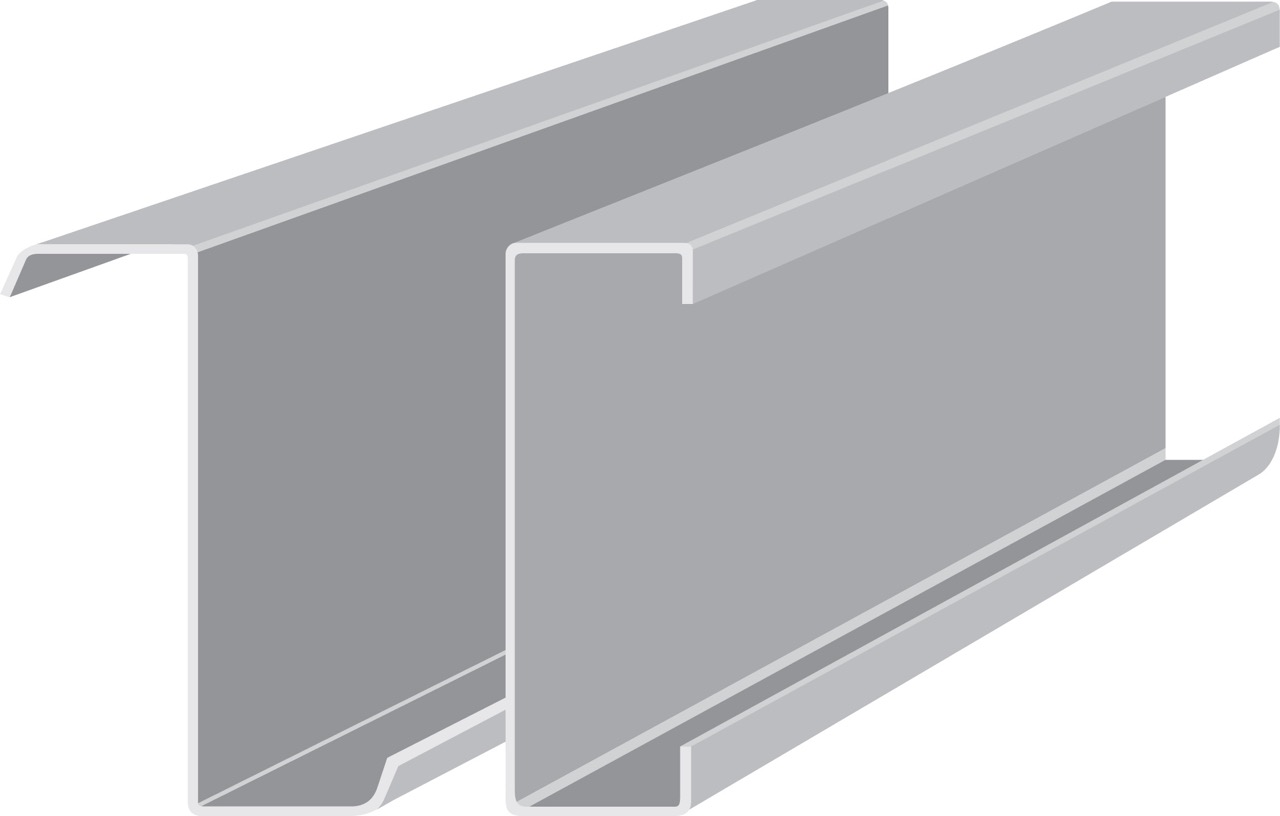
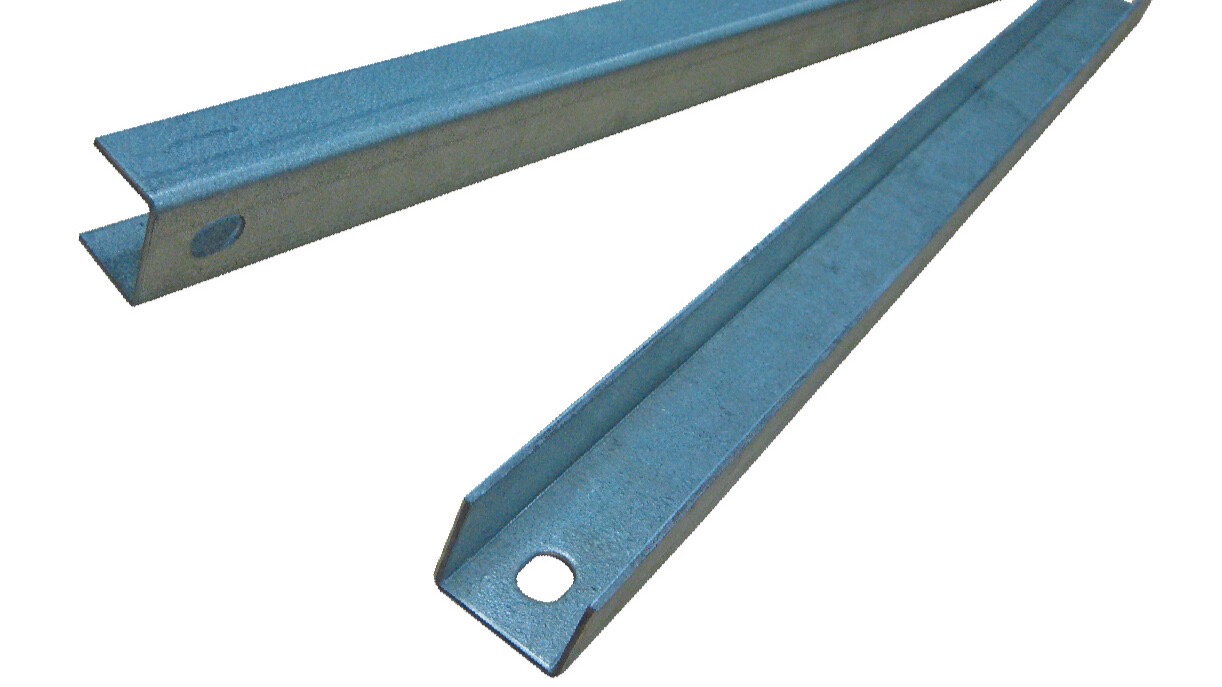
A structural steel fabricator is a specialist manufacturer that transforms raw steel — in the form of coils, plates, hot-rolled sections, and billets — into precision-engineered components ready for on-site assembly. These components include primary framing members (columns, rafters, beams), secondary framing (purlins, girts, eave struts), connection hardware (base plates, end plates, gussets, bolts), and specialty items such as crane beams, mezzanine systems, and stairways.
Unlike a simple steel service centre that cuts and delivers raw material, a qualified structural steel fabricator adds significant engineering value: they interpret architectural and structural drawings, apply advanced detailing software, control tolerances to fraction-of-a-millimetre accuracy, apply protective coatings, and often provide erection support on-site. The distinction matters enormously at project execution stage, where errors or delays in fabricated steelwork cascade into schedule overruns and cost penalties.
Key Insight: The fabricator’s role begins long before the first cut is made. Early involvement in design — known as Design for Manufacture and Assembly (DFMA) — can reduce steel tonnage, simplify connections, and cut erection time by up to 30%.
2. The Structural Steel Fabrication Process: From Design to Erection
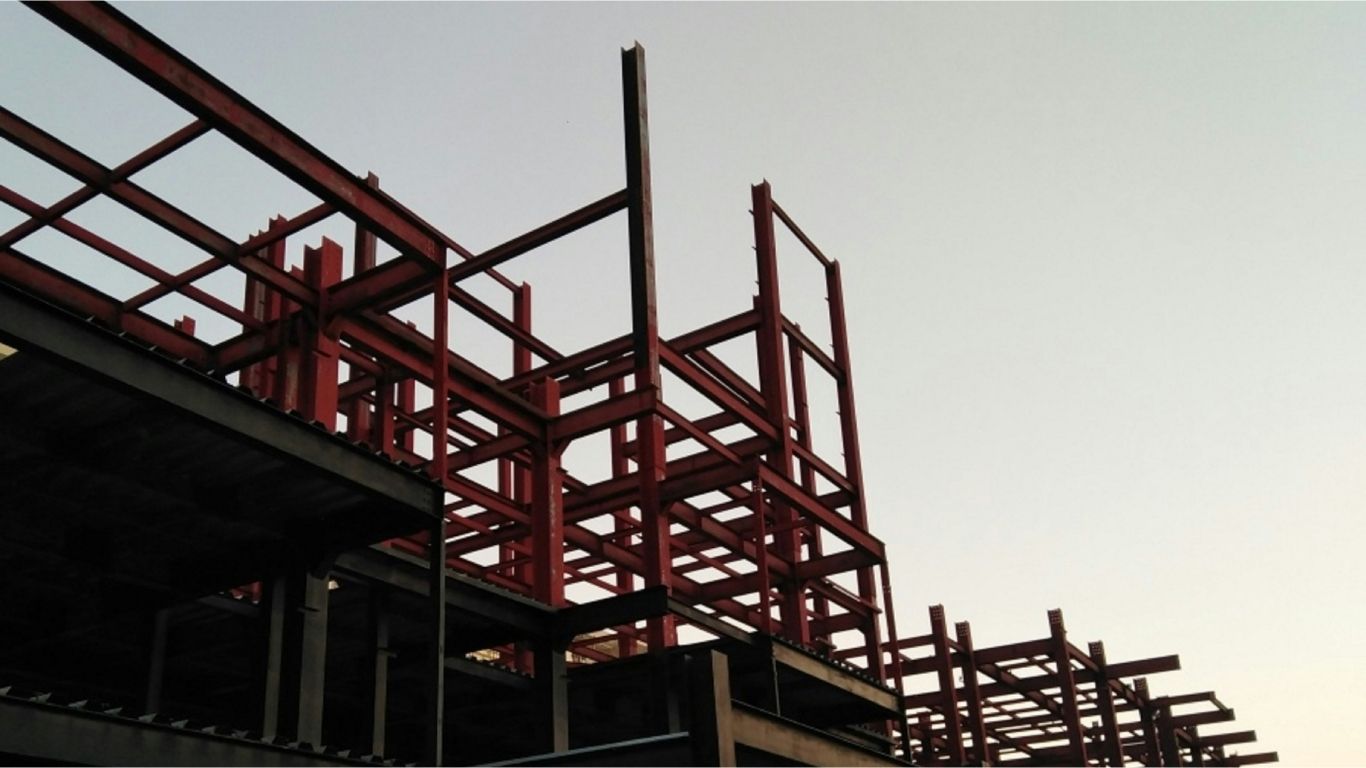
Understanding the end-to-end process helps clients set realistic expectations, ask the right questions, and identify where quality controls matter most.
Step 1: Engineering Design and BIM Modelling
Modern structural steel fabricators use Building Information Modelling (BIM) software — typically Tekla Structures or SDS/2 — to create a fully coordinated 3D model of the steel structure. BIM clash detection identifies conflicts between structural steel, mechanical systems, and architectural finishes before a single tonne of material is procured. This digital twin approach is now a baseline expectation on major projects in Australia, the UAE, and Singapore.
Step 2: Shop Drawing and Approval
Detailed shop drawings derived from the BIM model are submitted to the structural engineer of record for approval. These drawings define every cut, drill, weld, and bolt hole. The approval cycle is a critical path item — fabricators who maintain dedicated detailing teams in-house can turn drawings around in days, not weeks.
Step 3: Material Procurement and Traceability
Raw steel is sourced to project-specified grades (e.g., ASTM A572, AS/NZS 3678, S355 to EN 10025). Mill certificates — also called Material Test Reports (MTRs) — accompany every heat of steel, providing chemical composition and mechanical properties. Traceability from coil to component is a mandatory requirement on government, oil-and-gas, and Australian infrastructure projects.
Step 4: CNC Cutting, Drilling, and Forming
State-of-the-art fabrication shops deploy CNC-controlled beam lines, high-definition plasma tables, oxy-fuel cutting machines, and press brakes. Automated drilling lines process multiple holes simultaneously with sub-millimetre accuracy. For high-volume pre-engineered building production, automated roll-forming lines produce cold-formed purlins and girts at rates exceeding hundreds of tonnes per day.
Step 5: Welding and Assembly
Structural welding follows international codes: AWS D1.1 (Structural Welding Code – Steel) is the standard in North America, the Middle East, and Southeast Asia; AS/NZS 1554.1 governs Australian projects; EN ISO 3834 applies to European-specification work. Reputable fabricators hold certified welding procedures (WPS/PQR) and employ qualified welders verified by third-party inspection bodies such as Bureau Veritas, SGS, or Lloyd’s Register.
Step 6: Surface Treatment
Corrosion protection is applied according to the structure’s environmental exposure category. Common systems include shot-blasting to Sa 2.5 followed by epoxy primer and polyurethane topcoat; hot-dip galvanising (HDG) for tropical coastal environments in Southeast Asia; and fluoropolymer coatings for the extreme UV and humidity conditions of the Middle East. In Australia, AS 3715 and AS 4312 define corrosion zone classifications that specify minimum coating requirements.
Step 7: Quality Inspection and Documentation
A rigorous QC package includes dimensional inspection reports, weld inspection records (visual, UT, and MPT as specified), coating dry-film thickness (DFT) records, and traceability documentation. Third-party inspection at the fabrication stage — before shipment — is strongly recommended and is standard practice on high-value export projects.
Step 8: Delivery and On-Site Erection
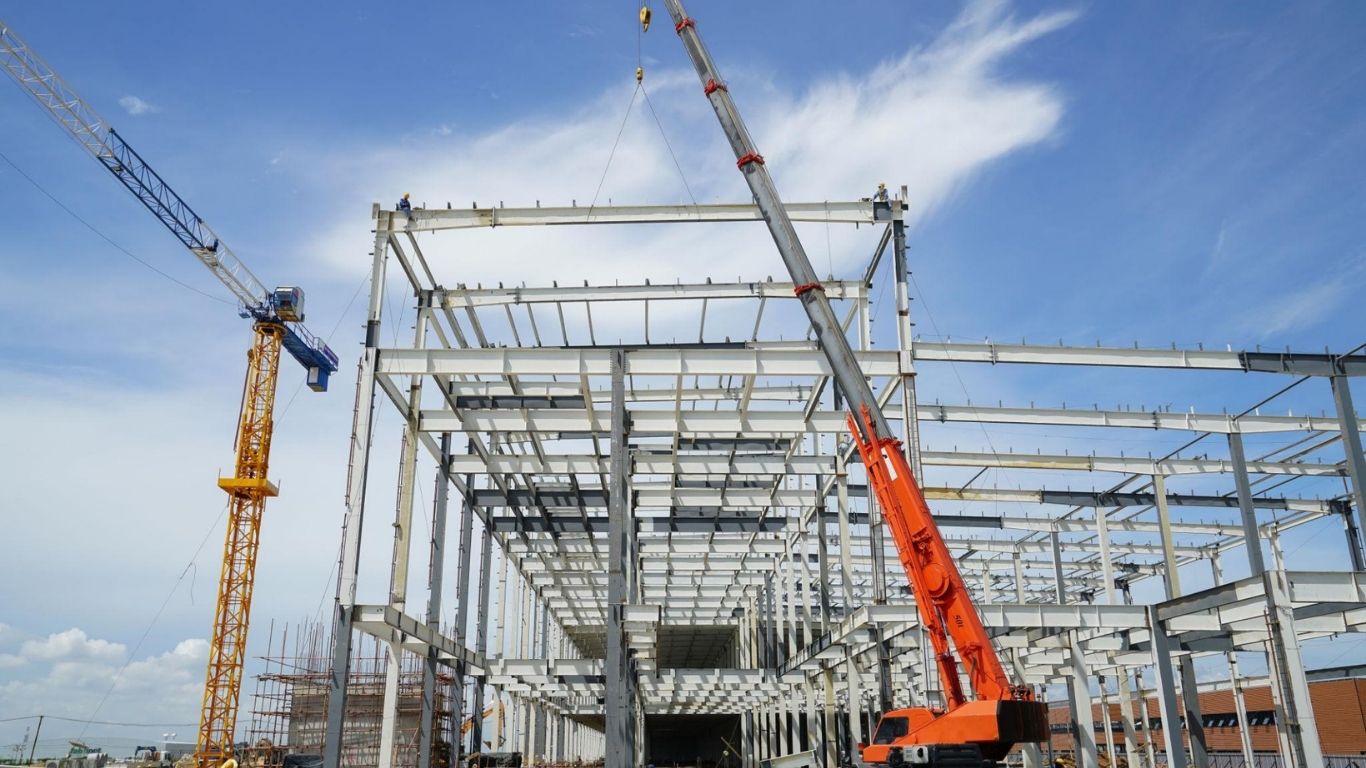
For export projects, components are shipped in optimised transport configurations, with match-marking and erection sequences clearly defined in the erection manual. Leading fabricators provide erection supervision or full erection crews, ensuring that the precision achieved in the factory is maintained on site.
3. Types of Structural Steel Fabrication
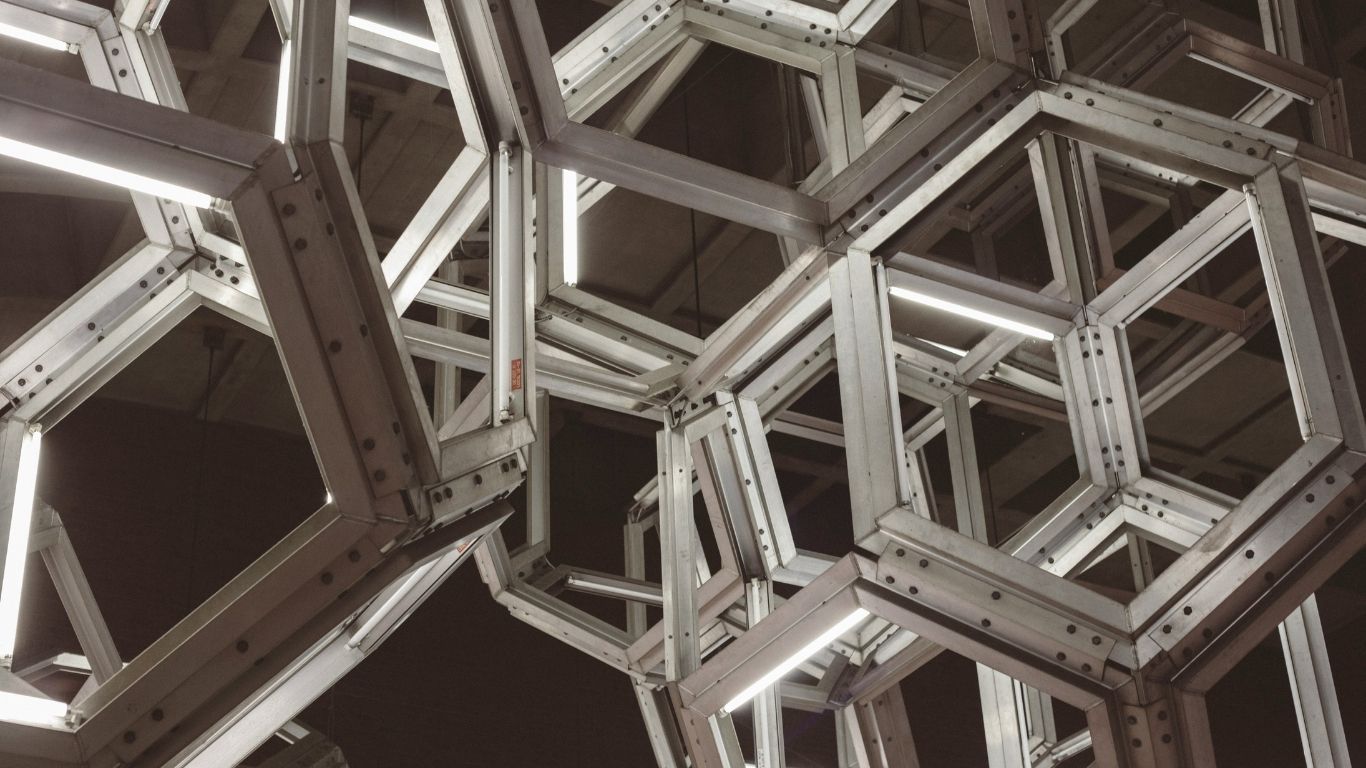
| Fabrication Type | Typical Applications | Key Design Feature |
|---|---|---|
| Pre-Engineered Buildings (PEB) | Factories, warehouses, logistics hubs, showrooms | Tapered primary frames, optimised for span and load |
| Heavy Structural Steel | Oil & gas platforms, power plants, multi-storey buildings | Hot-rolled sections, heavy plate, complex connections |
| Industrial Steel Structures | Pipe racks, conveyor gantries, equipment supports | High load density, vibration resistance |
| Long-Span Roof Structures | Stadiums, airport terminals, exhibition halls | Trusses, space frames, cable-supported structures |
| Mezzanine & Multi-Storey Frames | Offices, data centres, cold stores | Composite deck, fire protection, high floor loads |
| Architectural Steel | Facades, feature staircases, canopies | Aesthetic finish, tight tolerances, bespoke profiles |
4. Industry Applications Across Key Sectors
Industrial Manufacturing and Processing
Factories and production halls represent the largest volume application for structural steel fabricators in Southeast Asia. As global manufacturers relocate or diversify supply chains into Vietnam, Thailand, Indonesia, and Malaysia, demand for large-span industrial buildings with integrated crane systems, heavy floor loads, and aggressive chemical environments has surged. Steel structures are the only cost-effective solution for clear spans exceeding 40 metres with full overhead crane integration.
Logistics and Warehousing
The rapid growth of e-commerce and third-party logistics (3PL) across ASEAN and the Gulf Cooperation Council (GCC) is driving unprecedented demand for high-bay warehouses. Modern distribution centres require clear heights of 10–16 metres, automated storage and retrieval systems (ASRS), and floor flatness tolerances that only a precisely fabricated steel frame can deliver on schedule.
Oil, Gas, and Energy Infrastructure
Structural steel is the backbone of process plant infrastructure in the Middle East, Southeast Asia, and Australia’s offshore sector. Pipe racks, equipment skids, module structures, and power station frameworks require complex fabrication to tight tolerances, full traceability, and compliance with NACE corrosion standards. Fabricators serving this sector must hold Third-Party Inspection (TPI) approvals and be familiar with international project execution standards such as EPCM and FEED.
Commercial and Mixed-Use Buildings
Across the growing cities of Southeast Asia and the GCC — from Kuala Lumpur to Riyadh — commercial towers, shopping malls, hotels, and hospitals are increasingly using structural steel primary frames to achieve faster construction programmes, longer column-free spans, and superior seismic performance. In Australia, steel-framed multi-storey construction has gained significant market share over concrete in the medium-rise sector.
Agricultural and Cold Chain Facilities
Feed mills, grain silos, and cold storage facilities in Southeast Asia and Australia demand corrosion-resistant steel with specialised internal environments. Pre-engineered steel buildings with sealed insulation systems and specialised surface coatings are the preferred solution for the agri-food sector across both regions.
5. Quality Certifications and International Standards
One of the most important factors when evaluating a structural steel fabricator is their portfolio of quality certifications. The following table summarises the key standards relevant to projects in Southeast Asia, the Middle East, and Australia:
| Standard / Certification | Scope | Relevant Market |
|---|---|---|
| ISO 9001:2015 | Quality Management System | All markets |
| AISC 303 / AISC 360 | Steel construction and fabrication practice | Southeast Asia (US-spec projects), Middle East |
| AS/NZS 3678 & AS 4100 | Steel grades and structural design | Australia & New Zealand |
| EN 1090-2 / CE Marking | Structural steel execution (EXC2–EXC4) | Europe-spec Middle East projects |
| ASTM A6 / A572 / A36 | Structural steel material specifications | US-spec projects globally |
| AWS D1.1 | Structural Welding Code – Steel | Middle East, Southeast Asia |
| AS/NZS 1554.1 | Structural steel welding | Australia |
| ISO 3834 Part 2 | Quality requirements for welding | International / Middle East |
| NACE MR0175 / ISO 15156 | Corrosion in H2S environments | Oil & Gas, Middle East |
| MBMA / IBC | Metal Building Manufacturers Association | Pre-engineered buildings globally |
Procurement Tip: Always request mill certificates (MTRs), welding procedure specifications (WPS), and a third-party inspection certificate — not just the fabricator’s internal QC report. For Australian projects, ensure compliance documentation references the specific AS/NZS clause numbers.
6. Regional Market Considerations
Southeast Asia: High Growth, High Humidity
Southeast Asia’s construction market is expanding at a pace that few regions match. Vietnam alone attracted over USD 36 billion in Foreign Direct Investment in 2024, much of it directed into factory and warehouse construction. The region’s tropical climate — characterised by year-round high humidity, intense UV radiation, and frequent cyclones in the Philippines, Vietnam, and Bangladesh — places specific demands on structural steel. Corrosion-protection systems must account for ISO C4 or C5 environments, and roof and wall cladding must be specified for cyclone-rated wind loads.
Labour costs in Southeast Asia remain competitive, but quality varies enormously. Investors should seek fabricators with internationally certified welders, in-house detailing capabilities, and established export track records rather than local low-cost suppliers who lack quality systems.
Middle East: Extreme Climate, Ambitious Scale
The GCC construction market is defined by mega-projects, aggressive timelines, and extreme climatic demands. Ambient temperatures exceeding 45°C during summer, combined with high salinity in coastal areas such as Abu Dhabi and the Eastern Province of Saudi Arabia, create an ISO C5-M corrosion environment that demands premium coating systems and careful material selection. Structural steel for Middle East projects is routinely specified to higher tensile grades (e.g., ASTM A572 Gr.50 or S355) to minimise steel tonnage in an environment where weight equals cost.
Saudi Arabia’s Vision 2030 programme and UAE’s continued infrastructure investment — including major projects in NEOM, Dubai South, and Oman’s Duqm Special Economic Zone — have created sustained demand for high-capacity structural steel fabricators capable of meeting ARAMCO, ADNOC, and international EPC contractor standards.
Australia: Standards Compliance, Sustainable Construction
Australia’s structural steel sector is one of the most regulated and standards-driven markets in the Asia-Pacific. All structural steel must comply with AS/NZS 3678 (hot-rolled plates and bars) or AS/NZS 3679 (hot-rolled bars and sections), and design must conform to AS 4100 (Steel Structures). Projects in bushfire-prone areas require additional consideration of ember attack and radiant heat — a unique Australian design requirement not found elsewhere. More detail about Australian Structural Steel Standards.
There is a growing trend among Australian developers and construction managers to source structural steelwork from certified offshore fabricators — particularly in Vietnam — to reduce costs while maintaining compliance with Australian Standards. The key is selecting a fabricator with demonstrated experience in AS/NZS compliance, who can provide the full QC documentation package expected by Australian principal contractors.
Sustainability is an increasing priority in Australia, where Green Star ratings and embodied carbon reporting are moving from voluntary to mandated in many states. Structural steel’s inherent recyclability (over 98% of structural steel is recycled at end of life) and its compatibility with Design for Disassembly make it the preferred material for green-rated projects.
7. How to Choose the Right Structural Steel Fabricator: An 8-Point Checklist
Use the following checklist when evaluating potential fabricators for your project in Southeast Asia, the Middle East, or Australia:
- Certifications and Accreditations — Does the fabricator hold ISO 9001:2015, and can they demonstrate compliance with the specific material and welding standards required for your target market? (AS/NZS for Australia; ASTM/AWS for Middle East and Southeast Asia)
- In-House Detailing Capability — Do they have a dedicated BIM/detailing team, or do they outsource this critical step? In-house detailing reduces communication errors and accelerates the shop drawing approval cycle.
- Production Capacity and Lead Times — What is the fabricator’s monthly output capacity in metric tonnes? Can they commit to your required delivery schedule, particularly for phased project deliveries?
- Material Traceability — Can they provide full mill certificates (MTRs) for every material heat used on your project? Is traceability maintained from purchase order to finished component?
- Welding Qualifications — Do they hold certified Welding Procedure Specifications (WPS) and Procedure Qualification Records (PQR) for the welding standard required? Are welders individually certified?
- Third-Party Inspection Experience — Have they worked with major TPI bodies such as Bureau Veritas, Lloyd’s Register, SGS, or Intertek? Do they have a track record of passing independent hold-point inspections?
- Surface Treatment Capability — Do they have in-house shot-blasting and painting facilities? Are they able to achieve and document the coating system specified — including DFT reports, adhesion tests, and holiday detection?
- Export and Logistics Experience — For offshore fabrication, does the fabricator have demonstrated experience in container loading, export packing, match-marking, and coordination with international freight forwarders?
8. The Case for Offshore Fabrication: Vietnam as a Global Hub
For projects in Australia, the Middle East, and parts of Southeast Asia, sourcing structural steel fabrication from Vietnam offers a compelling combination of cost efficiency, technical capability, and production scale that is difficult to match with local fabricators.
Cost Competitiveness
Vietnam’s structural steel fabrication costs are typically 20–40% lower than comparable work in Australia and 15–30% lower than in the UAE — even after accounting for freight, insurance, and inspection costs. This cost advantage arises from lower labour rates, competitive raw material procurement through proximity to major steel mills in Japan and South Korea, and the economies of scale available at large-format fabrication facilities.
Technical Capability and Certification
Vietnam’s leading structural steel fabricators are fully capable of meeting international standards — ASTM, AWS, AS/NZS — and regularly export to Australia, the Middle East, North America, and Europe. Many hold ISO 9001 certification, have AISC-compliant QMS systems, and employ engineers with international degrees. The country’s steel industry has matured significantly over the past two decades, and top-tier fabricators bear no resemblance to the undocumented workshops of an earlier era.
Production Scale
Large-format fabrication plants in Vietnam operate multiple automated welding lines, high-capacity crane systems (30+ tonne lifting capacity), and dedicated quality laboratories. Annual output of 100,000 metric tonnes or more is achievable within a single corporate group — a scale that very few fabricators in Australia or the GCC can match. This capacity is particularly relevant for large-scale industrial and infrastructure projects that require consistent quality across thousands of tonnes of steelwork.
Sustainability and ESG Credentials
Vietnam’s leading fabricators have invested in energy-efficient manufacturing, solar-powered facilities, and responsible steel sourcing aligned with ESG reporting requirements. For Australian developers and Middle Eastern sovereign wealth funds, a fabricator’s environmental credentials are increasingly a procurement criterion alongside technical capability and price.
9. Why Pebsteel: 30 Years of Structural Steel Expertise Across 50+ Countries
Founded in 1994 and headquartered in Vietnam, Pebsteel has grown to become one of Asia’s most respected structural steel fabricators and pre-engineered building specialists. With seven large-scale manufacturing facilities — six in Vietnam and one in Myanmar — and a combined annual production capacity exceeding 120,000 metric tonnes, Pebsteel operates at a scale matched by very few competitors in the region.
Over the past three decades, Pebsteel has designed, fabricated, and erected more than 6,000 projects across more than 50 countries, spanning Southeast Asia, the Middle East, Australia, Africa, and beyond. Pebsteel’s shareholders include Nippon Steel and Okaya & Co. Ltd. of Japan — a partnership that underpins the company’s commitment to Japanese quality standards in both raw material selection and manufacturing process control.
Capabilities That Set Pebsteel Apart
- Fully integrated BIM detailing centre with dedicated teams for each regional market
- Seven specialised factories: each optimised for a specific product line — from pre-engineered primary frames and cold-formed purlins, to heavy structural steel for oil & gas, power, and multi-storey buildings
- Proprietary product innovations including PebHybrid® rigid frame systems, PebInsul™ thermal insulation, LokSeam® standing-seam roofing, and Z300 purlins using AZ180-coated Silver180® steel
- Full traceability chain from mill certificate to erection, with ISO 9001-compliant documentation packages
- In-house surface treatment facilities with certified shot-blast and coating application for corrosion categories C3 through C5-M
- Dedicated export logistics team managing container packing, shipping documentation, and erection supervision for international projects
- Regional offices across Southeast Asia, plus export sales teams targeting Australia and the Middle East
More about our Projects: https://pebsteel.com/en/projects/
Client Track Record: Pebsteel’s project portfolio includes industrial facilities for Nike, Canon, Heineken, Unilever, LG Electronics, Doosan Heavy Industries, Samsung Engineering, and Aeon — global brands whose supply chains demand verified quality, not just competitive pricing.
10. Structural Steel and Sustainable Construction
Sustainability is no longer a premium differentiator — it is a baseline expectation in mature construction markets including Australia, Singapore, and the UAE. Structural steel is inherently well-positioned for green building programmes:
- Recyclability: Over 98% of structural steel is recycled at end of building life, making it the most recycled construction material in the world.
- Embodied Carbon Reduction: Leading fabricators now offer Environmental Product Declarations (EPDs) for their steel products, enabling designers to calculate and minimise embodied carbon at the specification stage.
- Design for Disassembly (DfD): Bolted steel connections allow buildings to be deconstructed and their steel components repurposed — a requirement of Green Star, LEED, and BREEAM certification schemes.
- Precision Fabrication Reduces Waste: Factory-fabricated steel generates significantly less on-site construction waste compared to in-situ concrete construction.
- Green Steel Supply Chains: The availability of Electric Arc Furnace (EAF) steel with lower embodied carbon enables project teams to reduce their Scope 3 emissions when sourcing from responsible mills.
For projects targeting Green Star (Australia), Estidama (UAE), or BCA Green Mark (Singapore) ratings, early engagement with a structural steel fabricator who can provide EPDs, steel sourcing declarations, and waste management plans is essential.
Conclusion: Making the Right Choice
The structural steel fabricator you select will determine whether your project is completed on time, within budget, and to the quality standards required by your end-use market. In Southeast Asia, the Middle East, Australia & New Zealand, the combination of regional scale, international certifications, technical depth, and proven export logistics is rare — but it is exactly what leading fabricators like Pebsteel deliver.
When evaluating candidates, go beyond the price per tonne. Ask for mill certificates, welding procedure records, third-party inspection reports from previous projects, and references from clients in your target region. The right fabricator is a long-term project partner, not a commodity supplier.
To discuss your project requirements and receive a detailed fabrication proposal from Pebsteel’s team, contact us through pebsteel.com or reach out to your nearest regional office.
Frequently Asked Questions (FAQ)
Q1: What is the difference between a structural steel fabricator and a steel service centre?
A steel service centre purchases and stores raw steel, then cuts or distributes it with minimal processing. A structural steel fabricator adds substantial engineering value: interpreting structural drawings, producing detailed shop drawings, cutting and welding components to precise tolerances, applying protective coatings, and preparing finished assemblies ready for on-site erection. The fabricator is responsible for the accuracy, quality, and compliance of the finished product.
Q2: What certifications should I require from a structural steel fabricator for projects in Australia?
For Australian projects, the fabricator should demonstrate material compliance with AS/NZS 3678 or AS/NZS 3679, welding compliance with AS/NZS 1554.1, and hold ISO 9001:2015 certification. They should also be able to provide full mill certificates (MTRs) with traceability, and their shop drawings should be produced or reviewed by engineers familiar with AS 4100 (Steel Structures). For government or infrastructure projects, third-party inspection by a NATA-accredited or internationally equivalent body is typically required.
Q3: How long does structural steel fabrication take from order to delivery?
Lead times depend on project complexity, steel tonnage, and current production capacity. For a standard pre-engineered industrial building of 2,000–5,000 m², allow 8–14 weeks from finalised shop drawings to factory completion, plus 2–4 weeks for shipping to Australia or the Middle East. For heavy structural projects with complex connections and specialty items, 16–24 weeks is a more realistic baseline. Early engagement with the fabricator during the design stage is the most effective way to compress the schedule.
Q4: Can a Vietnamese structural steel fabricator meet Australian Standards?
Yes. Vietnam’s leading structural steel fabricators routinely export to Australia and are fully capable of meeting AS/NZS material, welding, and coating requirements. The critical factors are: ISO 9001 certification, in-house or contracted BIM detailing with AS 4100 design awareness, certified welding procedures (WPS/PQR) referencing AS/NZS 1554.1, and a willingness to accommodate third-party inspection by a body acceptable to the Australian principal contractor. Pebsteel has completed multiple projects for Australian clients and maintains documentation packages aligned with Australian Standards.
Q5: What is the cost difference between local and offshore structural steel fabrication?
Offshore fabrication from Vietnam typically delivers a net saving of 20–40% compared to Australian fabricators and 15–30% compared to UAE-based fabricators, after accounting for freight (typically USD 80–120 per tonne to Australia or the Middle East), inspection costs, and import duties. The saving is most significant on high-volume, relatively straightforward steel such as portal frames, purlins, and secondary framing. For complex, low-tonnage projects with very tight erection schedules, the logistics cost and programme risk may offset part of the fabrication cost advantage.
Q6: What steel grades does Pebsteel use, and what material standards do they comply with?
Pebsteel primarily specifies steel to ASTM standards — including ASTM A36, A572 Grade 50, and A1011 for cold-formed sections — sourced from mills including Nippon Steel and other certified Asian producers. For Australian-specification projects, Pebsteel can source or certify equivalent grades under AS/NZS 3678 and AS/NZS 3679. All material is accompanied by mill certificates (MTRs) maintained in a fully traceable documentation system. For specialised applications such as high-corrosion coastal environments, Pebsteel uses Silver180® AZ180-coated steel for secondary framing.
Q7: What corrosion protection options are available for structural steel in tropical and coastal environments?
For Southeast Asia’s tropical C4–C5 environments, the standard system is SA 2.5 shot-blast followed by a zinc-rich epoxy primer, an epoxy intermediate coat, and a polyurethane topcoat — typically achieving a minimum dry film thickness of 200–250 microns. For structures within 1 km of a coastline or in permanent immersion zones, hot-dip galvanising (HDG) is the preferred primary protection, supplemented with a compatible topcoat where aesthetics require. Pebsteel’s in-house surface treatment facilities are capable of applying all major coating systems with full DFT documentation.
Q8: Does Pebsteel provide erection services for international projects?
Yes. Pebsteel offers erection supervision and full erection crew services for projects outside Vietnam. For international projects, Pebsteel provides erection manuals with detailed sequence drawings and connection details, match-marked components that simplify on-site assembly, and the option to deploy experienced erection supervisors from its own workforce. For major projects in the Middle East and Australia, Pebsteel coordinates closely with the local principal contractor to ensure a seamless transition from factory to site.
Q9: What types of buildings can a structural steel fabricator like Pebsteel deliver?
Pebsteel’s product range covers pre-engineered steel buildings (factories, warehouses, distribution centres, showrooms, cold stores), heavy structural steel (multi-storey buildings, power plants, process plants, modular structures), and specialty structures (airport hangars, sports stadiums, exhibition halls, data centres). The company also fabricates crane systems, mezzanine floors, modular offices, and a full range of accessory items. This breadth of capability makes Pebsteel a genuinely one-stop fabrication partner for large, complex projects.
Q10: How do I get a quote from Pebsteel for structural steel fabrication?
To receive a detailed fabrication proposal, contact Pebsteel through pebsteel.com/contact or email the regional office nearest to your project location. To accelerate the quotation process, provide the structural engineer’s drawings or a bill of materials, your target delivery date, the project location (for corrosion specification and freight calculation), and any specific certification requirements. Pebsteel’s technical team will revert with a preliminary proposal — typically within 5–7 business days for standard structures.
Disclamer: The content provided in this article is for reference purposes only. For further details or clarification based on your needs, please contact Pebsteel directly.