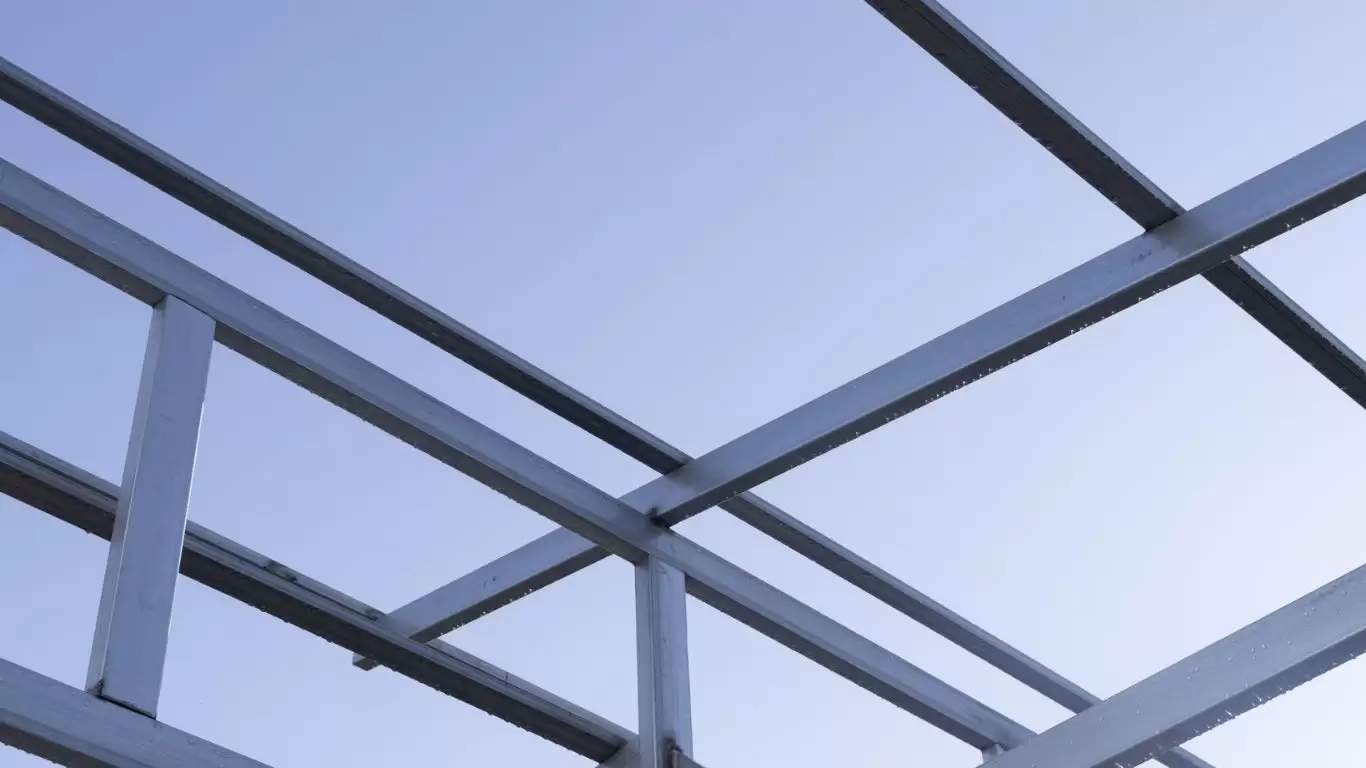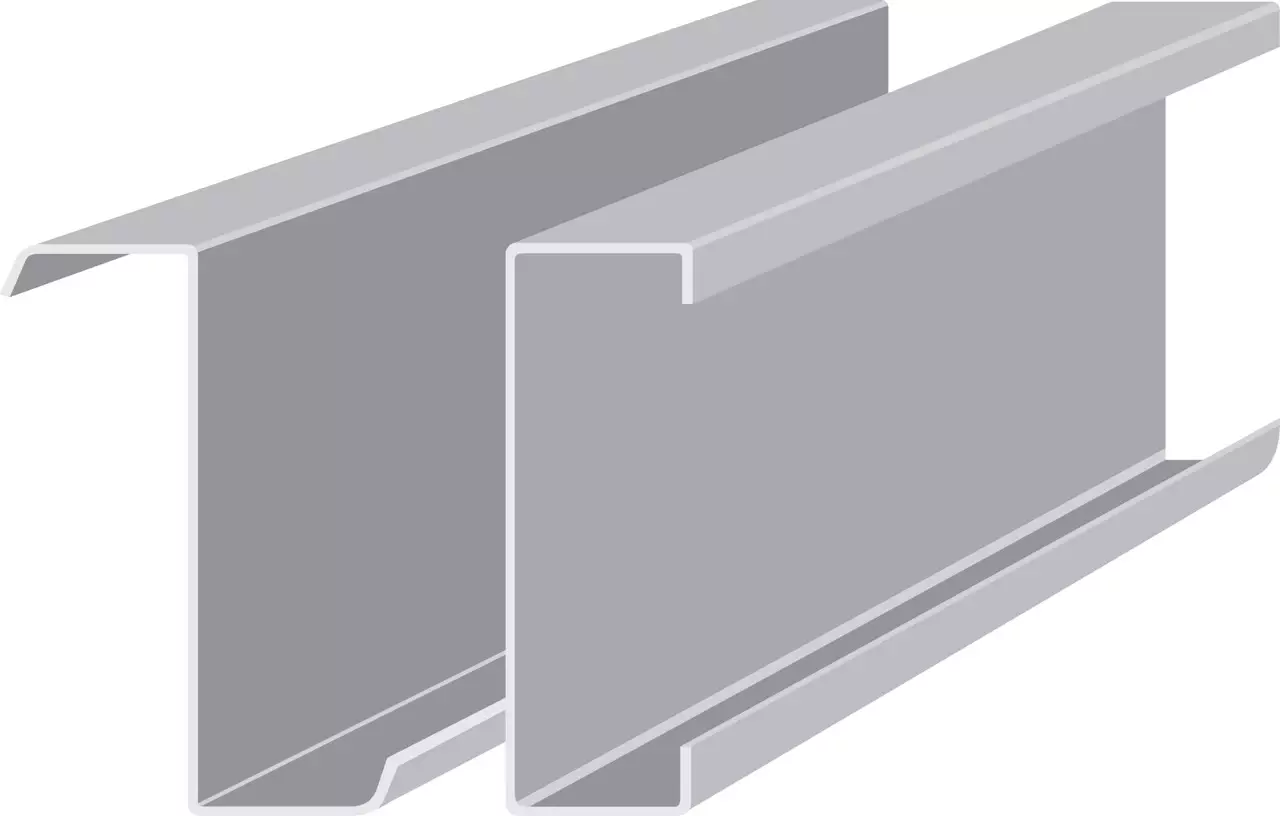

Structural steel fabrication plays a critical role in Malaysia’s modern construction and industrial development. From manufacturing plants and logistics warehouses to infrastructure and commercial buildings, structural steel provides the strength and flexibility required for large-scale projects.
As Malaysia continues to expand its industrial zones and infrastructure networks, the demand for reliable structural steel fabrication in Malaysia continues to grow. High-quality fabricated steel components allow engineers and developers to construct durable buildings while maintaining efficient construction timelines.
This article explores structural steel fabrication processes, applications, and the importance of professional fabrication services for industrial projects in Malaysia.
1. What Is Structural Steel Fabrication?
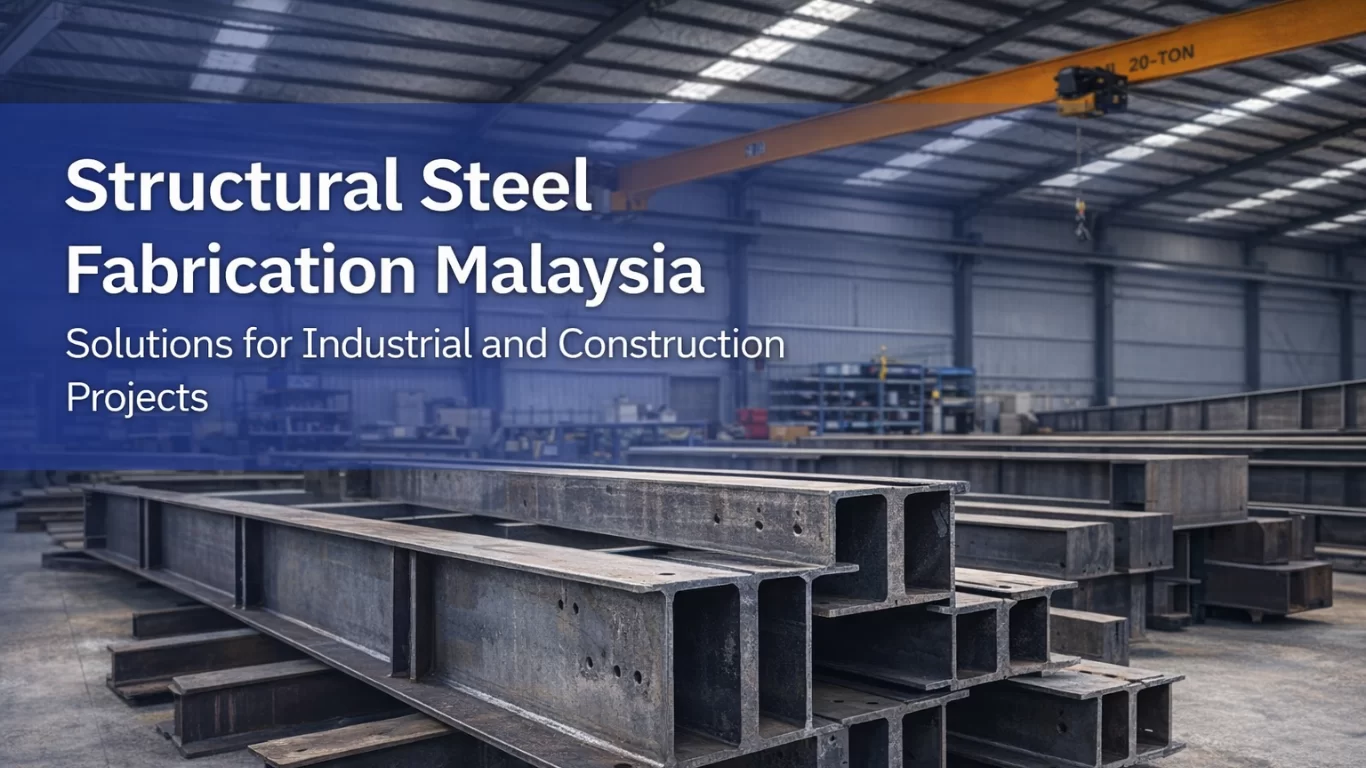
Structural steel fabrication is the process of manufacturing steel components used to form the framework of buildings and engineering structures. The process involves transforming raw steel materials into beams, columns, trusses, and other structural elements through cutting, bending, welding, and assembly.
These fabricated components are essential for building structures such as:
-
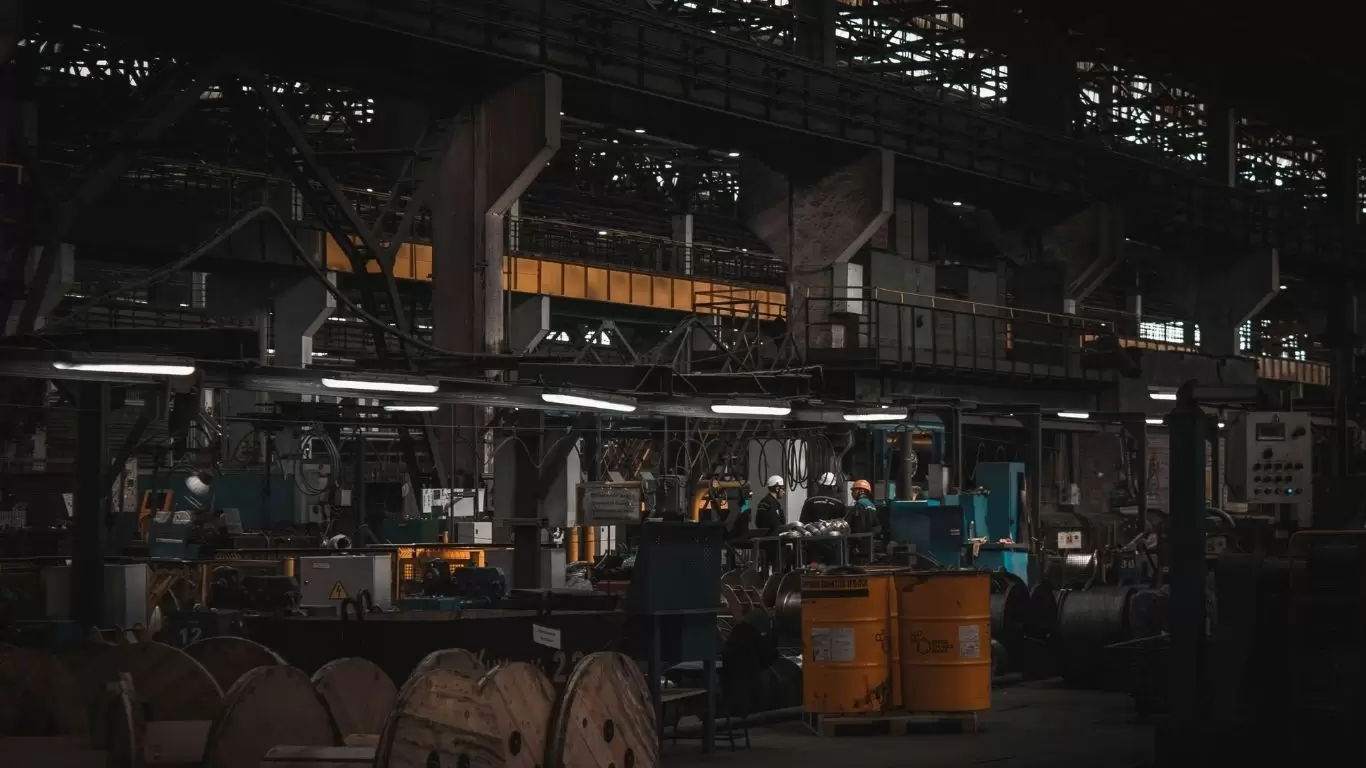
Industrial factories
-
Logistics warehouses
-
Commercial buildings
-
Infrastructure projects
-
Energy facilities
Because structural steel offers high strength and durability, it is widely used in modern construction across Malaysia.
2. The Growing Demand for Structural Steel Fabrication in Malaysia
Malaysia has experienced significant growth in construction and industrial development. As a result, structural steel fabrication has become an essential part of large engineering projects.
Several factors are driving demand for fabricated steel structures.
Industrial Expansion
Manufacturing and industrial sectors continue to expand in Malaysia, particularly in regions such as Johor, Selangor, Penang, and Kuala Lumpur. Industrial facilities require strong steel frameworks capable of supporting heavy machinery and production equipment.
Logistics and Warehouse Development
The rapid growth of e-commerce and regional trade has increased the need for large logistics centers and distribution hubs. Structural steel allows warehouses to achieve large clear-span spaces, which maximize storage capacity and operational efficiency.
Infrastructure Projects
Infrastructure development projects, including transportation systems and energy facilities, require structural steel components that meet strict engineering standards.
Steel fabrication provides reliable structural solutions for these large-scale projects.
3. Structural Steel Fabrication Process
Structural steel fabrication involves several stages to ensure high-quality components and precise engineering results.
Engineering Design
The fabrication process begins with engineering design and structural analysis. Engineers prepare technical drawings and determine the specifications required for structural components.
Important factors considered during design include:
-
Load-bearing requirements
-
Material specifications
-
Structural safety standards
-
Building dimensions
Accurate design ensures that fabricated steel components perform reliably once installed.
Cutting and Shaping Steel
Steel plates and structural sections are cut and shaped using modern fabrication technologies such as:
-
CNC cutting
-
Plasma cutting
-
Laser cutting
-
Saw cutting
These processes ensure precise dimensions and reduce material waste.
Forming and Bending
Some structural components require bending or forming to achieve the desired shape. Specialized equipment is used to bend steel sections while maintaining structural integrity.
Welding and Assembly
Welding is one of the most important steps in structural steel fabrication. Skilled welders join steel components to create structural assemblies such as beams, columns, and trusses.
High-quality welding ensures the strength and durability of the final structure.
Surface Treatment and Protection
To improve durability and corrosion resistance, fabricated steel components often undergo surface treatments such as:
-
Sandblasting
-
Galvanization
-
Industrial painting or coating
These treatments protect steel structures from environmental conditions and extend their service life.
4. Key Structural Steel Components
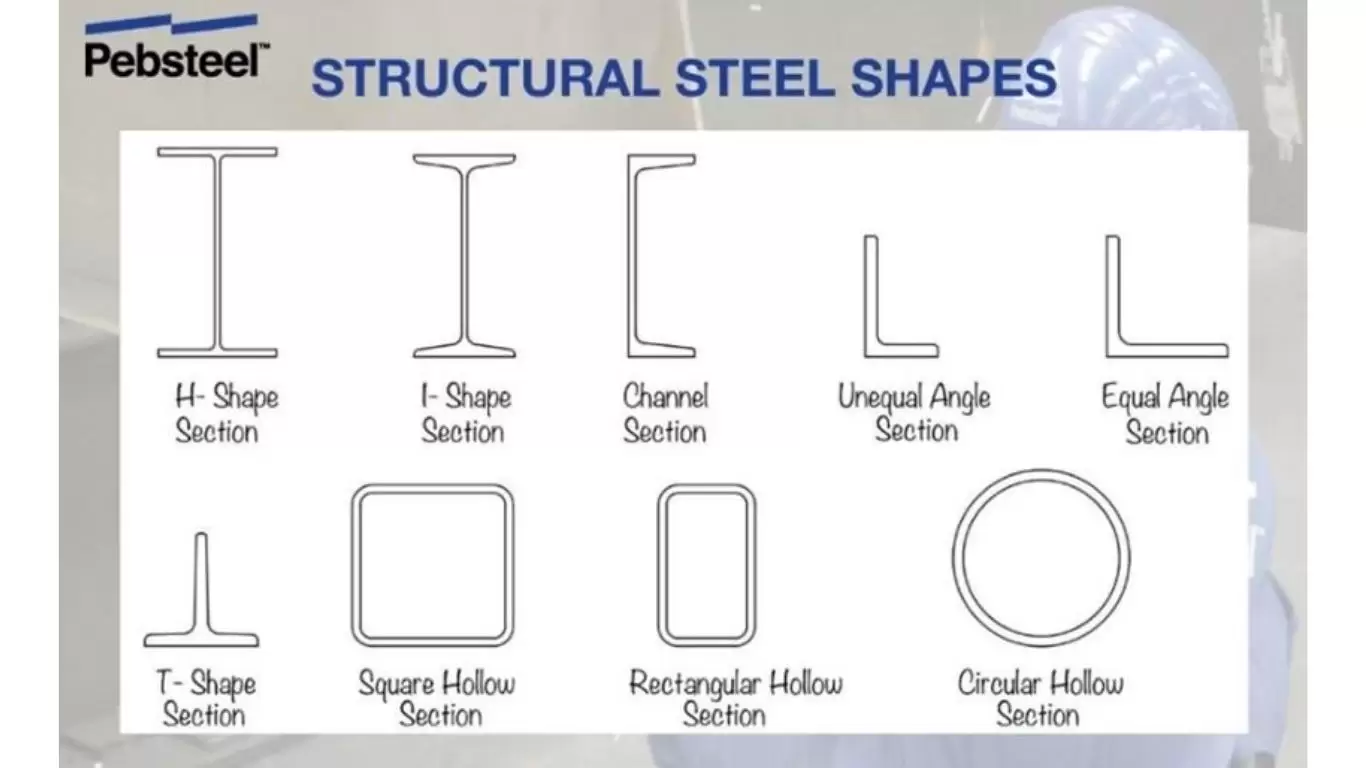
Structural steel fabrication produces a wide range of components used in construction and industrial projects.
Steel Beams and Columns
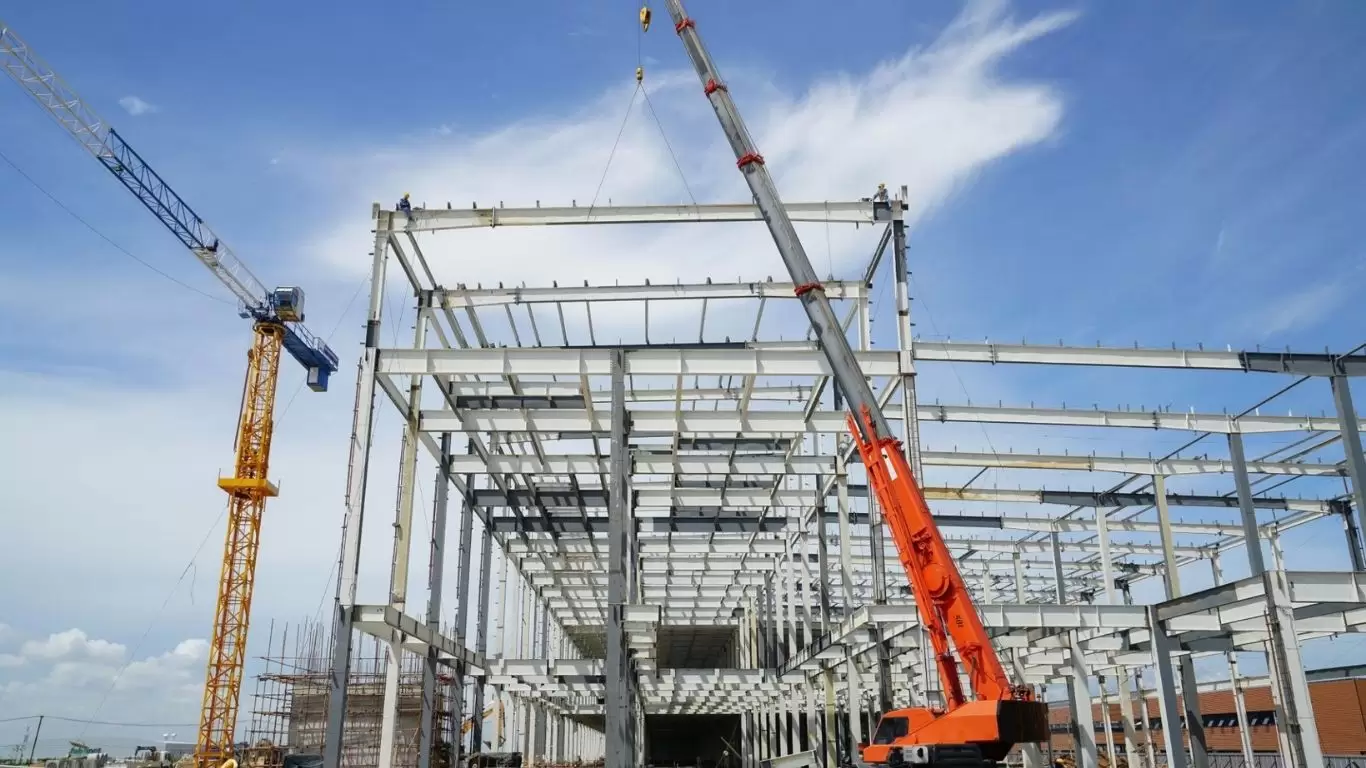
Steel beams and columns form the primary load-bearing framework of buildings. These components support the structure and distribute loads throughout the building.
Steel Trusses
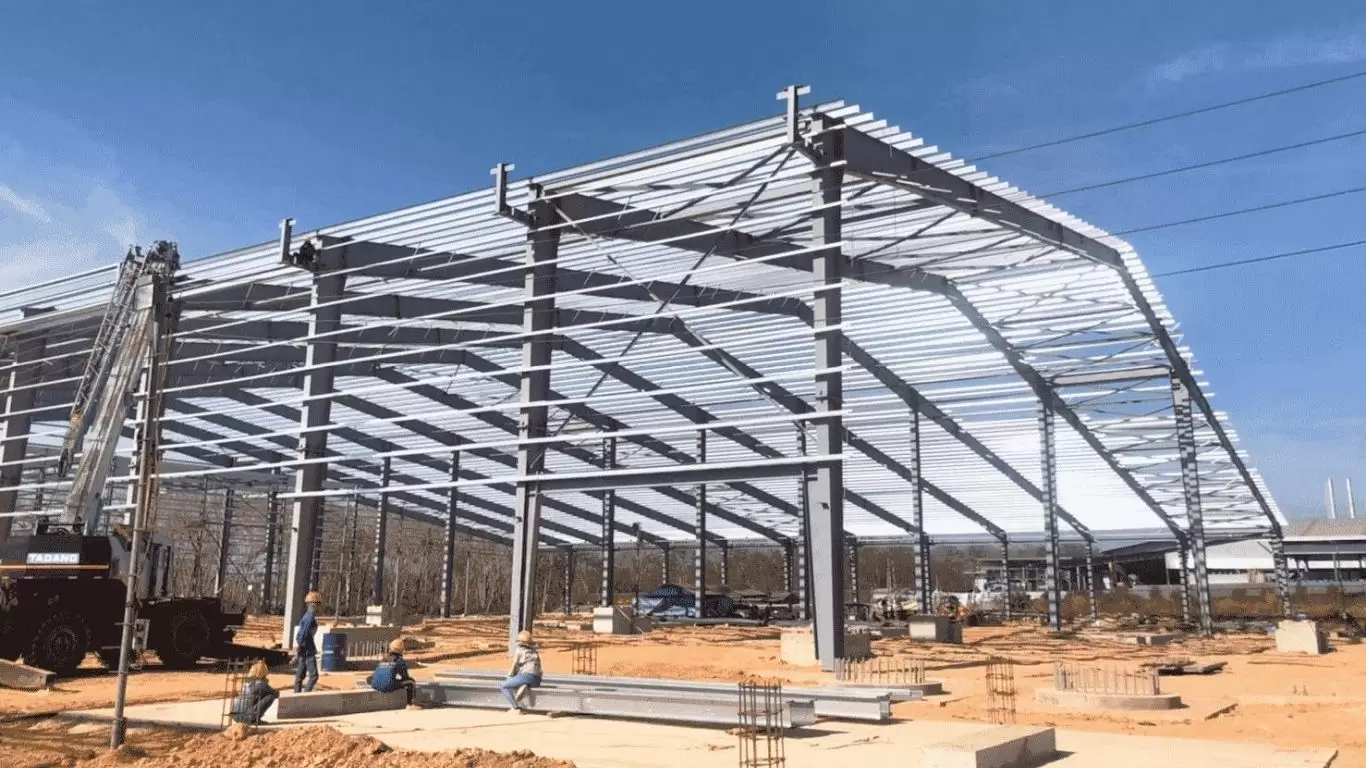
Steel trusses are commonly used in roof systems for large buildings such as warehouses and industrial plants. Trusses provide structural stability while allowing large open spaces inside the building.
Steel Frames
Steel frames form the skeleton of modern buildings. Fabricated frames allow efficient construction and provide flexibility in building design.
Platforms and Support Structures
Industrial facilities often require steel platforms, walkways, and support structures for machinery and operational equipment.
These fabricated components improve safety and operational efficiency in industrial environments.
5. Advantages of Structural Steel Fabrication
Structural steel offers several advantages compared to traditional construction materials.
High Strength and Durability
Steel structures provide excellent strength-to-weight ratios and can withstand heavy loads and environmental stresses.
Faster Construction
Prefabricated steel components can be manufactured off-site and assembled quickly on-site. This reduces construction time and helps projects meet tight schedules.
Large Clear Span Capability
Structural steel allows buildings to achieve large column-free spaces. This is especially beneficial for warehouses, factories, and logistics facilities.
Design Flexibility
Steel structures can be customized to meet various architectural and engineering requirements. Fabricated components can be adapted to different building sizes and layouts.
6. Applications of Structural Steel Fabrication in Malaysia
Structural steel fabrication supports a wide range of industries and construction projects.
Industrial Facilities
Manufacturing plants and industrial factories rely on structural steel frameworks to support production equipment and heavy machinery.
Warehouses and Logistics Centers
Steel structures are commonly used for warehouses and distribution centers due to their durability and large interior spaces.
Commercial Buildings
Structural steel is used in commercial developments such as office buildings, shopping centers, and mixed-use facilities.
Infrastructure Projects
Steel fabrication supports infrastructure such as bridges, transportation hubs, and industrial plants.
These projects require high-quality structural components that meet engineering and safety standards.
7. Choosing a Structural Steel Fabrication Company in Malaysia
Selecting the right fabrication partner is important for ensuring project success.
When choosing a structural steel fabricator in Malaysia, consider the following factors:
-
Engineering and design expertise
-
Fabrication facilities and equipment
-
Quality assurance and inspection processes
-
Experience with industrial-scale projects
-
Ability to deliver projects on schedule
A reliable steel fabrication partner should provide both engineering support and high-quality manufacturing capabilities.
8. Structural Steel Solutions for Industrial Projects
Modern industrial projects require advanced fabrication solutions capable of delivering complex structural components.
Professional fabrication companies support projects by providing:
-
Precision manufacturing
-
Engineering expertise
-
Quality inspection and testing
-
Efficient project delivery
These capabilities help ensure that structural steel components meet performance and safety requirements while supporting efficient construction.
9. Conclusion
Structural steel fabrication plays a vital role in Malaysia’s construction and industrial sectors. Fabricated steel components provide the strength, durability, and flexibility required for modern buildings and infrastructure projects.
As industrial development continues to expand across Malaysia, the demand for professional structural steel fabrication services will remain strong. Reliable fabrication solutions help ensure that construction projects are completed efficiently while maintaining high engineering standards.
10. FAQs
What is structural steel fabrication?
Structural steel fabrication is the process of manufacturing steel components such as beams, columns, and trusses that form the framework of buildings and industrial structures.
What industries use structural steel fabrication in Malaysia?
Industries that use structural steel fabrication include construction, manufacturing, logistics, infrastructure development, and energy production.
Why is structural steel commonly used in construction?
Structural steel is widely used because it provides high strength, durability, and flexibility in building design while allowing faster construction.
What are the main structural steel components?
Common structural steel components include beams, columns, trusses, frames, and support structures used in buildings and infrastructure projects.
OUR MALAYSIA OFFICE:
- Common Ground QS Sdn Bhd (1264516-U), Unit 39-02 (East Wing), Q Sentral, 2A Jalan Stesen Sentral 2, Kuala Lumpur Sentral, 50470 Kuala Lumpur, Malaysia.
View on Google Maps - Phone: (+60) 19 292 8712
- Mail: marketing@pebsteel.com.vn
- Website: https://my.pebsteel.com/en/
***Disclaimer: This article is intended to provide general information about the pre-engineered steel building and steel structure industry only. For further details or clarification based on your needs, please contact Pebsteel directly.