
Steel plays a fundamental role in modern construction, infrastructure, and industrial development. However, many people often confuse the terms steel fabrication and steel manufacturing, even though they refer to different processes within the steel industry.
Understanding the difference between steel fabrication vs steel manufacturing is important for engineers, project owners, and contractors when selecting the right solutions for construction or industrial projects.
This article explains how these processes differ, how they work together, and where each is used in the steel supply chain.
1. What Is Steel Manufacturing?
Steel manufacturing refers to the process of producing steel from raw materials such as iron ore, coal, or recycled scrap metal.
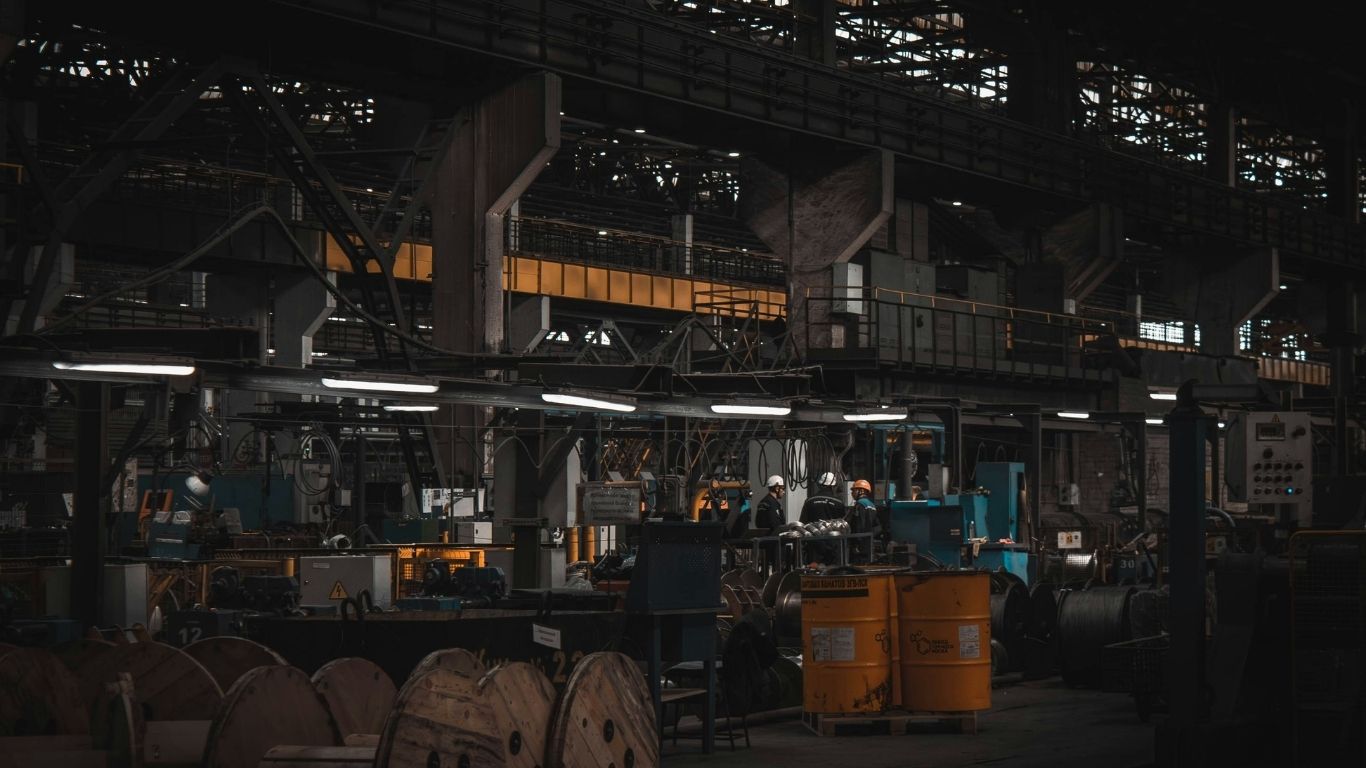
This process typically takes place in large steel mills and involves several industrial stages to convert raw materials into usable steel products.
Common steps in steel manufacturing include:
-
Raw material processing
-
Ironmaking in blast furnaces
-
Steelmaking in basic oxygen or electric arc furnaces
-
Casting steel into slabs, billets, or blooms
-
Rolling steel into finished products
The final output of steel manufacturing includes materials such as:
-
Steel plates
-
Steel coils
-
Steel bars
-
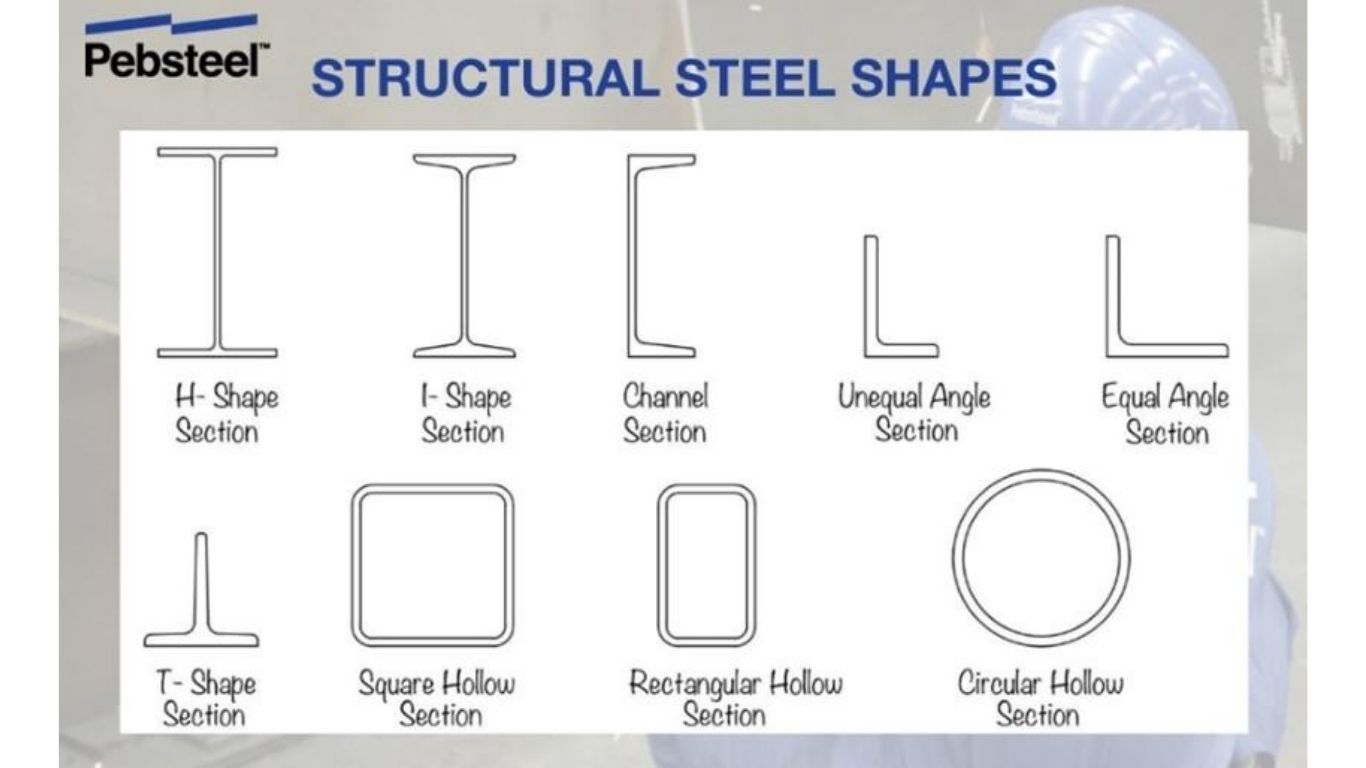
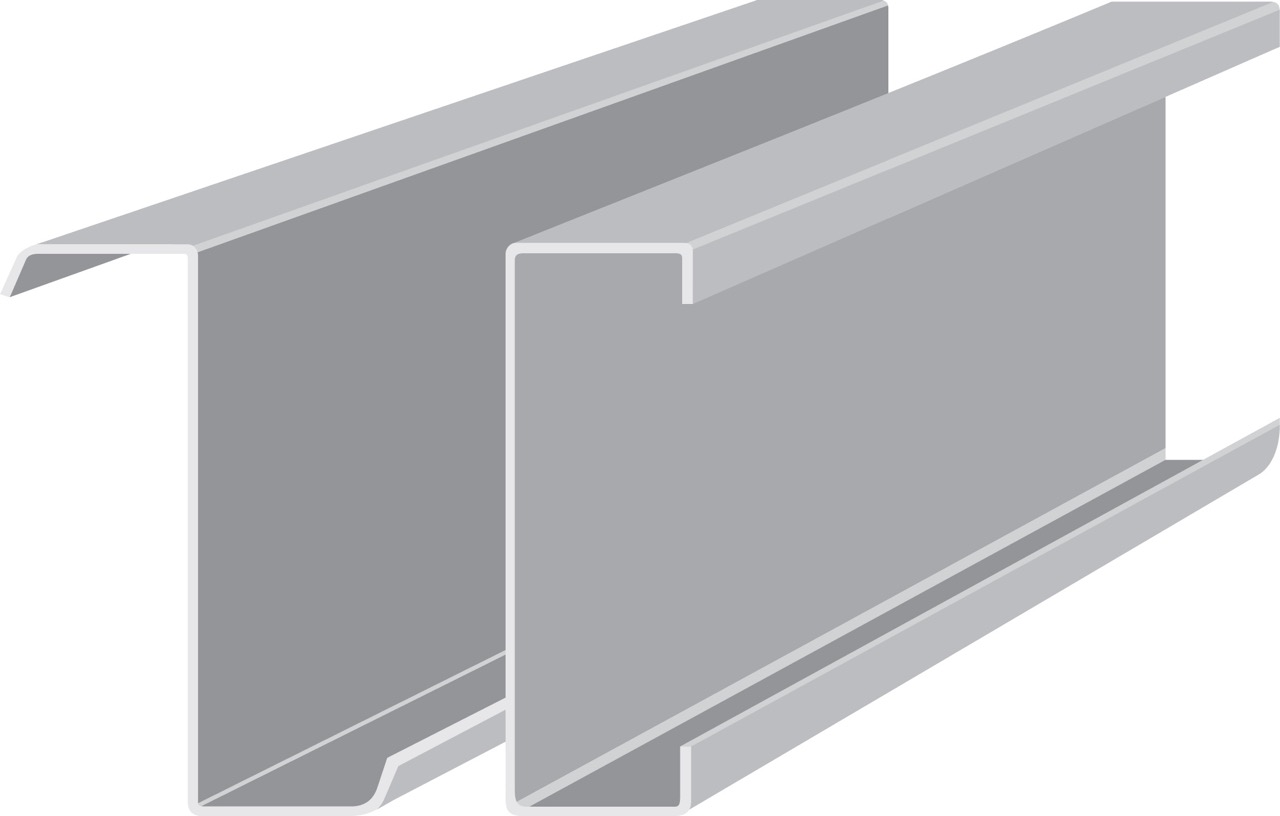
Structural steel sections
These products are then supplied to industries such as construction, automotive, and manufacturing.
2. What Is Steel Fabrication?
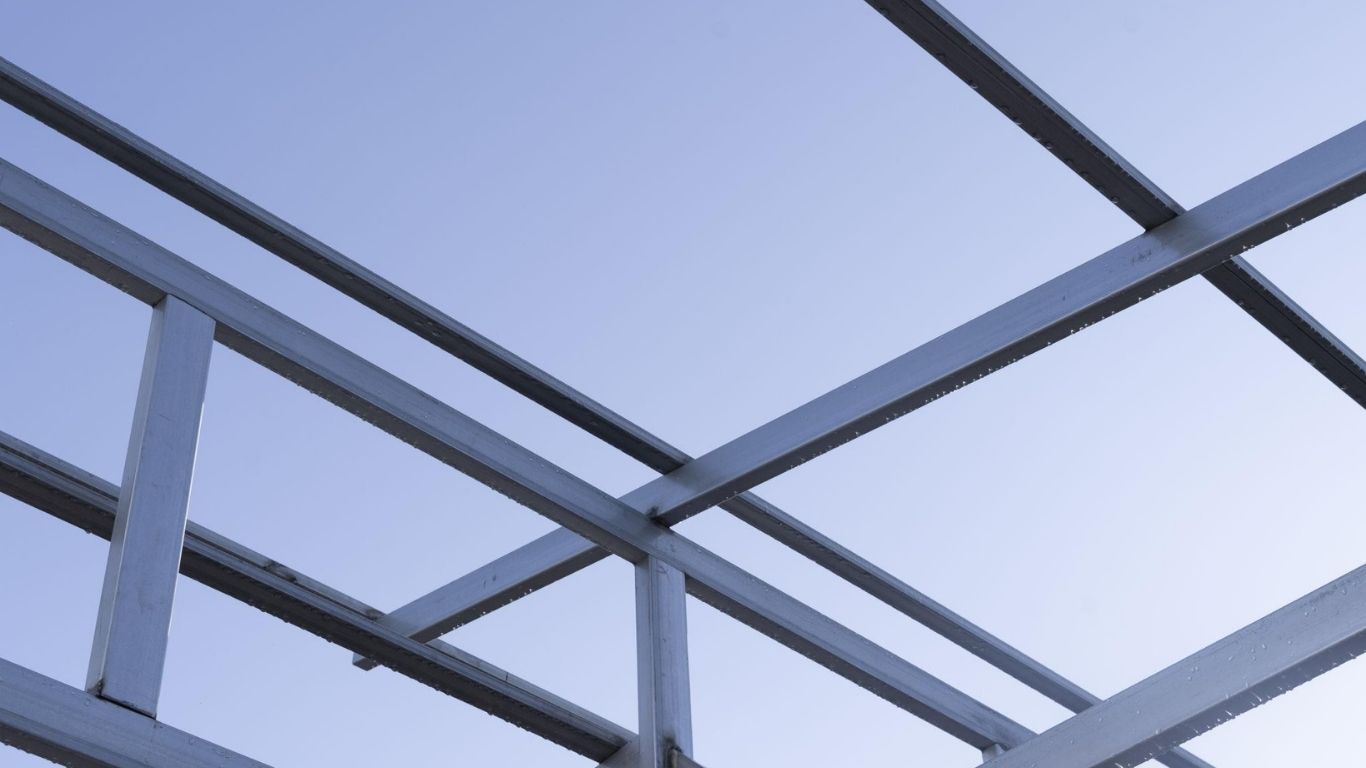
Steel fabrication is the process of transforming manufactured steel materials into specific components used in construction and industrial structures.
Fabrication companies receive steel materials from manufacturers and then cut, shape, weld, and assemble them into finished structural components.
Typical fabricated products include:
-
Steel beams
-
Columns
-
Trusses
-
Frames
-
Platforms
-
Industrial structures
Steel fabrication focuses on customizing steel products according to engineering designs and project requirements.
3. Key Differences Between Steel Fabrication and Steel Manufacturing
Although both processes are essential in the steel industry, they serve different roles in the supply chain.
| Aspect | Steel Manufacturing | Steel Fabrication |
|---|---|---|
| Purpose | Produce raw or semi-finished steel materials | Convert steel materials into structural components |
| Industry Stage | Early stage of steel production | Later stage in construction supply chain |
| Facilities | Steel mills and heavy industrial plants | Fabrication workshops and engineering facilities |
| Output | Steel plates, coils, bars, billets | Structural components such as beams, frames, and trusses |
| Customization | Limited customization | Highly customized for projects |
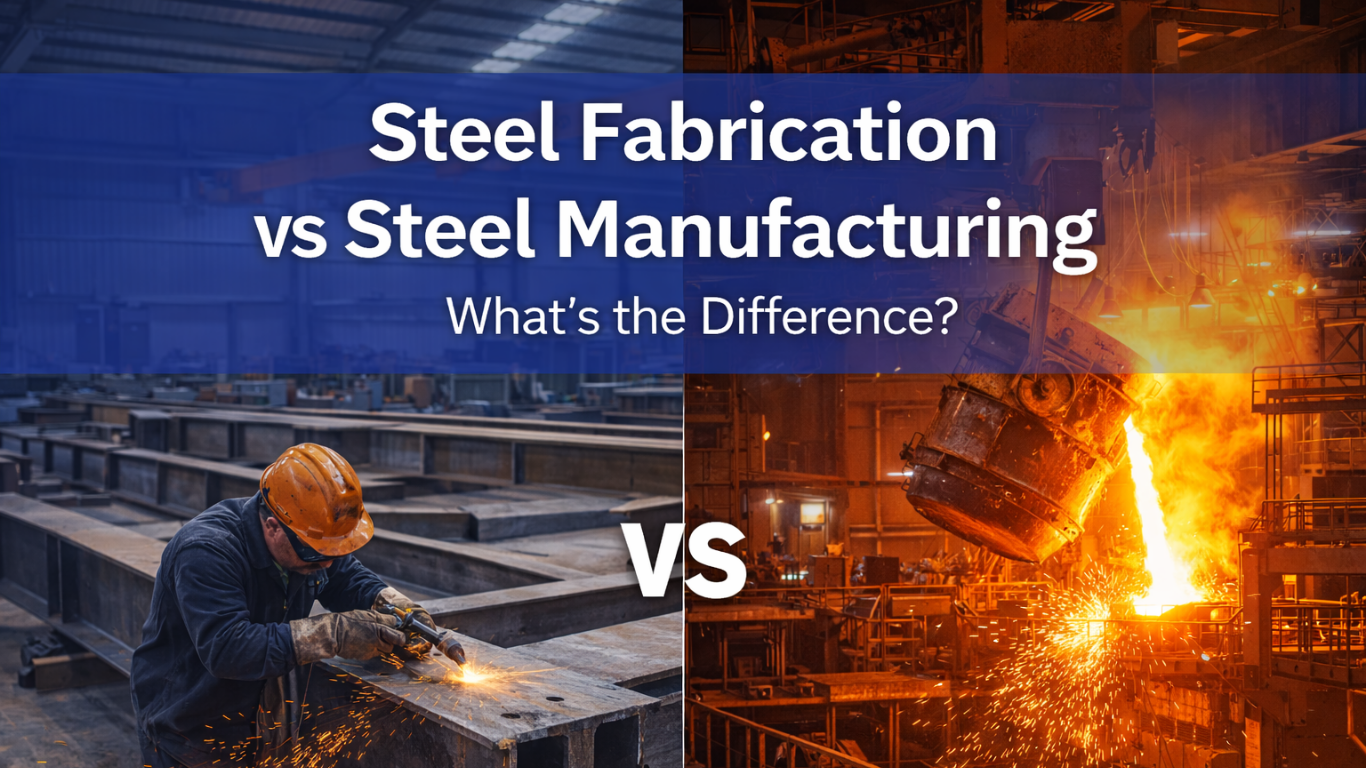
In simple terms, steel manufacturing produces the material, while steel fabrication turns that material into usable structures.
4. How Steel Manufacturing and Fabrication Work Together
Steel manufacturing and fabrication are closely connected processes within the construction supply chain.
The typical workflow looks like this:
-
Steel manufacturers produce steel materials.
-
Steel mills supply materials such as plates and structural sections.
-
Fabrication companies cut, weld, and assemble the materials.
-
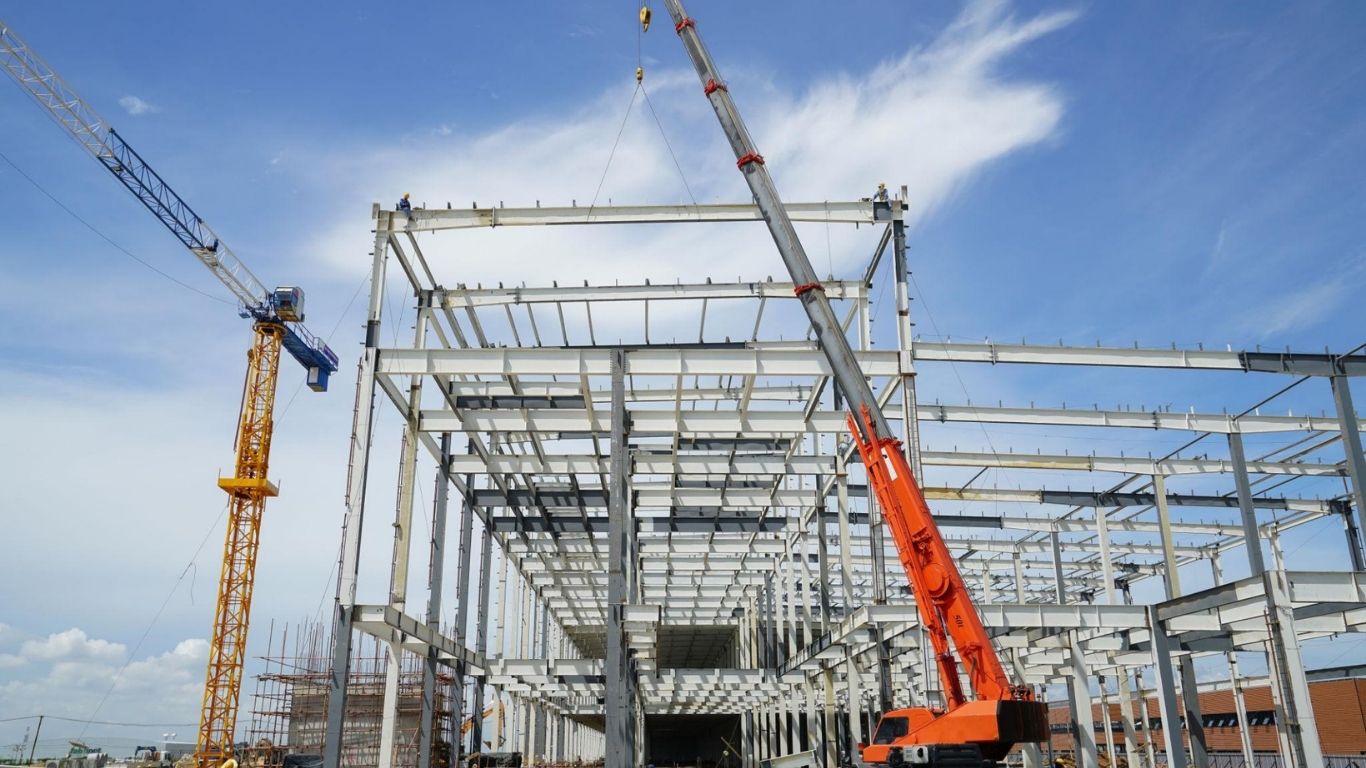
Fabricated components are delivered to construction sites.
-
Installation teams assemble the final structure.
Without fabrication, manufactured steel would remain in its raw form and could not be used effectively in construction projects.
5. Applications of Steel Fabrication and Manufacturing
Both processes support many industries around the world.
Construction Industry
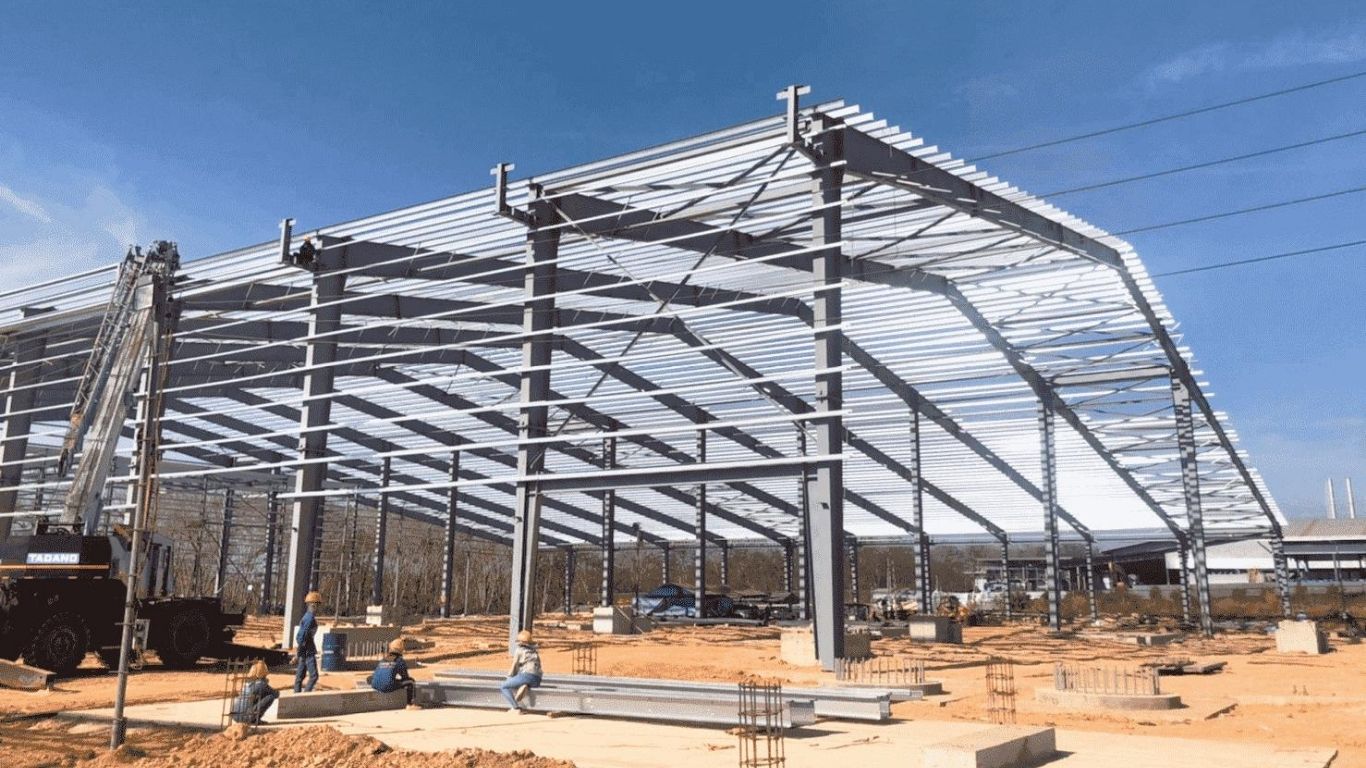
Structural steel frameworks used in buildings, bridges, and infrastructure rely heavily on fabricated steel components.
Industrial Facilities
Factories, warehouses, and logistics centers use fabricated steel structures to support machinery and operations.
Energy and Infrastructure
Power plants, oil and gas facilities, and transportation systems depend on steel materials and fabricated components.
Manufacturing and Machinery
Steel components are widely used in heavy machinery, equipment, and industrial systems.
6. Why Steel Fabrication Is Important for Construction Projects
While steel manufacturing provides the material, steel fabrication plays a critical role in making that material usable for construction.
Advantages of steel fabrication include:
Custom Engineering
Fabricated components are designed according to precise engineering requirements.
Faster Construction
Prefabricated steel parts can be manufactured off-site and assembled quickly during construction.
High Structural Strength
Fabricated steel structures provide excellent durability and load-bearing capacity.
Design Flexibility
Steel components can be customized to meet the needs of different architectural and industrial projects.
7. Choosing the Right Steel Fabrication Partner
For construction projects, selecting the right steel fabrication company is essential for ensuring quality and efficiency.
Important factors to consider include:
-
Engineering and design expertise
-
Fabrication equipment and technology
-
Quality control processes
-
Experience in industrial projects
-
Ability to meet project timelines
Reliable fabrication partners help ensure that structural steel components meet safety standards and project specifications.
8. Conclusion
Understanding the difference between steel fabrication vs steel manufacturing helps clarify how the steel industry supports modern construction and industrial development.
Steel manufacturing produces the raw materials used across industries, while steel fabrication transforms those materials into structural components used in buildings and infrastructure.
Both processes are essential for delivering durable, high-performance steel structures that support large-scale construction projects worldwide.
9. FAQs
What is the difference between steel fabrication and steel manufacturing?
Steel manufacturing produces steel materials from raw resources such as iron ore or scrap metal. Steel fabrication transforms those materials into structural components like beams, columns, and frames.
Is steel fabrication part of steel manufacturing?
Steel fabrication is typically considered a separate stage in the steel supply chain. Manufacturing produces the raw steel, while fabrication customizes it for construction and industrial applications.
What industries use steel fabrication?
Industries such as construction, infrastructure, logistics, manufacturing, and energy rely on steel fabrication for structural components and industrial equipment.
Why is steel fabrication important?
Steel fabrication is important because it allows steel materials to be transformed into precise structural components that can support buildings, industrial facilities, and infrastructure projects.
OUR MALAYSIA OFFICE:
- Common Ground QS Sdn Bhd (1264516-U), Unit 39-02 (East Wing), Q Sentral, 2A Jalan Stesen Sentral 2, Kuala Lumpur Sentral, 50470 Kuala Lumpur, Malaysia.
View on Google Maps - Phone: (+60) 19 292 8712
- Mail: marketing@pebsteel.com.vn
- Website: https://my.pebsteel.com/en/
Disclaimer: The content provided in this article is for reference purposes only. Technical specifications and design requirements may vary based on specific project conditions and local regulations.