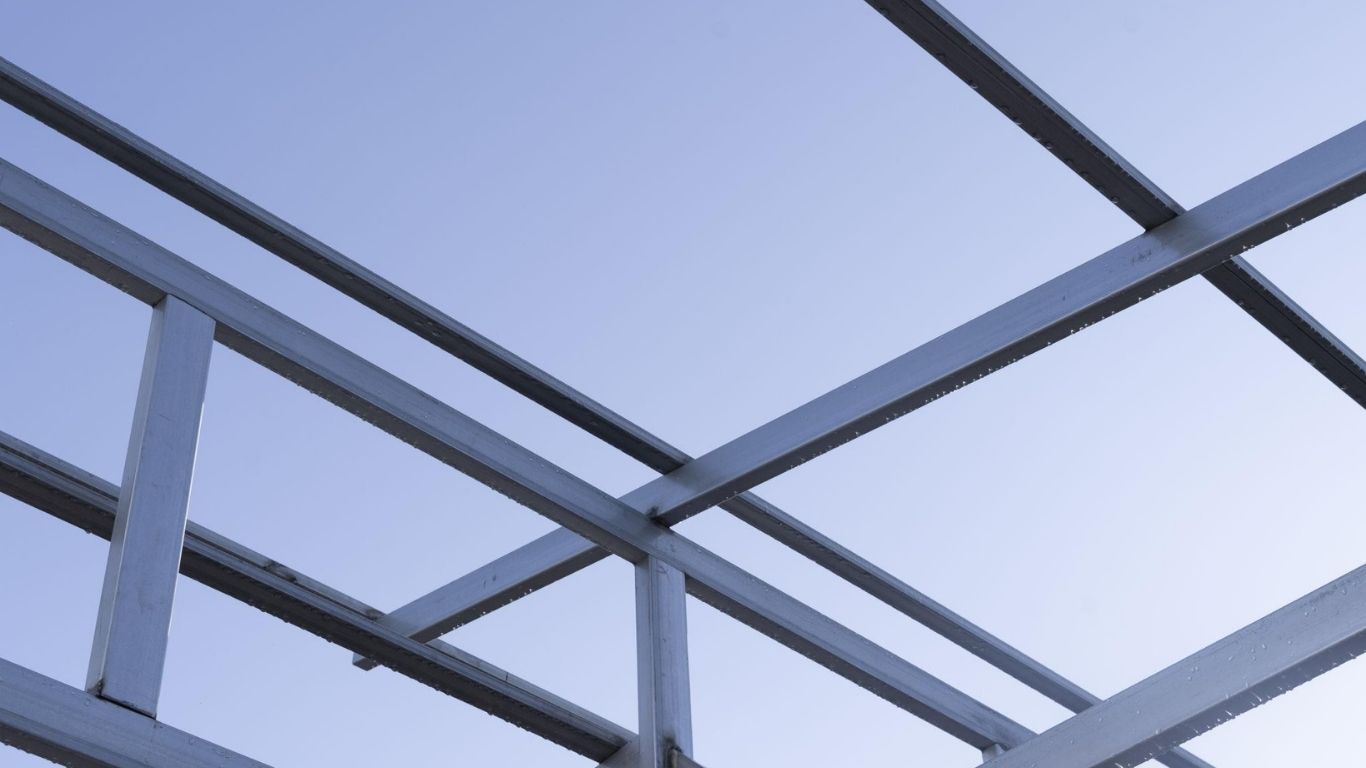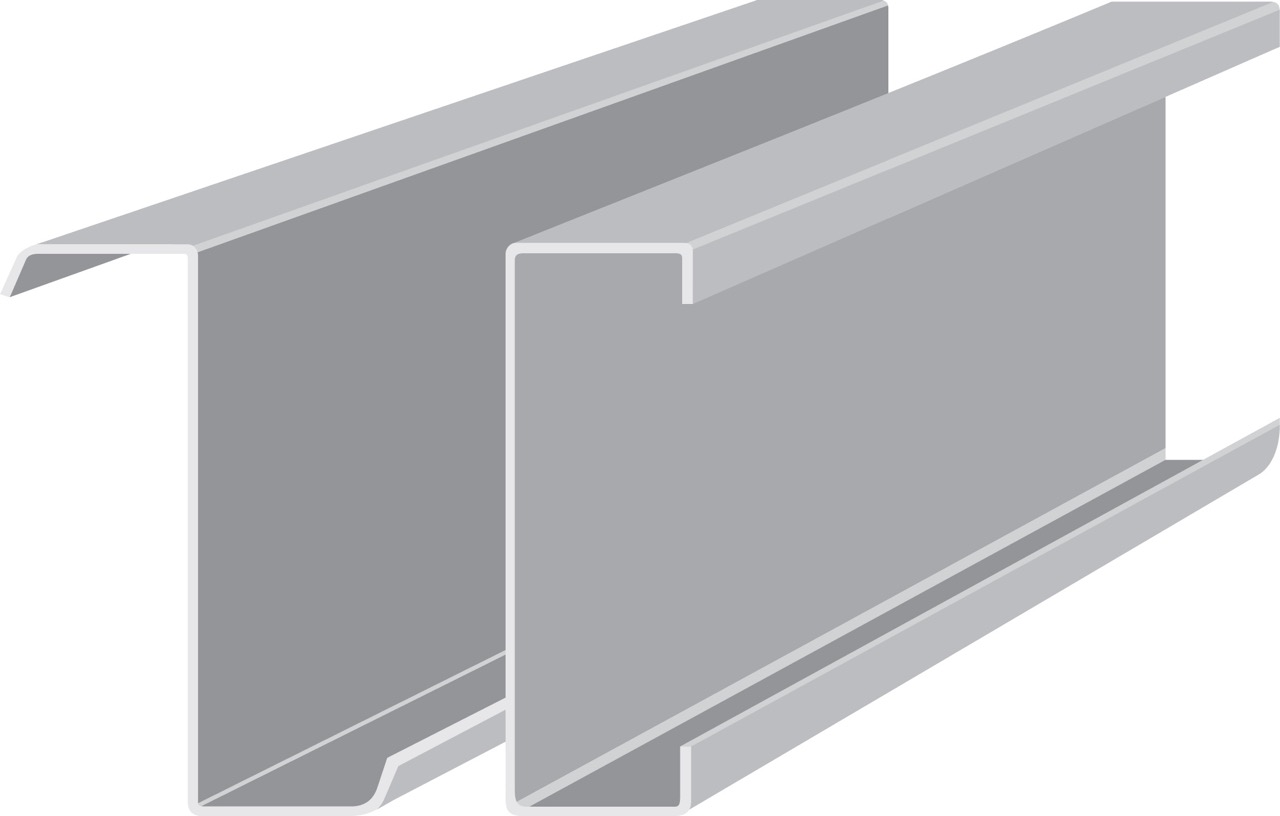

Steel fabrication is an essential process in modern construction and industrial manufacturing. From warehouses and factories to bridges and infrastructure projects, fabricated steel components form the backbone of many large structures.
Understanding the steel fabrication process helps engineers, contractors, and project owners ensure that steel components meet structural requirements, quality standards, and project timelines.
This guide explains the key stages of steel fabrication, the technologies involved, and how fabrication supports industrial and construction projects.
1. What Is Steel Fabrication?
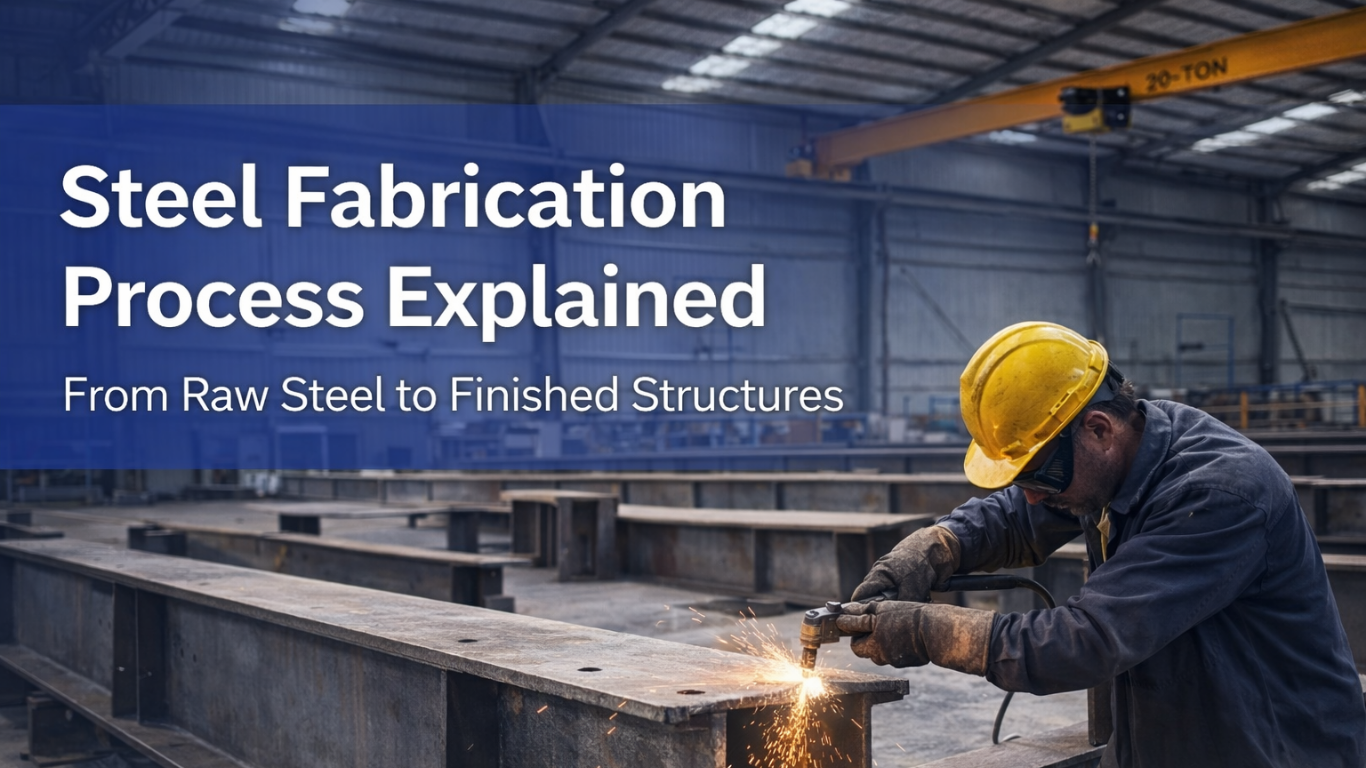
Steel fabrication is the process of transforming raw steel materials into structural components used in buildings, machinery, and industrial facilities.
Fabricators use specialized equipment and engineering techniques to cut, shape, weld, and assemble steel parts into finished components such as:
-
Steel beams
-
Columns
-
Trusses
-
Frames
-
Industrial platforms
These fabricated components are then transported to construction sites where they are installed as part of larger structures.
2. Why the Steel Fabrication Process Is Important
Steel fabrication ensures that structural components meet engineering specifications and safety standards. Precision fabrication is critical for ensuring that structures can support loads and operate safely over long periods.
Key benefits of professional steel fabrication include:
-
Accurate structural components
-
High strength and durability
-
Faster construction timelines
-
Reduced material waste
-
Improved structural reliability
Because of these advantages, steel fabrication is widely used in modern industrial construction.
3. Key Stages of the Steel Fabrication Process
The steel fabrication process involves several important steps to transform raw steel into finished structural components.
Engineering and Design
The first step in the steel fabrication process is engineering design. Structural engineers create technical drawings and specifications for each steel component.
Design considerations include:
-
Structural load requirements
-
Material specifications
-
Structural dimensions
-
Safety factors
Modern fabrication projects often use 3D modeling and Building Information Modeling (BIM) to ensure accurate design and coordination between engineers and fabricators.
Material Selection
Selecting the right type of steel is essential for structural performance.
Common materials used in steel fabrication include:
-
Carbon steel
-
Structural steel
-
Stainless steel
-
Alloy steel
The choice of material depends on factors such as load requirements, environmental conditions, and corrosion resistance.
Cutting Steel Components
After materials are selected, steel plates and structural sections are cut into specific shapes and dimensions.
Common cutting methods include:
-
CNC cutting
-
Laser cutting
-
Plasma cutting
-
Saw cutting
Advanced cutting technologies ensure precise fabrication and reduce production errors.
Forming and Bending
Some steel components must be bent or formed to achieve the required shape. Fabricators use specialized machines such as press brakes and rolling equipment to shape steel without compromising its structural integrity.
This step is often required for curved structures, frames, and customized components.
Welding and Assembly
Welding is one of the most important stages of steel fabrication.
Fabricators use welding techniques to join steel components together and create structural assemblies such as:
-
Beams
-
Columns
-
Trusses
-
Frames
High-quality welding ensures that fabricated components can safely support structural loads.
Surface Treatment
Steel components are often treated to improve durability and corrosion resistance.
Common surface treatments include:
-
Sandblasting
-
Galvanization
-
Protective coatings
-
Industrial painting
These treatments protect steel from environmental damage and extend the lifespan of structures.
Quality Inspection
Before delivery, fabricated steel components undergo strict quality inspection to ensure they meet engineering specifications.
Inspection processes may include:
-
Dimensional checks
-
Welding inspection
-
Material testing
-
Structural verification
Quality control ensures that fabricated components perform reliably in construction projects.
Delivery and Installation
After fabrication and inspection are complete, steel components are transported to the construction site.
Installation teams assemble the components according to engineering plans to form the final structure.
Because fabricated steel components are manufactured with precision, on-site installation is typically faster and more efficient.
4. Applications of Steel Fabrication
Steel fabrication supports a wide range of industries and construction projects.
Common applications include:
Industrial Buildings
Factories and manufacturing plants rely on steel structures for strength and durability.
Warehouses and Logistics Facilities
Steel allows warehouses to achieve large clear-span interiors that maximize storage capacity.
Commercial Buildings
Office buildings, retail centers, and mixed-use developments often use steel structural frameworks.
Infrastructure Projects
Steel fabrication is widely used in bridges, transportation systems, and energy facilities.
5. Advantages of Modern Steel Fabrication
Advances in fabrication technology have significantly improved efficiency and precision in steel manufacturing.
Benefits include:
Precision Engineering
Modern fabrication equipment ensures accurate dimensions and consistent component quality.
Faster Construction
Prefabricated steel components can be manufactured off-site and quickly assembled on-site.
Reduced Waste
Automated cutting and fabrication processes reduce material waste and improve efficiency.
Custom Structural Solutions
Steel fabrication allows engineers to design customized structures tailored to specific project requirements.
6. Conclusion
The steel fabrication process is essential for producing strong and reliable structural components used in modern construction and industrial projects.
From engineering design and cutting to welding and quality inspection, each stage of the fabrication process ensures that steel structures meet safety standards and performance requirements.
As construction and industrial development continue to grow worldwide, steel fabrication will remain a critical part of building durable and efficient structures.
7. FAQs
What is the steel fabrication process?
The steel fabrication process involves cutting, shaping, welding, and assembling steel materials to create structural components used in buildings, industrial facilities, and infrastructure projects.
What are the main steps in steel fabrication?
The main steps include engineering design, material selection, cutting, forming, welding, surface treatment, quality inspection, and installation.
What industries use steel fabrication?
Industries such as construction, manufacturing, logistics, infrastructure development, and energy rely on steel fabrication for structural components and industrial equipment.
Why is welding important in steel fabrication?
Welding joins steel components together to form structural assemblies. Proper welding ensures the strength, durability, and safety of fabricated steel structures.
OUR MALAYSIA OFFICE:
- Common Ground QS Sdn Bhd (1264516-U), Unit 39-02 (East Wing), Q Sentral, 2A Jalan Stesen Sentral 2, Kuala Lumpur Sentral, 50470 Kuala Lumpur, Malaysia.
View on Google Maps - Phone: (+60) 19 292 8712
- Mail: marketing@pebsteel.com.vn
- Website: https://my.pebsteel.com/en/
Disclaimer: The content provided in this article is for reference purposes only. Technical specifications and design requirements may vary based on specific project conditions and local regulations.