
Structural steel plays a crucial role in Malaysia’s modern construction sector, especially for industrial buildings, warehouses, factories, and pre-engineered buildings (PEB). To ensure safety, durability, and compliance with engineering best practices, Malaysia applies a series of Malaysian Steel Standards (MS Standards) along with internationally recognized codes such as Eurocodes and ISO standards.
For developers, engineers, and contractors involved in steel construction projects, understanding these standards is essential for design approval, structural safety, and regulatory compliance.
This guide explains the key Malaysian steel standards, structural steel design codes, fabrication requirements, and compliance practices used in Malaysia’s construction industry.
1. Overview of Steel Standards in Malaysia
Steel standards in Malaysia are governed through a combination of national standards and international engineering codes. These standards regulate how steel structures are designed, fabricated, inspected, and installed.
The Malaysian regulatory framework is supported by several major organizations:
-
SIRIM Berhad – Malaysia’s national standards body responsible for developing Malaysian Standards (MS).
-
CIDB Malaysia – The Construction Industry Development Board that regulates construction practices.
-
Department of Standards Malaysia – Government authority overseeing national standards development.
Malaysia largely adopts Eurocodes through Malaysian Standard adaptations (MS EN). This approach allows the country to align with globally recognized engineering standards while maintaining local compliance requirements.
Because of this hybrid system, structural steel design in Malaysia typically follows Eurocode principles adapted into Malaysian Standards, especially for structural analysis and load calculations.
2. Key Malaysian Standards for Structural Steel
Several Malaysian standards are commonly applied in steel building projects. These codes define the requirements for structural design, fabrication quality, materials, and safety performance.
MS EN 1993 – Structural Steel Design (Eurocode 3)
MS EN 1993 is the Malaysian adoption of Eurocode 3, which governs the design of steel structures.
It provides engineering rules for:
-
Load-bearing capacity of steel members
-
Structural stability and buckling resistance
-
Connection design for bolts and welds
-
Structural analysis methods
Engineers use this standard when designing:
-
Steel frames
-
Industrial buildings
-
Bridges
-
Steel warehouses
-
Commercial steel structures
Eurocode-based design ensures that steel structures can withstand dead loads, live loads, wind loads, and environmental factors throughout the building lifecycle.
MS EN 1090 – Steel Structure Fabrication
MS EN 1090 regulates fabrication and execution of steel structures.
It specifies requirements for:
-
Steel fabrication processes
-
Welding procedures
-
Quality control and inspection
-
Structural component manufacturing
Steel fabricators must demonstrate compliance with this standard to ensure that fabricated structural components meet required mechanical strength and safety specifications.
This standard is especially important for pre-engineered building manufacturers and structural steel fabricators.
MS 544 – Structural Steel Sections
MS 544 defines specifications for structural steel sections used in construction.
It includes requirements for:
-
Steel beam sections
-
Columns and structural members
-
Dimensional tolerances
-
Mechanical properties
Steel sections used in industrial buildings must comply with these specifications to ensure structural reliability and compatibility with engineering designs.
MS ISO 898 – Fasteners and Bolts
Structural connections rely heavily on high-strength bolts and fasteners.
MS ISO 898 defines:
-
Mechanical properties of bolts
-
Strength classifications
-
Testing methods for fasteners
Proper bolt selection is essential for steel connections, structural joints, and load transfer systems.
3. Structural Steel Material Standards in Malaysia
Structural steel used in Malaysia must meet specific material grade and mechanical property requirements.
The most common grades used in Malaysian construction include:
S275 Structural Steel
S275 is widely used for general structural applications.
Key properties include:
-
Minimum yield strength of 275 MPa
-
Good weldability
-
Suitable for steel beams, columns, and steel frames
It is commonly used in medium-scale steel buildings and warehouses.
S355 Structural Steel
S355 steel offers higher strength and is commonly used in large industrial buildings.
Key benefits:
-
Higher yield strength (355 MPa)
-
Improved structural performance
-
Suitable for long-span structures
This grade is often used in heavy industrial facilities and large steel warehouses.
Steel Plates and Structural Sections
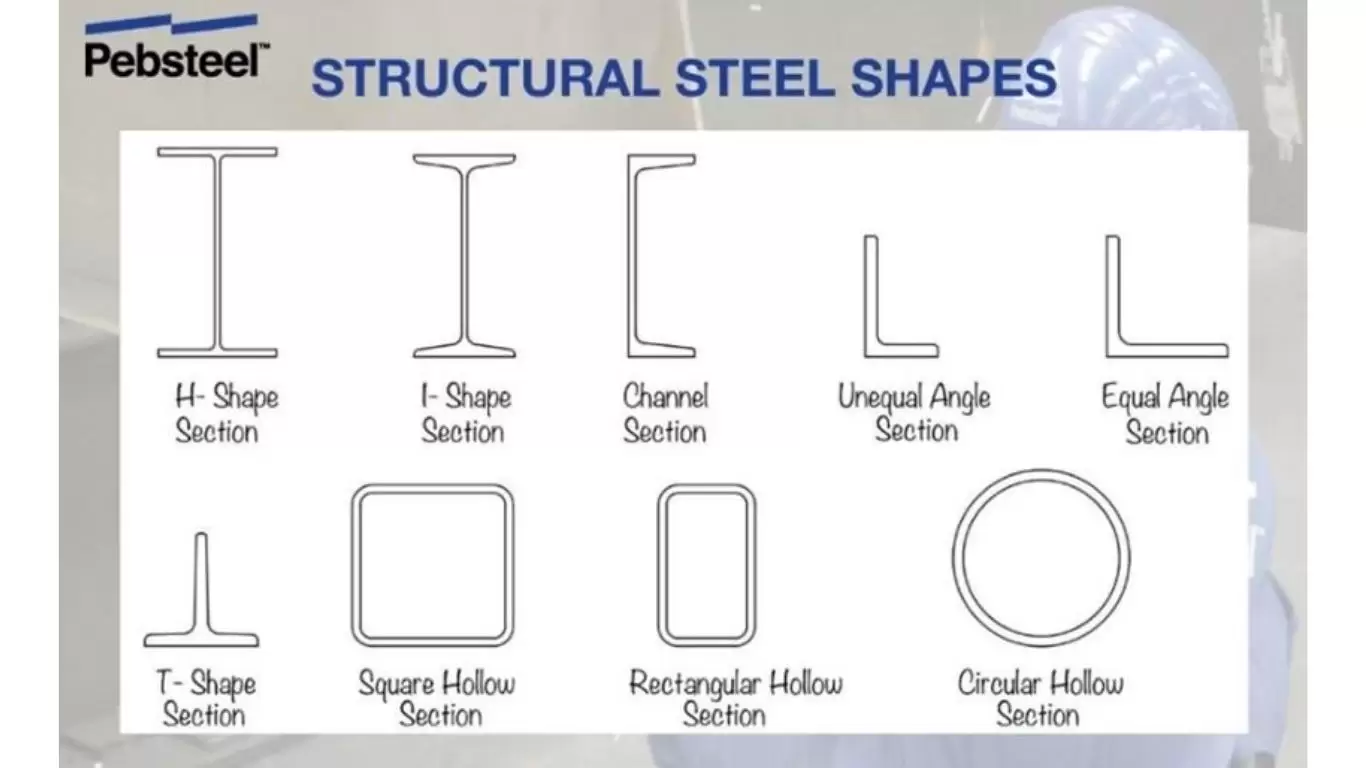
Other steel components include:
-
Hot rolled steel plates
-
I-beams and H-beams
-
Hollow structural sections
-
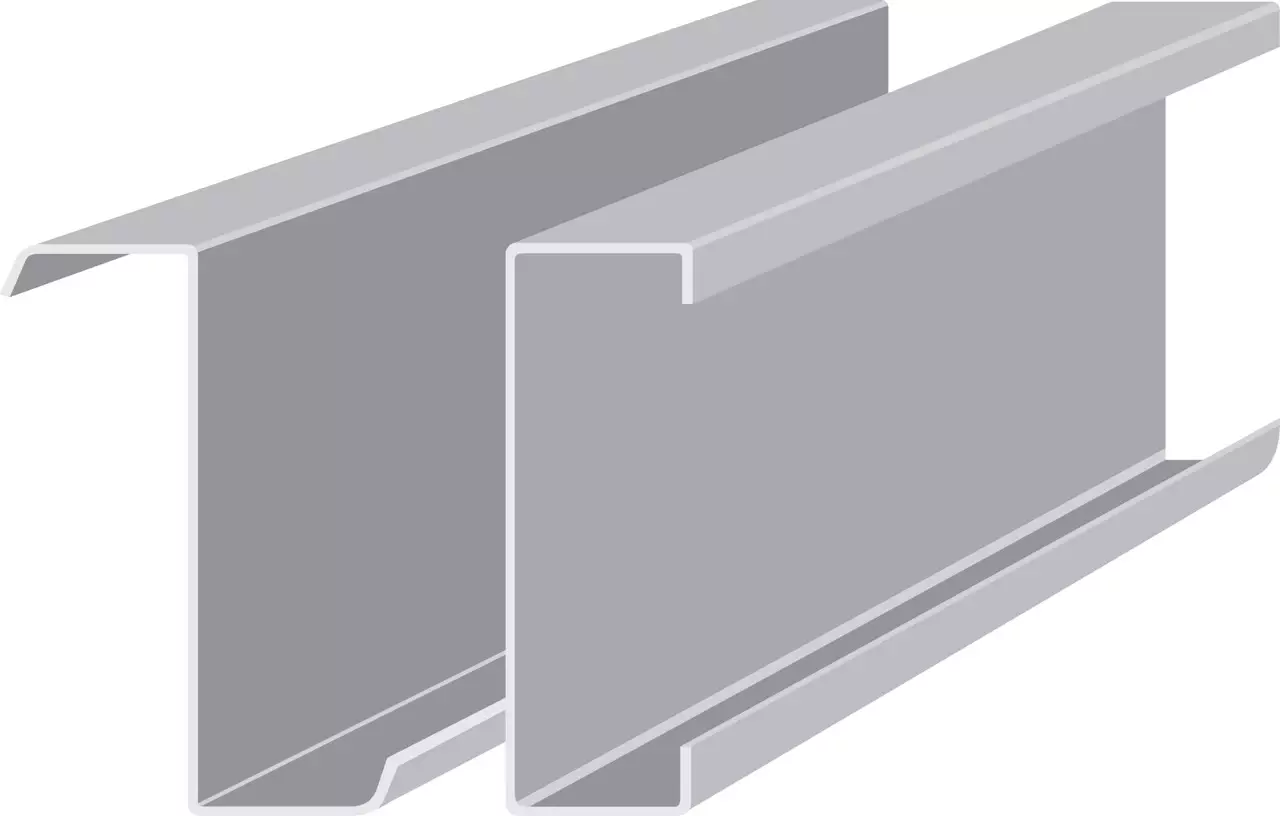
Cold-formed steel members
Material selection depends on load requirements, building size, and structural engineering design.
4. Steel Fabrication and Welding Standards
Steel fabrication is a critical phase in structural steel construction. Proper fabrication ensures that structural components perform as intended once assembled on site.
Fabrication standards in Malaysia typically cover:
-
Welding procedures
-
Cutting and forming methods
-
Dimensional tolerances
-
Corrosion protection systems
Welding Standards
Welding quality is regulated using internationally recognized standards.
Typical requirements include:
-
Certified welders
-
Approved welding procedures
-
Non-destructive testing (NDT)
-
Inspection of welded joints
High-quality welding ensures structural integrity and long-term durability of steel buildings.
Corrosion Protection and Coating
Steel structures exposed to outdoor environments must be protected from corrosion.
Common protective systems include:
-
Hot-dip galvanizing
-
Epoxy coatings
-
Polyurethane protective paint systems
These coatings extend the service life of steel structures, especially in tropical and coastal environments like Malaysia.
5. Compliance Requirements for Steel Buildings in Malaysia
Steel building projects must comply with several regulatory procedures before construction can begin.
Typical compliance steps include:
-
Structural engineering design approval
-
Submission of engineering drawings
-
Compliance verification with Malaysian Standards
-
Construction approval by local authorities
Structural calculations must demonstrate that the building meets design load requirements and safety factors specified in the applicable codes.
Engineering consultants play an important role in ensuring that structural designs follow all relevant standards.
6. Applications of Steel Standards in Industrial Buildings
Malaysian steel standards are commonly applied in a wide range of building types.
Industrial Warehouses
Steel warehouses are widely used in logistics, manufacturing, and distribution industries.
Steel standards ensure:
-
Structural stability for large spans
-
Efficient material usage
-
Safe load-bearing capacity
Pre-Engineered Buildings (PEB)
Pre-engineered steel buildings are increasingly popular in Malaysia because they offer:
-
Faster construction timelines
-
Optimized steel usage
-
Cost-efficient structural systems
PEB systems must still comply with Malaysian structural steel standards to ensure safety and regulatory approval.
Commercial and Industrial Facilities
Steel structures are also widely used in:
-
Factories
-
Aircraft hangars
-
Logistics hubs
-
Industrial workshops
Standardized design practices ensure consistent structural performance across these building types.
More about Pebsteel’s steel trusses guide for Industrial building projects.
7. Why Steel Standards Matter in Construction Projects
Steel standards play a crucial role in ensuring safe and reliable construction.
Structural Safety
Standards ensure that buildings can withstand loads such as:
-
Wind pressure
-
Seismic activity
-
Equipment loads
-
Environmental stress
Without proper standards, structural failures could occur under extreme conditions.
Design Efficiency
Engineering codes help optimize steel usage, allowing designers to create structures that are:
-
Lighter
-
Stronger
-
More cost-effective
This efficiency is particularly important in large industrial projects.
Regulatory Approval
Compliance with recognized standards is required to obtain construction permits and approvals.
Projects that fail to meet standards may face delays, redesign requirements, or regulatory penalties.
8. Choosing a Structural Steel Supplier in Malaysia
Selecting the right steel contractor or steel fabricator is critical for project success.
Key factors to consider include:
Engineering Expertise
Experienced structural engineers can design steel systems that comply with Malaysian standards and international codes.
Certified Fabrication Facilities
Fabricators should have:
-
Certified welding processes
-
Quality inspection procedures
-
Modern fabrication equipment
These capabilities ensure structural components meet required specifications.
Experience with Industrial Projects
Companies with experience in industrial steel buildings and PEB structures are better equipped to handle large-scale construction projects.
9. Future Trends in Malaysian Steel Construction
Malaysia’s steel construction industry continues to evolve as technology and engineering practices improve.
Emerging trends include:
-
Increased adoption of pre-engineered buildings
-
Advanced 3D structural modeling (BIM)
-
Improved fabrication automation
-
Greater use of high-strength steel materials
These innovations allow construction companies to deliver faster, safer, and more cost-efficient steel structures.
10. Frequently Asked Questions
What steel standards are used in Malaysia?
Malaysia primarily uses Malaysian Standards (MS) along with adapted Eurocodes such as MS EN 1993 for structural steel design. These standards regulate steel structure design, fabrication, and construction practices.
Who regulates steel standards in Malaysia?
Steel standards are developed and managed by SIRIM and the Department of Standards Malaysia, while construction compliance is overseen by CIDB Malaysia.
Is Eurocode used in Malaysia?
Yes. Malaysia adopts Eurocodes through Malaysian Standard adaptations (MS EN), especially for structural design of steel buildings.
What is the most common structural steel grade used in Malaysia?
Common grades include S275 and S355 structural steel, which are widely used for industrial buildings, warehouses, and steel frame structures.
11. Conclusion
Malaysian steel standards provide the foundation for safe, reliable, and efficient structural steel construction. By combining national standards with internationally recognized engineering codes, Malaysia ensures that steel buildings meet strict performance and safety requirements.
For developers, contractors, and engineers working on industrial or commercial projects, understanding these standards is essential for design accuracy, regulatory approval, and long-term structural durability.
As demand for industrial infrastructure continues to grow, adherence to Malaysian steel standards will remain a key factor in delivering high-quality steel buildings and structural systems.
OUR MALAYSIA OFFICE:
- Common Ground QS Sdn Bhd (1264516-U), Unit 39-02 (East Wing), Q Sentral, 2A Jalan Stesen Sentral 2, Kuala Lumpur Sentral, 50470 Kuala Lumpur, Malaysia.
View on Google Maps - Phone: (+60) 19 292 8712
- Mail: marketing@pebsteel.com.vn
- Website: https://my.pebsteel.com/en/
***Disclaimer: This article is intended to provide general information about the pre-engineered steel building and steel structure industry only. For further details or clarification based on your needs, please contact Pebsteel directly.