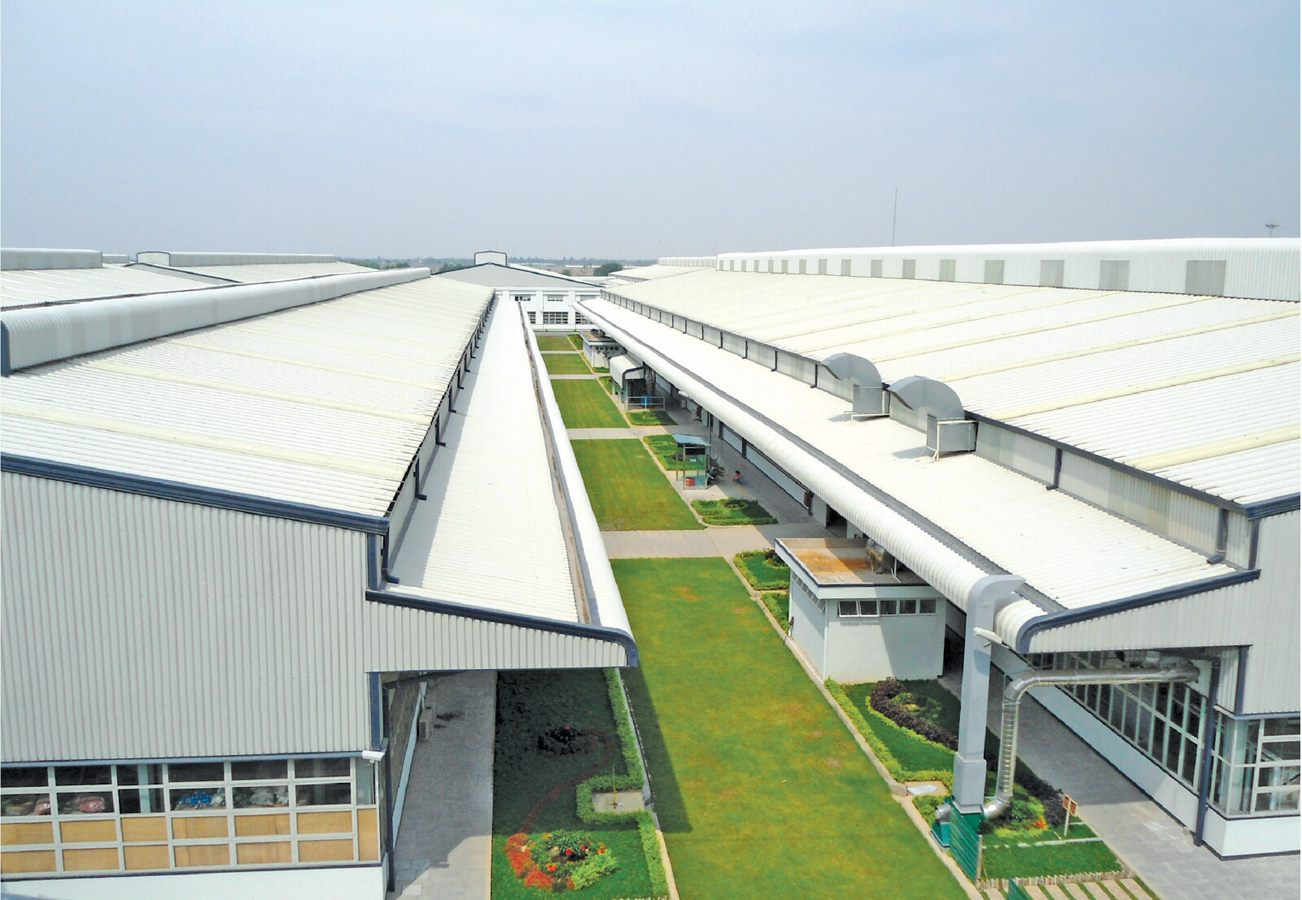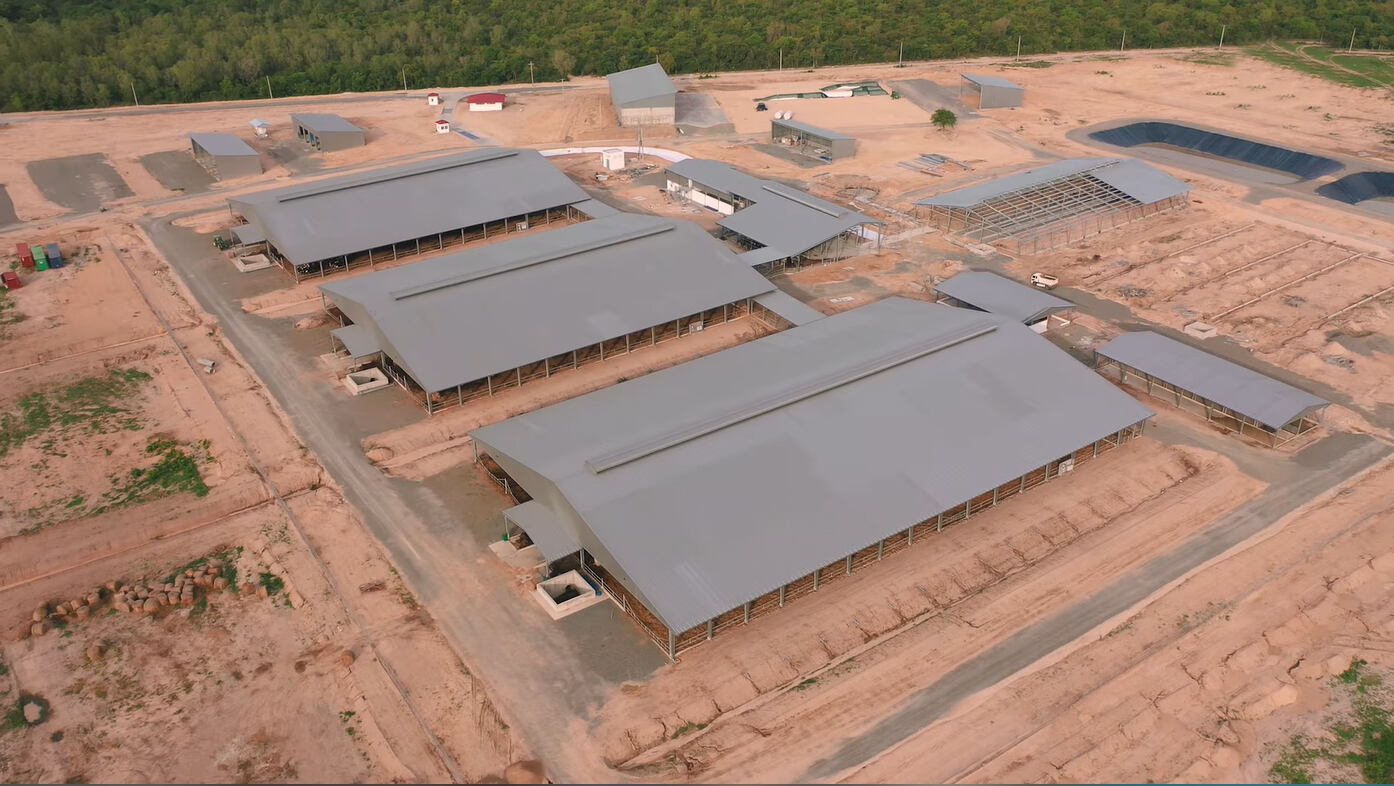

Proper hay shed ventilation is essential for maintaining the quality of stored hay. Poor airflow can lead to moisture buildup, mold growth, and feed deterioration.
A well-designed hay storage shed includes ventilation systems that allow air circulation while protecting hay from rain.
1. Why Ventilation Matters
Hay naturally releases moisture after harvesting. Without proper airflow, this moisture can accumulate inside the shed.
This can cause:
-
Mold growth
-
Reduced feed quality
-
Fire hazards due to heat buildup
2. Ventilation Methods for Hay Sheds
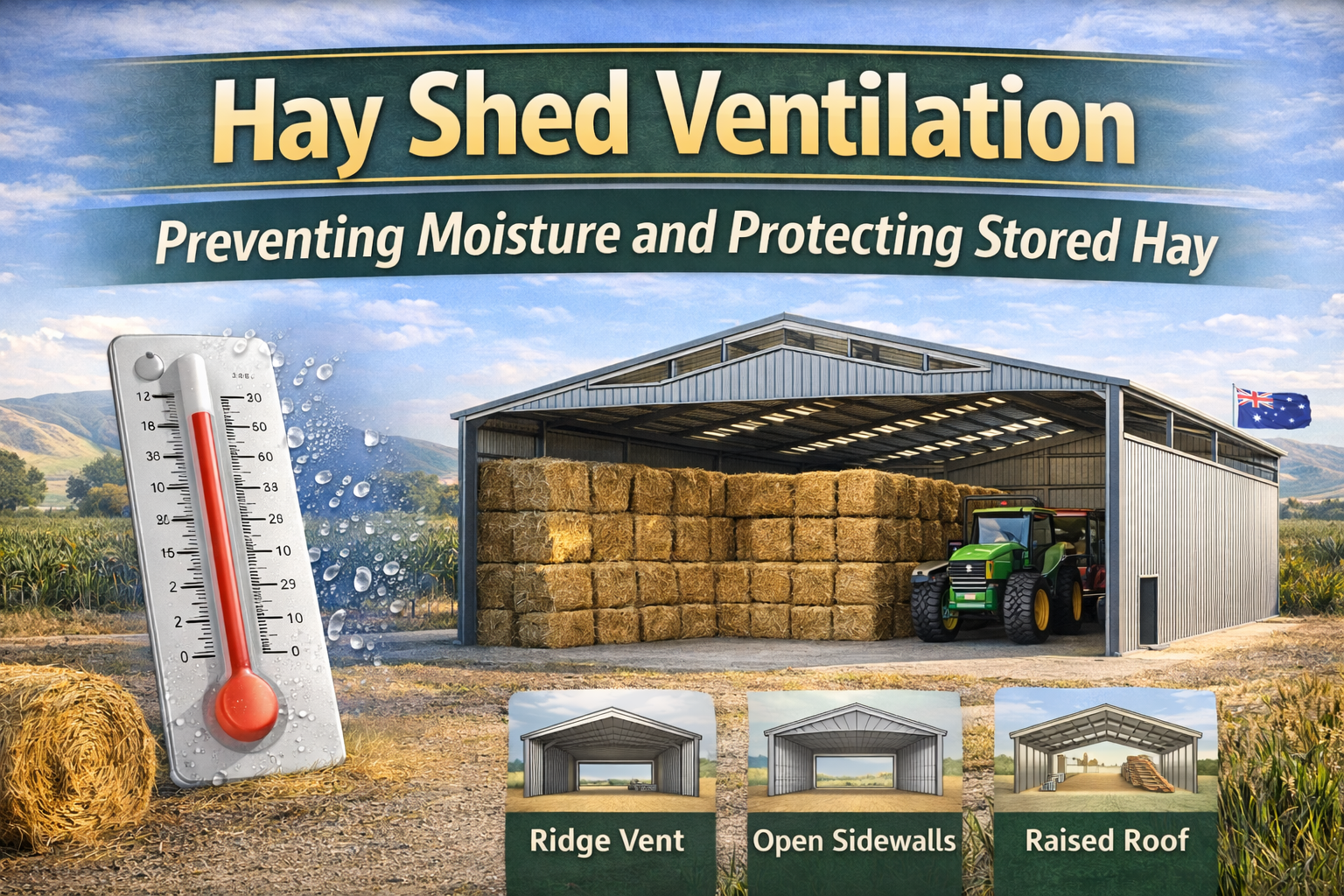
Ridge Ventilation
Ridge vents allow warm air to escape through the roof ridge.
This is one of the most effective ventilation systems for hay sheds.
Wall Openings
Open sidewalls or louvers allow fresh air to enter the building.
This creates natural airflow across the farm shed.
Raised Roof Design
Raised or monitor roofs improve ventilation by allowing hot air to rise and exit the structure.
3. Recommended Hay Shed Design
Typical hay shed features include:
| Feature | Benefit |
|---|---|
| High roof clearance | Improved airflow |
| Open sidewalls | Natural ventilation |
| Large storage bays | Efficient stacking |
4. Conclusion
Effective hay shed ventilation helps preserve hay quality and reduce storage losses. By incorporating proper airflow design, farmers can ensure long-term protection for stored feed.
5. FAQs
Why is ventilation important in a hay shed?
Ventilation prevents moisture buildup and mold growth, helping maintain hay quality.
What is the best ventilation for hay storage?
Ridge vents combined with open sidewalls provide effective airflow in most hay sheds.
If you have questions that need to be answered, please contact us at the following email: marketing@pebsteel.com.vn
Disclaimer: The content provided in this article is for reference purposes only. Technical specifications and design requirements may vary based on specific project conditions and local regulations.