
A grain shed is a specialized agricultural building designed to protect harvested crops from weather, moisture, pests, and temperature fluctuations. In modern farming operations, proper grain storage is critical to maintaining crop quality and minimizing post-harvest losses.
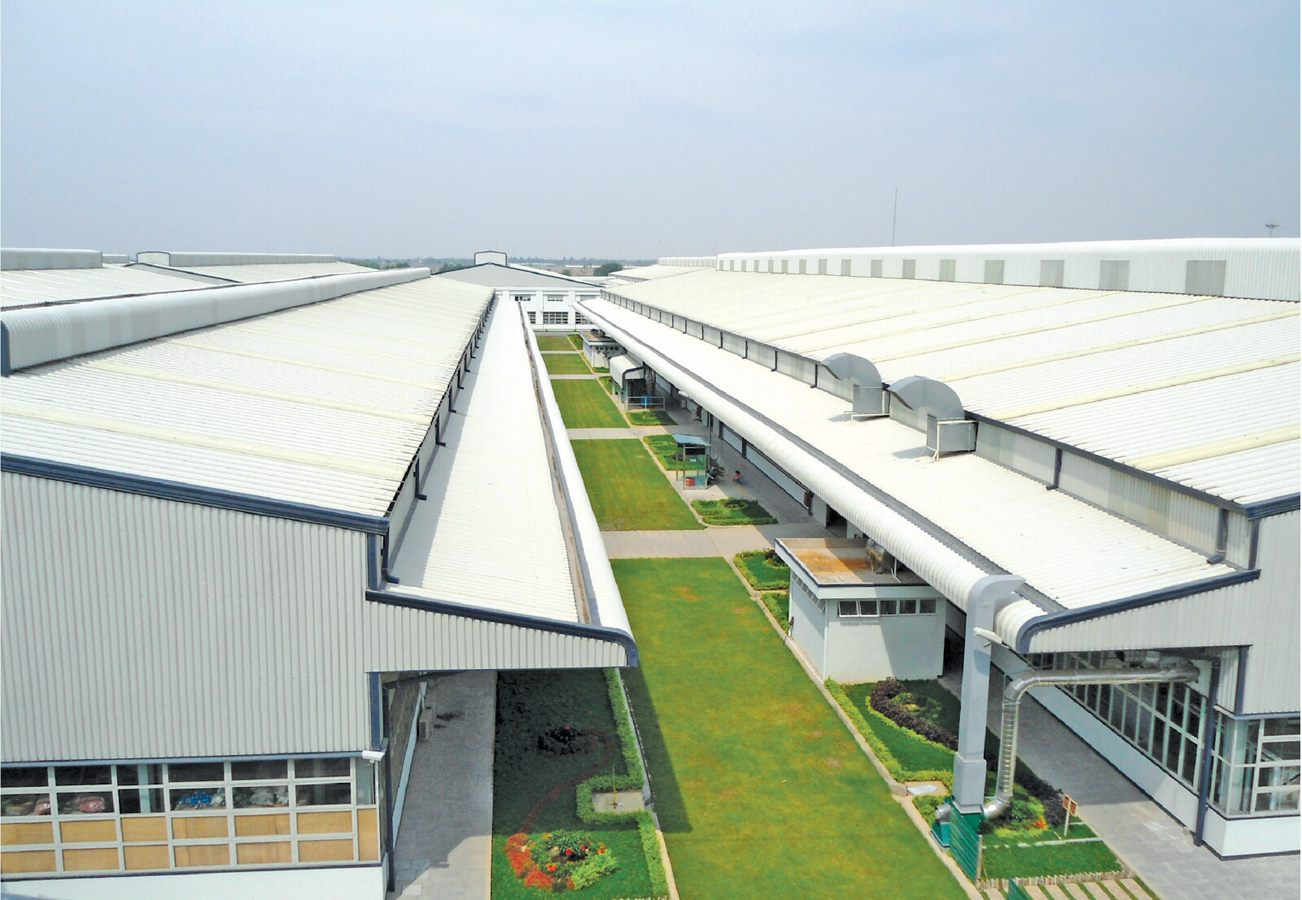
Across Australia, farmers rely on steel grain sheds and agricultural storage buildings to store wheat, barley, corn, and other grains before transportation or processing. Compared with traditional storage methods, modern steel grain storage sheds offer larger capacity, better ventilation, and improved durability.
This guide explains everything you need to know about grain shed design, size, ventilation, and construction, helping farmers choose the right storage solution for their operations.
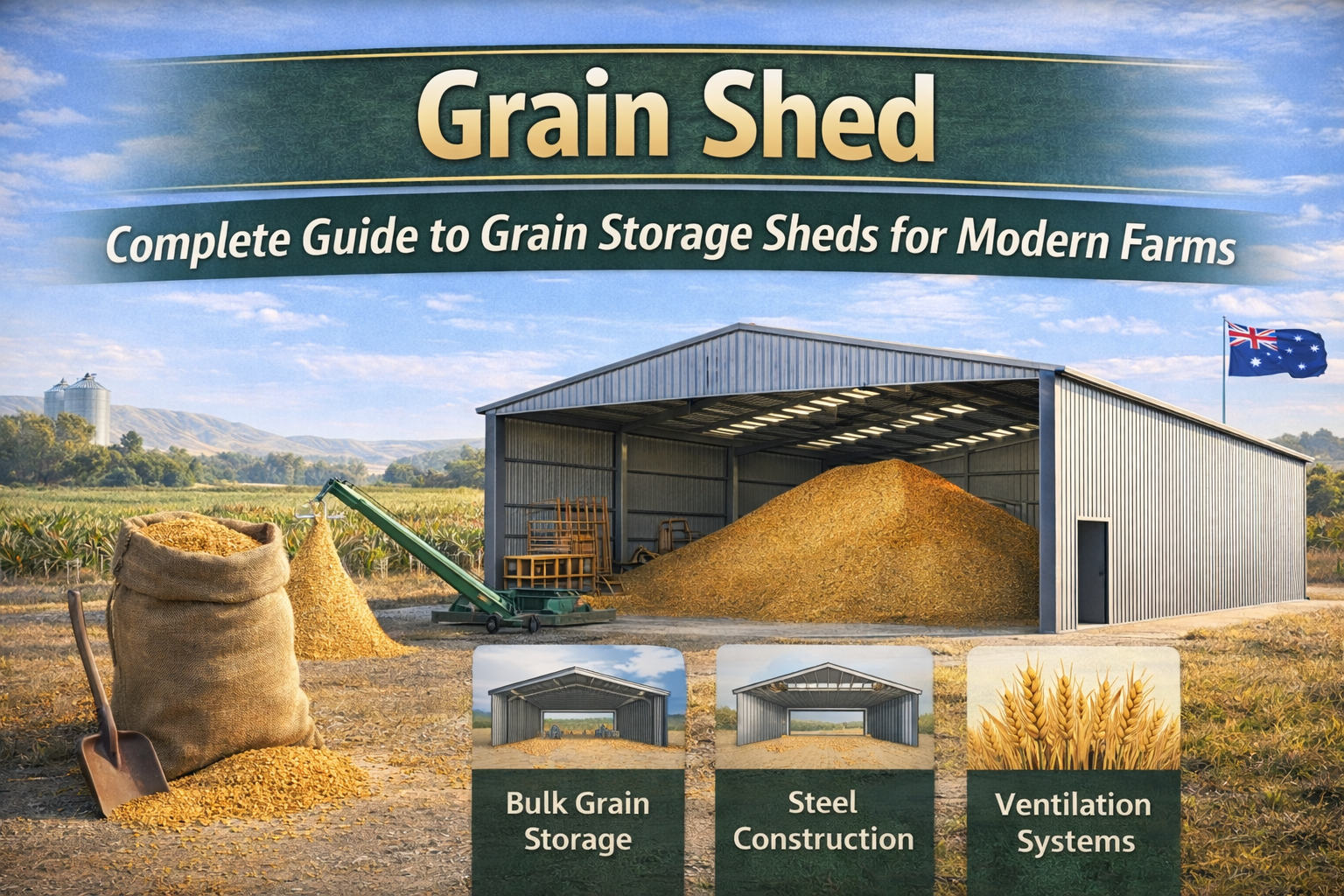
1. What Is a Grain Shed?
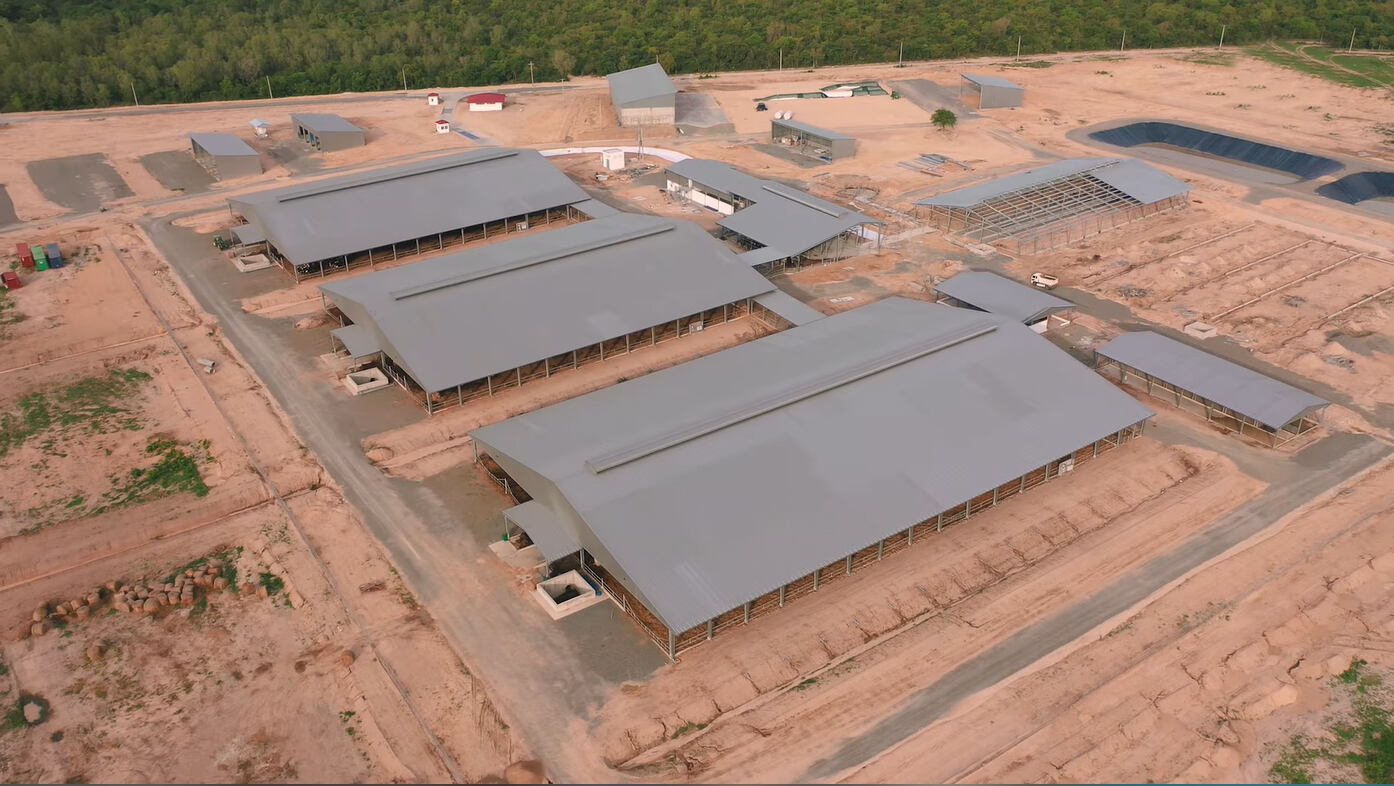
A grain shed is a large agricultural storage structure used to store bulk grain after harvesting. Unlike smaller farm sheds, grain sheds are designed specifically to handle large volumes of crops while maintaining proper airflow and moisture control.
Typical features of a grain shed include:
-
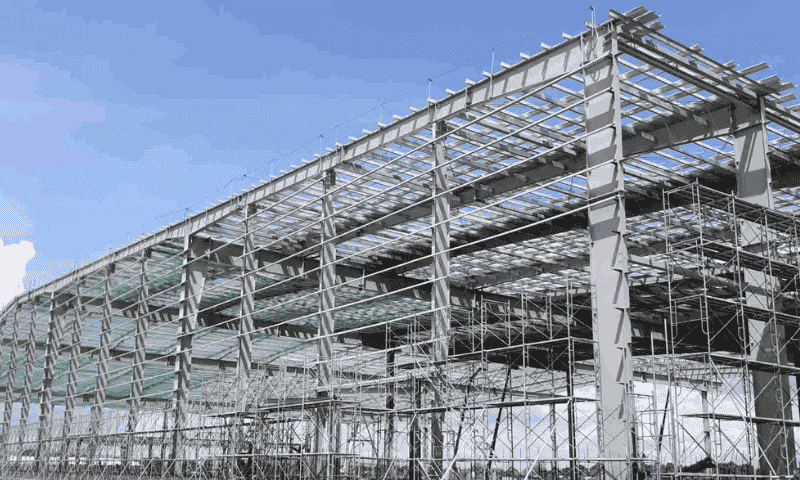
Large clear-span steel structures
-
High roof clearance for bulk grain storage
-
Durable steel cladding
-
Ventilation systems to control moisture
These buildings are commonly used for storing:
-
Wheat
-
Barley
-
Corn
-
Oats
-
Other harvested grains
Proper grain storage buildings help farmers maintain crop quality and reduce spoilage.
2. Why Grain Storage Sheds Are Important
After harvesting, grain must be stored safely before it is sold or processed. Improper storage conditions can lead to serious losses.
Common problems with poor grain storage include:
-
Moisture buildup
-
Mold growth
-
Pest infestation
-
Grain spoilage
A well-designed grain shed building protects crops from environmental damage while maintaining stable storage conditions.
3. Types of Grain Storage Buildings
Different farms require different storage solutions depending on the volume of crops and available land.
Bulk Grain Sheds
Bulk grain sheds store loose grain directly on the floor or in large storage areas.
Advantages include:
-
High storage capacity
-
Flexible layout
-
Easy loading and unloading
Bulk grain sheds are commonly used for large-scale farms.
Grain Storage Warehouses
These are enclosed agricultural buildings used for storing bagged grain or processed crops.
They are suitable for:
-
Smaller farms
-
Grain packaging facilities
-
Grain processing operations
Open-Sided Grain Sheds
Open-sided structures improve airflow and reduce moisture accumulation.
These buildings are commonly used in regions with dry climates.
4. Key Design Factors for Grain Shed Construction
Many farm shed suppliers focus only on selling structures. However, the engineering and design of grain sheds are critical for long-term performance.
Below are the most important design considerations.
Clear Span Structure
Modern grain sheds often use clear-span steel structures that eliminate internal columns.
Benefits include:
-
Maximum storage space
-
Easier machinery access
-
Flexible storage layout
Clear spans typically range between 20 meters and 40 meters depending on storage capacity requirements.
Building Height
Grain sheds require sufficient height to store bulk crops safely.
Typical building heights include:
| Storage Type | Recommended Height |
|---|---|
| Bulk grain storage | 6–8 m |
| Grain loading areas | 8–10 m |
Higher roofs improve airflow and allow stacking of larger grain volumes.
Ventilation and Airflow
Ventilation is essential for preventing moisture buildup inside grain sheds.
Common ventilation solutions include:
-
Ridge vents
-
Sidewall openings
-
Mechanical ventilation systems
Proper airflow prevents mold growth and preserves grain quality.
Durable Steel Structures
Steel is widely used for agricultural storage buildings due to its strength and durability.
Advantages of steel grain sheds include:
-
Resistance to harsh weather conditions
-
Long structural lifespan
-
Minimal maintenance requirements
-
Large-span construction capability
Steel also allows for modular building expansion as farm operations grow.
5. Grain Shed Size Guide
Choosing the right grain shed size depends on the farm’s harvest volume and storage requirements.
Typical grain shed dimensions include:
| Farm Size | Typical Shed Size |
|---|---|
| Small farms | 15m × 25m |
| Medium farms | 20m × 40m |
| Large farms | 30m × 60m |
Larger commercial farms may require multiple storage sheds or integrated grain storage facilities.
6. Grain Shed Layout Planning
A well-planned layout improves workflow and storage efficiency.
Important layout elements include:
-
Loading and unloading zones
-
Machinery access routes
-
Storage bays
-
Ventilation pathways
Efficient layouts allow trucks and farm equipment to move easily inside the building.
7. Grain Shed Construction Materials
Several materials can be used for grain storage buildings.
Steel Structures
Steel is the most common material for modern grain sheds.
Advantages:
-
Strong structural support
-
Long lifespan
-
Resistance to pests and rot
Concrete Foundations
Grain sheds require strong foundations capable of supporting heavy loads.
Concrete slabs are typically used for:
-
Bulk grain storage
-
Equipment movement
-
Structural stability
8. Grain Shed Cost Factors
The cost of building a grain shed depends on several factors. Major cost drivers include:
-
Building size
-
Steel structure design
-
Wind load requirements
-
Ventilation systems
-
Site preparation
Larger agricultural buildings with longer spans typically require stronger structural engineering, which increases construction costs.
9. Benefits of Modern Steel Grain Sheds
Modern steel grain sheds provide several advantages compared with traditional storage methods.
Improved Crop Protection
Steel structures protect crops from rain, wind, and extreme temperatures.
Large Storage Capacity
Clear-span buildings allow large grain volumes to be stored efficiently.
Long-Term Durability
Steel agricultural buildings can last for decades with minimal maintenance.
Flexible Design
Farmers can customize grain shed designs to suit their storage needs.
10. Choosing the Right Grain Shed for Your Farm
When planning a grain shed, farmers should consider several factors.
Important questions include:
-
How much grain needs to be stored each season?
-
What machinery will be used for loading and unloading?
-
Is ventilation required for the local climate?
-
Will the building need future expansion?
Working with experienced pre-engineered buildings company ensures that the grain shed design meets operational and environmental requirements.
11. Conclusion
A well-designed grain shed is essential for modern agricultural operations. Proper grain storage protects crops from spoilage, improves storage efficiency, and supports large-scale farming activities.
Steel grain sheds offer strong structural performance, large storage capacity, and long-term durability, making them an ideal solution for farm sheds across Australia.
By carefully planning building size, ventilation systems, and structural design, farmers can create efficient grain storage facilities that support long-term agricultural productivity.
12. FAQs
What is a grain shed used for?
A grain shed is an agricultural building used to store harvested crops such as wheat, barley, corn, and other grains while protecting them from weather and moisture.
How large should a grain shed be?
Most grain sheds range between 20 and 40 meters in width, depending on the volume of crops stored and the machinery used for loading and unloading.
What is the best material for grain sheds?
Steel structures are widely considered the best material because they provide strength, durability, and large clear spans suitable for bulk grain storage.
Do grain sheds require ventilation?
Yes. Proper ventilation prevents moisture buildup and mold growth, helping maintain grain quality during storage.
If you have questions that need to be answered, please contact us at the following email: marketing@pebsteel.com.vn
Disclaimer: The content provided in this article is for reference purposes only. Technical specifications and design requirements may vary based on specific project conditions and local regulations.