
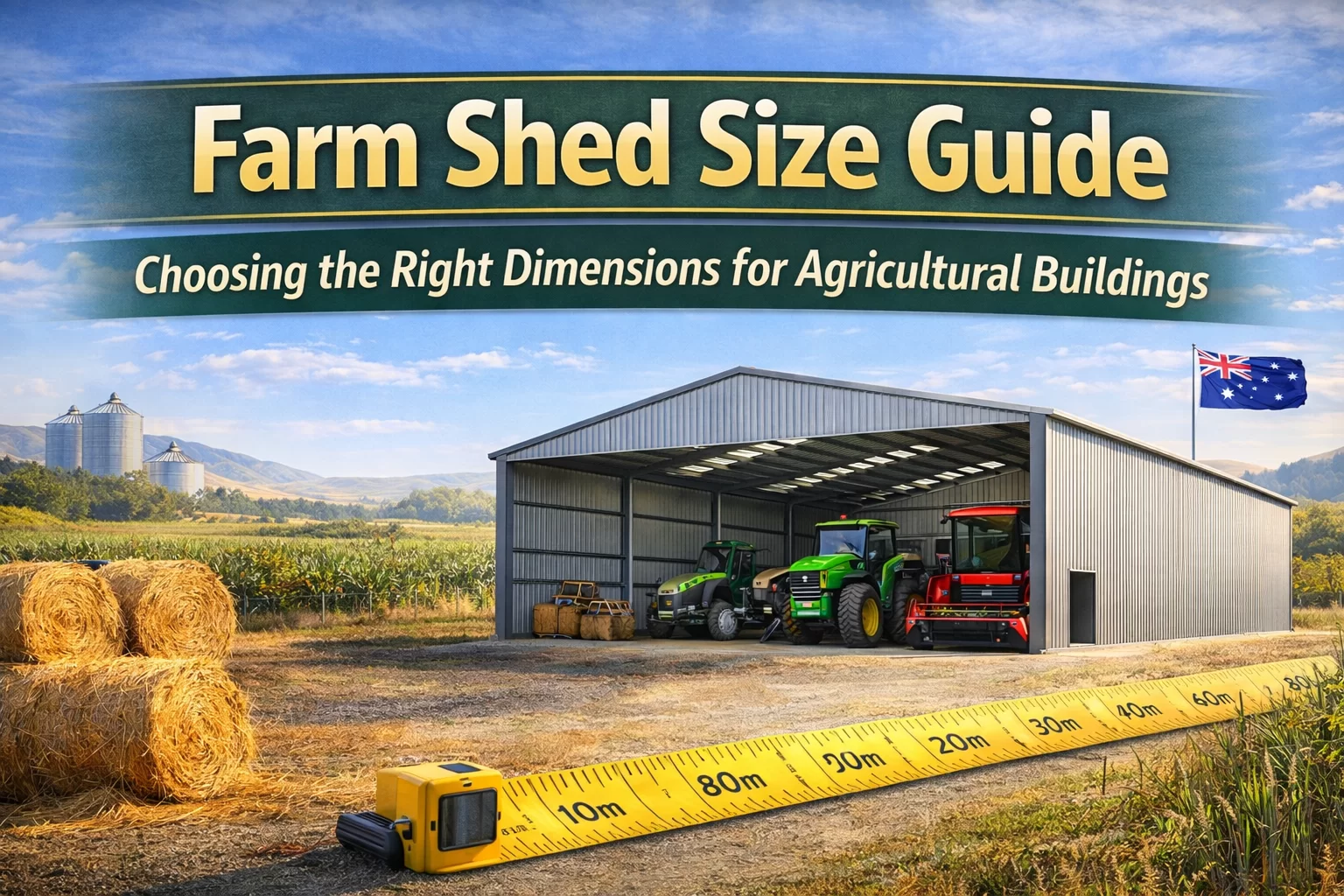
Choosing the correct farm shed size is one of the most important decisions when planning an agricultural building. The size of the shed affects machinery storage, crop protection, operational efficiency, and long-term expansion possibilities.
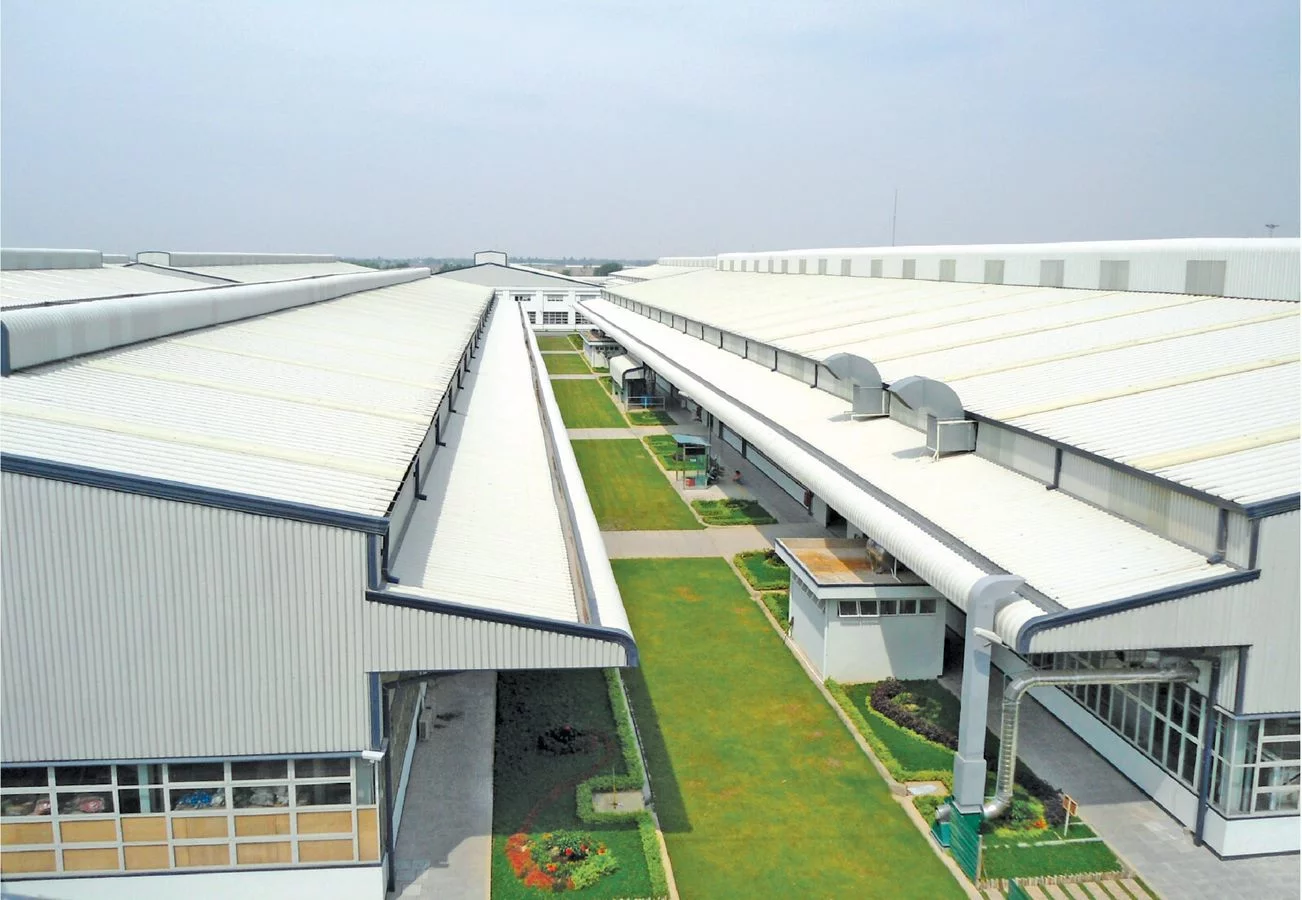
Modern farms often require large structures to accommodate tractors, harvesters, grain storage systems, and other agricultural equipment. This is why many farmers prefer steel farm sheds with large clear spans, which allow flexible layouts without interior columns.
This guide explains the most common farm shed dimensions, design considerations, and how to choose the right size for your farming operation.
1. Why Farm Shed Size Matters
An incorrectly sized shed can create several operational challenges:
-
Insufficient space for machinery
-
Limited storage capacity for crops
-
Poor workflow inside the building
-
Difficult vehicle access
A properly planned agricultural shed size allows efficient equipment storage and smooth farm operations.
2. Typical Farm Shed Sizes
Farm shed sizes vary depending on the intended use. Below are common dimensions used in modern agricultural buildings.
| Shed Type | Typical Width | Typical Length | Use Case |
|---|---|---|---|
| Machinery shed | 18–30 m | 20–50 m | tractors & harvesters |
| Hay storage shed | 15–24 m | 20–40 m | hay bale storage |
| Grain storage shed | 20–36 m | 30–60 m | grain & crop storage |
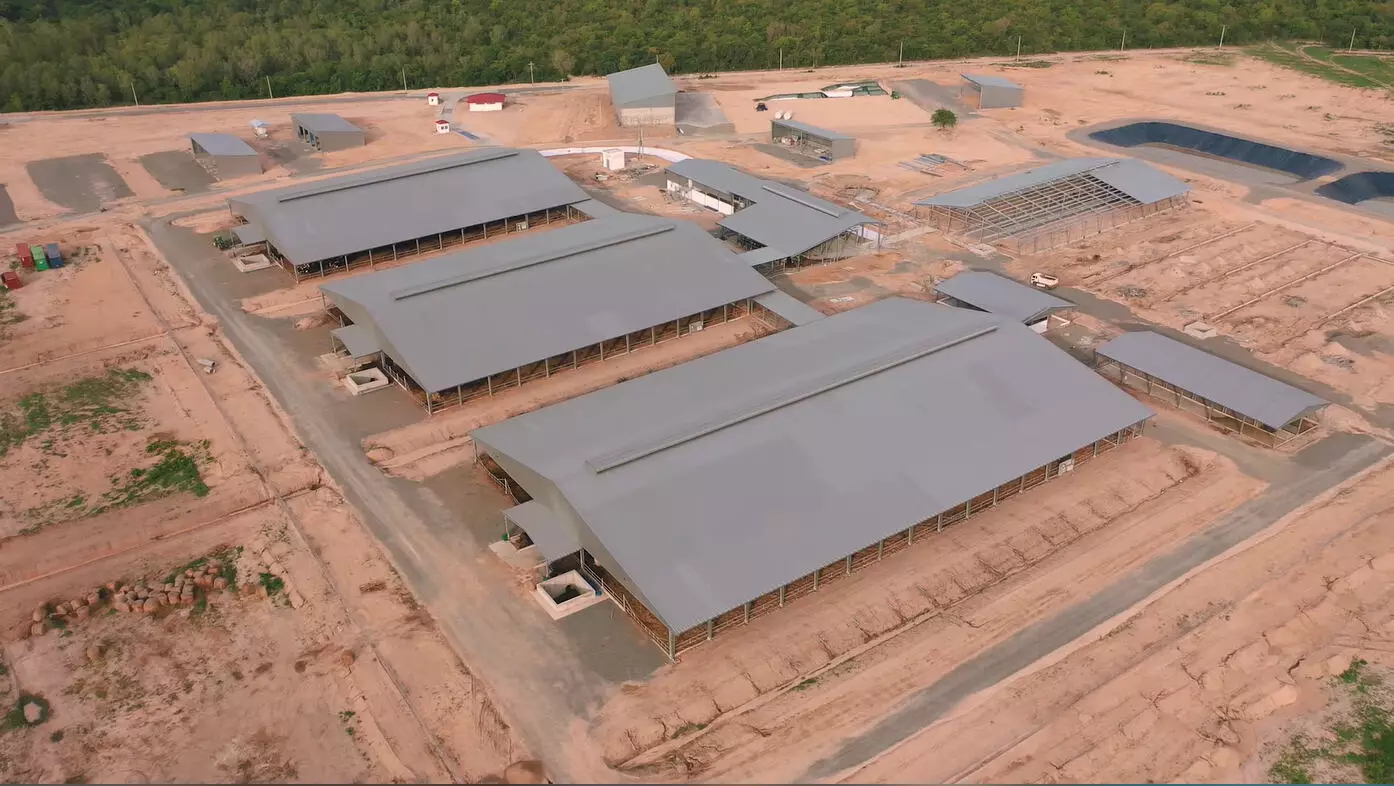
| Livestock shed | 12–24 m | 20–40 m | animal housing |
Large agricultural facilities may require spans exceeding 40 meters to accommodate multiple machines.
3. Clear Span vs Multi-Span Buildings
Clear Span Farm Shed
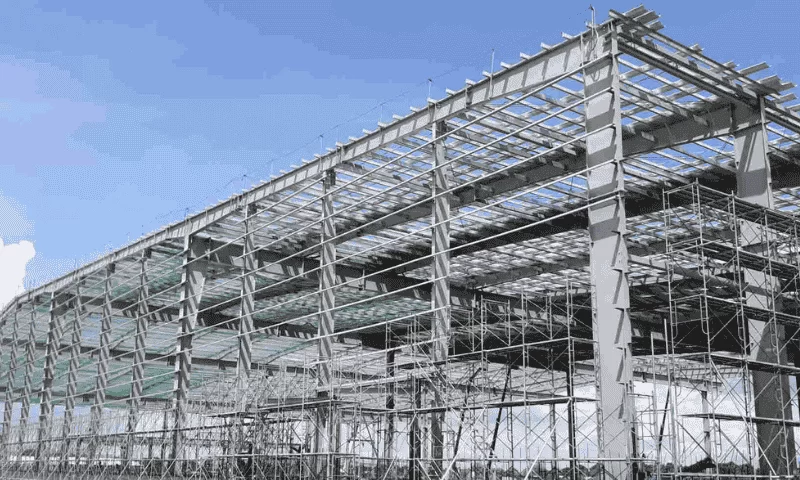
A clear-span farm shed has no internal columns. This layout provides maximum interior space and flexibility.
Advantages include:
-
Easy machinery movement
-
Flexible storage layout
-
Improved workflow
Multi-Span Farm Shed
Multi-span sheds include internal columns for structural support.
These buildings are usually used for:
-
Livestock barns
-
Large agricultural complexes
4. Roof Height Considerations
Roof height is another critical dimension when designing farm sheds.
Typical heights include:
| Building Use | Recommended Height |
|---|---|
| Machinery storage | 5–7 m |
| Hay storage | 6–8 m |
| Grain storage | 6–9 m |
Higher roofs improve ventilation and allow stacking of materials such as hay bales.
5. Planning for Future Expansion
Many farms expand their operations over time. When designing a farm shed, it is important to consider future growth.
Expandable steel agricultural buildings allow:
-
Structural extensions
-
Additional storage bays
-
Modular expansion
6. Conclusion
Selecting the right farm shed size ensures efficient storage, improved workflow, and long-term flexibility. By considering building span, roof height, and operational needs, farmers can design agricultural sheds that support modern farming activities.
7. FAQs
What is the typical size of a farm shed?
Most farm sheds range from 18 to 30 meters in width depending on machinery storage requirements.
What height should a farm shed be?
Typical farm shed heights range from 5 to 7 meters for machinery storage and up to 9 meters for grain storage buildings.
If you have questions that need to be answered, please contact us at the following email: marketing@pebsteel.com.vn
Disclaimer: The content provided in this article is for reference purposes only. Technical specifications and design requirements may vary based on specific project conditions and local regulations.