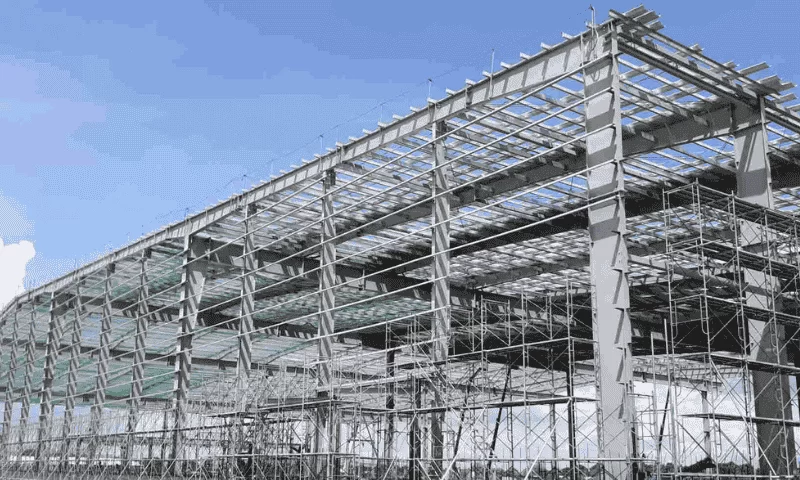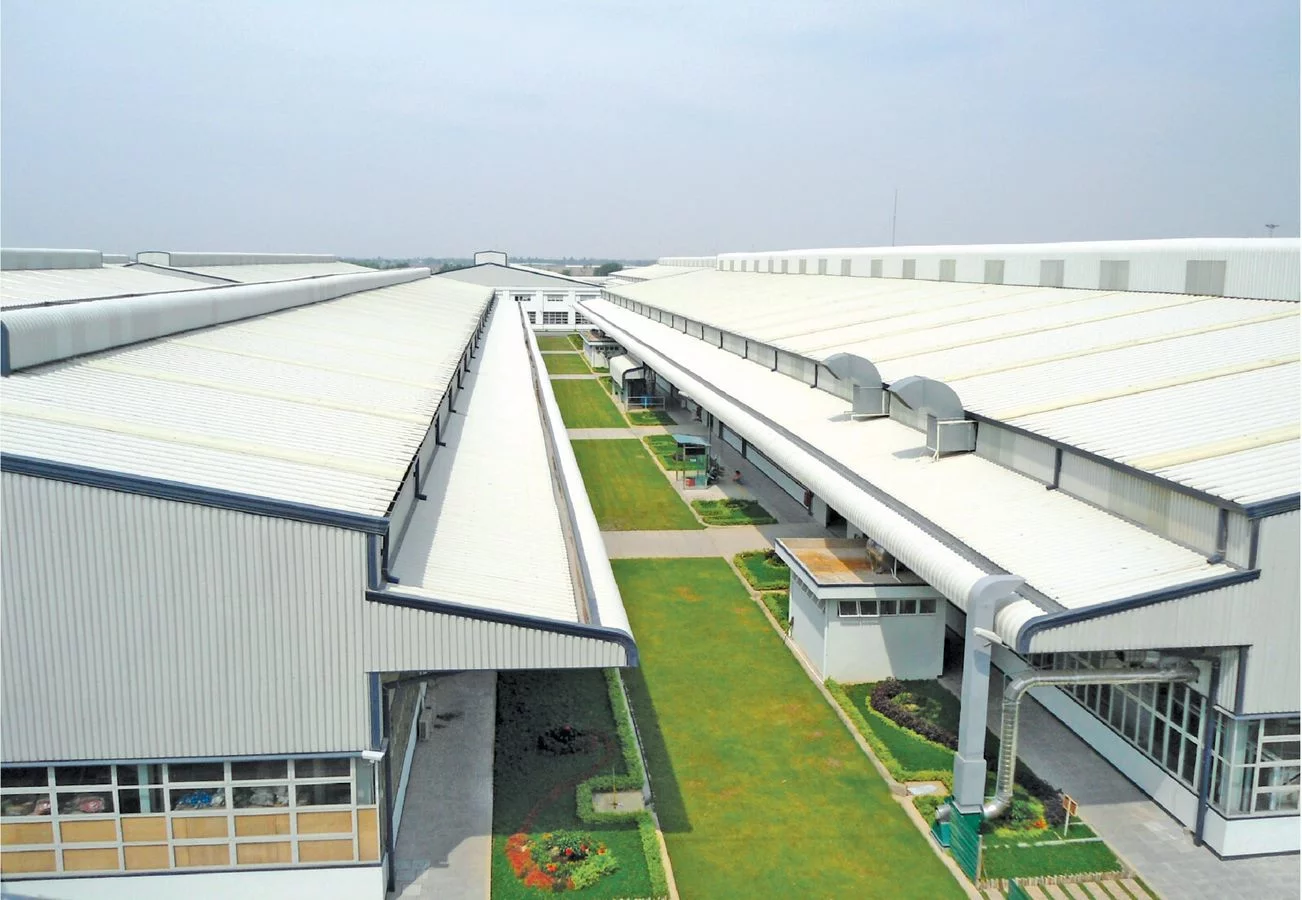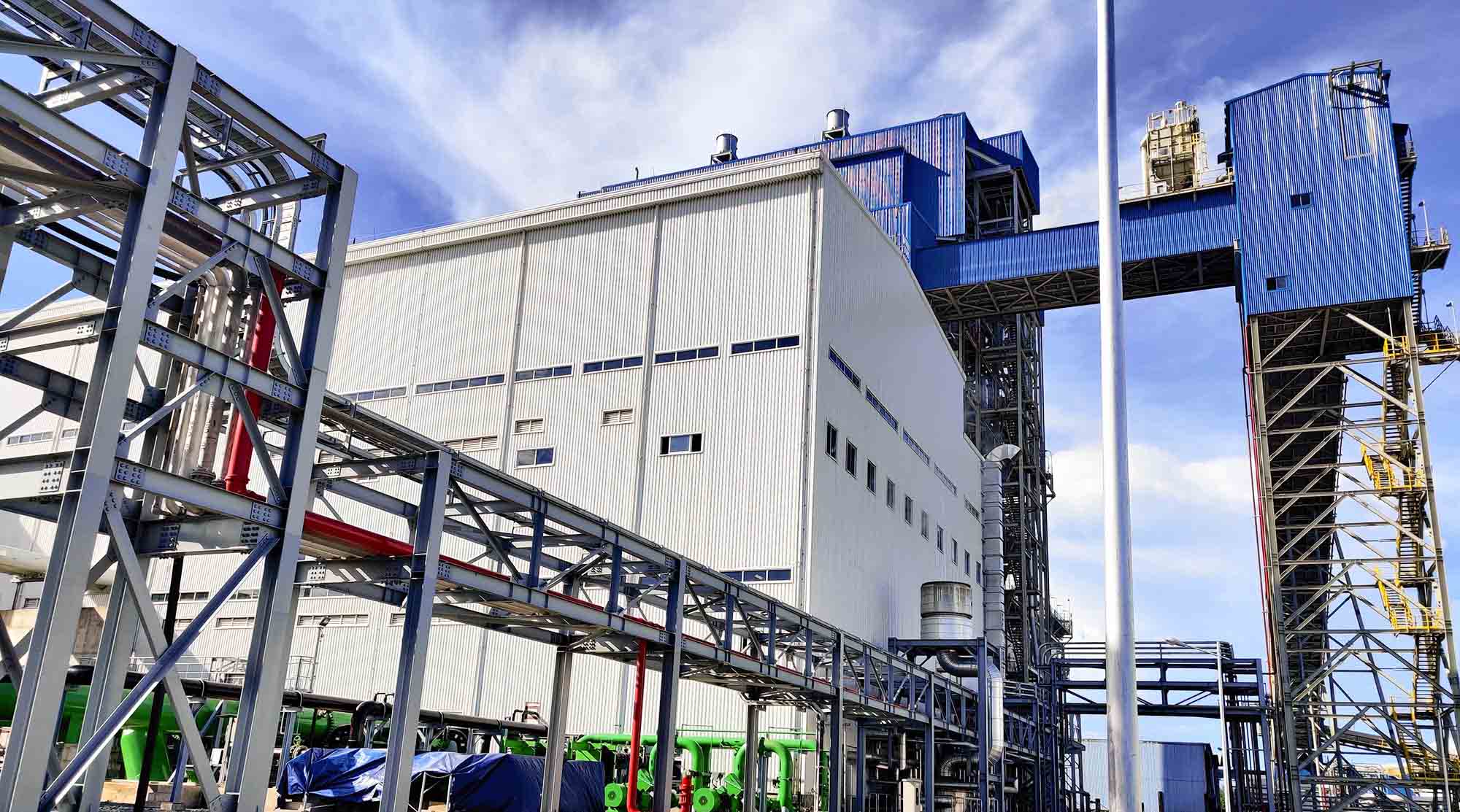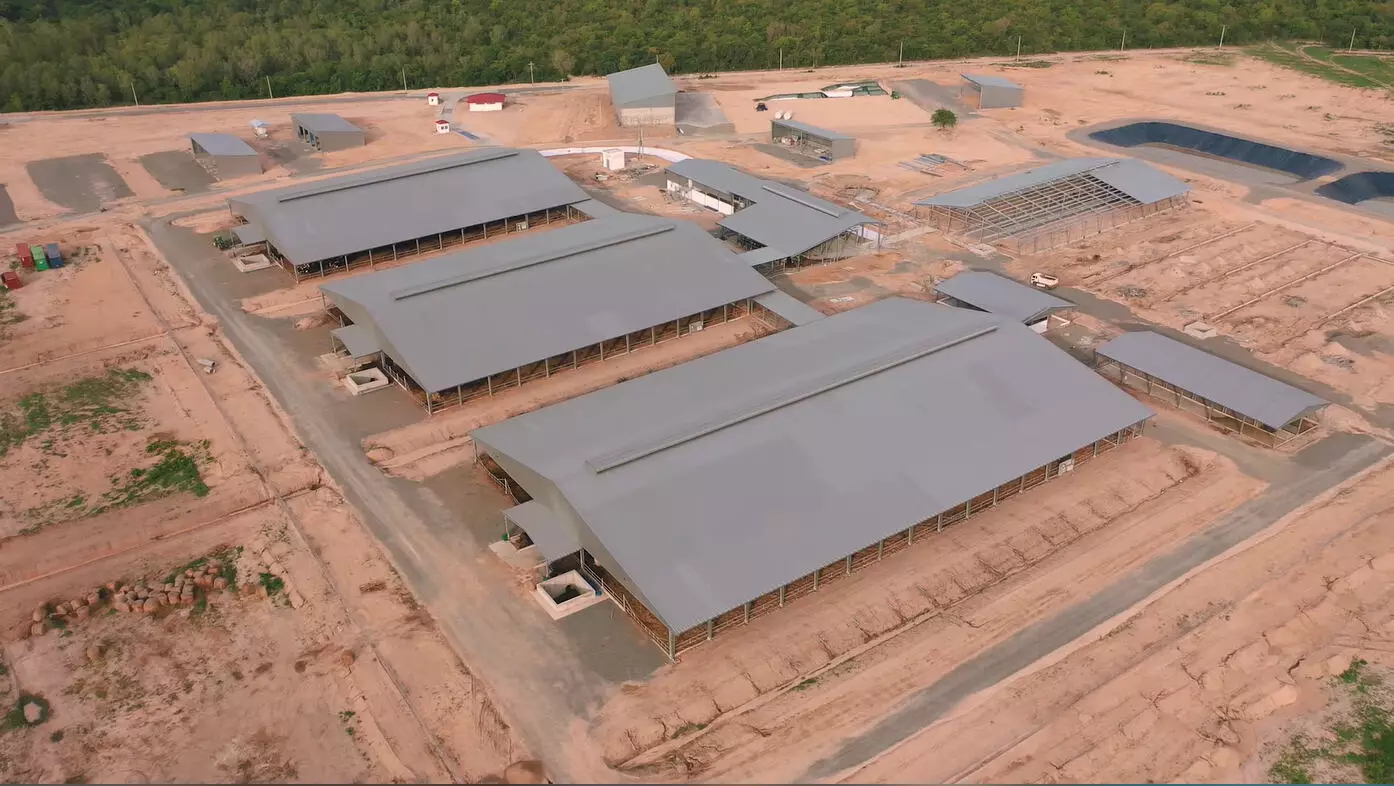

Building a farm shed in Australia requires compliance with several regulations, including building permits, zoning laws, and structural design standards. These regulations ensure agricultural buildings are safe, durable, and suitable for the local environment.
Farmers and landowners planning a farm shed construction project must understand the relevant rules before starting construction. Regulations may vary depending on the state, local council requirements, and the intended use of the shed.
This guide explains the key farm shed regulations in Australia, including planning permits, building approvals, zoning restrictions, and compliance with structural standards.
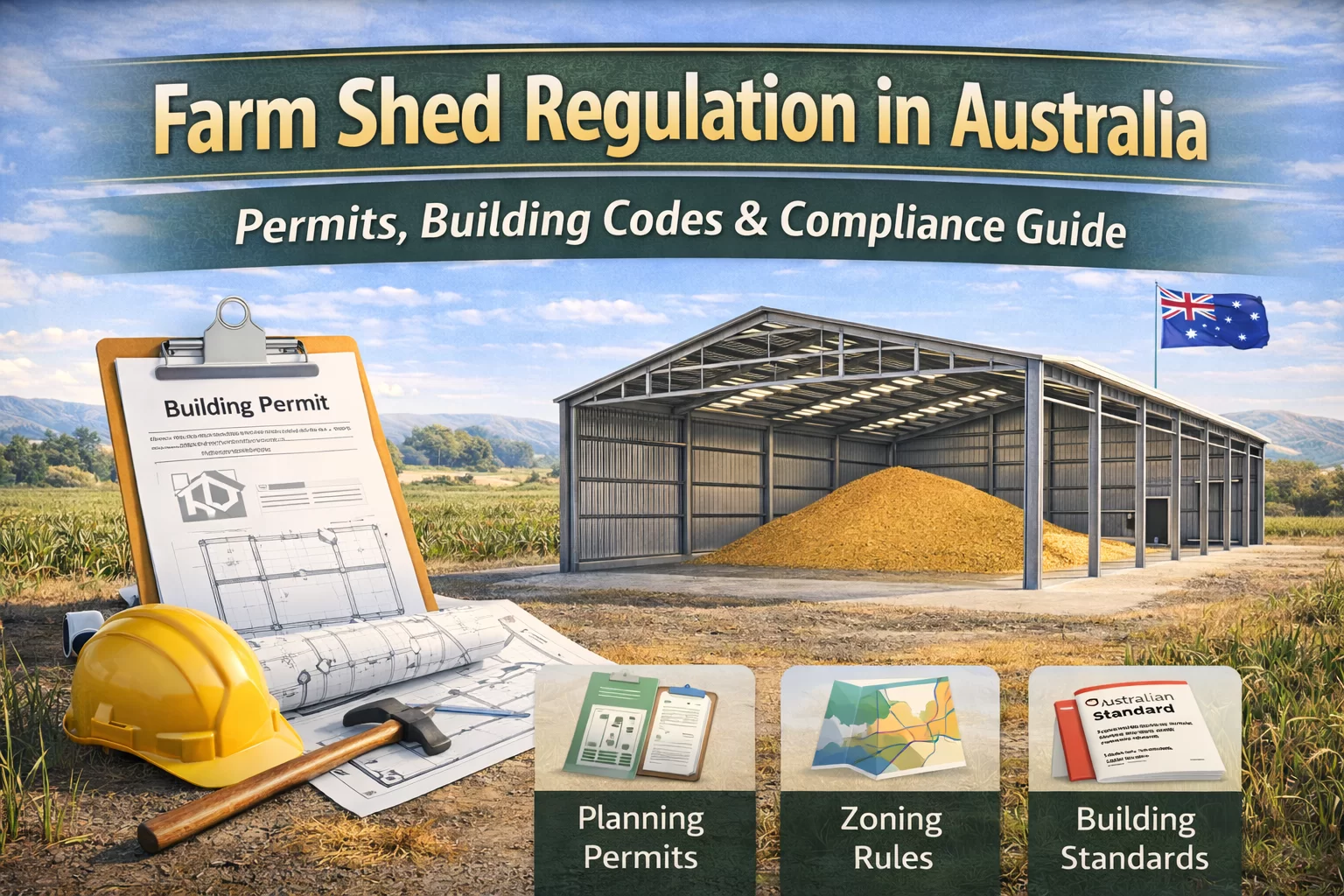
1. What Is a Farm Shed Under Australian Regulations?
A farm shed is typically classified as an agricultural building used for farming activities such as:
-
Storing farm equipment
-
Housing livestock
-
Storing hay or grain
-
Sheltering machinery
In most Australian states, farm sheds fall under Class 10a buildings according to the National Construction Code (NCC). Class 10a buildings include non-habitable structures such as sheds, garages, and carports.
Because farm sheds are non-habitable structures, they often have simplified regulatory requirements compared with residential buildings. However, they still need to comply with structural safety and planning regulations.
2. Key Regulations That Apply to Farm Sheds
Several regulatory frameworks affect the construction of agricultural sheds in Australia.
National Construction Code (NCC)
The National Construction Code establishes the technical requirements for building design and construction.
For farm sheds, the NCC regulates:
-
Structural integrity
-
Wind load resistance
-
Fire safety requirements
-
Building materials
Steel farm sheds must meet the relevant steel structural standards to ensure safety and durability.
Australian Building Standards
Farm shed construction must also comply with specific Australian Standards, including:
-
AS/NZS 1170 – Structural design actions (wind loads)
-
AS 4100 – Steel structures design
-
AS/NZS 4600 – Cold-formed steel structures
These standards ensure that agricultural buildings can withstand environmental conditions such as strong winds and heavy rain.
Planning Permits for Farm Sheds
Before constructing a farm shed, landowners may need to obtain a planning permit from the local council.
Planning permits regulate how land is used within specific zones.
A permit may be required if:
-
the shed exceeds a certain size
-
the building is located near property boundaries
-
the land zoning restricts agricultural buildings
In rural zones, farm sheds are generally permitted, but councils may still require approval.
Zoning Requirements for Agricultural Buildings
Zoning laws determine how land can be used within different areas.
Common rural zoning types in Australia include:
-
Rural Zone (RUZ)
-
Farming Zone (FZ)
-
Rural Activity Zone (RAZ)
Within these zones, farm sheds are typically allowed for agricultural operations. However, restrictions may apply to building height, size, or placement.
Zoning regulations ensure that agricultural developments are compatible with surrounding land use.
Building Permits for Farm Shed Construction
Even if planning permission is not required, most farm shed projects still need a building permit.
A building permit confirms that the shed design meets safety and construction standards.
The building permit process usually involves:
-
Submitting structural drawings
-
Engineering certification
-
Site inspection
-
Final approval after construction
Working with experienced shed builders helps streamline this process.
3. Structural Design Requirements for Farm Sheds
Farm sheds must be engineered to withstand local environmental conditions.
Key structural considerations include:
Wind Load Design
Australia experiences strong wind conditions, especially in coastal and rural regions.
Structural engineers must calculate wind loads based on:
-
Geographic wind region
-
Building height
-
Roof design
-
Surrounding terrain
Proper wind design prevents structural failure during storms.
Foundation Requirements
Farm sheds typically require concrete slab or pier foundations. Foundation design depends on:
-
Soil conditions
-
Building weight
-
Wind uplift forces
Strong foundations ensure structural stability.
Roof Design
Roof structures must support environmental loads such as:
-
Wind pressure
-
Rainfall
-
Maintenance loads
Common roof types for farm sheds include:
-
Gable roofs
-
Skillion roofs
-
Curved roofs
4. Fire Safety Regulations for Farm Buildings
Fire safety regulations may apply depending on the shed’s location and use. Key fire safety considerations include:
-
Separation distance from other buildings
-
Fire-resistant materials
-
Safe storage of flammable materials
In bushfire-prone areas, additional Bushfire Attack Level (BAL) requirements may apply.
5. Farm Shed Size Limits and Setback Requirements
Local councils often regulate the maximum size and placement of farm sheds.
Typical requirements include:
-
Minimum setback from property boundaries
-
Height restrictions
-
Distance from residential dwellings
These rules ensure farm buildings do not negatively impact neighboring properties.
6. Environmental Considerations
Environmental regulations may also affect farm shed construction.
Examples include:
-
Stormwater drainage requirements
-
Erosion control measures
-
Protection of natural waterways
Some councils require environmental impact assessments for large agricultural developments.
7. Common Mistakes When Building Farm Sheds
Many farmers encounter delays due to regulatory misunderstandings.
Common mistakes include:
Not Checking Local Council Requirements
Regulations vary widely between councils.
Skipping Structural Engineering
Unengineered sheds may fail building approval.
Ignoring Zoning Restrictions
Some areas restrict large agricultural buildings.
8. Benefits of Following Farm Shed Regulations
Although regulations may seem complex, they provide several benefits.
Improved Building Safety
Proper engineering ensures the shed can withstand extreme weather conditions.
Legal Compliance
Following regulations prevents fines or legal disputes.
Long-Term Structural Performance
Compliant buildings last longer and require less maintenance.
9. Conclusion
Understanding farm shed regulations in Australia is essential before starting any agricultural building project. Compliance with planning permits, zoning laws, building permits, and structural standards ensures the shed is safe, durable, and legally approved.
Farmers planning new agricultural buildings should consult local councils, engineers, and experienced shed builders to ensure the project meets all regulatory requirements.
By following the proper process, farm owners can build reliable storage facilities that support long-term agricultural productivity.
10. FAQs
Do farm sheds require planning permission in Australia?
Some farm sheds require planning permission depending on their size, location, and land zoning. In many rural zones, agricultural sheds are permitted but may still require council approval.
What building classification is a farm shed?
Farm sheds are typically classified as Class 10a buildings under the National Construction Code. These are non-habitable structures such as sheds, garages, and storage buildings.
Do farm sheds require engineering approval?
Yes. Most farm sheds must be engineered to comply with Australian structural standards and obtain building permits before construction.
What regulations apply to steel farm sheds?
Steel farm sheds must comply with the National Construction Code and relevant Australian Standards such as AS/NZS 1170 for structural loads and AS 4100 for steel structures.
If you have questions that need to be answered, please contact us at the following email: marketing@pebsteel.com.vn
Disclaimer: The content provided in this article is for reference purposes only. Technical specifications and design requirements may vary based on specific project conditions and local regulations.