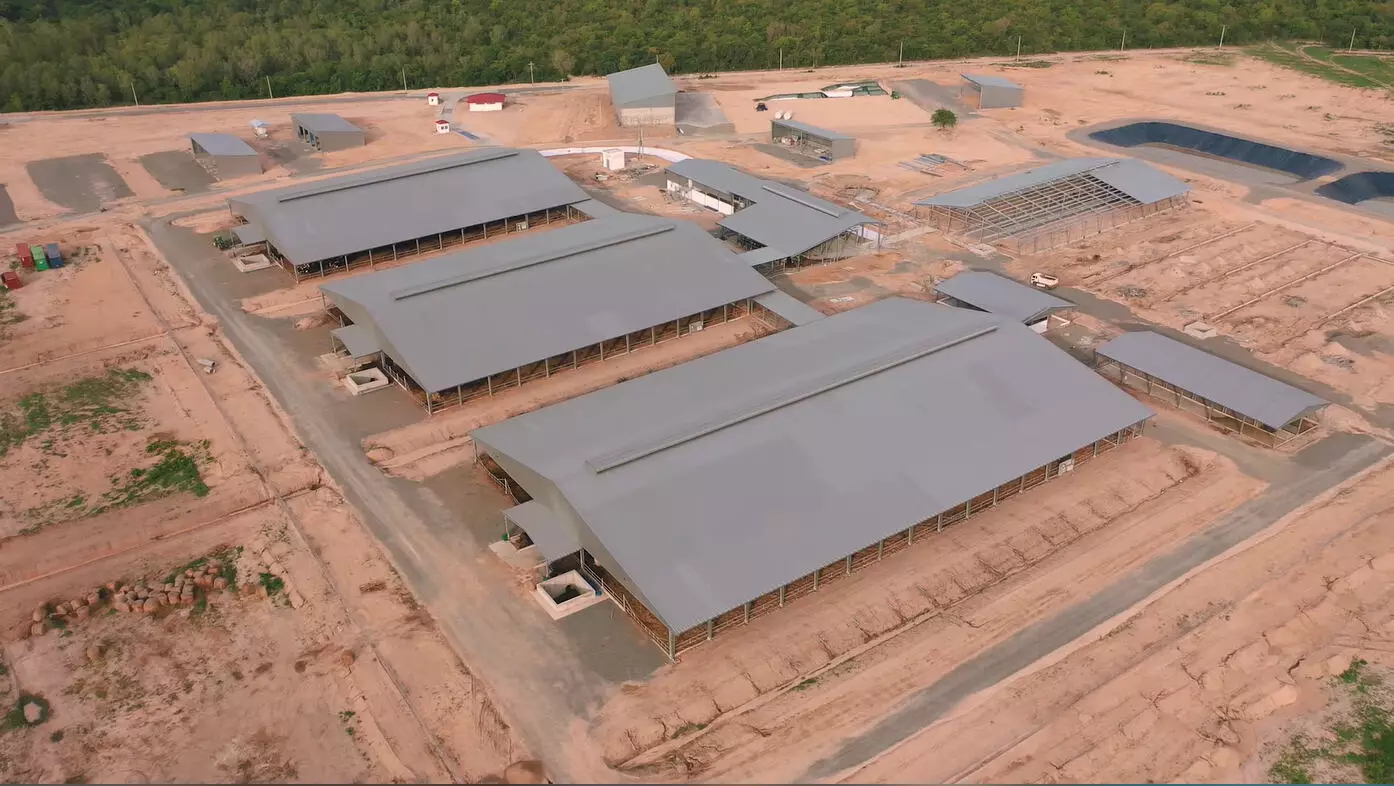

A farm shed is a large agricultural building used for storing farming equipment, protecting crops, housing livestock, or supporting farm operations. In modern agriculture, farm sheds (or rural sheds) are most commonly constructed using steel structures due to their durability, strength, and ability to create large open spaces.
Farm sheds are essential infrastructure for agricultural businesses. They help farmers protect valuable equipment, maintain crop quality, and improve overall operational efficiency.
Unlike small garden sheds or residential storage buildings, steel farm sheds are engineered for heavy-duty agricultural use. These structures can accommodate large machinery, bulk storage, and livestock facilities while withstanding harsh environmental conditions such as strong winds, heavy rainfall, and intense sunlight.
Today, many agricultural buildings are built using pre-engineered steel building (PEB) systems, which offer faster construction, structural precision, and long-term durability.
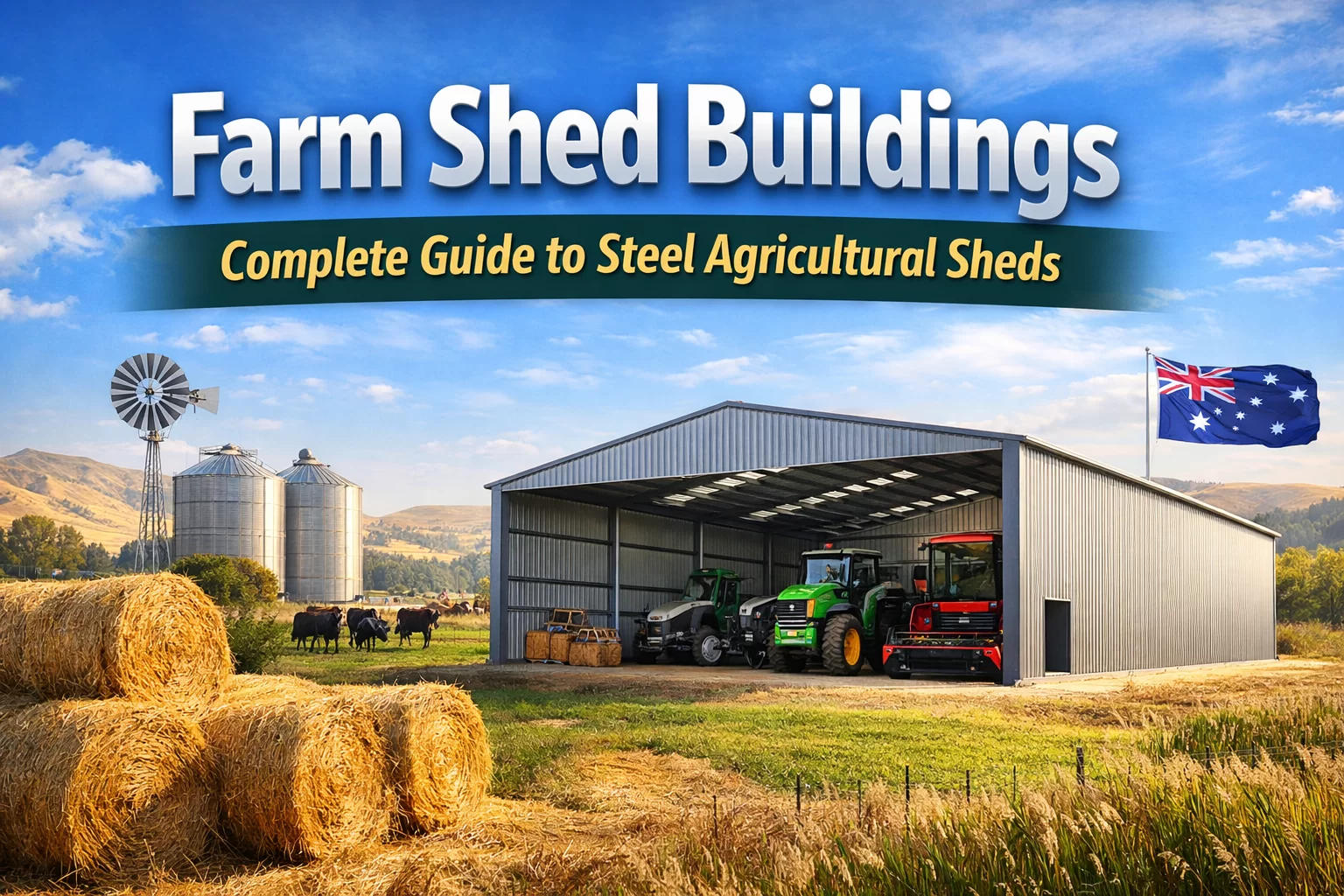
1. Why Steel Farm Sheds Are the Preferred Choice
Modern farms require buildings that are strong, scalable, and cost-efficient. Compared with timber or traditional materials, steel farm sheds offer several advantages.
Large Clear Span for Machinery Storage
One of the biggest benefits of steel structures is the ability to create large clear spans without internal columns. This is critical for farms that operate large machinery such as:
-
Tractors
-
Combine harvesters
-
Seed drills
-
Agricultural trucks
A clear-span machinery shed allows vehicles to move freely inside the building without structural obstructions.
Superior Durability in Agricultural Environments
Agricultural buildings are exposed to demanding conditions including moisture, dust, chemicals, and pests. Steel structures are highly resistant to:
-
Termites and pests
-
Rot and moisture damage
-
Corrosion (with protective coatings)
-
Extreme weather conditions
These characteristics make steel an ideal material for long-lasting farm infrastructure.
Faster Construction with Pre-Engineered Buildings
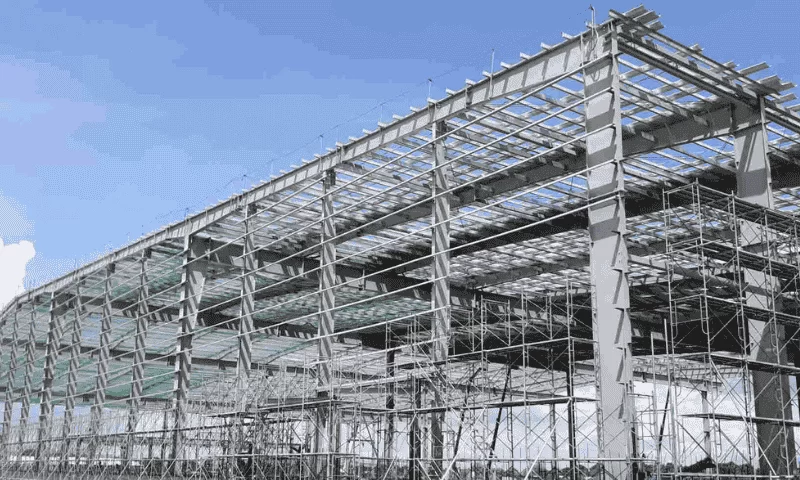
Pre-engineered steel buildings are manufactured in factories and assembled on-site. This construction method reduces installation time and ensures structural accuracy.
Compared with traditional construction, prefabricated farm buildings provide:
-
Faster project completion
-
Reduced labor costs
-
Improved structural precision
Lower Long-Term Maintenance Costs
Timber sheds require regular maintenance to prevent deterioration and pest damage. Steel sheds, on the other hand, require minimal upkeep and offer a longer service life.
This makes steel agricultural sheds a cost-effective solution for long-term farming operations.
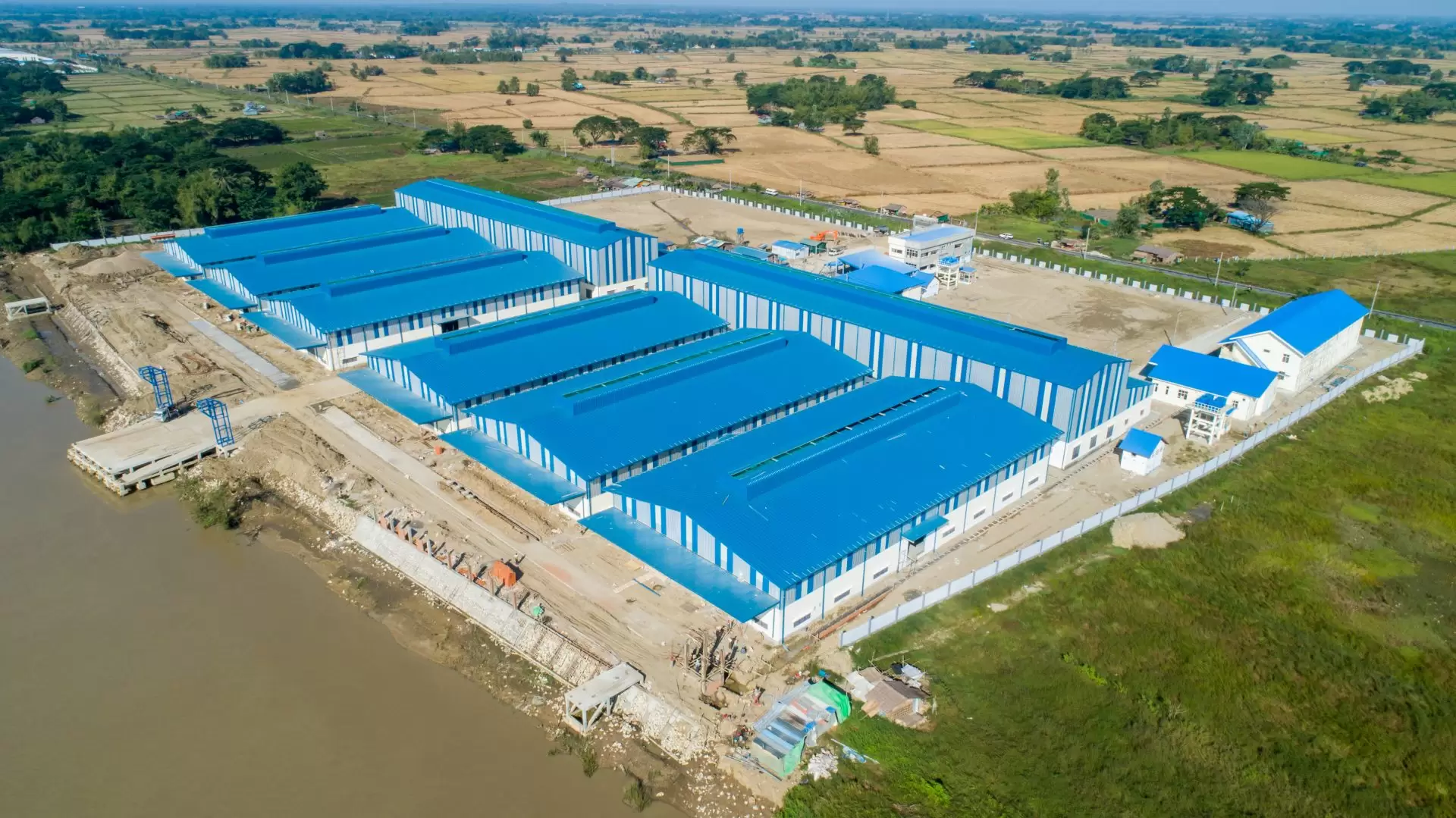
Rice Mill Factory (Myanmar)
Project Information: Rice Mill Factory in Myanmar
2. Common Types of Farm Sheds
Different farming activities require different types of agricultural buildings. The most common farm shed (rural shed) applications include machinery storage, crop protection, and livestock housing.
Machinery Shed
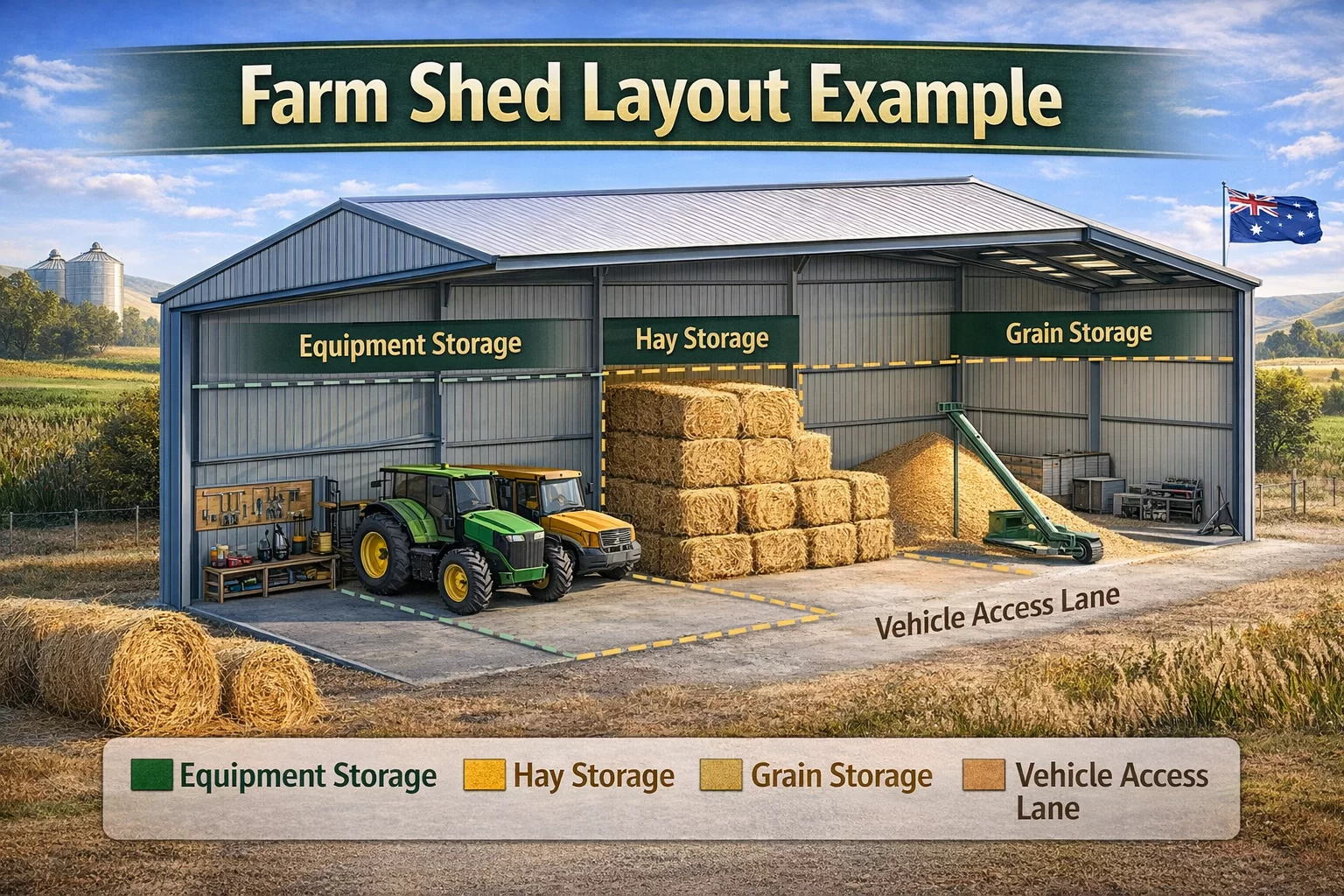
A farm machinery shed is designed to store tractors, harvesters, irrigation systems, and other agricultural equipment.
Typical features include:
-
Wide access doors
-
High roof clearance
-
Large open interior space
Machinery sheds protect valuable equipment from weather damage and extend the lifespan of farming assets.
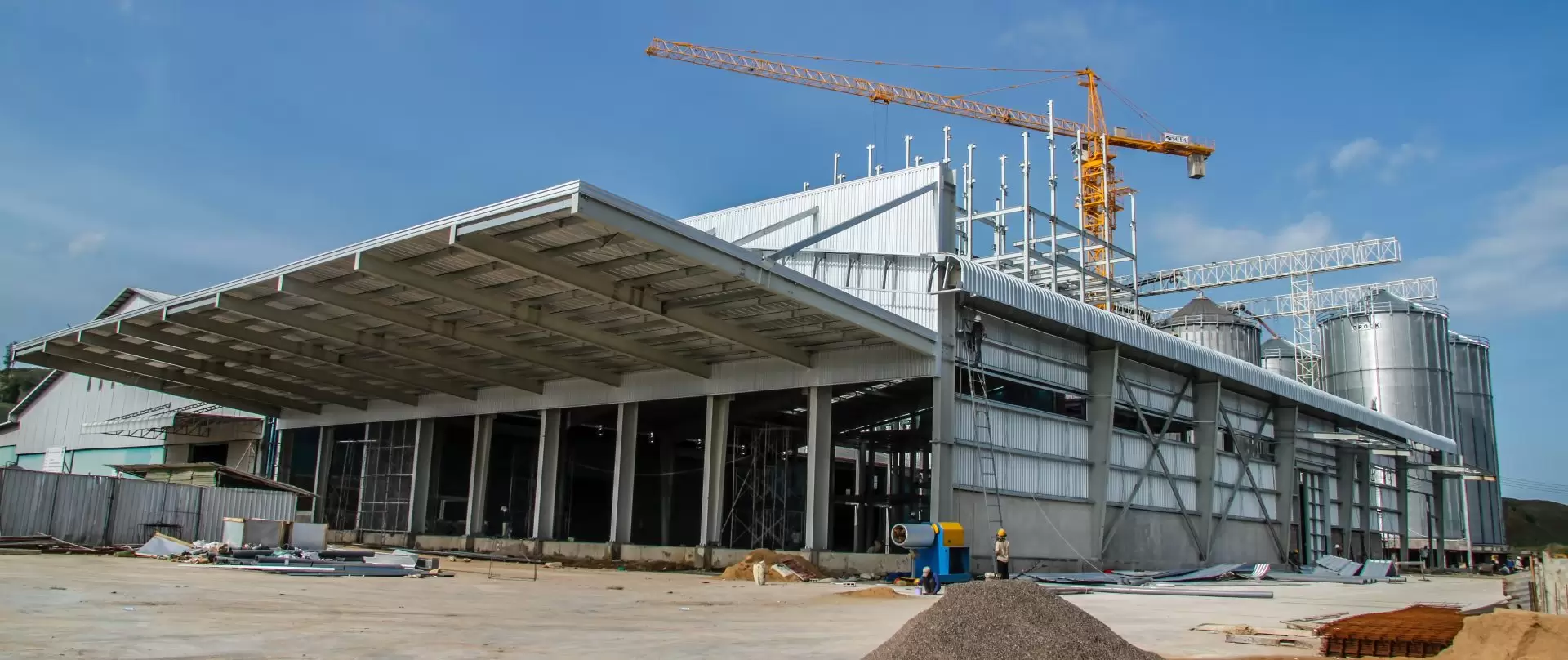
Animal Food Factory, 15m Wide Canopy (Cambodia)
Project information: Animal Food Factory in Cambodia
Hay Storage Shed
Hay sheds are designed to protect hay bales from rain and moisture. Proper ventilation is essential to prevent mold and maintain feed quality.
Steel hay storage sheds provide:
-
High roof structures
-
Efficient airflow
-
Weather-resistant roofing systems
Grain Storage Shed
Grain storage buildings are used to protect harvested crops such as wheat, corn, or barley. These sheds require strong structural systems and moisture protection.
A well-designed grain storage shed helps reduce crop loss and maintain grain quality during storage.
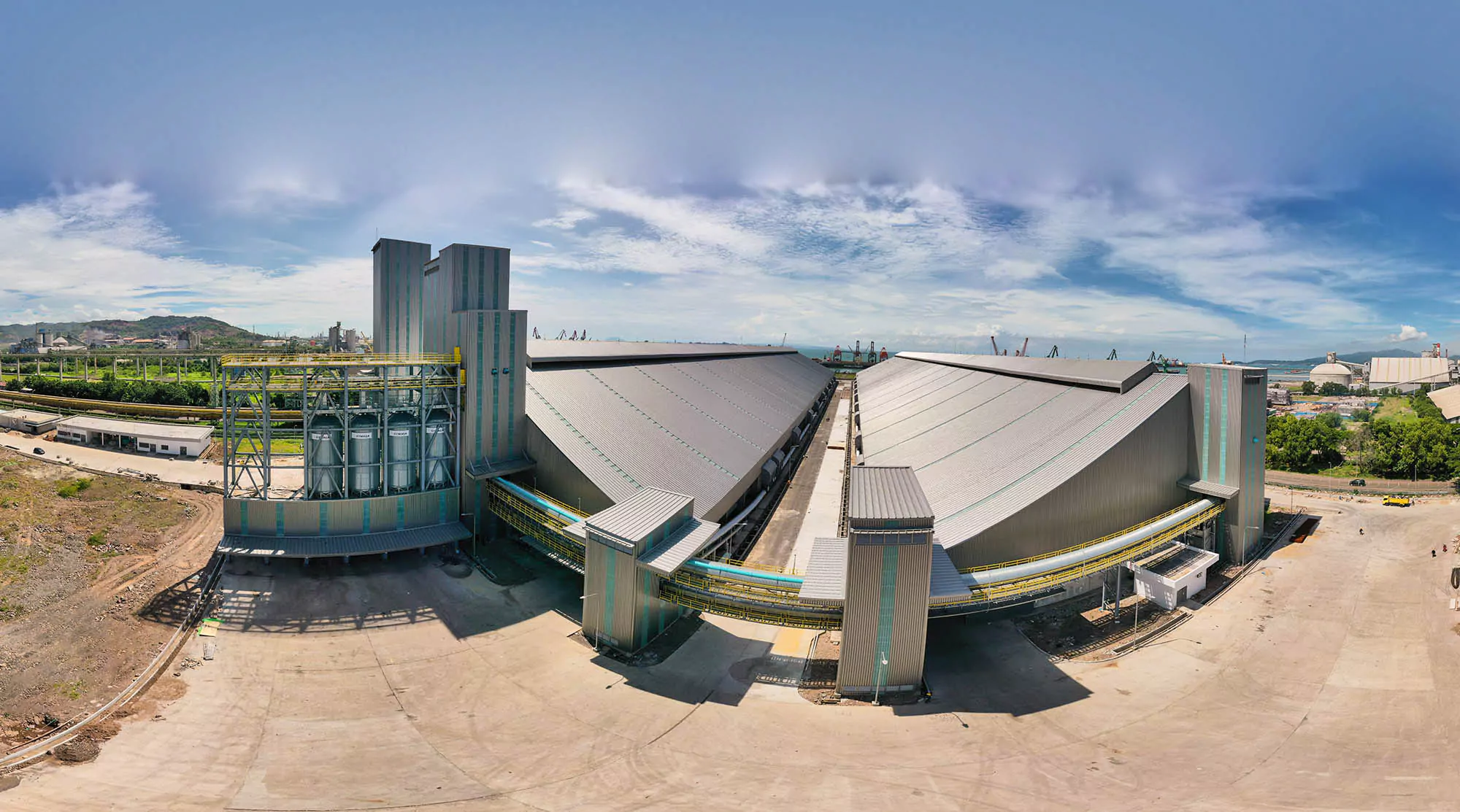
Grain Bulk Storage – (Indonesia)
Project information: Grain Bulk Storage in Indonesia
Livestock Shed
Livestock sheds provide shelter for animals such as cattle, sheep, and poultry. Proper ventilation and durable structural materials are essential for maintaining animal health and hygiene.
Steel livestock sheds offer flexible layouts that support feeding systems, ventilation equipment, and farm management operations.
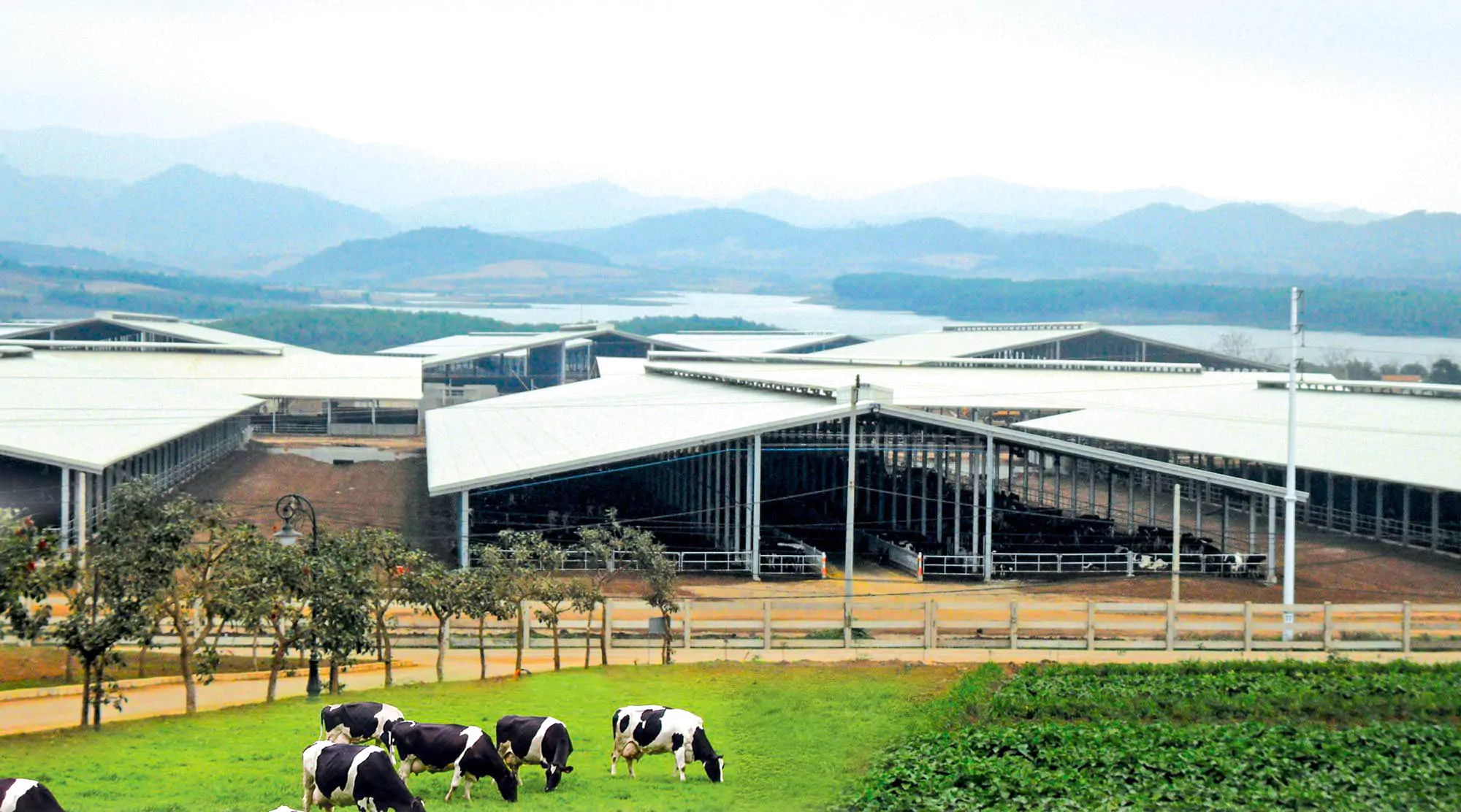
Cow Shed (Vietnam)
Project information: Cow shed in Vietnam
3. Farm Shed Size Guide
One major gap in many farm shed websites is the lack of practical size recommendations. The optimal shed size depends on the intended use and farm scale.
Below is a general farm shed size guide.
| Farm Shed Type | Typical Span | Typical Length | Use Case |
|---|---|---|---|
| Machinery shed | 18–30 m | 20–50 m | Tractors & harvesters |
| Hay storage shed | 15–24 m | 20–40 m | Hay bale storage |
| Grain storage shed | 20–36 m | 30–60 m | Bulk grain |
| Livestock shed | 12–24 m | 20–40 m | Cattle or sheep housing |
Large farms may require custom steel buildings exceeding 40 meters in span to accommodate extensive machinery fleets and storage capacity.
4. Key Farm Shed Design Considerations
Designing an efficient farm shed involves several engineering and operational considerations.
Building Span and Height
The span and height of a shed determine how much machinery or storage capacity the building can support. Large agricultural equipment requires sufficient clearance for safe operation.
Wind Load and Structural Engineering
Agricultural buildings must be engineered to withstand environmental loads. In regions such as Australia, structural design must consider:
-
High wind zones
-
Cyclone conditions in coastal areas
-
Heavy rainfall loads
Proper structural steel engineering ensures long-term building stability.
More about Australian structural steel standards.
Ventilation and Airflow
Ventilation is critical for agricultural storage. Poor airflow can cause moisture buildup, which may damage hay, grain, or livestock conditions.
Common ventilation solutions include:
-
Ridge vents
-
Wall openings
-
Natural airflow design
Door and Access Design
Large agricultural machinery requires wide door openings. Sliding doors or roller doors are commonly used in farm sheds to allow easy vehicle access.
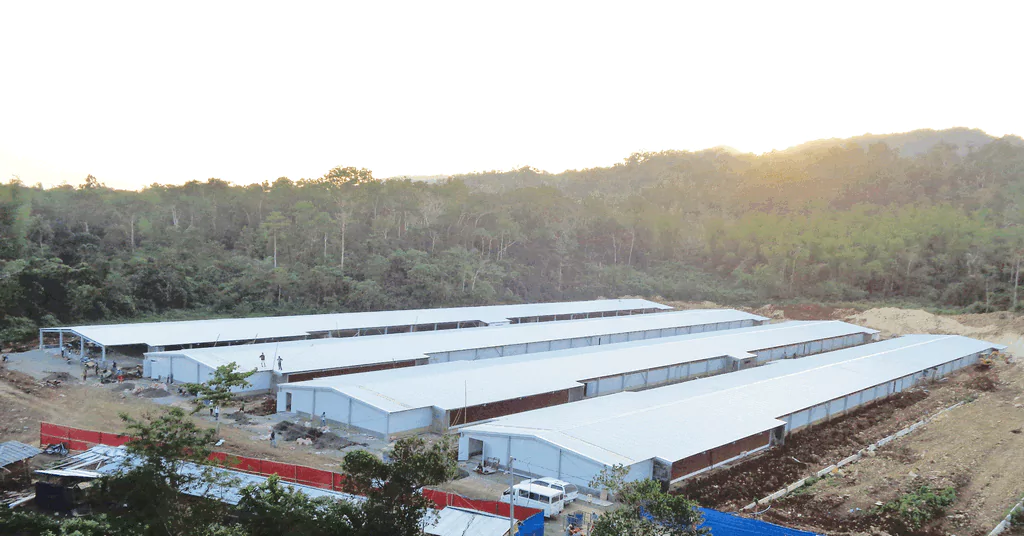
Steel Structured Animal Shelter Project
Project Information: poultry shed philippines
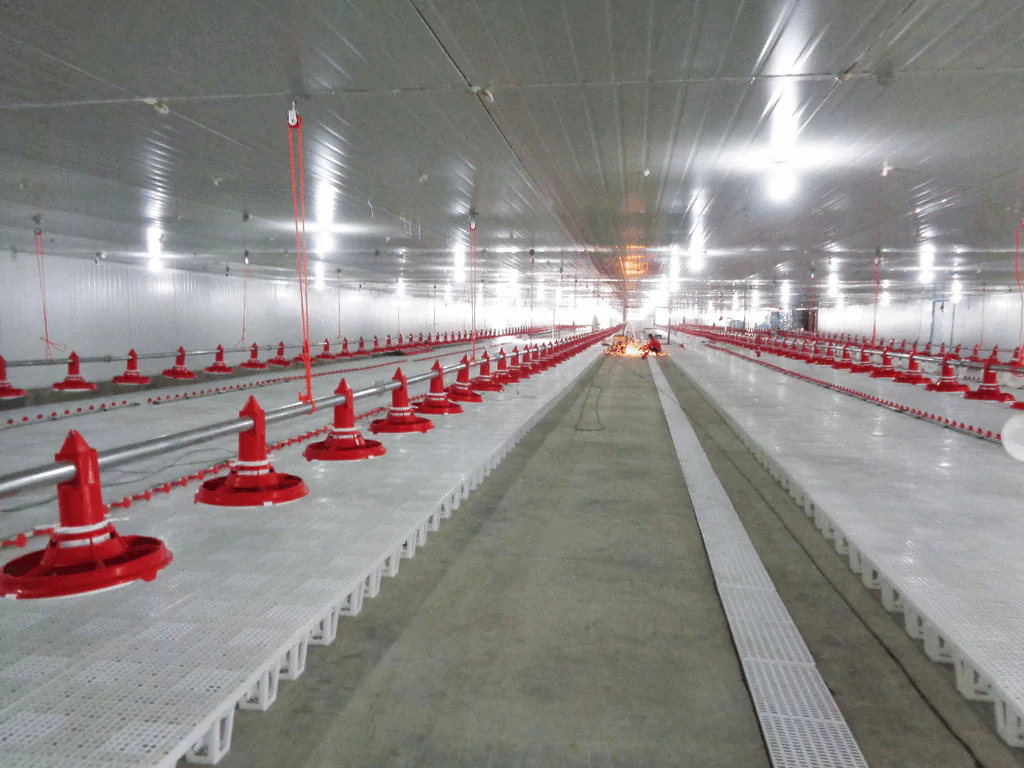
Steel Structured Animal Shelter Project
5. Farm Shed Cost Factors
Many farmers search online for farm shed cost in Australia, but actual costs vary depending on several factors.
Building Size and Span
Larger buildings require more steel and stronger structural systems.
Structural Engineering Requirements
Buildings located in high-wind or cyclone-prone areas require stronger frames and reinforcement.
Roofing and Cladding Materials
Different cladding systems influence insulation performance, durability, and weather resistance.
Foundation and Site Preparation
Ground conditions, soil stability, and site preparation requirements can affect the total project cost.
Additional Features
Optional features may include:
-
Insulation systems
-
Skylights
-
Ventilation equipment
-
Solar panels
Although steel buildings may require higher initial investment, they often provide lower lifecycle costs due to durability and reduced maintenance.
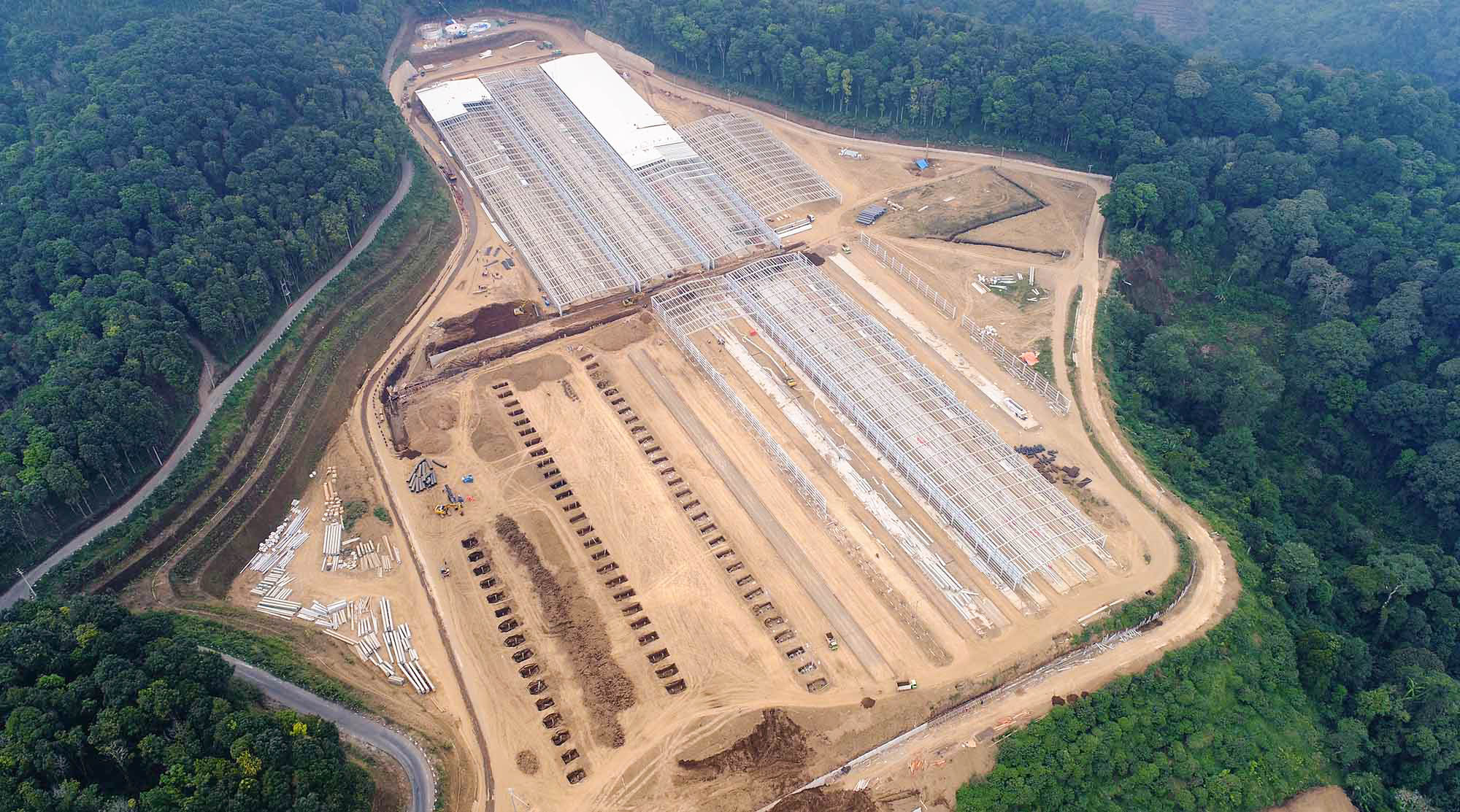
Steel Structured Agricultural farm Indonesia
Project Information:
6. Engineering Advantages of Steel Farm Sheds
Modern steel agricultural buildings are engineered to meet strict structural standards.
Key engineering benefits include:
High-Strength Steel Frames
Structural steel frames provide exceptional strength while maintaining efficient material use.
Long Span Structural Systems
Advanced engineering allows spans exceeding 40 meters without internal columns.
Corrosion Protection
Protective coatings and galvanized components help prevent corrosion in agricultural environments.
Weather Resistance
Steel buildings are designed to withstand strong winds, heavy rain, and extreme weather conditions.
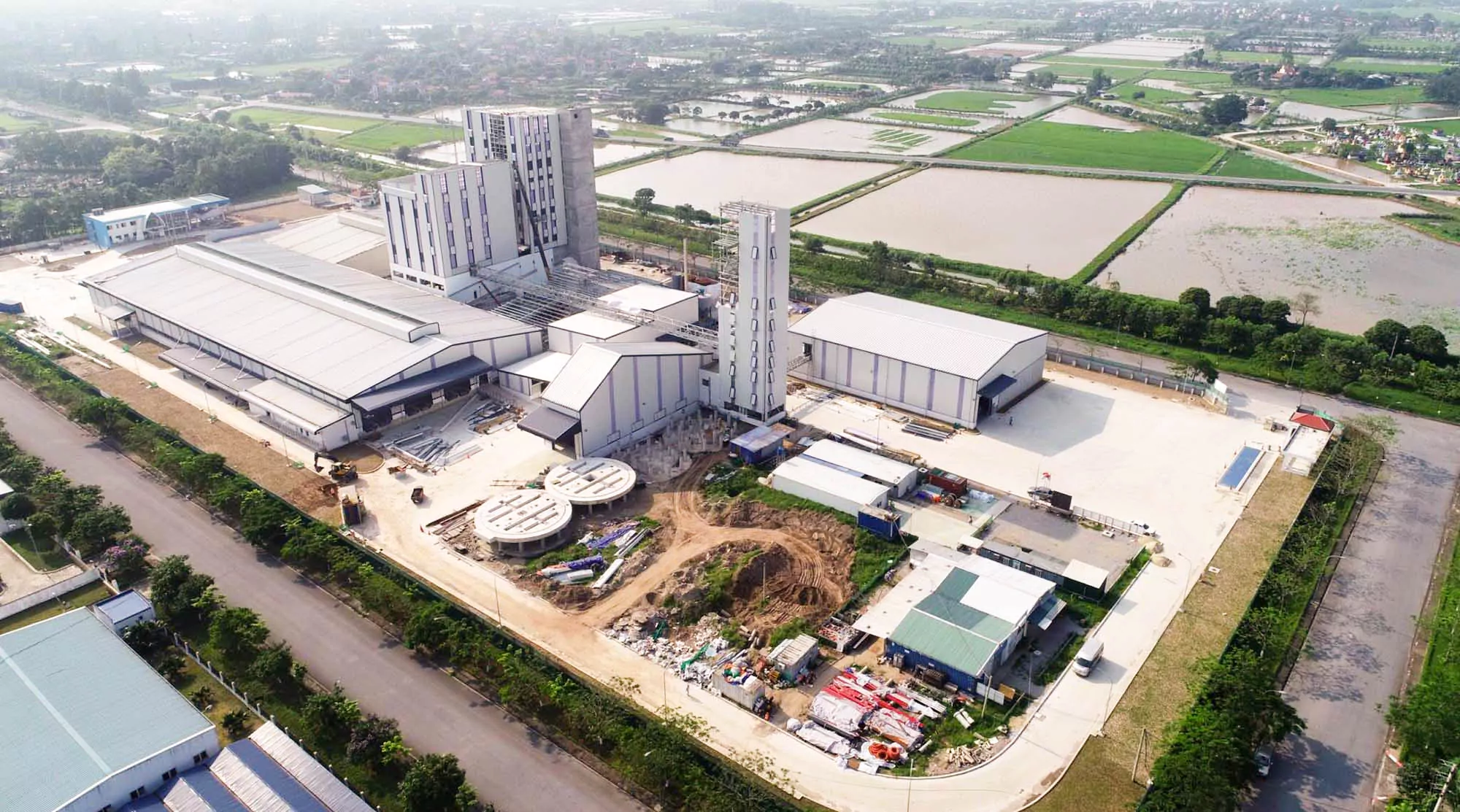
Pre Engineered Animal Feed Factory Project (Vietnam) 2018
Project Information:
7. Applications of Farm Sheds in Modern Agriculture
Farm sheds are used across many agricultural sectors.
Common applications include:
-
Farm machinery storage buildings
-
Grain handling and storage facilities
-
Hay bale storage structures
-
Livestock housing buildings
-
Fertilizer and chemical storage facilities
Large farms often develop multiple specialized sheds within a single agricultural complex.
More about Pebsteel’s projects.
8. Choosing the Right Farm Shed Builder
Selecting the right construction partner is essential for ensuring the performance and longevity of agricultural buildings.
Key factors to consider include:
Engineering Experience
Builders should have experience designing large-span steel agricultural buildings.
Custom Design Capability
Every farm has unique operational requirements. Custom engineering ensures the building fits the farm’s workflow.
High-Quality Materials
Using high-grade steel and protective coatings improves durability and reduces maintenance needs.
Proven Project Experience
Experienced builders understand agricultural needs such as ventilation design, machinery access, and storage optimization.
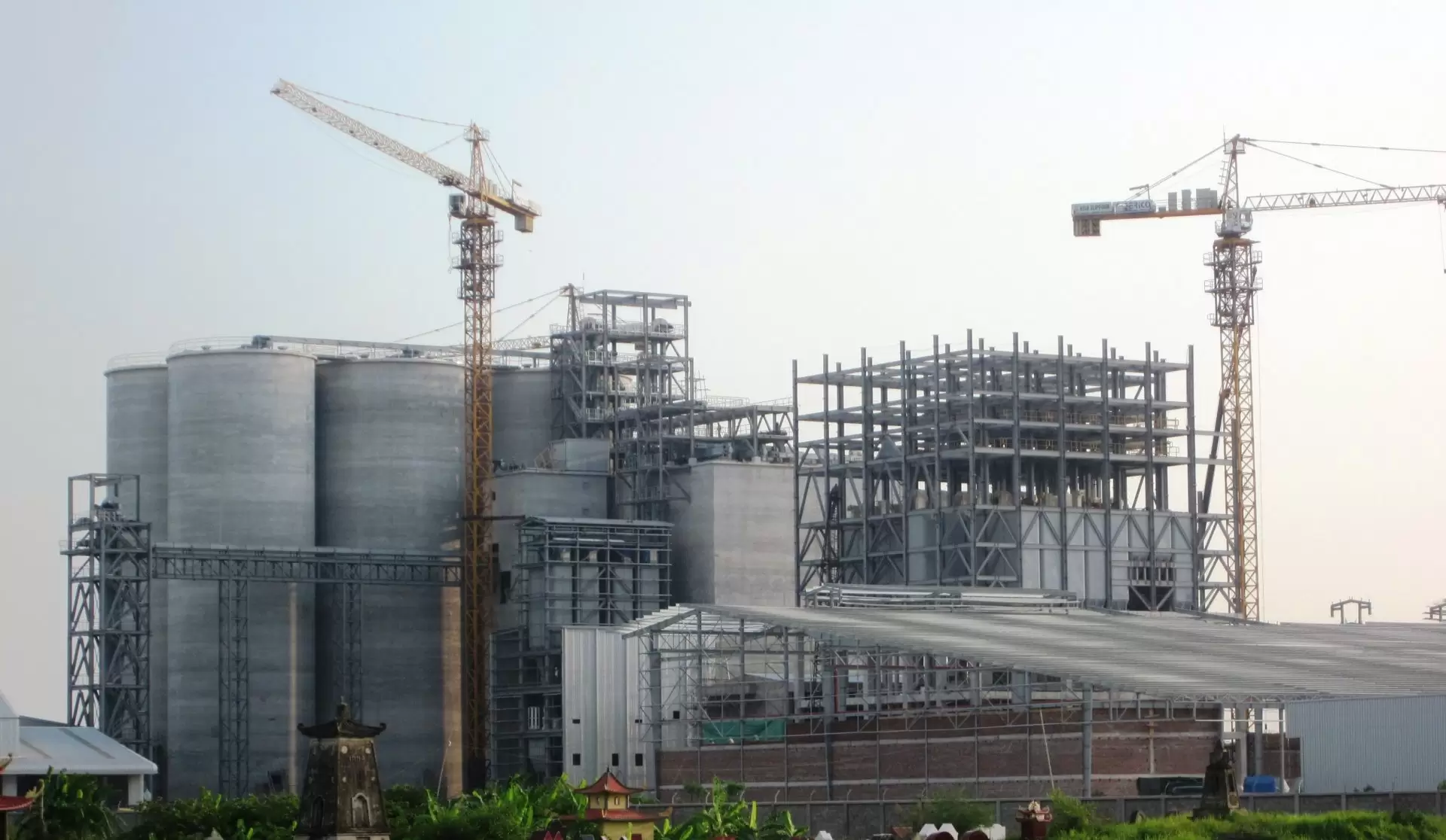
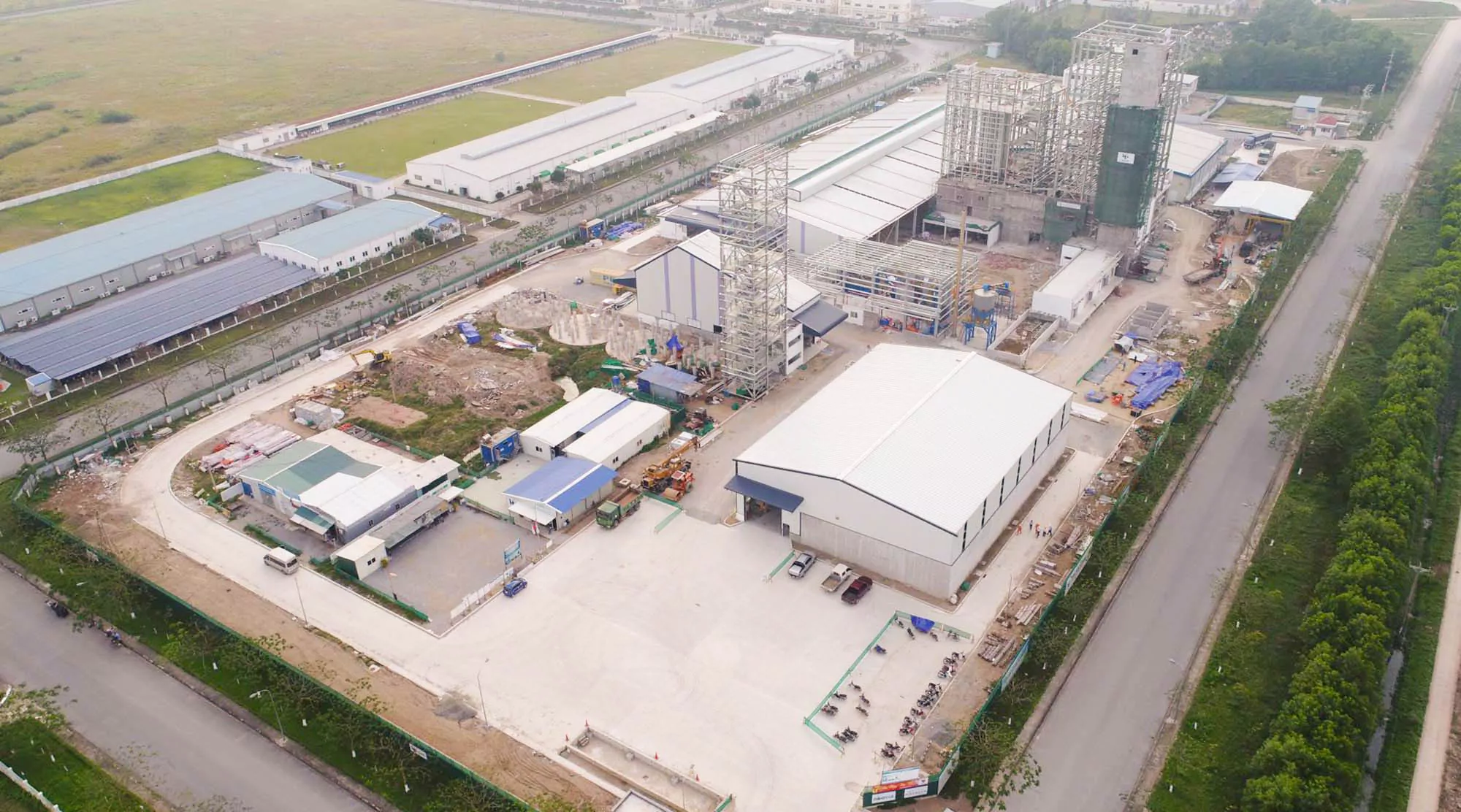
Feed Mill Factory (Hai Duong, Vietnam)
Project information: https://pebsteel.com/en/projects/feed-mill-factory-hai-duong-vietnam/
9. Future Trends in Farm Shed Design
Agricultural infrastructure continues to evolve with technological advances and sustainability initiatives.
Key trends include:
Smart Farming Infrastructure
Modern agricultural buildings may integrate monitoring systems, sensors, and automation technologies.
Energy-Efficient Farm Buildings
Solar panels and natural ventilation systems are becoming more common in farm buildings.
Modular Agricultural Construction
Expandable steel building systems allow farms to increase capacity as operations grow.
10. Conclusion
A farm shed is an essential building for modern agricultural operations. Whether used for machinery storage, hay protection, grain storage, or livestock housing, a well-designed shed improves efficiency and protects valuable farm assets.
Steel farm sheds offer the strength, flexibility, and durability required for demanding agricultural environments. With large clear spans, fast construction, and low maintenance requirements, pre-engineered steel agricultural buildings have become the preferred solution for modern farming infrastructure.
Investing in a well-engineered farm shed ensures long-term operational efficiency and supports the future growth of agricultural businesses.
11. FAQ
What is a farm shed used for?
A farm shed is used to store agricultural machinery, protect crops such as hay and grain, house livestock, or support other farming operations.
What material is best for building a farm shed?
Steel is widely considered the best material because it provides durability, weather resistance, and large clear-span spaces suitable for agricultural equipment.
How large should a farm shed be?
Farm shed sizes depend on the intended use. Machinery sheds typically range from 18 to 30 meters in span, while large agricultural buildings may exceed 40 meters.
How much does a farm shed cost?
Farm shed costs vary depending on building size, engineering requirements, materials, and site conditions.
Do farm sheds require building permits?
In many regions, farm sheds must comply with local building regulations and may require permits depending on size, location, and intended use.
If you have questions that need to be answered, please contact us at the following email: marketing@pebsteel.com.vn
Disclaimer: The content provided in this article is for reference purposes only. Technical specifications and design requirements may vary based on specific project conditions and local regulations.