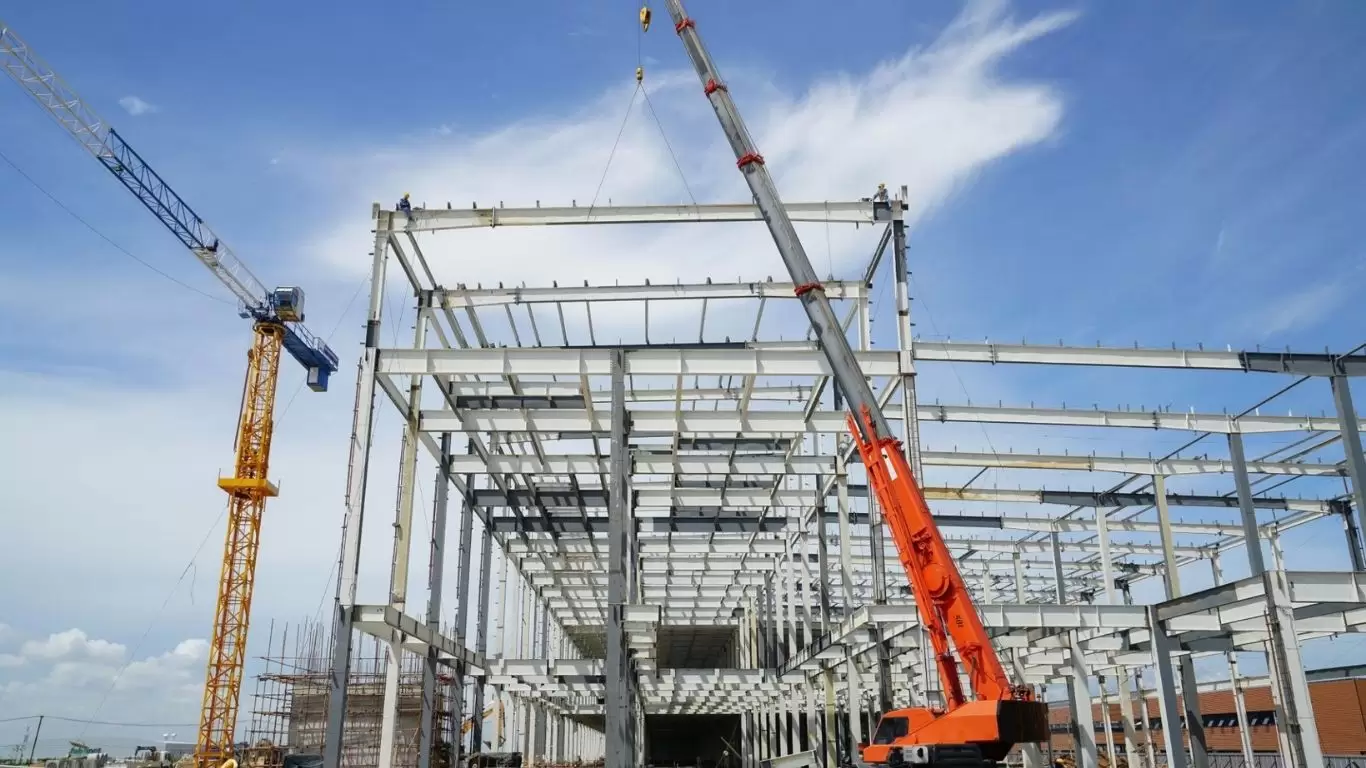

Cambodia’s construction industry has experienced rapid growth over the past decade, driven by foreign investment, infrastructure development, and industrial expansion. Steel structures are increasingly used for warehouses, factories, logistics centers, commercial buildings, and infrastructure projects.
However, unlike some developed markets that have fully established national building codes, Cambodia does not yet maintain a comprehensive and independent structural steel standard system. Instead, most projects rely on internationally recognized steel standards to ensure structural integrity, safety, and engineering consistency.
In practice, structural steel projects in Cambodia commonly follow standards such as ASTM, AISC, JIS, and sometimes Eurocodes or Australian standards depending on the project requirements, engineering consultants, and contractors involved.
Understanding which steel standards are used in Cambodia is essential for Cambodian Steel Company developers, contractors, and engineers working on industrial buildings, pre-engineered buildings (PEB), or infrastructure projects within the country.
1. Overview of Structural Steel Regulations in Cambodia
Construction regulations in Cambodia are managed by the Ministry of Land Management, Urban Planning and Construction (MLMUPC). The ministry oversees building permits, structural safety regulations, and compliance requirements for construction projects across the country.
While Cambodia has national construction regulations and building permit requirements, the country often allows projects to adopt recognized international engineering standards for structural design and material specifications.
These regulations typically require construction projects to:
-
Use certified structural materials
-
Follow internationally recognized engineering codes
-
Perform structural design calculations and safety verification
-
Conduct material testing and quality inspection
-
Ensure compliance with engineering safety factors
For steel structures, this means that project engineers usually select appropriate international standards such as ASTM material specifications or AISC structural design guidelines.
This approach ensures Cambodian construction projects maintain international safety levels even without a fully localized steel standard system.
2. International Steel Standards Commonly Used in many Cambodian companies
Because Cambodia relies heavily on imported materials and international contractors, several global steel standards are widely used across construction projects.
The most commonly referenced standards include ASTM, AISC, JIS, and sometimes Australian or European codes.
ASTM Steel Standards
ASTM standards from the United States are among the most widely used material specifications for structural steel in Cambodia. ASTM standards define mechanical properties, chemical composition, and testing requirements for steel materials used in construction.
Common ASTM grades used in Cambodian structural projects include:
ASTM A36
ASTM A36 is one of the most widely used structural steel grades worldwide. It provides good weldability, machinability, and moderate strength, making it suitable for general structural applications.
Typical uses include:
-
Steel beams and columns
-
Structural frames
-
Steel plates and components
-
Industrial buildings
ASTM A572
ASTM A572 is a high-strength low-alloy structural steel used in projects that require higher load capacity and improved strength-to-weight performance.
It is often used for:
-
Large-span steel buildings
-
Bridges
-
Heavy structural frameworks
ASTM A500
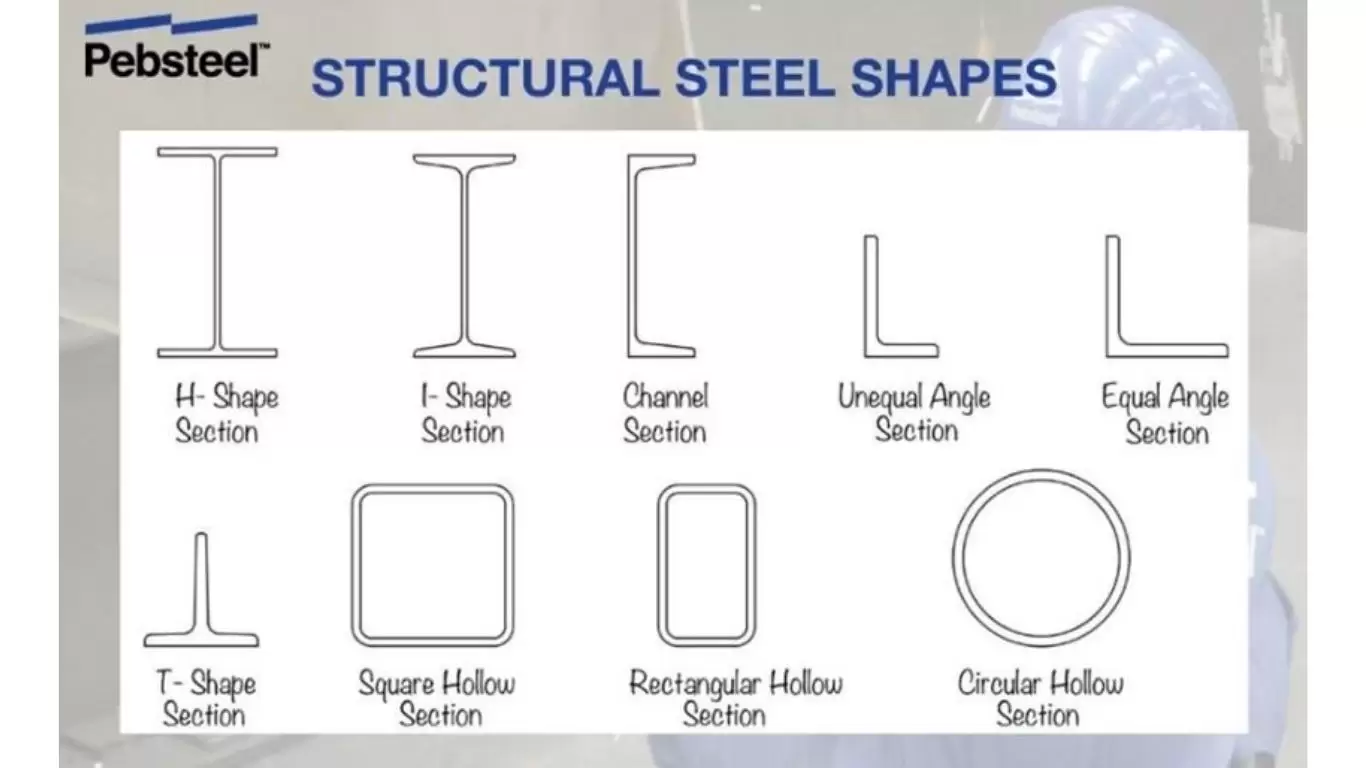
ASTM A500 is commonly used for structural tubing such as hollow structural sections (HSS). These sections are widely used in steel frames, columns, and architectural structures.
Applications include:
-
Steel columns
-
Structural tubing frames
-
Architectural steel structures
ASTM standards are particularly popular in Cambodia because many international engineering consultants and contractors are already familiar with American specifications.
AISC Structural Steel Design Standards
While ASTM standards focus on steel materials, the design of steel structures often follows guidelines from the American Institute of Steel Construction (AISC).
AISC provides detailed engineering rules for structural steel design, steel fabrication, and construction.
The most commonly used AISC document is:
AISC 360 – Specification for Structural Steel Buildings
This standard defines how engineers should calculate loads, design structural members, and evaluate steel connections.
AISC standards cover several key engineering areas including:
-
Structural analysis
-
Load combinations
-
Steel member design
-
Bolted and welded connections
-
Stability and buckling
-
Structural safety factors
Many international construction firms operating in Southeast Asia adopt AISC design standards because they provide a comprehensive and globally recognized framework for steel structures.
Japanese Industrial Standards (JIS)
Japanese Industrial Standards are also commonly used in Cambodian construction projects, especially those involving Japanese contractors or suppliers.
One of the most widely used JIS steel standards is:
JIS G3101 – Rolled Steel for General Structure
This standard specifies structural steel grades including:
-
SS330
-
SS400
-
SS490
-
SS540
Among these, SS400 is particularly common in Southeast Asia and is frequently used for general structural applications.
JIS steel is often imported from Japan, Vietnam, or other Asian steel manufacturing hubs.
Typical uses include:
-
Structural frames
-
Machinery structures
-
Steel buildings
-
Infrastructure components
Because many Asian steel mills produce JIS-compliant materials, these grades are widely available across regional markets.
Australian and New Zealand Steel Standards
Some projects in Cambodia also adopt Australian or New Zealand standards, particularly when international developers or engineering firms from Australia are involved.
One example is:
AS/NZS 1163 – Cold-Formed Structural Steel Hollow Sections
This standard specifies the requirements for hollow structural sections such as:
-
Circular Hollow Sections (CHS)
-
Rectangular Hollow Sections (RHS)
-
Square Hollow Sections (SHS)
These steel sections are commonly used for structural frameworks, columns, and architectural steel components.
AS/NZS standards define several strength grades including:
-
C250
-
C350
-
C450
The grade number indicates the minimum yield strength of the steel in megapascals.
3. Common Structural Steel Grades Used in Cambodia
Several structural steel grades appear frequently in Cambodian construction projects due to their availability and compatibility with international standards.
Some commonly used steel grades include:
SS400 (JIS G3101)
This is one of the most common structural steel grades used across Southeast Asia. It provides good weldability and moderate strength suitable for general building structures.
ASTM A36
Widely used for beams, columns, plates, and general steel structures.
ASTM A572
Often used when higher structural strength is required for large buildings or bridges.
ASTM A500
Commonly used for structural tubing and hollow sections.
C350 (AS/NZS 1163)
Frequently used for hollow structural sections in steel buildings.
These materials are commonly used in projects such as:
-
Industrial factories
-
Steel warehouses
-
Logistics buildings
-
Commercial structures
-
Infrastructure projects
4. Structural Steel Applications in Cambodia
Structural steel is increasingly used in many Cambodian construction companies because it offers several advantages compared to traditional reinforced concrete structures.
Industrial Buildings
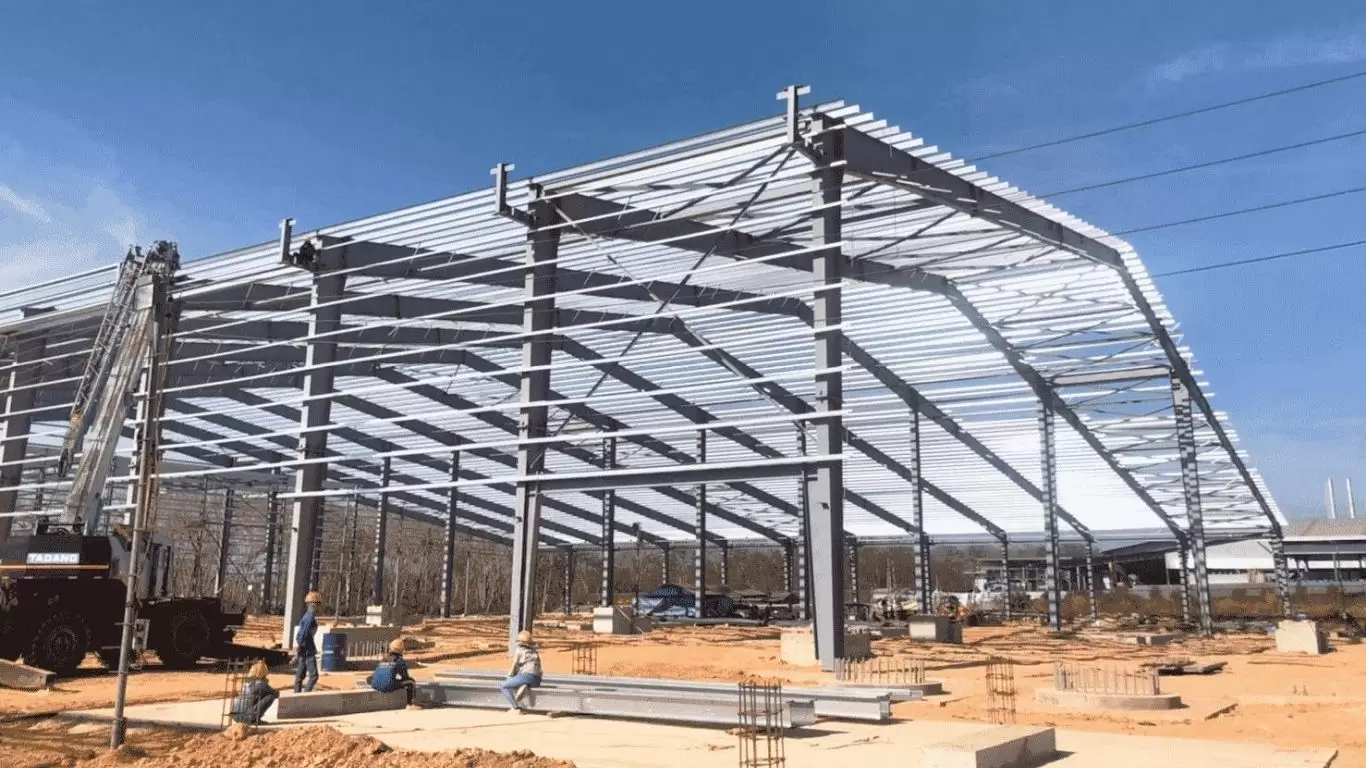
Factories and industrial facilities often use steel structures because they allow large column-free spaces and faster construction timelines.
Steel Warehouses
Warehouses require wide spans and flexible layouts, which makes steel structures an efficient solution.
Pre-Engineered Buildings (PEB)
Pre-engineered steel buildings are becoming more popular in Cambodia due to their cost efficiency, rapid installation, and modular design.
PEB systems are commonly used for:
-
Manufacturing plants
-
Logistics hubs
-
Agricultural buildings
-
Industrial warehouses
Infrastructure Projects
Steel is also used in bridges, transportation infrastructure, and heavy structural systems.
5. Why Cambodia Uses International Steel Standards
Several factors explain why Cambodia relies heavily on international engineering standards.
Limited Local Standardization
Cambodia is still developing its national building code framework. As a result, international standards provide a reliable reference for engineering design.
Imported Construction Materials
Most structural steel used in Cambodia is imported from countries such as Vietnam, China, Thailand, and Japan. These materials are typically manufactured according to international standards.
International Engineering Firms
Many construction projects involve international consultants and contractors who prefer using globally recognized design codes.
Safety and Quality Assurance
International standards include well-established testing procedures, safety factors, and structural design guidelines that ensure reliable engineering performance.
6. Choosing the Right Steel Standard for Cambodian Projects
Selecting the appropriate steel standard depends on several project factors.
Project Type
Industrial buildings, warehouses, and bridges may require different structural specifications.
Engineering Consultant
Many projects follow the preferred design standards of the consulting engineering firm.
Investor Requirements
International investors may require certain codes such as ASTM or Eurocodes.
Material Availability
Contractors often select materials that are readily available from regional steel suppliers.
In most industrial and commercial construction projects, ASTM material specifications combined with AISC design standards remain the most widely used approach.
7. Future Development of Cambodian Steel Standards
As Cambodia continues to develop its construction sector, the government may gradually establish more detailed national building codes and structural standards.
Future regulations may include:
-
National structural design standards
-
Steel material specifications
-
Seismic design requirements
-
Construction quality control procedures
Developing local standards could help strengthen Cambodia’s construction industry and improve engineering consistency across projects.
However, international standards will likely remain important for large-scale and foreign-invested developments.
Our Cambodia Office:
- 6th Fl., Emerald Building, Norodom Blvd Corner St.178, Chey Chumneah, Dun Penh, Phnom Penh City, Cambodia.
View on Google Maps - Phone: (+855) 23 988 878
- Email: cambodia@pebsteel.com
- Website: kh.pebsteel.com
Disclamer: The content provided in this article is for reference purposes only. For further details or clarification based on your needs, please contact Pebsteel directly.