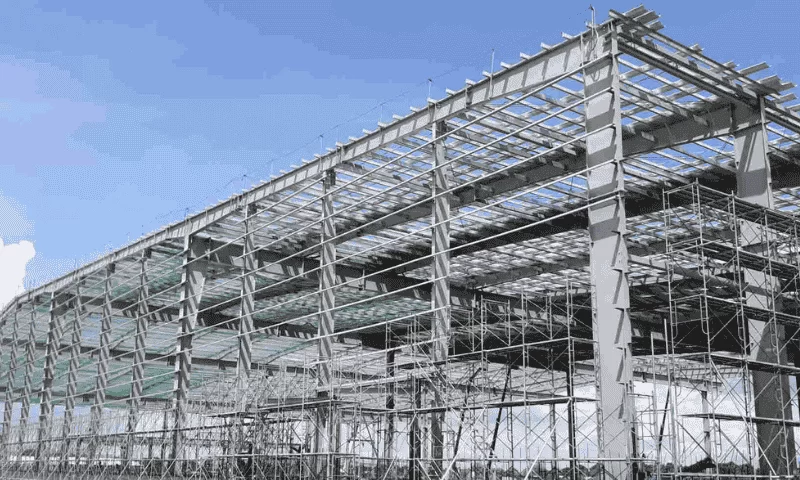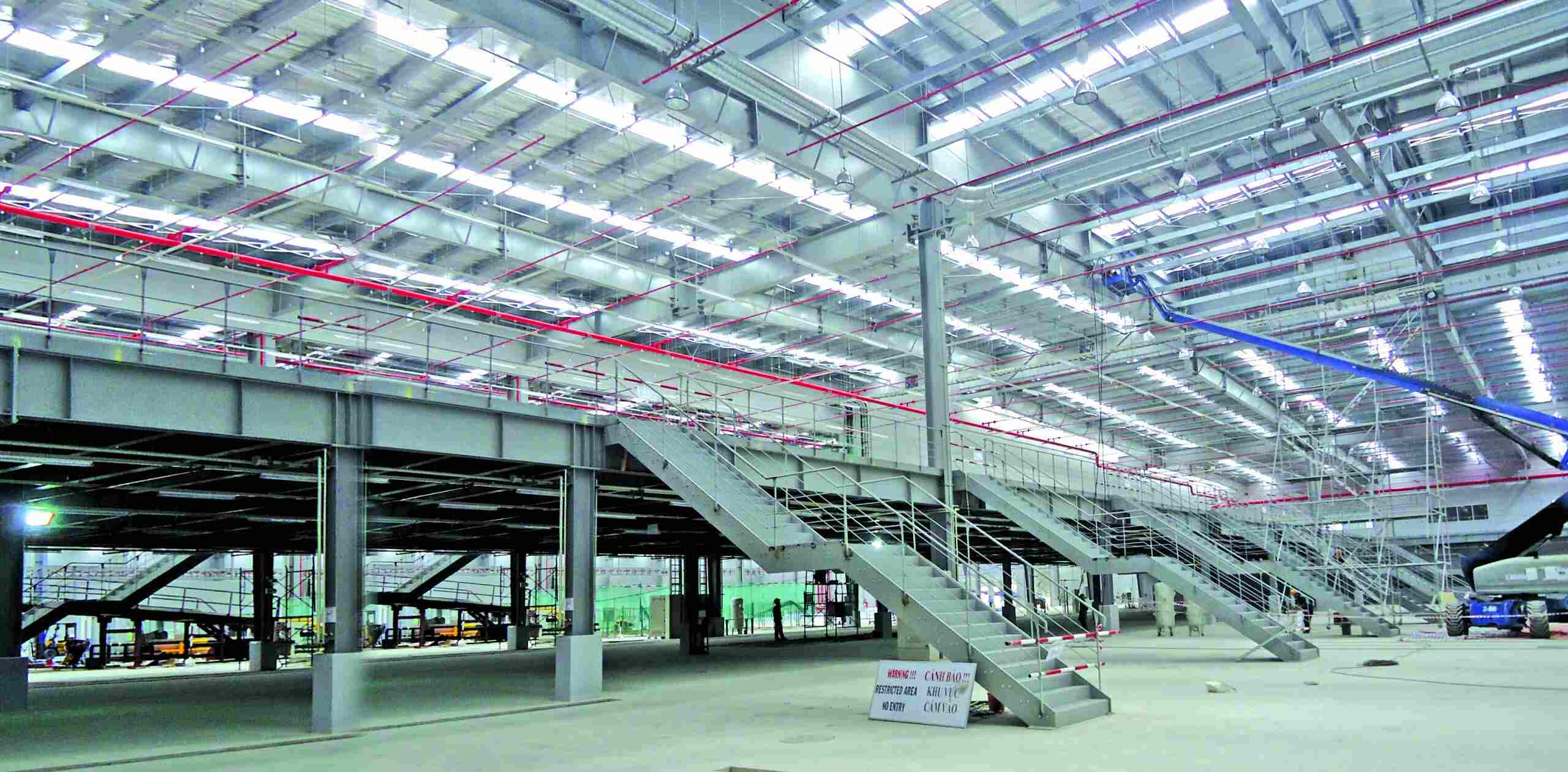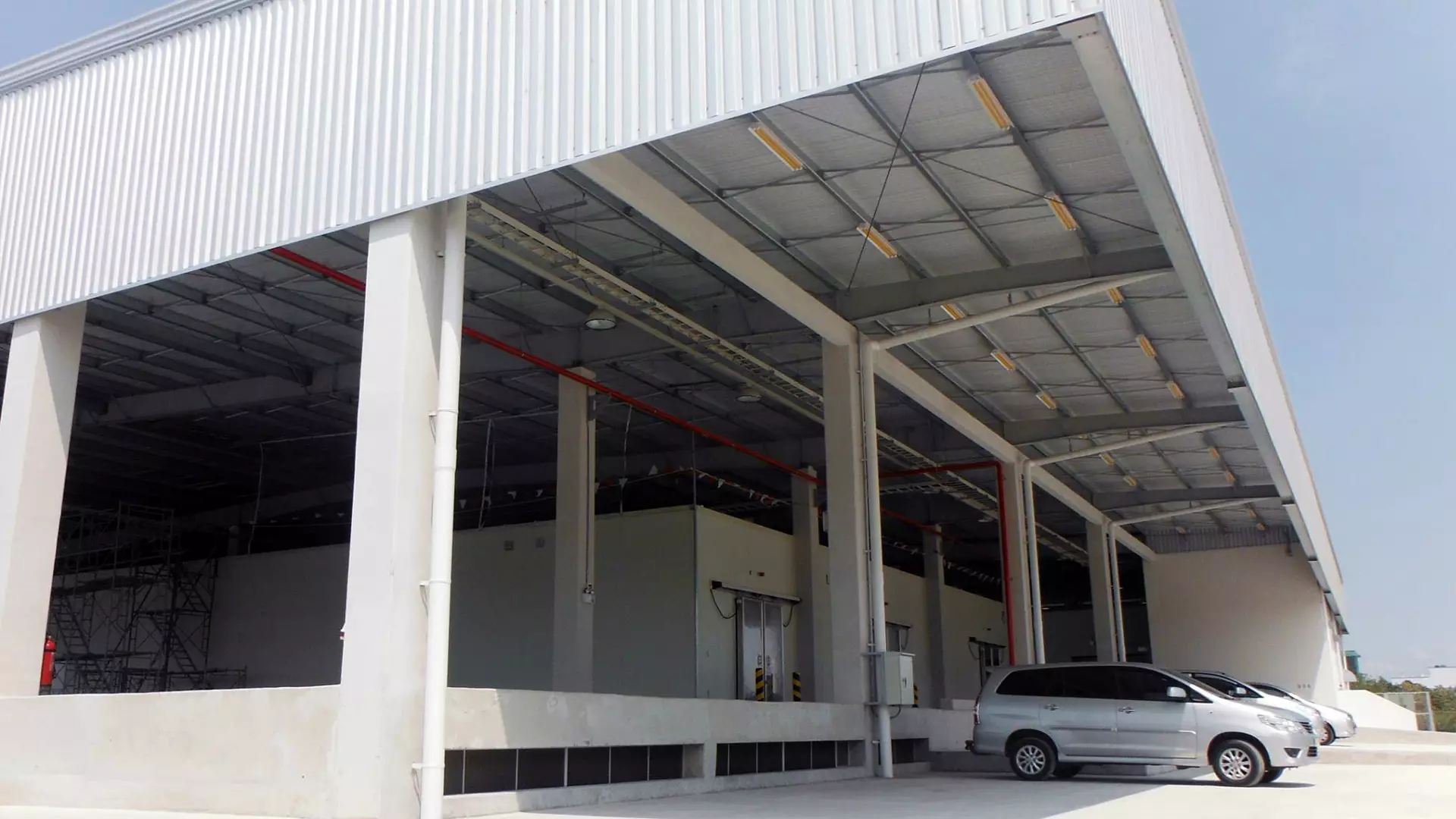

Shed workshop play an essential role in Australia’s industrial, agricultural, and manufacturing sectors. From machinery maintenance facilities to fabrication workshops and equipment storage, these structures provide durable and flexible spaces for various operational needs.
In recent years, steel shed workshop have become the preferred choice for businesses due to their strength, cost efficiency, and adaptability. Compared to traditional construction materials, steel structures offer faster construction timelines and greater design flexibility, making them ideal for industrial applications.
This guide explores workshop sheds in Australia, including their types, design considerations, cost factors, and why steel structures are increasingly used for modern workshop facilities.
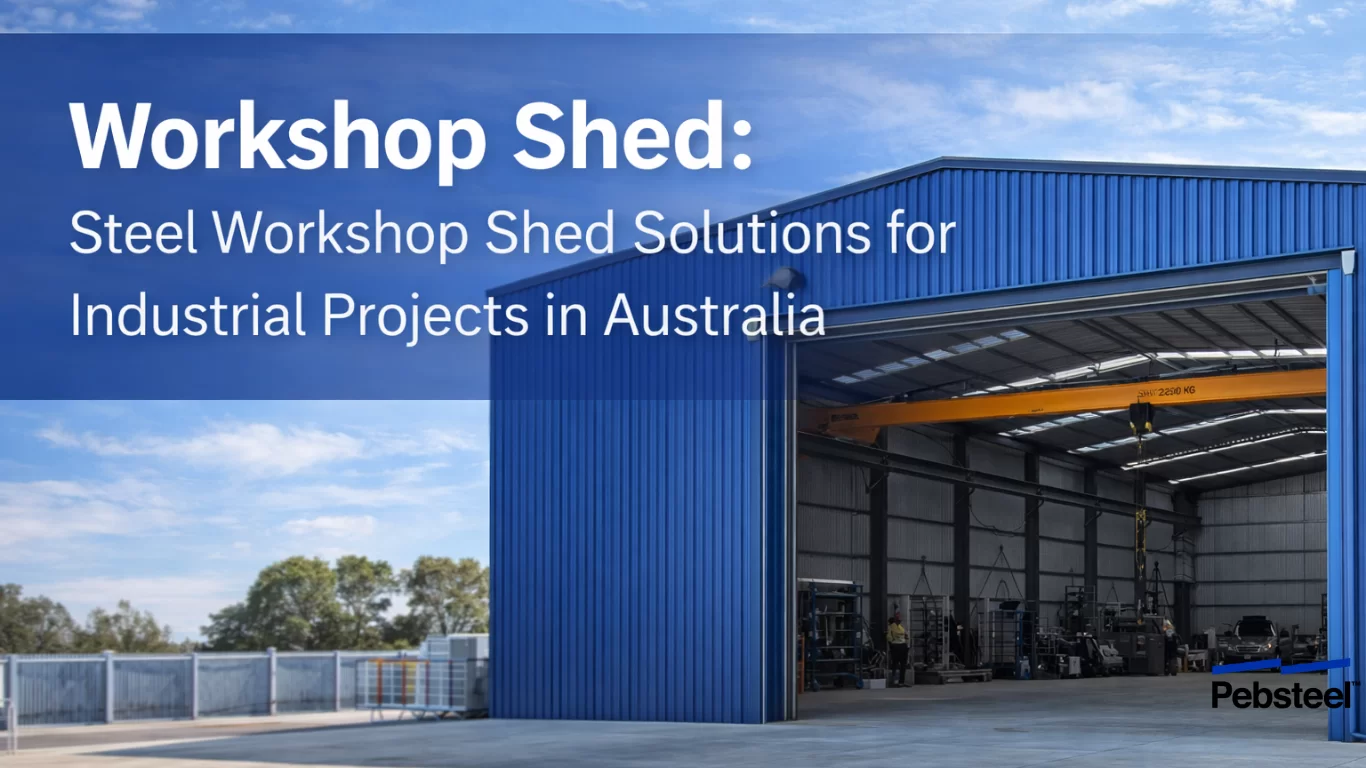
1. What Is a Workshop Shed?
A workshop shed is a purpose-built structure designed to provide a workspace for maintenance, fabrication, storage, or industrial operations. These buildings are commonly used across industries where machinery, equipment, or vehicles require sheltered working areas.
Typical workshop shed applications include:
-
Mechanical repair workshops
-
Industrial fabrication facilities
-
Agricultural equipment maintenance sheds
-
Manufacturing and assembly spaces
-
Machinery storage and service areas
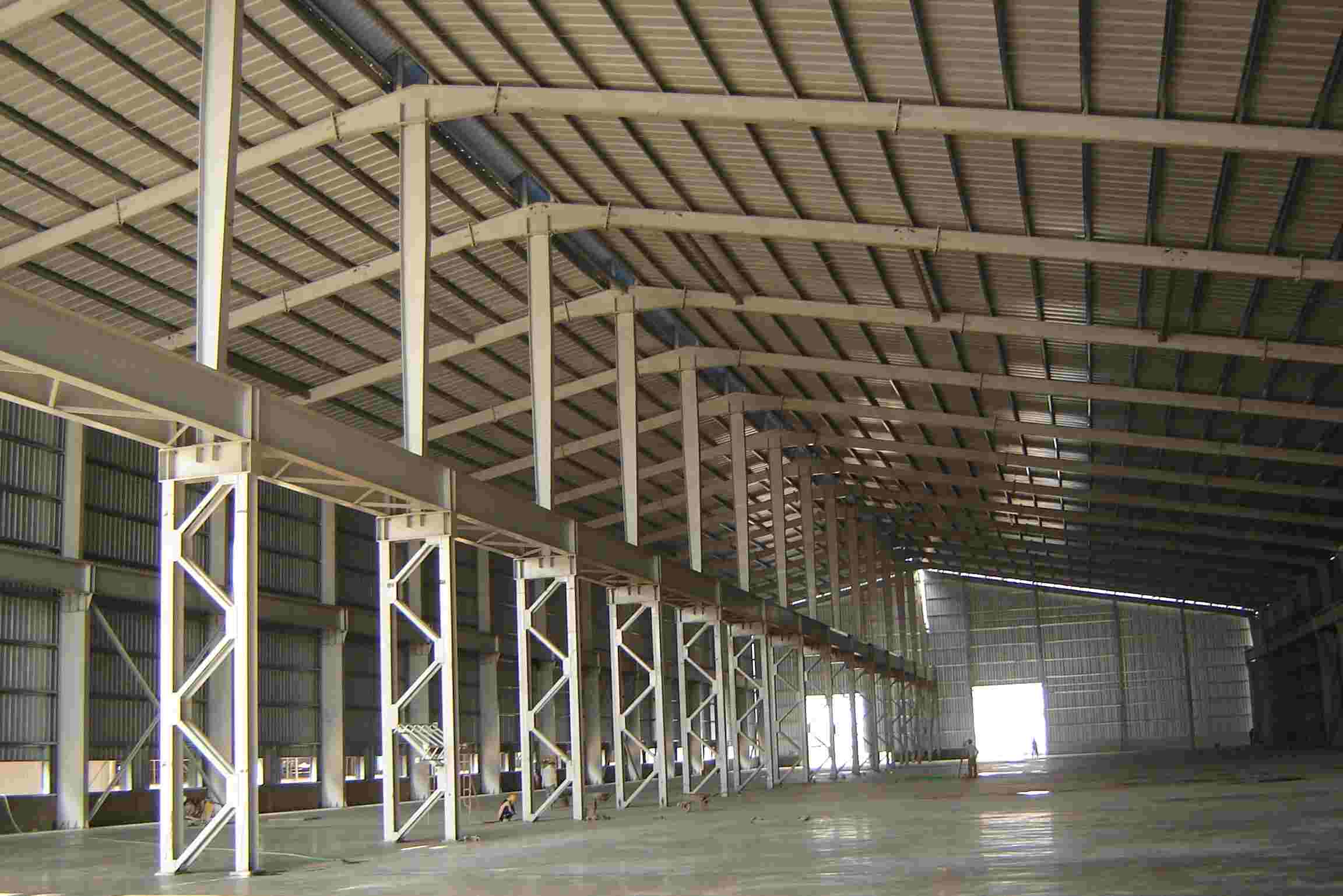
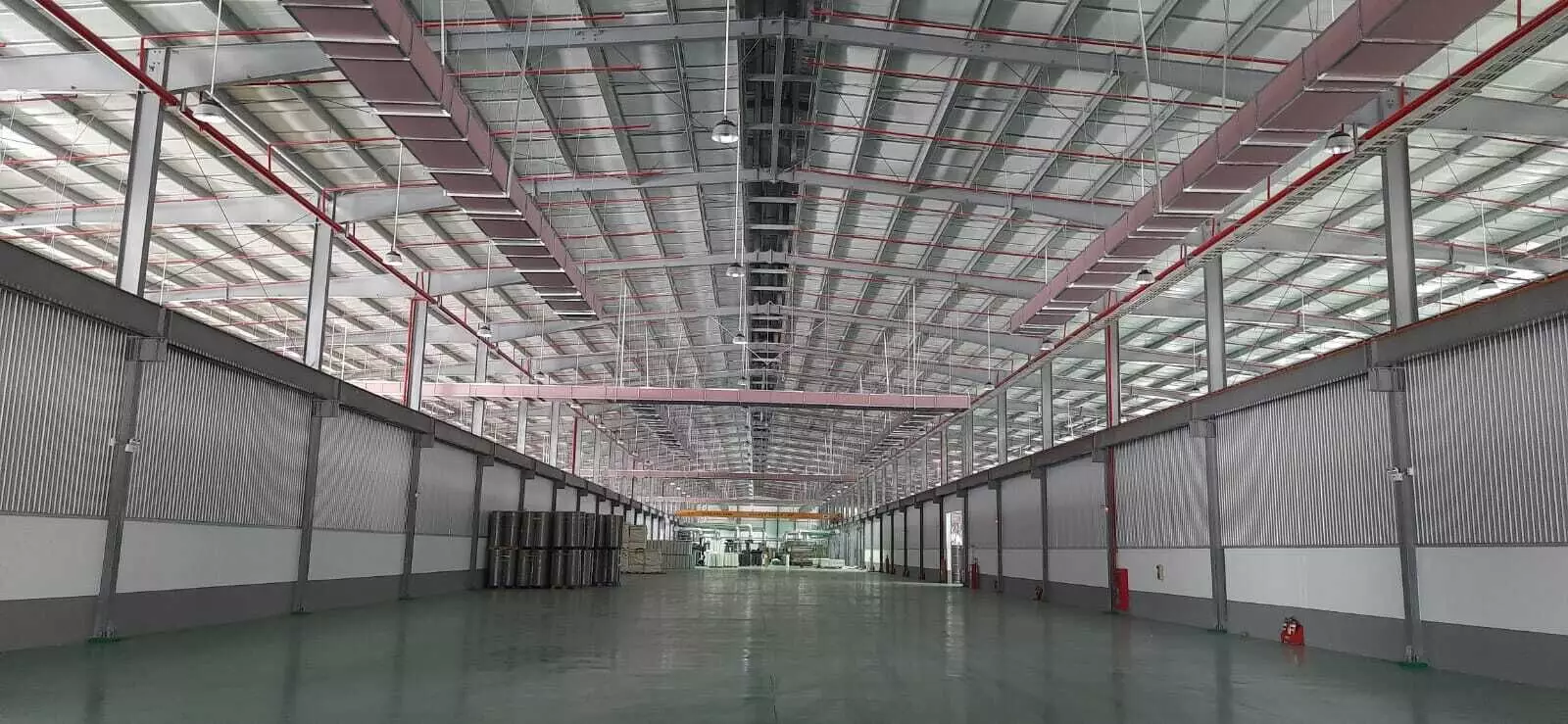
Workshop sheds are often designed with large open spans, allowing equipment, vehicles, and cranes to operate efficiently inside the structure.
In Australia, workshop sheds are typically built using steel frames or prefabricated steel structures, as these materials provide high strength while enabling wide column-free spaces.
2. Types of Workshop Sheds in Australia
Workshop sheds come in various forms depending on industry requirements. The most common types include the following.
Industrial Workshop Sheds
Industrial workshop sheds are used for manufacturing, assembly, or heavy machinery maintenance. These facilities often require large spans, high roof clearance, and overhead crane systems.
Key features include:
-
Heavy-duty structural steel frames
-
Wide clear-span designs
-
Large roller doors or sliding doors
-
Integrated crane systems
Industrial workshop sheds are widely used in engineering facilities, fabrication workshops, and logistics maintenance centers.
Farm Workshop Sheds
Australia’s agricultural sector relies heavily on farm workshop sheds to maintain tractors, harvesters, and other farming equipment.
These sheds typically feature:
-
Large access doors for machinery
-
Durable steel frames for rural environments
-
Weather-resistant cladding systems
Farm workshop sheds are designed to withstand harsh weather conditions and rural operating environments.
Automotive Workshop Sheds
Automotive workshop sheds provide enclosed workspaces for vehicle repair, servicing, and maintenance operations.
Typical design features include:
-
Adequate ventilation systems
-
Vehicle lifts and service bays
-
Storage areas for tools and parts
Steel workshop structures provide the structural strength required for heavy equipment and service operations.
Machinery and Equipment Workshop Sheds
Machinery workshop sheds are designed for maintaining heavy industrial equipment such as construction machinery or mining vehicles.
These facilities often require:
-
High roof clearance
-
Reinforced steel structures
-
Large-span layouts
Steel construction is particularly suitable for these environments due to its ability to handle heavy loads and operational stress.
3. Advantages of Steel Workshop Sheds
Steel has become the preferred construction material for workshop sheds due to several advantages.
Large Clear Span Design
Steel structures allow for large column-free spaces, which is essential for workshop operations involving large equipment or vehicles.
Clear-span workshop sheds improve operational efficiency by providing unobstructed working areas.
Faster Construction Time
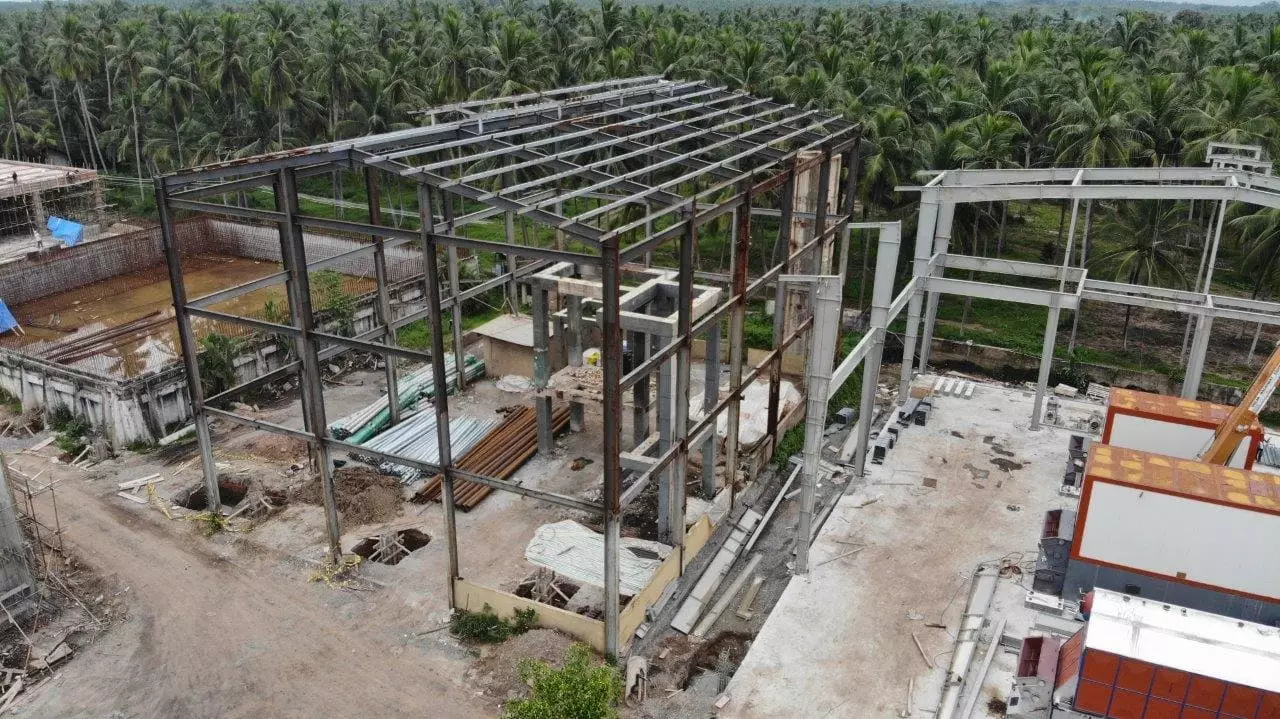
Prefabricated steel components can be manufactured off-site and assembled quickly on-site. This significantly reduces construction timelines compared to traditional building methods.
For industrial projects, faster construction means reduced downtime and earlier operational readiness.
Durability and Strength
Structural steel offers high strength-to-weight ratios and excellent durability. Steel workshop sheds can withstand:
-
Heavy machinery loads
-
High wind conditions
-
Long-term operational use
These characteristics make steel structures ideal for industrial workshop environments.
Design Flexibility
Steel structures provide flexibility in layout and design. Workshop sheds can be customized with:
-
Mezzanine floors
-
Crane systems
-
Ventilation and skylights
-
Insulation systems
This flexibility allows workshop buildings to adapt to specific operational requirements.
4. Workshop Shed Design Considerations
Designing an effective workshop shed requires careful planning to ensure efficiency, safety, and compliance with local regulations.
Several key factors should be considered.
Building Size and Span
The size of a workshop shed depends on its intended function. Industrial workshops often require wide spans to accommodate equipment and operational movement.
Typical considerations include:
-
Width and length of the workspace
-
Clear-span requirements
-
Future expansion possibilities
Steel structures allow designers to achieve large spans without interior columns.
Door and Access Systems
Workshop sheds require large access points to allow vehicles and equipment to enter and exit the building.
Common door types include:
-
Roller doors
-
Sliding doors
-
Hangar-style doors
Proper door design ensures smooth workflow and operational efficiency.
Ventilation and Lighting
Good ventilation and natural lighting are essential for workshop environments.
Design solutions include:
-
Ridge ventilators
-
Wall louvers
-
Skylights or translucent roof panels
These features improve indoor working conditions while reducing energy consumption.
Crane Systems
Many industrial workshop sheds incorporate overhead crane systems for handling heavy equipment and materials.
Structural steel frames can be designed to support:
-
Overhead bridge cranes
-
Gantry cranes
-
Monorail crane systems
Integrating crane systems during the design stage improves operational efficiency.
5. Structural Steel Standards for Workshop Sheds in Australia
Workshop sheds in Australia must comply with national construction and engineering regulations.
Australian key standards include:
AS 4100 – Steel Structures
This standard defines design requirements for structural steel buildings.
AS/NZS 5131 – Structural Steelwork Fabrication and Erection
This standard governs fabrication quality, welding, inspection, and construction procedures.
National Construction Code (NCC)
The NCC ensures that buildings meet safety and structural performance requirements.
Compliance with these standards ensures workshop sheds meet structural integrity and safety requirements across Australia.
6. Workshop Shed Cost in Australia
The cost of building a workshop shed in Australia varies depending on several factors.
Key cost drivers include:
-
Building size and span
-
Structural steel specifications
-
Roof and wall cladding systems
-
Site conditions and foundations
-
Crane systems or mezzanine floors
In general, steel workshop sheds offer competitive costs because they reduce construction time and optimize material usage.
For industrial projects, prefabricated steel buildings can also reduce labor costs and construction risks.
7. Why Steel Workshop Sheds Are Ideal for Industrial Projects
Steel workshop sheds offer several benefits for large-scale industrial facilities.
Efficient Construction
Prefabricated steel systems allow faster project delivery and minimize construction disruptions.
Long-Term Performance
Steel structures provide excellent durability and require relatively low maintenance compared to other building materials.
Customizable Solutions
Steel workshop sheds can be tailored to meet specific operational needs, including specialized layouts and equipment integration.
These advantages make steel structures ideal for industries such as:
-
Manufacturing
-
Logistics and warehousing
-
Agricultural machinery maintenance
-
Equipment servicing facilities
8. Conclusion
Workshop sheds are essential structures for many industries across Australia. Whether used for manufacturing, machinery maintenance, or agricultural operations, these buildings must provide durability, functionality, and efficient workspace layouts.
Steel workshop sheds have become the preferred solution due to their strength, flexibility, and fast construction timelines. With proper design and compliance with Australian structural standards, these buildings can deliver reliable long-term performance for industrial operations.
As Australia’s industrial sector continues to grow, demand for modern steel workshop sheds will remain strong, particularly for projects requiring large spans, efficient construction, and adaptable layouts.
9. People Also Ask (FAQ)
What is a workshop shed?
A workshop shed is a building designed to provide workspace for maintenance, manufacturing, equipment servicing, or machinery storage. These structures are commonly used in industrial and agricultural environments.
How much does a workshop shed cost in Australia?
The cost of a workshop shed depends on factors such as size, structural design, materials, and site conditions. Larger industrial workshop sheds with crane systems or custom features typically have higher construction costs.
What size workshop shed do I need?
The size of a workshop shed depends on the equipment and operations inside the building. Industrial workshops often require large clear-span layouts to accommodate machinery and vehicle movement.
Why are steel workshop sheds popular in Australia?
Steel workshop sheds are popular because they offer strong structural performance, large-span capabilities, faster construction, and long-term durability.
If you have questions that need to be answered, please contact us at the following email: marketing@pebsteel.com.vn
Disclaimer: The content provided in this article is for reference purposes only. Technical specifications and design requirements may vary based on specific project conditions and local regulations.