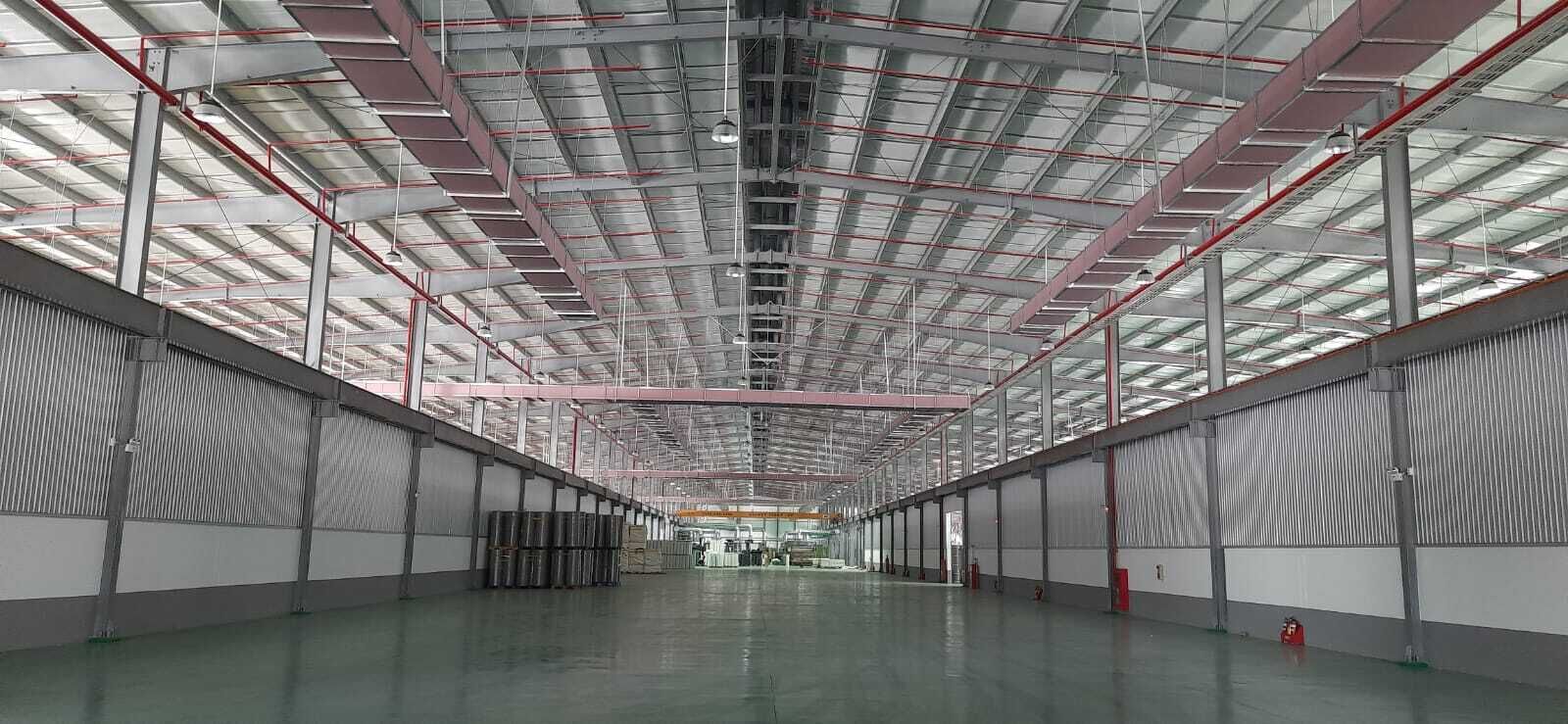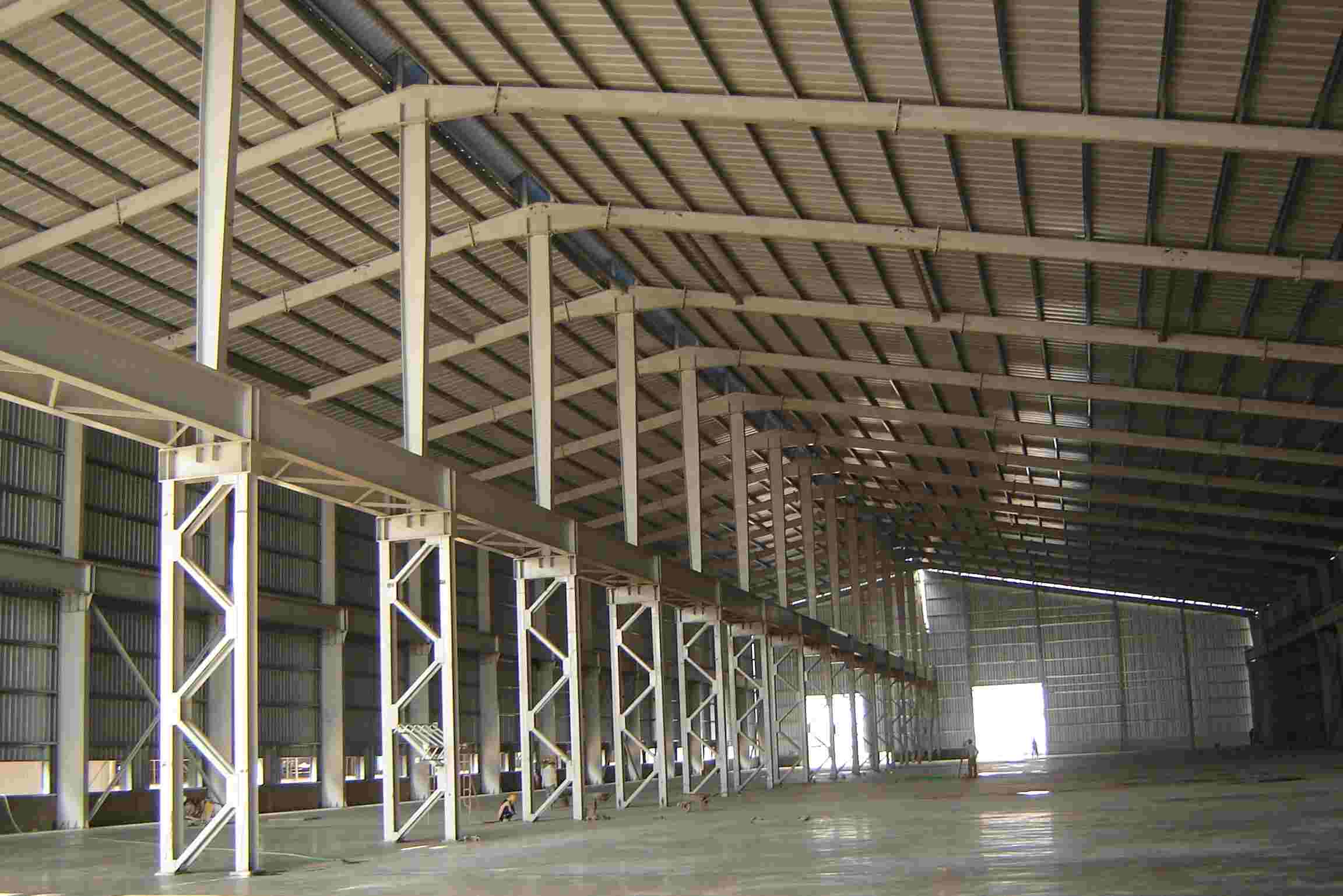

Choosing the right concept depends on how the workshop will be used. Below are some of the most popular shed workshop ideas used in Australia today.
1. Small Backyard Workshop Shed
A compact workshop shed works well for DIY enthusiasts and hobbyists.
Typical features include:
-
Workbench along the wall
-
Tool storage cabinets
-
Pegboard tool walls
-
LED task lighting
Recommended size:
-
6m × 6m
-
6m × 9m
This layout maximizes workspace while still fitting comfortably in residential properties.
2. Automotive Repair Workshop Shed
Automotive workshops require larger space and higher roof clearance.
Important design features:
-
Roller doors for vehicle access
-
Vehicle lift space
-
Oil-resistant flooring
-
Tool cabinets and storage racks
Recommended size:
-
9m × 12m
-
12m × 18m
High-clearance steel sheds are ideal for mechanic workshop buildings.
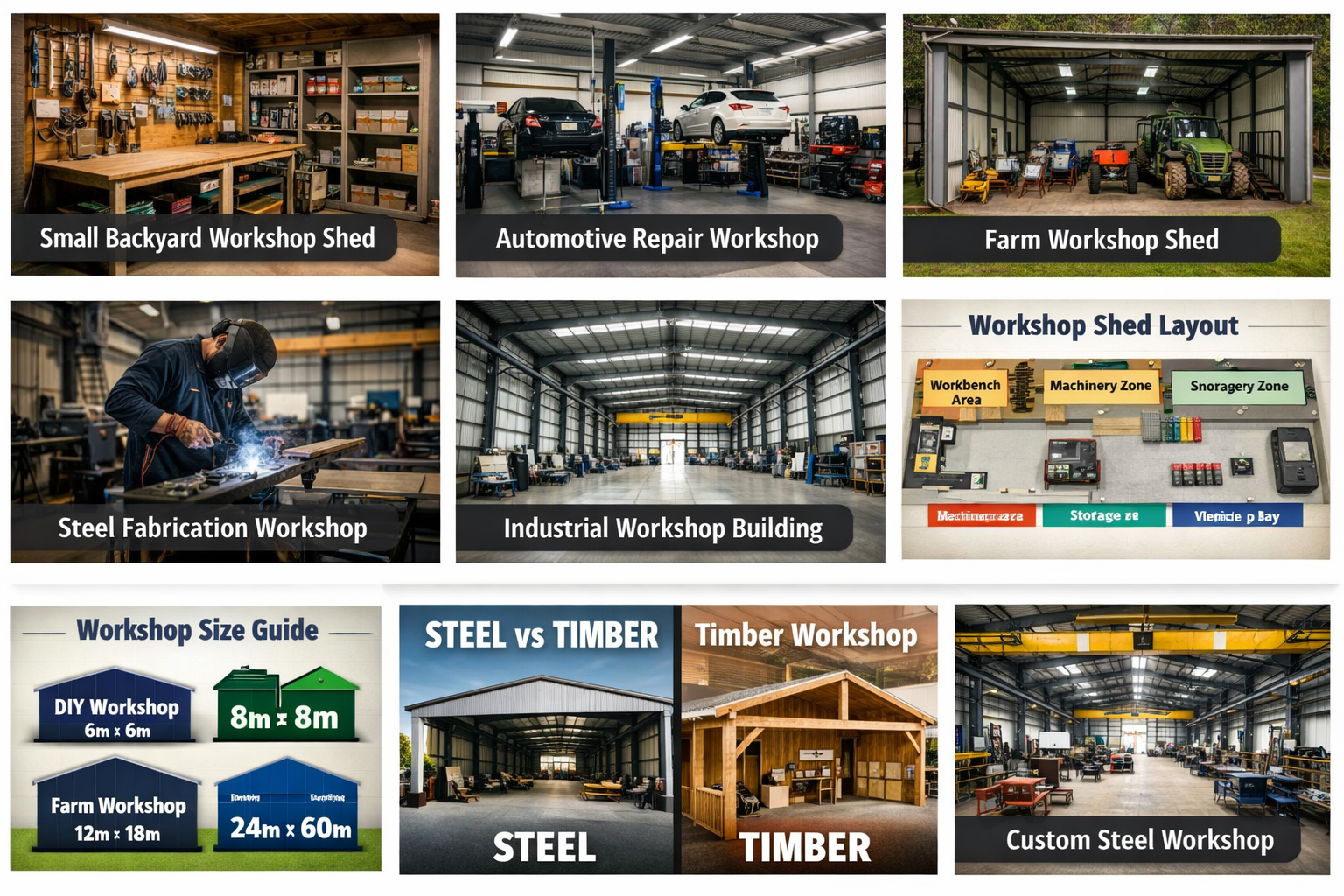
3. Woodworking Workshop Shed
Woodworking sheds require excellent ventilation and dust management.
Key elements include:
-
Dust extraction systems
-
Dedicated cutting zone
-
Timber storage racks
-
Natural lighting
A typical woodworking shed layout includes:
-
Central cutting table
-
Wall-mounted storage
-
Assembly area
4. Farm Workshop Shed
Farm workshops are essential for maintaining tractors, harvesters, and agricultural equipment.
Common features:
-
Wide access doors
-
Open span interior
-
Heavy-duty flooring
-
Equipment storage areas
Typical size:
-
12m × 18m
-
18m × 24m
These structures are often built as steel farm sheds to handle large equipment.
5. Steel Fabrication Workshop
Steel fabrication shops require strong structures and high ceilings.
Typical design elements:
-
Overhead cranes
-
Welding zones
-
Steel material storage
-
High ventilation
Steel buildings are ideal because they support heavy industrial loads.
6. Mechanic Workshop Shed
A mechanic workshop typically includes multiple work bays.
Key design features:
-
Multiple roller doors
-
Service pits or vehicle lifts
-
Tool storage systems
-
Spare parts shelving
Efficient workshop layout improves productivity and safety.
7. Dual-Purpose Garage Workshop
Many homeowners combine a garage and workshop in one building.
Layout idea:
-
Vehicle parking zone
-
Workshop bench area
-
Tool storage wall
-
Ceiling-mounted racks
This concept maximizes functionality in a single structure.
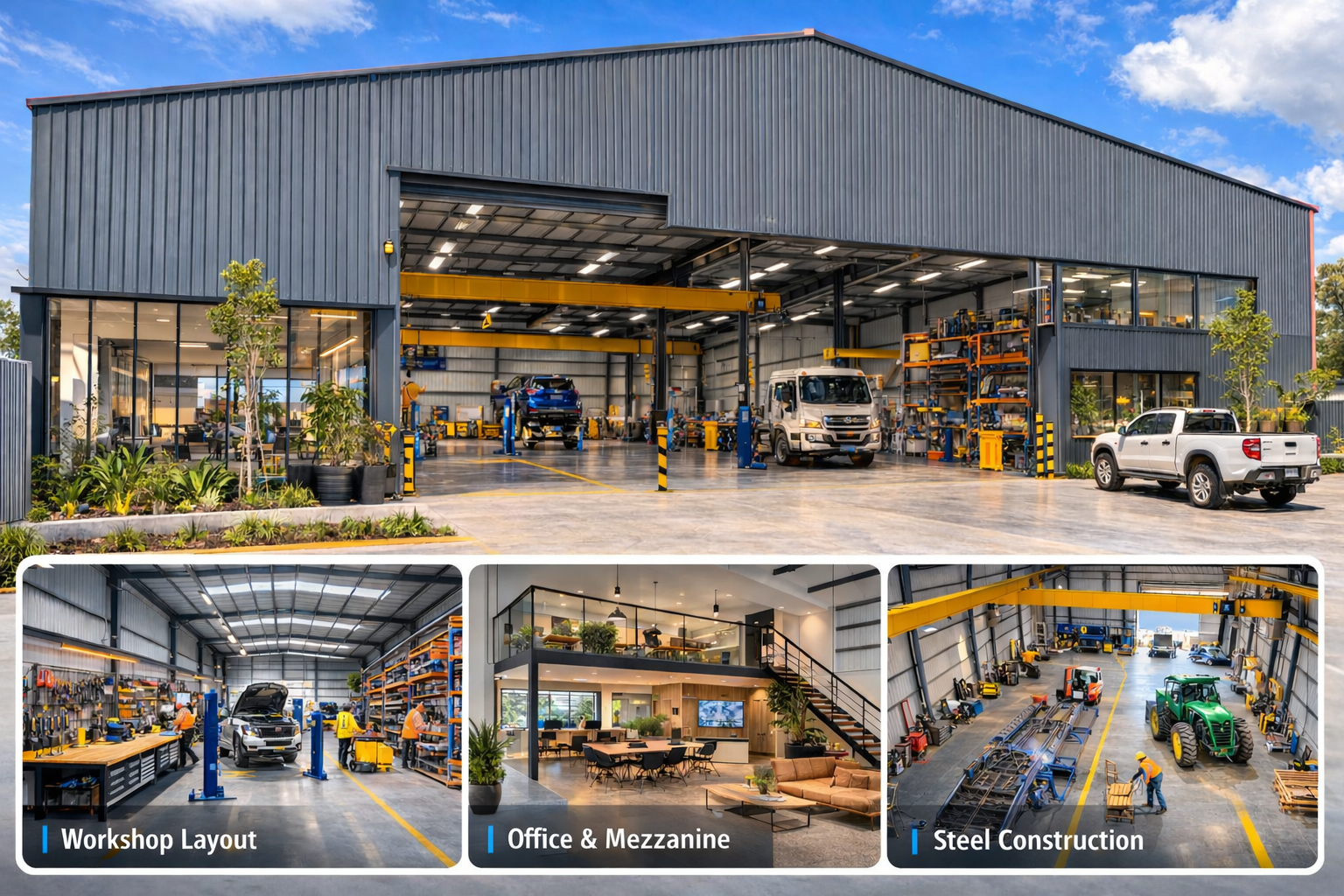
8. Open Bay Workshop Shed
An open-bay shed provides flexible working space.
Benefits:
-
Easy vehicle access
-
Excellent ventilation
-
Expandable layout
This design works well for farms and construction businesses.
9. Industrial Workshop Building
Industrial workshops require larger spans and engineered steel frames.
These buildings are used for:
-
Manufacturing
-
Equipment maintenance
-
Fabrication
-
Warehousing
Industrial steel buildings can span over 30–60 meters without interior columns.
10. Multi-Zone Workshop Layout
A well-designed workshop shed divides the space into zones.
Typical zones include:
-
Workbench area
-
Machinery zone
-
Storage area
-
Assembly space
This improves workflow efficiency.
11. Workshop Shed With Mezzanine
A mezzanine level adds extra storage or office space.
Uses include:
-
Spare parts storage
-
Workshop office
-
Tool inventory storage
Steel structures support mezzanine floors easily.
12. Workshop With Attached Canopy
Adding a canopy creates covered outdoor workspace.
Benefits:
-
Weather protection
-
Equipment parking
-
Loading and unloading areas
This is common in farm workshop sheds.
13. Machinery Repair Workshop
Heavy equipment repair sheds require reinforced floors and larger doors.
Important design elements:
-
Wide-span structure
-
Heavy-duty slab
-
High door clearance
14. Welding Workshop Shed
Welding workshops require:
-
Fire-resistant materials
-
Proper ventilation
-
Safe equipment storage
Steel buildings are naturally suitable for welding environments.
15. Large Industrial Fabrication Shed
Industrial fabrication sheds often include:
-
Overhead cranes
-
Large open bays
-
Material staging zones
These buildings are typically designed as prefabricated steel workshops.
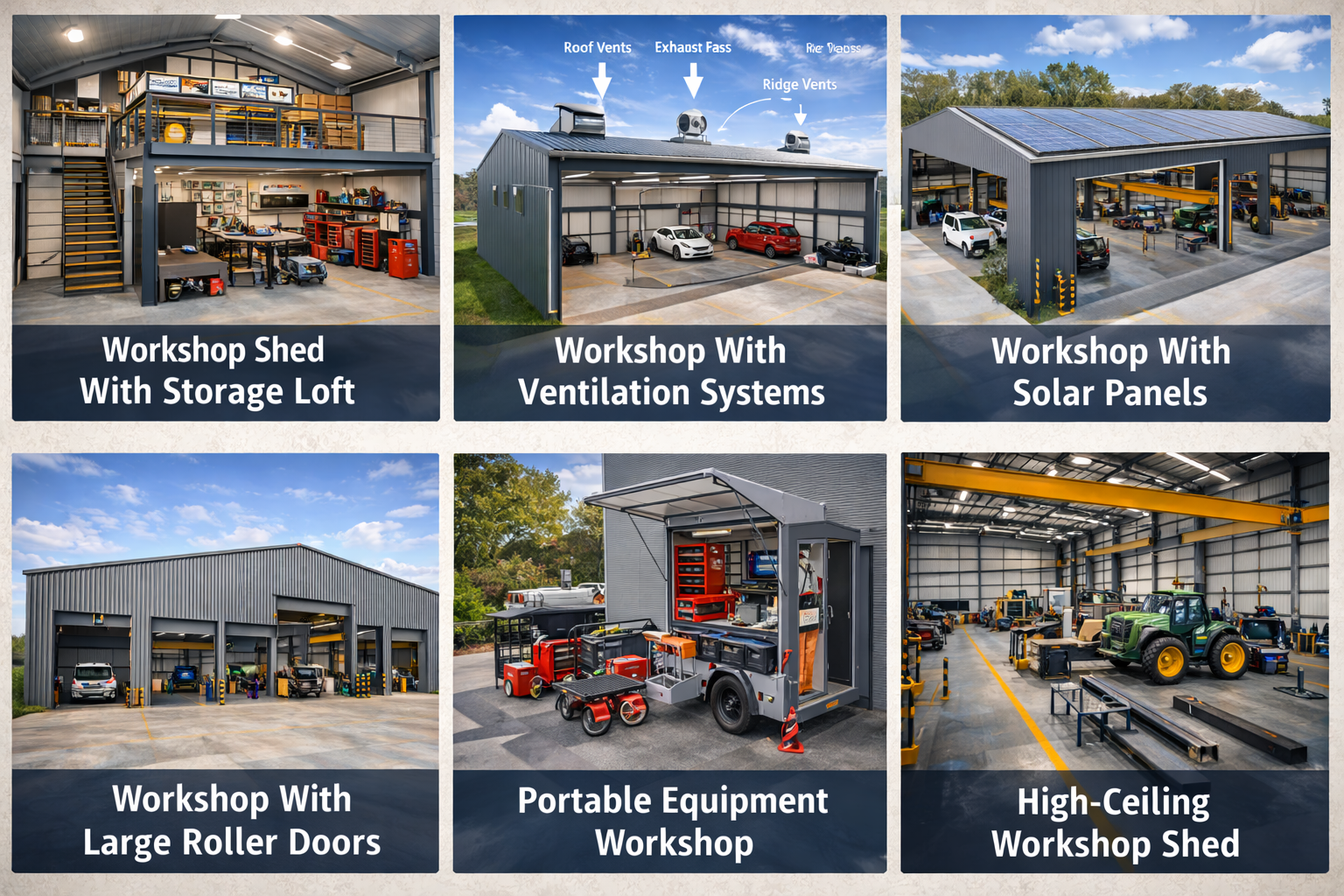
16. Workshop With Skylights
Skylights improve natural lighting and reduce electricity use.
Benefits:
-
Better visibility
-
Lower energy costs
-
Improved work environment
17. Tool Wall Workshop Design
A tool wall system helps organize equipment efficiently.
Examples:
-
Pegboards
-
Magnetic tool racks
-
Hanging storage systems
18. High-Ceiling Workshop Shed
High ceilings allow:
-
Storage racks
-
Overhead cranes
-
Larger machinery
This design is ideal for industrial workshops.
19. Portable Equipment Workshop
Some workshops focus on portable tools and modular workstations.
Features include:
-
Mobile workbenches
-
Rolling tool cabinets
-
Flexible layouts
20. Workshop Shed With Office Space
Industrial workshops often include office space for management and administration.
Design features:
-
Office mezzanine
-
Glass partitions
-
Separate access entry
21. Workshop With Large Roller Doors
Large roller doors improve accessibility for machinery and vehicles.
Typical sizes:
-
4m height
-
5–6m width
22. Workshop Shed With Storage Loft
A loft area above the workshop can store:
-
Spare parts
-
Tools
-
Inventory
23. Workshop With Ventilation Systems
Proper airflow is critical in workshops.
Common solutions:
-
Roof vents
-
Exhaust fans
-
Ridge ventilation
24. Workshop With Solar Panels
Many Australian workshop sheds now integrate solar systems.
Benefits include:
-
Reduced energy costs
-
Sustainable energy
-
Powering machinery and lighting
25. Fully Custom Steel Workshop Building
Large industrial workshops are often custom-designed.
These structures can include:
-
Wide-span steel frames
-
Crane systems
-
Multiple work bays
-
Large storage zones
Prefabricated steel buildings allow flexible customization.
Workshop Shed Layout Ideas
An efficient workshop layout improves productivity and safety.
A common workshop layout includes:
1. Workbench zone
Used for small repairs and assembly.
2. Machinery area
Reserved for large equipment and heavy tools.
3. Storage zone
Includes shelves, cabinets, and racks.
4. Vehicle or equipment bay
Used for large machines or vehicles.
Clear circulation paths should be included for safety and efficiency.
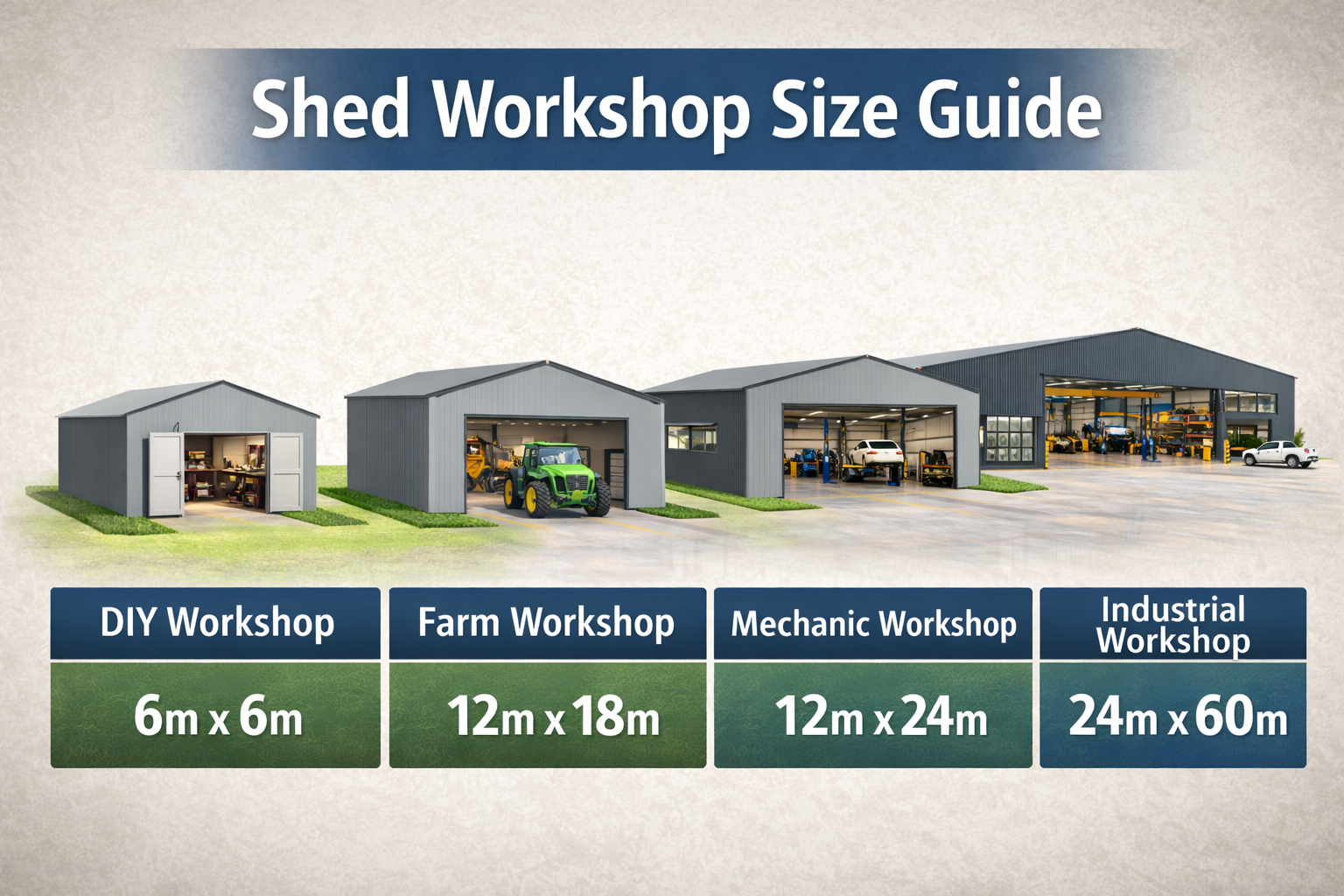
Workshop Shed Size Guide
Choosing the correct size depends on your equipment and operations.
| Workshop Type | Typical Size |
|---|---|
| DIY workshop | 6m × 6m |
| Home garage workshop | 6m × 9m |
| Farm workshop | 12m × 18m |
| Mechanic workshop | 12m × 24m |
| Industrial workshop | 24m × 60m |
Larger workshops benefit from clear-span steel structures, which eliminate interior columns.
More about Farm Shed Size Guide
Steel Workshop vs Timber Workshop
When building a workshop shed, the choice of material matters.
Steel Workshop Buildings
Advantages:
-
High strength
-
Long lifespan
-
Fire resistance
-
Large spans without columns
-
Low maintenance
Steel buildings are widely used for industrial and commercial workshops.
Timber Workshop Sheds
Advantages:
-
Lower upfront cost
-
Easy DIY construction
However, timber sheds typically have:
-
Shorter lifespan
-
Higher maintenance
-
Limited structural span
For large workshops, steel structures are usually the preferred option.
Cost to Build a Workshop Shed in Australia
Workshop shed costs vary depending on:
-
Size
-
Materials
-
Foundation requirements
-
Door systems
-
Insulation and fit-out
Typical price ranges in Australia:
| Workshop Size | Estimated Cost |
|---|---|
| Small workshop shed | $10,000 – $25,000 |
| Medium workshop shed | $25,000 – $80,000 |
| Large steel workshop | $80,000 – $300,000+ |
Prefabricated steel buildings often reduce construction time and labor costs.
How to Design the Perfect Workshop Shed
When planning a workshop shed, consider the following factors:
Purpose
Define the main use of the workshop.
Equipment
Ensure adequate space for machines and tools.
Access
Include wide doors for vehicles or equipment.
Future expansion
Design structures that can expand easily.
Ventilation and lighting
Good airflow and lighting improve safety and productivity.
Why Steel Workshop Sheds Are the Future
Steel workshop sheds are becoming increasingly popular in Australia because they offer:
-
Faster construction
-
Long structural lifespan
-
High load capacity
-
Flexible layouts
Prefabricated steel structures allow businesses to build large workshop facilities quickly and efficiently.
Conclusion
A well-designed workshop shed can significantly improve productivity, organization, and efficiency. Whether you need a small backyard workshop, a farm machinery repair shed, or a large industrial fabrication workshop, the right design and layout make all the difference.
Steel workshop buildings provide the strength, durability, and flexibility required for modern workshops. By choosing the right shed workshop ideas, planning the layout carefully, and selecting the appropriate materials, you can create a workshop that meets your needs today and supports future growth.
FAQs
What is the best size for a workshop shed?
A typical home workshop shed ranges from 6m × 6m to 9m × 12m, while steel industrial workshops can exceed 24m × 60m.
Are steel workshop sheds better than timber sheds?
Steel sheds generally last longer, require less maintenance, and allow larger clear-span structures.
Do workshop sheds require planning approval in Australia?
Planning requirements vary by council and location, but larger workshop sheds typically require building permits.
How long does it take to build a steel workshop shed?
Prefabricated steel workshop sheds can often be installed within a few weeks depending on size and site conditions.
If you have questions that need to be answered, please contact us at the following email: marketing@pebsteel.com.vn
Disclamer: The content provided in this article is for reference purposes only. For further details or clarification based on your needs, please contact Pebsteel directly.