
1. What Is a Pre-Engineered Building?
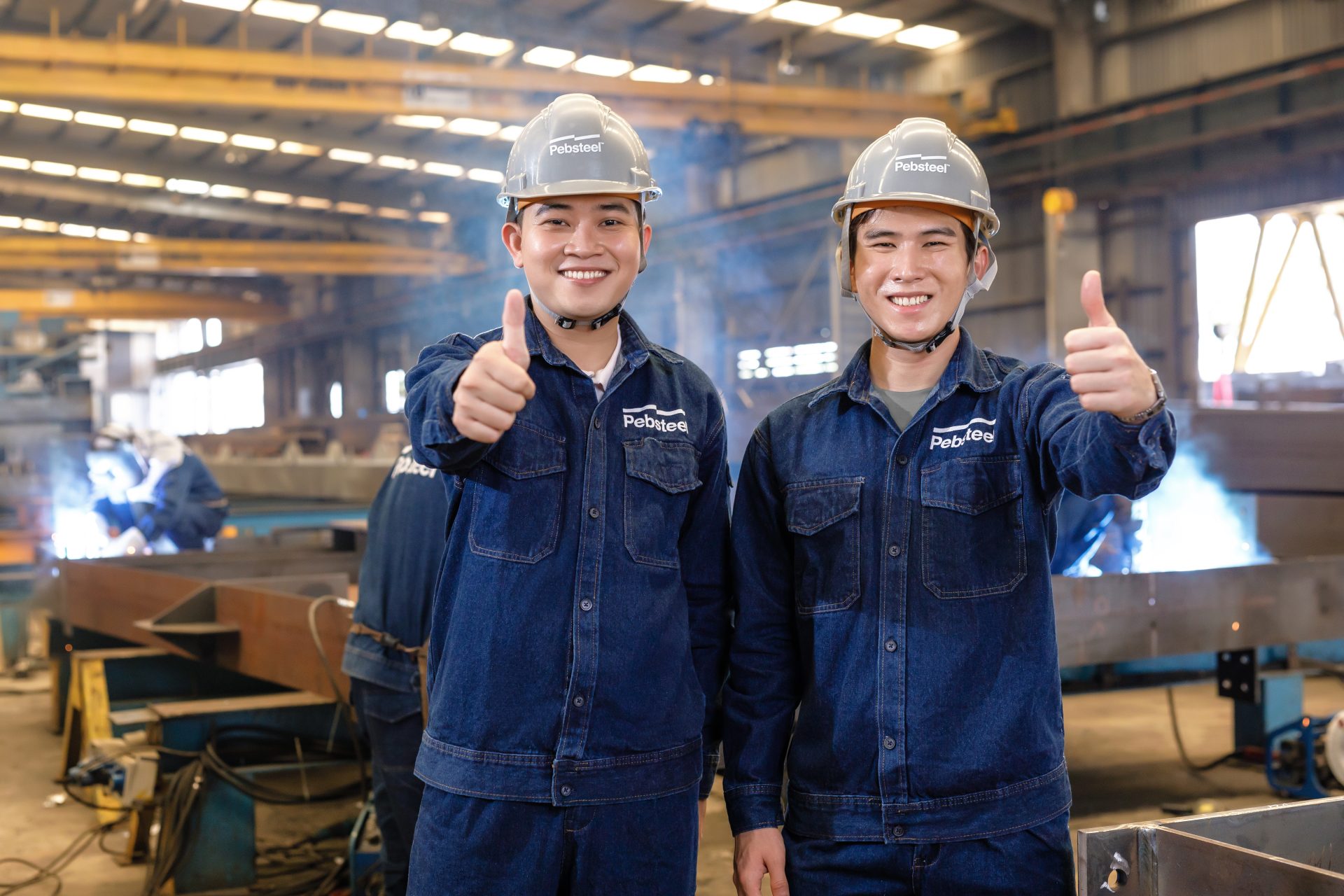
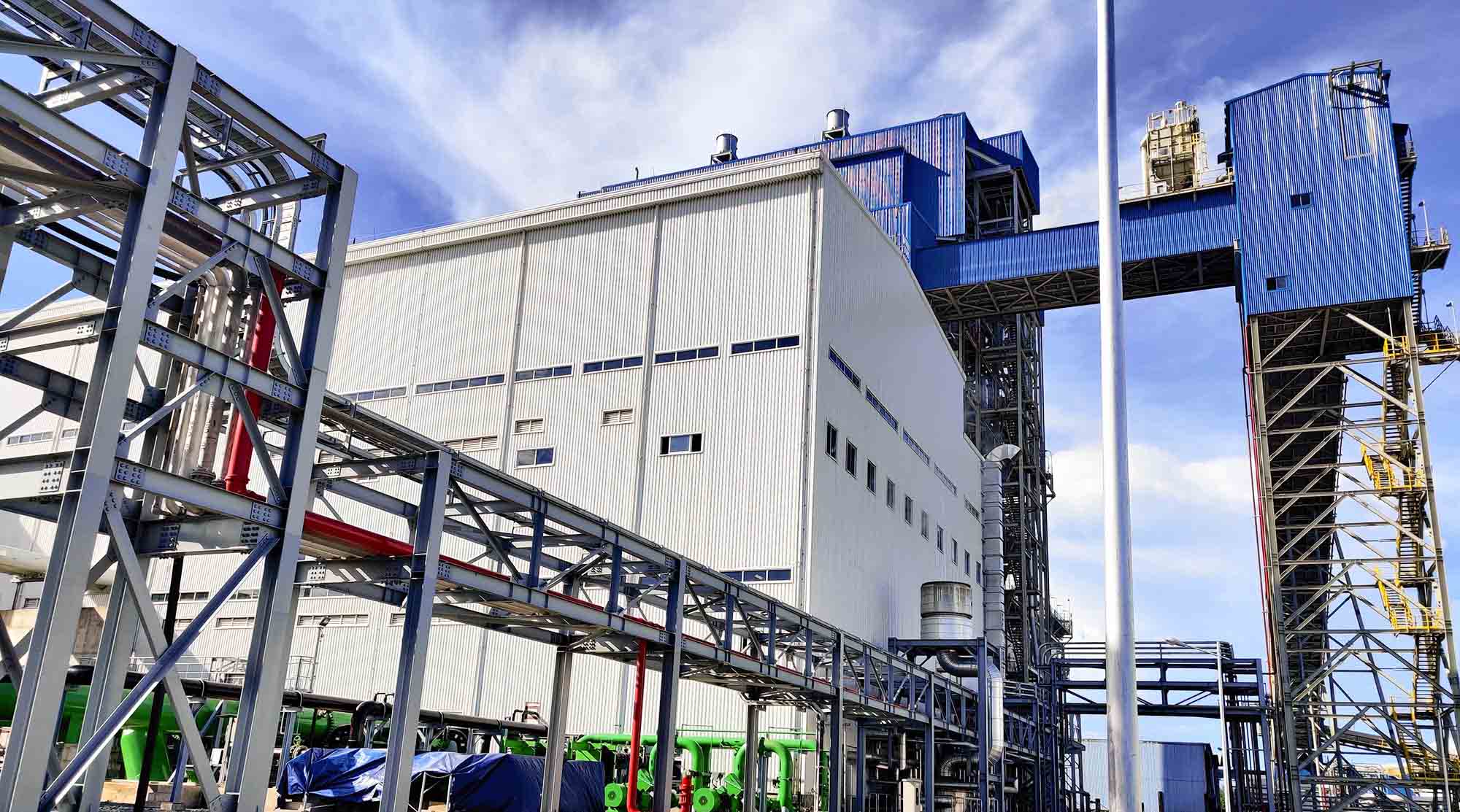
A pre-engineered building (PEB) is a complete structural system designed, engineered, and fabricated in a factory, then shipped to a job site as a precision kit for rapid on-site assembly. Unlike conventional construction — where raw materials arrive on site and workers build from scratch — every beam, column, panel, and connection in a PEB is manufactured to exact tolerances under controlled factory conditions before a single foundation bolt is poured.
The term is often used interchangeably with pre-engineered metal building (PEMB) or pre-engineered steel building, though steel is by far the dominant primary material. The underlying concept is simple: move as much of the construction process as possible off-site and into a quality-controlled manufacturing environment, then bolt the pieces together on location in a fraction of the traditional build time.
KEY DEFINITION Pre-engineered buildings are not prefab sheds or modular homes. They are sophisticated, engineer-stamped structural systems capable of spanning up to 90 metres without interior columns, meeting full international building codes for wind, seismic, and snow loads — and lasting 50+ years with minimal maintenance.
PEBs originated in the 1930s, initially for aircraft hangars and grain storage. Today they house everything from hyperscale e-commerce distribution centres and cold-chain logistics facilities across Southeast Asia, to petrochemical plant support buildings in Saudi Arabia, to large-format retail outlets and aviation hangars in Australia. The global market was valued at approximately USD 20.8 billion in 2025 and is forecast to reach USD 34–48 billion by 2030–2032, driven by demand for faster, leaner, more sustainable construction.
2. How Pre-Engineered Buildings Are Made
The manufacturing process is what makes pre-engineered buildings fundamentally different — and fundamentally superior in speed and cost — compared to conventional builds:
STEP 01 Design & Engineering
Structural engineers use specialist software (including BIM) to calculate precise load requirements. Every member is sized to the exact steel grade needed, eliminating over-engineering waste.
STEP 02 Factory Fabrication (simultaneous with site prep)
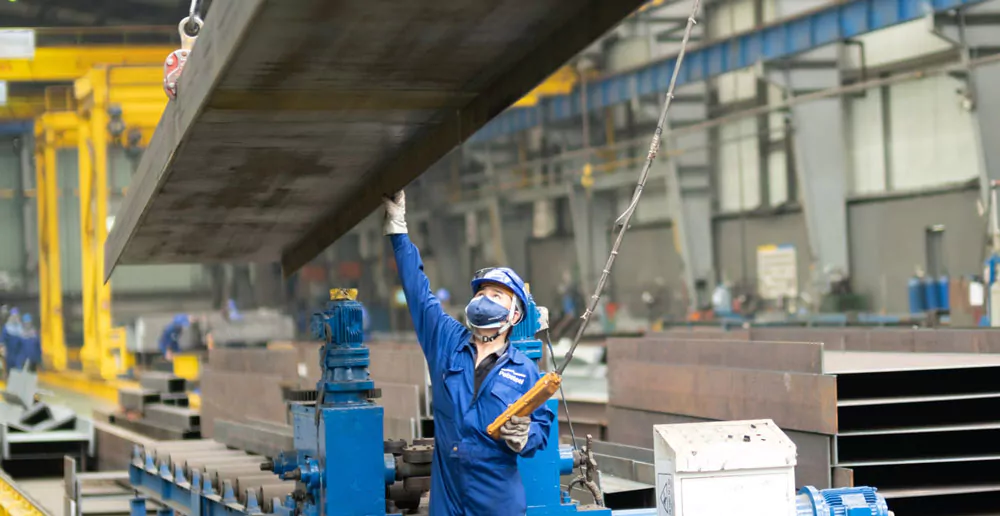
While the site is being cleared and foundations poured, structural steel components are cut, drilled, welded, and surface-treated in the factory. This parallel workflow is a key source of time savings.
STEP 03 Surface Treatment & Coating
Primary steel members receive shot blasting and corrosion-protective primer coatings. Cladding panels receive high-durability paint systems — critical for longevity in humid tropical climates of Southeast Asia and the high-UV coastal environments of the Middle East and Australia.
STEP 04 Shipment as a Numbered Kit
All components are tagged, sequenced, and packed for efficient delivery. Erection manuals and anchor bolt plans are provided. Single-source supply ensures every part is compatible — no site-side mismatches.
STEP 05 Rapid On-Site Assembly
Trained erectors bolt the primary frames, install secondary members, fix roofing and wall cladding, and add accessories. A typical mid-size industrial building (3,000–5,000 m²) can be erected in just 6–8 weeks — versus 6–12 months for equivalent conventional construction.
3. Key Components of a PEB System
Primary Structural Framing
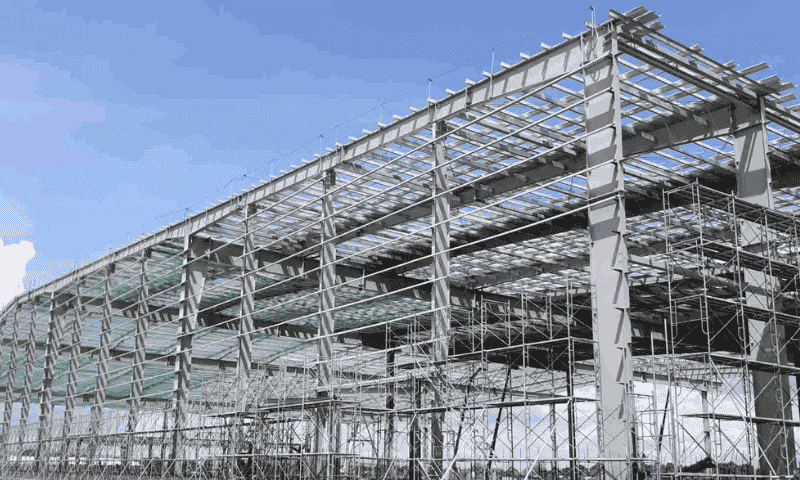
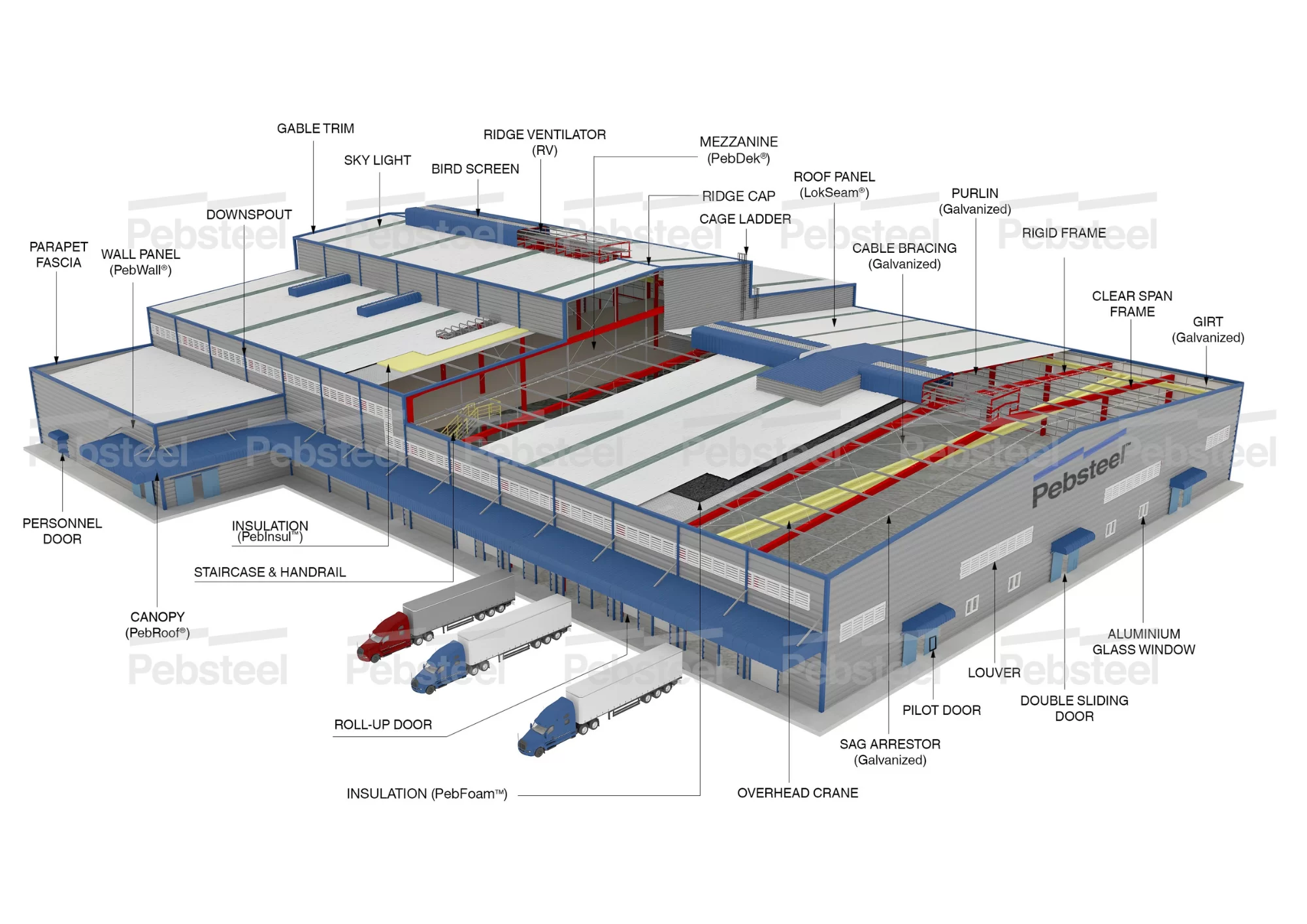
The skeleton of the building. Primary frames consist of tapered steel columns and rafters, welded from high-strength steel plates to an optimised section profile. Unlike hot-rolled sections used in conventional construction, PEB primary members vary in depth along their length — thicker where bending stress is greatest, thinner where minimal. This variable section approach can reduce steel tonnage by 15–30% versus conventional design.
Primary frame types include:
- Clear span — no interior columns; spans up to 90 m. Ideal for warehouses, hangars, and sports facilities.
- Multi-span (modular) — uses interior columns to achieve very large footprints economically.
- Single slope — mono-pitch roof; popular for lean-to additions and drive-through buildings.
- Multi-gable — multiple peaks for very wide facilities such as manufacturing campuses.
Secondary Structural Members
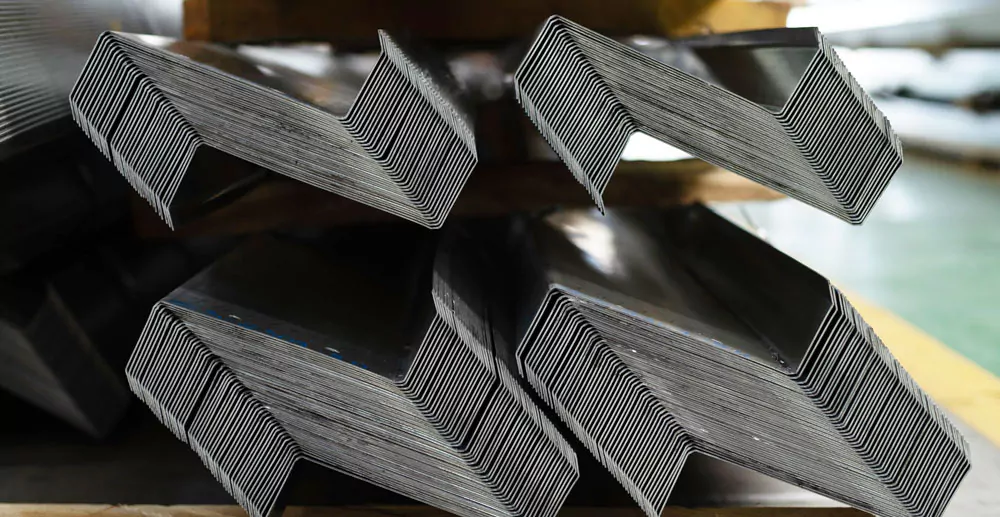
Cold-formed steel purlins (roof) and girts (walls) connect to primary frames and provide the fixing substrate for cladding panels. Eave struts and flange braces complete the lateral stability system.
Roof & Wall Cladding
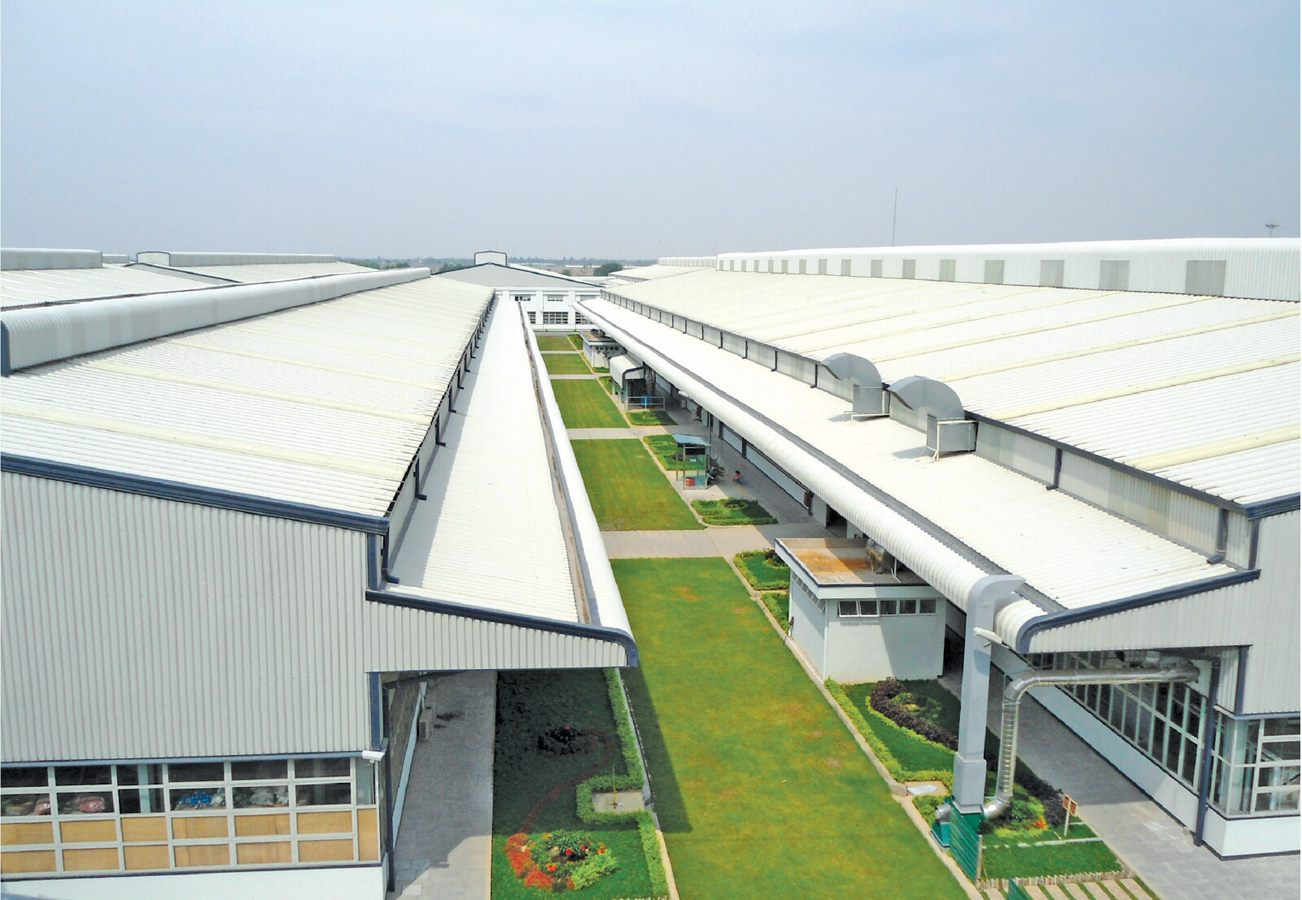
Typically profiled steel sheeting in single-skin, double-skin, or insulated sandwich panel configurations. Insulated panels (polyurethane or mineral wool core) deliver high thermal performance — a critical consideration for energy-efficient buildings in both tropical and arid climates.
Accessories & Trim
Framed openings for personnel doors, roller doors, windows, and skylights; ridge ventilators; gutters and downpipes; mezzanine floors; and crane beam systems are all engineered as integral elements of the PEB package.
4. 10 Key Advantages of Pre-Engineered Buildings
- Speed of Construction — Projects complete 30–50% faster than conventional builds. Factory fabrication runs in parallel with site preparation, compressing the overall schedule.
- Lower Total Cost — Typical cost savings of 30–35% versus traditional construction, driven by reduced labour hours, minimal material waste, and shorter financing periods.
- Design Flexibility — Clear spans up to 90 m, variable heights, multiple bays, mezzanines, crane systems, and a wide palette of façade finishes including masonry, glass curtain walls, and composite cladding.
- Precision Quality Control — Factory manufacturing under ISO-controlled conditions eliminates the variability of on-site craftsmanship. Every weld, bolt hole, and panel dimension is consistent and traceable.
- Sustainability — Steel is the world’s most recycled material. PEB systems generate 30–40% less construction waste than conventional builds and can be designed for disassembly, relocation, or expansion.
- Expandability — Buildings can be lengthened by adding bays, widened by adding modules, or heightened — all with minimal disruption to operations. This future-proofing is invaluable for growing businesses.
- Structural Durability — High-strength steel resists pests, rot, mould, and fire. Engineered to local wind, seismic, and snow codes — including cyclone-prone regions of Southeast Asia and Australia.
- Single-Source Responsibility — One supplier designs, manufactures, and guarantees the entire system. This eliminates interface disputes between multiple sub-contractors.
- Energy Efficiency — High-performance insulated panel systems, reflective roof coatings, and solar-ready roof designs reduce HVAC loads, cutting operational energy costs over the building’s life.
- Lower Maintenance Costs — Premium galvanised Zincalume or Galvalume steel substrates with PVDF or SMP paint systems require no repainting for 25–40 years, dramatically lowering lifecycle costs.
5. Pre-Engineered Buildings vs. Conventional Construction
The comparison below is based on representative industrial and commercial building projects in the 2,000–20,000 m² range — the most common use case for PEB systems in Southeast Asia, the Middle East, and Australia.
| Factor | Pre-Engineered Building | Conventional Construction |
|---|---|---|
| Construction time | ✔ 6–12 weeks (erection) | 6–18 months |
| Cost per m² | ✔ Typically 30–35% lower | Higher — more labour, more waste |
| Design flexibility | High — spans, modules, facades | ✔ Unlimited architectural form |
| Quality consistency | ✔ Factory-controlled, ISO-certified | Variable — dependent on site labour |
| Material waste | ✔ 30–40% less waste | High on-site offcuts & spoilage |
| Expandability | ✔ Easy bay additions, height extensions | Difficult and expensive to modify |
| Structural lifespan | ✔ 40–50+ years with proper coatings | 40–60+ years |
| Clear-span capability | ✔ Up to 90 m column-free | Limited — usually <30 m |
| Warranty | ✔ Single-source structural + paint | Multiple contractors, split liability |
| Multi-storey complex | Limited for highly complex forms | ✔ Better suited to bespoke multi-storey |
BOTTOM LINE For single-storey and low-rise industrial, logistics, commercial, and agricultural applications — which account for more than 65% of global PEB demand — pre-engineered buildings consistently outperform conventional construction on cost, speed, and quality.
6. Applications & Building Types
Industrial & Manufacturing
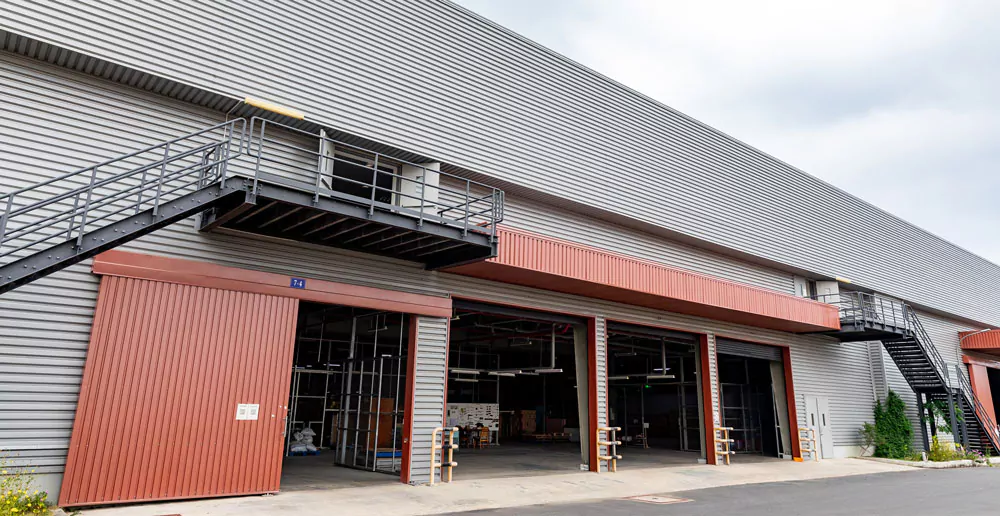
Factory buildings, production halls, and heavy manufacturing plants represent the historical heartland of PEB usage. Wide clear spans (40–90 m), integrated overhead crane systems rated to 200+ tonnes, and generous eave heights (up to 20 m) make PEBs the default choice for manufacturing across the ASEAN industrial corridor — from Vietnam and Thailand to Malaysia and Indonesia.
Warehousing & Logistics
The explosion of e-commerce in Southeast Asia and the Gulf Cooperation Council (GCC) has been the single biggest demand driver for PEBs since 2020. Distribution centres require exactly what PEBs deliver best: vast column-free floor areas (enabling racking systems and automated material handling), rapid construction timelines, and high eave heights (9–18 m for multi-tier pallet racking). Cold-chain facilities with insulated sandwich panel systems are an increasingly important sub-segment.
Commercial & Retail
Large-format retail (hypermarkets, DIY stores, auto showrooms), shopping strip centres, and mixed-use commercial blocks increasingly specify PEB steel framing behind brick, glass, or composite cladding façades. Modern PEB manufacturers offer fully engineered solutions that are indistinguishable from conventionally constructed buildings in architectural finish.
Aviation & Aerospace
Aircraft hangars, MRO facilities, and cargo terminals require the widest possible clear spans — an area where PEB framing has a decisive advantage. Spans of 60–90 m can accommodate multiple wide-body aircraft without internal obstructions. Major airports across the UAE, Saudi Arabia, Vietnam, and Australia have used PEB systems for hangar and terminal expansion.
Agricultural & Rural Infrastructure
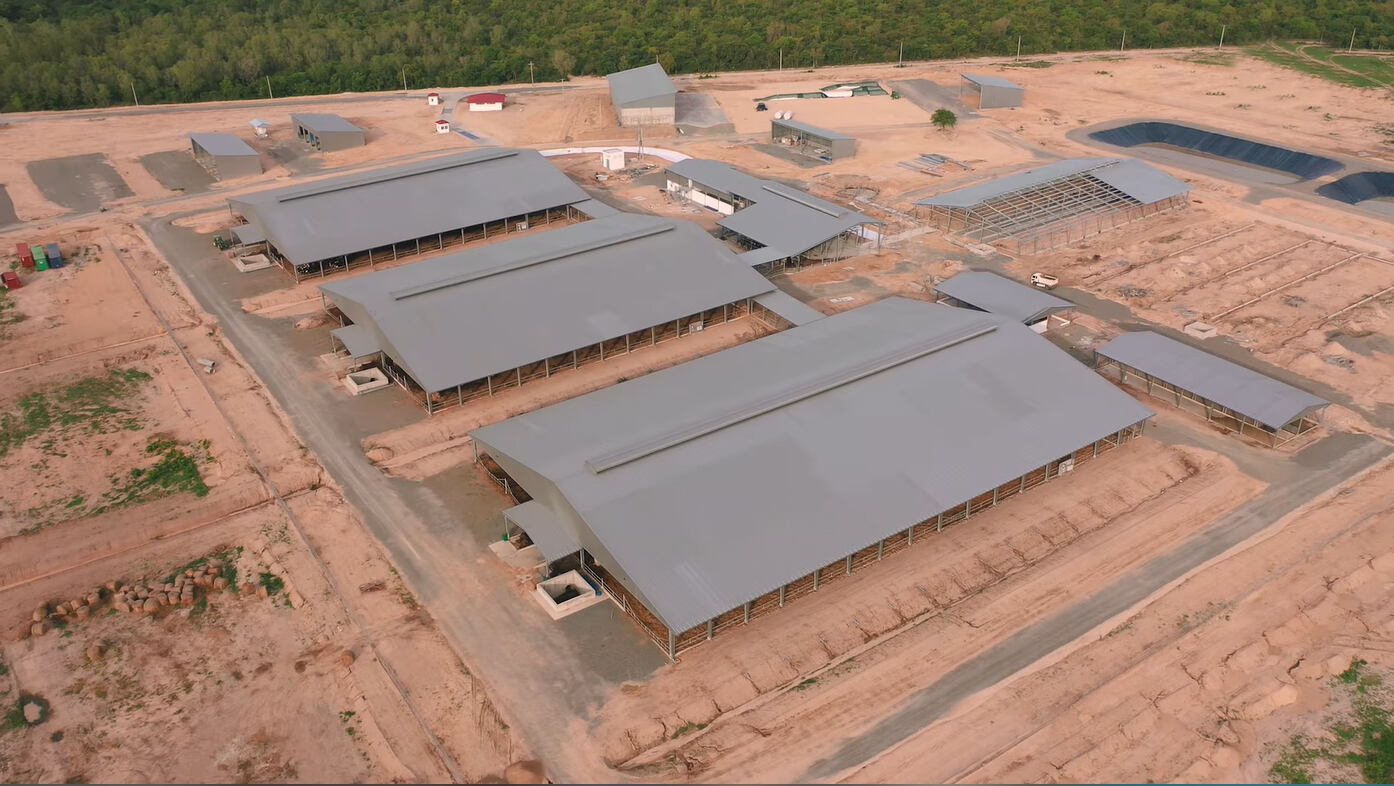
Grain and produce storage, livestock shelters, and machinery storage buildings across the agricultural regions of Australia and Southeast Asia are well suited to economical PEB construction, with rapid delivery to remote sites and minimal on-site skilled labour requirements.
Infrastructure & Public Buildings
Schools, community centres, medical clinics, and emergency services facilities benefit from PEB speed of delivery — particularly in disaster recovery contexts. Sports halls, indoor arenas, and aquatic facilities also leverage PEB clear spans to achieve unobstructed playing surfaces.
Oil, Gas & Petrochemical
In the Middle East especially, PEB buildings serve as process support buildings, compressor shelters, electrical switch rooms, and maintenance workshops across oil and gas facilities. They are engineered to meet the specific seismic, blast-consideration, and corrosion requirements of this demanding sector.
7. Regional Spotlight: Southeast Asia, Middle East & Australia
Southeast Asia
High humidity, tropical heat, and cyclonic wind events in the Philippines, Vietnam, and Indonesia demand premium corrosion-resistant coatings (Zincalume substrate, PVDF finish) and wind-load engineering to national and international standards (ASCE 7, AS/NZS 1170). Vietnam is a particularly fast-growing market, driven by the manufacturing investment inflow from global supply chain diversification. Thailand and Malaysia have well-established PEB demand in automotive, electronics, and food processing. The Asia-Pacific region commands 35% of the global PEB market, growing at a CAGR of 12.8%.
Middle East (GCC)
Extreme heat (45–50°C design temperatures), UV intensity, and sand abrasion set high demands on coating systems and insulated panel performance. Saudi Arabia and UAE together account for nearly half the Middle East PEB market, driven by Vision 2030 giga-projects, NEOM, logistics mega-hubs, and industrial zone expansion. Seismic engineering is required in parts of the region. The Middle East & Africa market is valued at USD 1.2 billion in 2025 and growing at 15.8% CAGR — one of the fastest-growing regions globally.
Australia & New Zealand
Australia operates under the AS/NZS 1170 series standards and has some of the world’s highest design wind speeds — notably cyclone regions in WA, QLD, and NT (Regions C and D), requiring engineering to Category 5 cyclone. The non-residential construction sector drives strong demand for PEBs in agribusiness, mining services, distribution, and retail. Buyers should ensure their PEB supplier has Australian engineering certification and can supply NATSPEC-compliant documentation.
Climate & Code Considerations by Region
| Region | Key Standards | Critical Design Loads | Special Requirements |
|---|---|---|---|
| Vietnam / SEA | TCVN, ASCE 7, Eurocode | Typhoon wind, seismic zone III–IV | Coastal corrosion; humidity control |
| Thailand / Malaysia | ASCE 7, MS EN | Wind, thermal expansion | High ambient temperature design |
| Philippines | NSCP, ASCE 7 | Typhoon (Super-typhoon capable regions) | Seismic Zone 4; high wind |
| UAE / Saudi Arabia | IBC, ASCE 7, local authority | Wind, seismic (SA), thermal | Extreme heat; UV-resistant coatings |
| Australia | AS/NZS 1170, NCC/BCA | Cyclone (Regions B–D); seismic | NATSPEC compliance; BAL rating (bushfire) |
8. Sustainability & Green Building
Sustainability is increasingly a procurement requirement, not merely a marketing point — particularly for multinational corporations in Southeast Asia and the Middle East who must meet global ESG commitments, and for Australian developers pursuing Green Star or NABERS ratings.
Steel’s Circular Economy Credentials
Steel is the world’s most recycled material, with a global recycling rate exceeding 85%. A typical PEB contains 25–35% recycled steel content, and at end of life, 100% of the structural steel can be reclaimed and re-melted without quality degradation. This closed-loop material flow makes PEBs fundamentally more circular than concrete-dominated conventional construction.
Reduced Construction Waste
Factory fabrication to exact specifications means essentially zero on-site material offcuts. Studies consistently show PEB construction generates 30–40% less construction waste by weight than equivalent conventional builds — a significant advantage in markets where construction waste disposal is increasingly regulated and costly.
Energy Performance
Modern PEB insulated panel systems achieve U-values as low as 0.19 W/m²K — well exceeding building code energy efficiency requirements across Southeast Asia, the GCC, and Australia. Cool-roof coatings with high solar reflectance index (SRI) values reduce roof surface temperatures by up to 40°C in tropical and arid climates, dramatically cutting air-conditioning loads.
Green Certifications
PEB buildings can be designed to target LEED, BREEAM, Green Star, Estidama Pearl (UAE), or LOTUS (Vietnam) certification. PEB Steel’s engineering teams have supported clients through certification across all three target regions.
9. How to Choose a Pre-Engineered Building Manufacturer
Engineering Capability
The manufacturer should employ qualified structural engineers and use specialist PEB design software for primary frame design. Look for stamped drawings, load calculations, and connection design in compliance with the applicable regional standard (AS/NZS, ASCE 7, Eurocode). Avoid suppliers who cannot provide stamped engineering documentation.
Manufacturing Standards & Certifications
ISO 9001 quality management certification is the minimum baseline. In addition, look for steel sourcing from certified mills (JIS, ASTM, EN standards), weld inspection records (AWS D1.1), and surface treatment documentation.
Regional Track Record
A supplier with completed projects in your specific market — who understands its code environment, logistical constraints, and climatic demands — is significantly lower risk than one adapting a foreign product. Always ask for project references in your country or region.
Single-Source Supply
The best PEB manufacturers supply the complete package: primary and secondary steel structure, roofing and wall cladding, accessories, doors, and windows — all from one source. This eliminates interface risk and gives you a single point of accountability for warranty and remediation.
After-Sales & Technical Support
Evaluate the supplier’s ability to provide on-site erection supervision, technical hotline support during installation, and post-occupancy warranty support. A regional office or strong distributor network in your country is a significant advantage.
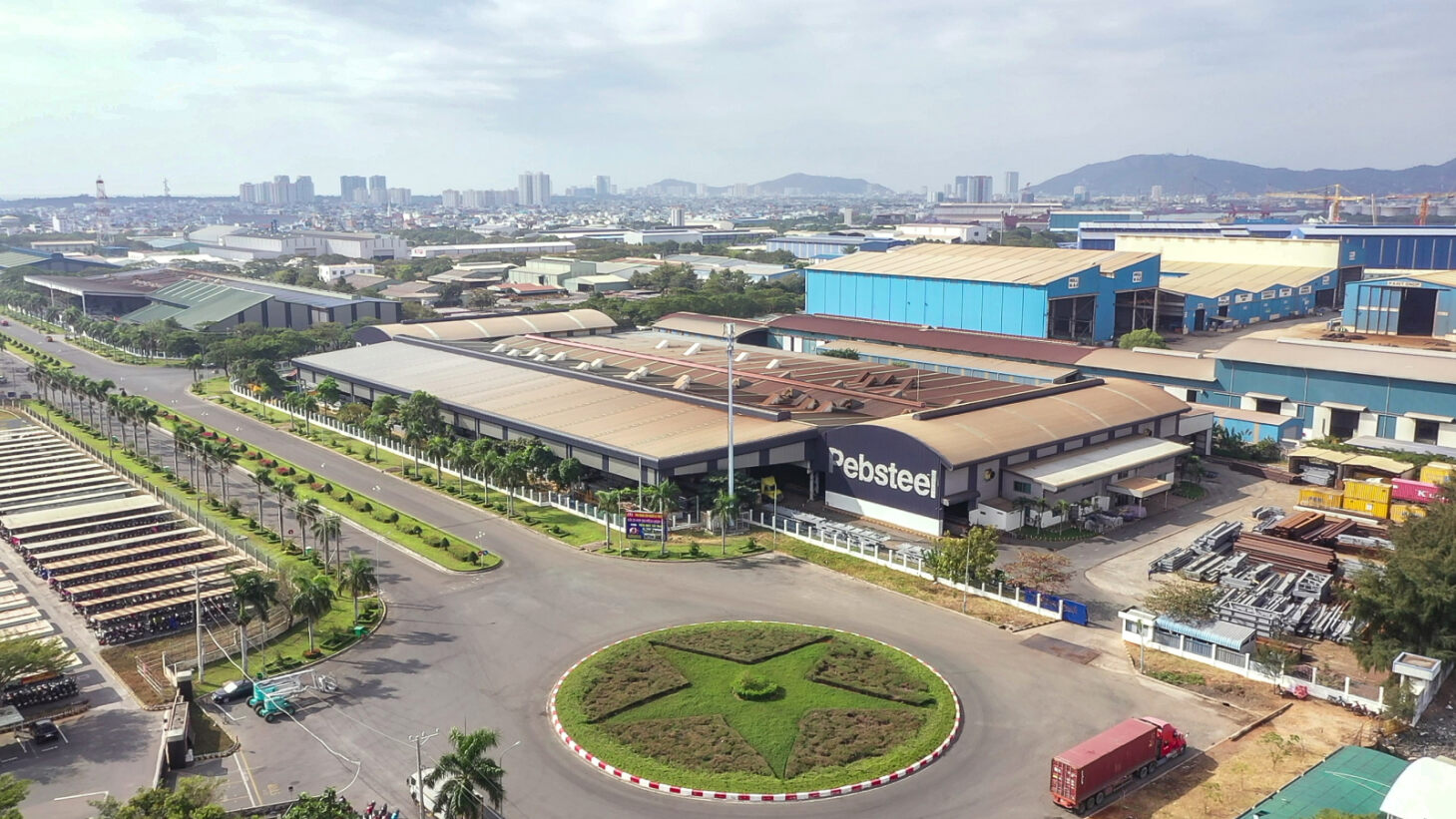
PEBSTEEL ADVANTAGE: PEB Steel (pebsteel.com) is a Vietnam-headquartered manufacturer with over three decades of completed projects across Southeast Asia, the Middle East, and Australia. Our in-house engineering team works to AS/NZS 1170, ASCE 7, and Eurocode. Our ISO 9001-certified manufacturing facility produces the complete building package — from primary steel to finished cladding — under one roof.
10. The PEB Project Process — Step by Step
STEP 01 Enquiry & Conceptual Design
Share your building use, approximate dimensions, site location, and special requirements. The manufacturer produces a preliminary layout and budgetary cost estimate — typically within 3–5 business days for standard buildings.
STEP 02 Detailed Engineering & Drawings
On contract award, the structural engineering team produces anchor bolt plans, erection drawings, and detail drawings — all stamped by a licensed engineer. This phase typically takes 3–6 weeks depending on project complexity.
STEP 03 Foundation Design & Site Preparation
The manufacturer provides the anchor bolt layout to your civil engineer for foundation design. Site clearing and foundation construction can begin immediately — concurrent with factory fabrication.
STEP 04 Factory Fabrication
Primary steel frames, secondary members, and cladding are fabricated and treated simultaneously in the factory. Lead times vary from 6–14 weeks depending on project size and factory loading.
STEP 05 Delivery & Customs Clearance
For export projects, the manufacturer handles packing, documentation, and Incoterms-compliant logistics to the port of entry. The buyer arranges import clearance and in-country transport to site.
STEP 06 Erection & Installation
Trained erectors assemble the building following the erection manual. Typical erection time: 4–12 weeks for an industrial building of 2,000–10,000 m².
STEP 07 Inspection, Handover & Warranty
Final structural inspection confirms compliance. The manufacturer issues warranties covering the structural frame and cladding finish — typically 10–25 years depending on coating specification.
Ready to move forward? Contact PEB Steel’s regional engineering teams in Southeast Asia, the Middle East, or Australia for a budgetary estimate within 48 hours.
11. Frequently Asked Questions
Q: What is the difference between a pre-engineered building and a prefabricated building?
A pre-engineered building (PEB) is a custom-designed structural system where every component is engineered to specific loads and dimensions, then factory-fabricated. A prefabricated building is a broader term covering any building with off-site manufactured elements, including modular homes and portable site offices. PEBs are fully engineered to international structural standards (ASCE 7, AS/NZS 1170, Eurocodes) and are suitable for large-scale industrial and commercial applications.
Q: How long does it take to build a pre-engineered building?
The total timeline from contract award to handover for a typical 2,000–5,000 m² project is approximately 16–24 weeks: engineering and drawings (3–6 weeks), factory fabrication (6–12 weeks), shipping and clearance (2–5 weeks for export), and erection on site (4–8 weeks). Site preparation and foundation work run concurrently with fabrication. This compares to 9–18 months for an equivalent conventionally constructed building.
Q: How much does a pre-engineered building cost?
A basic single-span industrial building is typically USD 80–150 per m² (supply only, ex-works). Fully insulated, crane-equipped, architecturally finished buildings can be USD 200–400+ per m². Erection, foundations, and civil works are additional. Contact PEB Steel for a project-specific budgetary estimate, typically provided within 48 hours at no charge.
Q: Can pre-engineered buildings withstand typhoons or cyclones?
Yes — when properly engineered. A PEB is designed to the site-specific wind zone classification. For typhoon-prone areas of the Philippines and Vietnam, and cyclone regions of Australia (AS/NZS Regions B–D), the structural engineer specifies the correct ultimate design wind speed. PEB Steel’s engineering teams are experienced with high-wind design across all three target regions and can provide certification of compliance with local wind loading codes.
Q: Are pre-engineered buildings suitable for multi-storey construction?
PEB systems are optimised for single-storey and low-rise (2–3 storey) buildings. They are extensively used for single-storey industrial, warehouse, and commercial buildings and can incorporate mezzanine floor systems. For buildings above 3–4 storeys, or for complex architectural forms, conventional structural systems are typically more appropriate.
Q: How long do pre-engineered buildings last?
A well-designed and properly maintained pre-engineered steel building has a structural design life of 50+ years. Steel does not warp, rot, or attract termites. High-quality PVDF-coated steel panels are warranted for 25–40 years for colour retention and corrosion resistance, even in harsh tropical or coastal environments.
Q: Can a pre-engineered building be expanded or relocated?
Expansion is a key advantage. Buildings designed with expansion in mind can be lengthened by adding bays, and width or height increases are also possible. All on-site connections are bolted — making expansion straightforward. Relocation is theoretically possible but is rarely economic for large structures. Small relocatable buildings (mining camp modules, site offices) are a specific PEB sub-category designed for frequent relocation.
Q: What is the maximum clear span achievable with a pre-engineered building?
Standard PEB clear-span frames are routinely engineered up to 60 metres in width. Specialist heavy-frame designs can achieve spans up to 90 metres — sufficient to accommodate the largest wide-body commercial aircraft in MRO hangars. For very wide facilities beyond 90 m, multi-span frames with intermediate columns provide the most cost-effective solution.
Q: Do pre-engineered buildings require special foundations?
PEB structures transfer loads via anchor bolts, so foundation design must be compatible with the column load schedule provided by the PEB manufacturer. Foundations can be conventional strip footings, isolated pad footings, or piled footings — determined by site soil conditions. PEB Steel provides complete anchor bolt plans and column load reactions to facilitate foundation design.
Q: How do I get a quote for a pre-engineered building from PEB Steel?
Contact PEB Steel at pebsteel.com/contact or reach your nearest regional office. Provide: (1) building dimensions — length, width, eave height; (2) building use and special requirements; (3) site country and nearest major city; (4) target construction date. Our engineering team will prepare a preliminary layout and indicative cost estimate at no charge, typically within 48 hours.
Disclamer: The content provided in this article is for reference purposes only. For further details or clarification based on your needs, please contact Pebsteel directly.