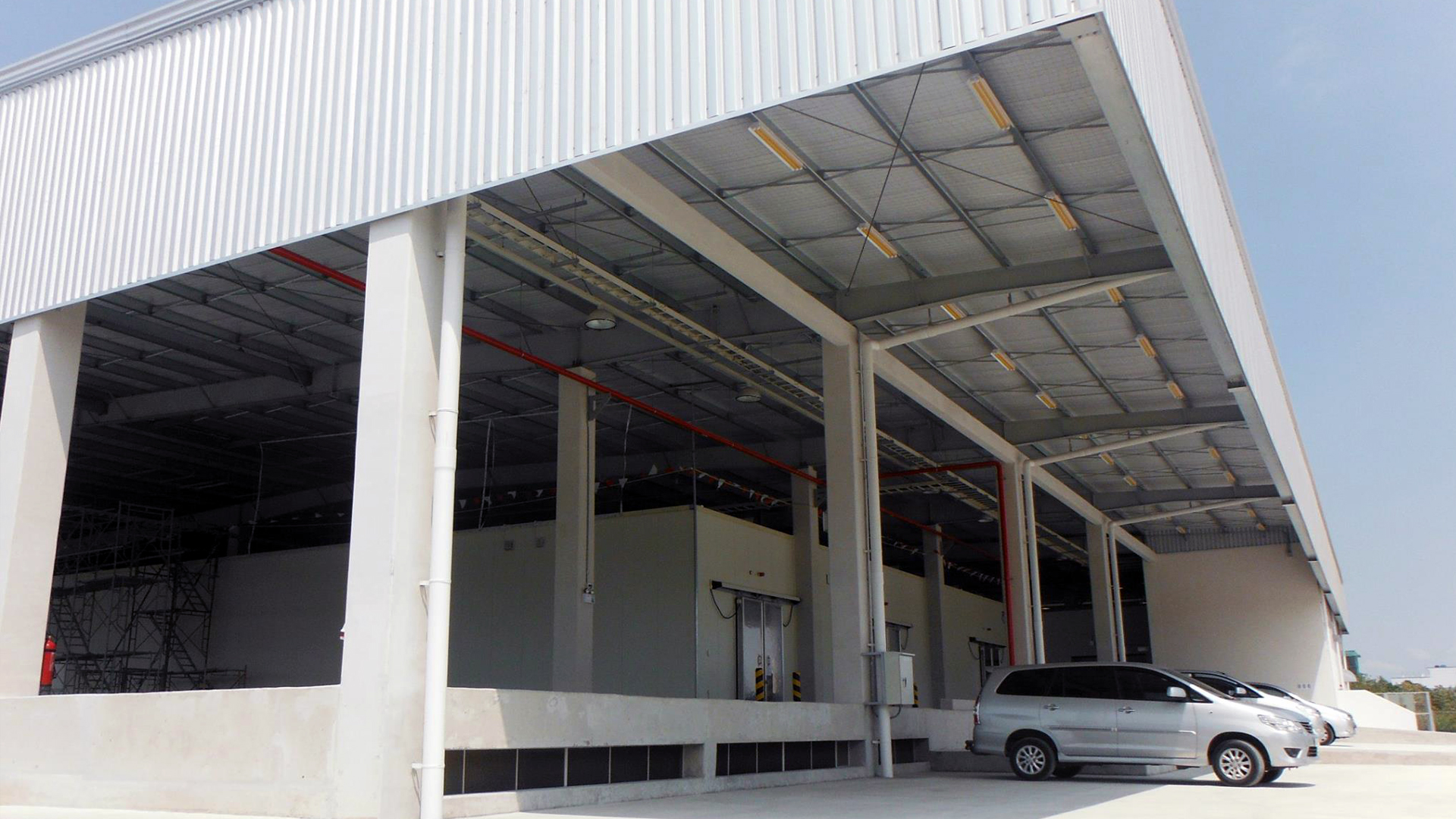

Workshop sheds play a vital role in Australia’s industrial, manufacturing, and agricultural sectors. From mechanical workshops and fabrication facilities to equipment storage buildings, a steel workshop shed offers a durable and cost-effective building solution.
One of the most frequently asked questions during project planning is: How much does a workshop shed cost in Australia?
The cost of building a workshop shed depends on multiple factors, including building size, structural steel design, site preparation, and additional customization features. Understanding these factors helps project owners estimate budgets more accurately and choose the most efficient construction method.
In recent years, prefabricated steel workshop sheds have become increasingly popular across Australia because they offer faster construction, lower maintenance costs, and long-term structural durability.
This guide provides a detailed overview of workshop shed costs in Australia and explains the key elements that influence project budgets.
1. Average Workshop Shed Cost in Australia
The cost of building a workshop shed varies depending on size, structural design, and building specifications. However, general price estimates can provide a useful starting point for planning industrial workshop projects.
| Workshop Shed Size | Estimated Cost Range |
|---|---|
| 100–200 m² | AUD $25,000 – $60,000 |
| 200–500 m² | AUD $60,000 – $150,000 |
| 500–1000 m² | AUD $150,000 – $350,000 |
| 1000 m²+ | AUD $350,000+ |
These prices may vary depending on:
-
Structural steel fabrication
-
Engineering requirements
-
Construction location
-
Building customization
For large industrial workshop sheds, costs may increase due to crane systems, heavy machinery support, and advanced structural engineering.
2. Key Factors Affecting Workshop Shed Costs
Shed Size and Layout
The overall size of a workshop shed has the most significant impact on construction costs. Larger buildings require more structural steel, roofing materials, and foundation work. Common workshop shed layouts include:
-
Small mechanical workshops
-
Medium industrial workshops
-
Large fabrication or manufacturing facilities
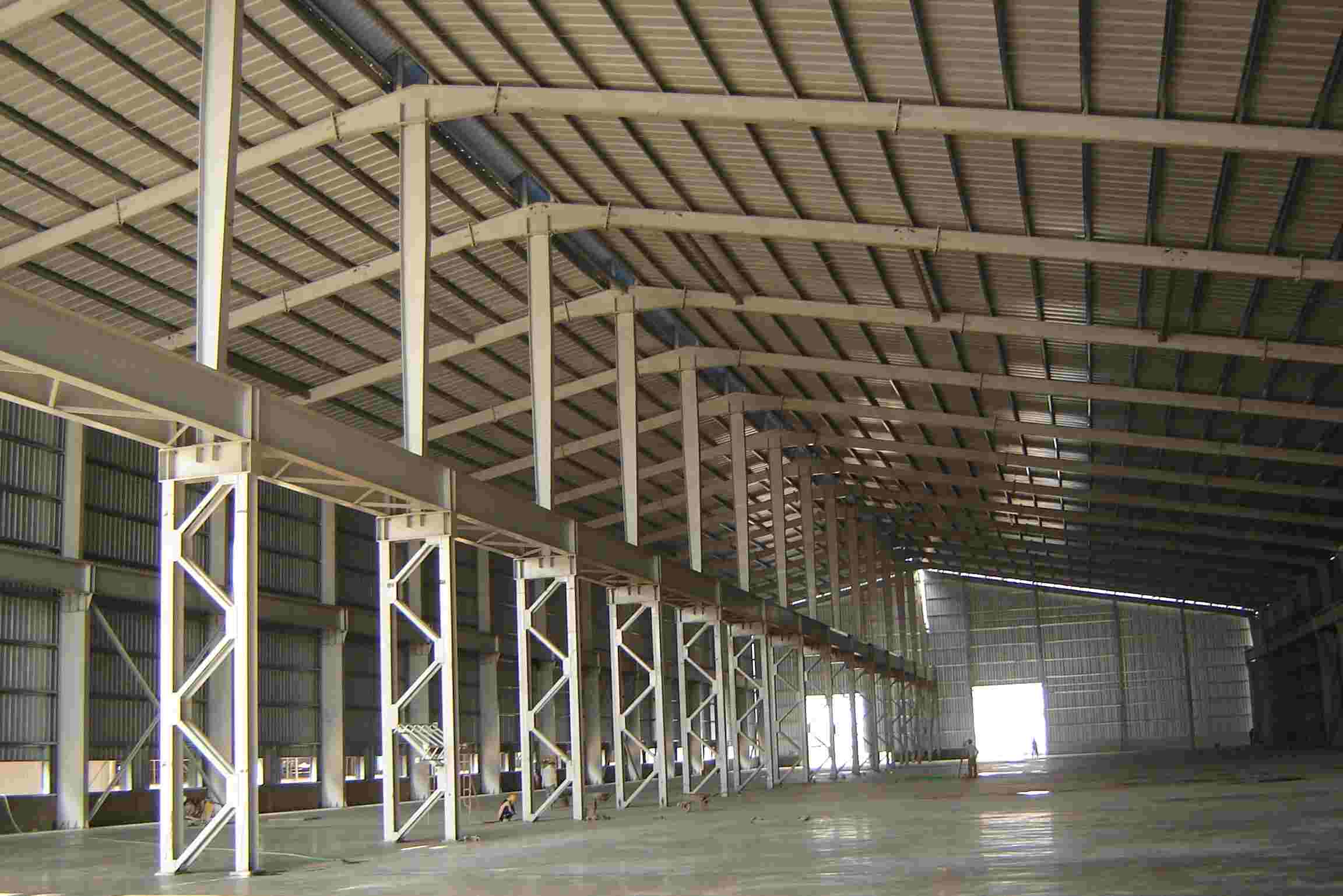
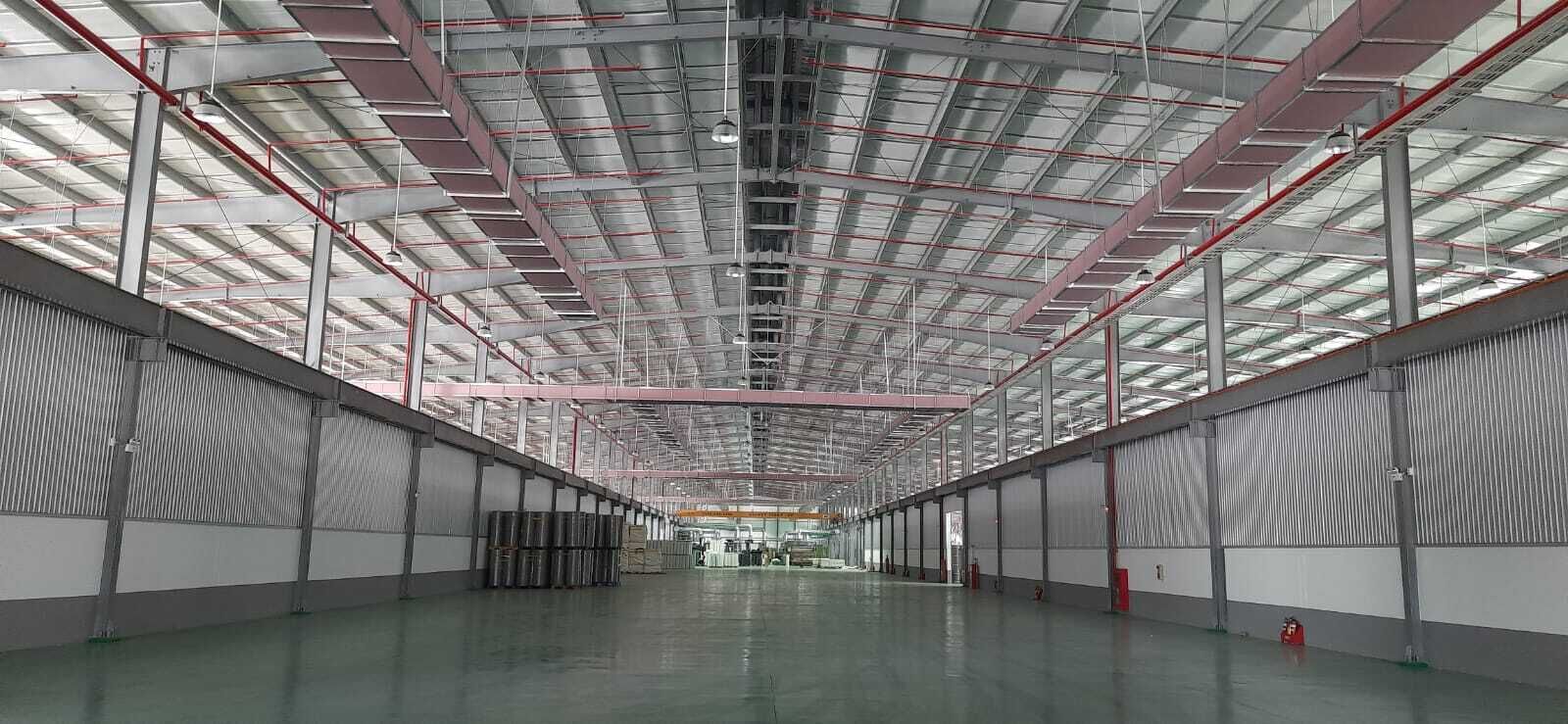
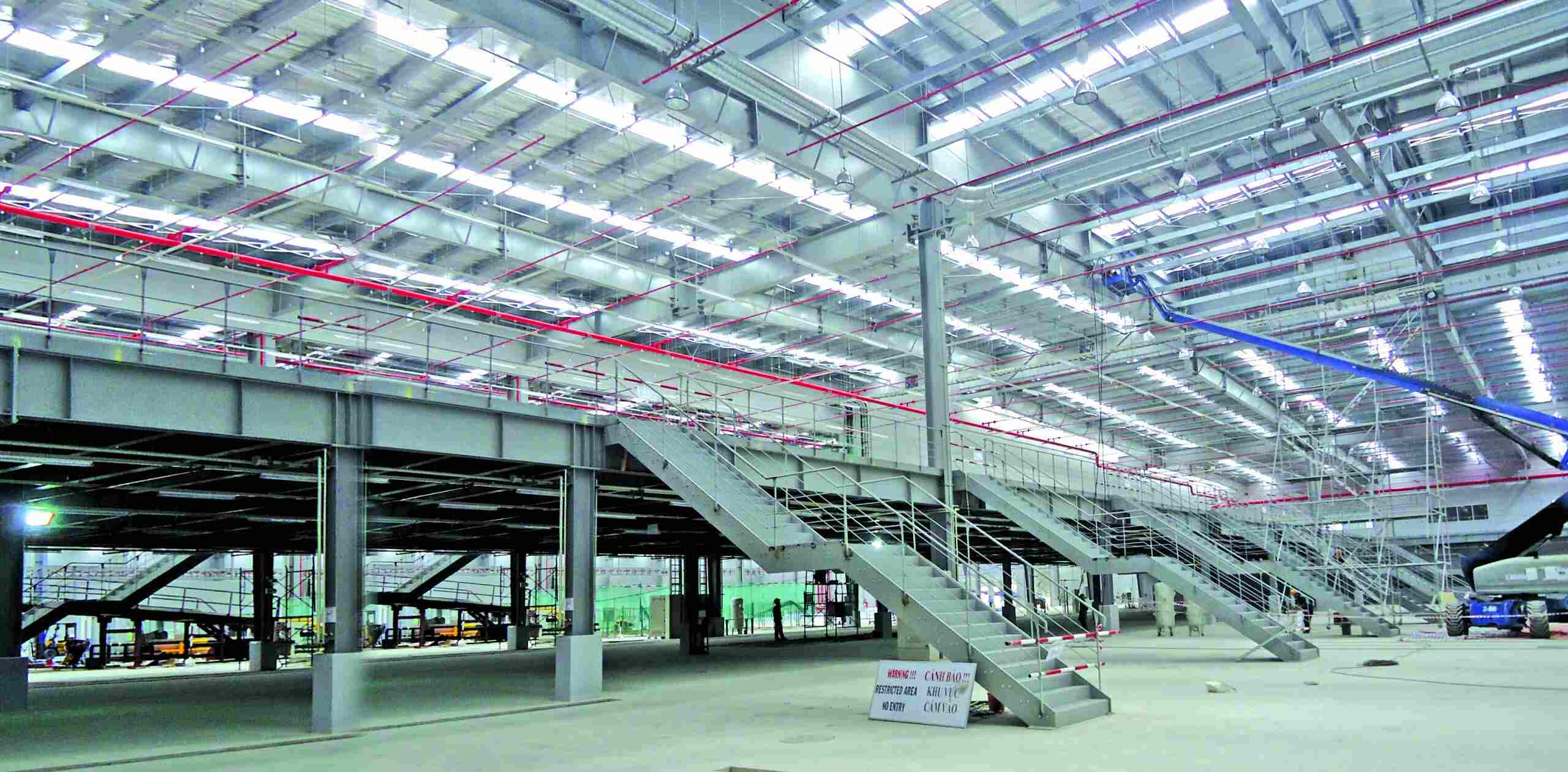
Many modern industrial workshop sheds use clear span steel structures, which eliminate internal columns and provide flexible workspace layouts. Although clear-span structures require stronger steel frames, they improve operational efficiency and allow better equipment placement.
Structural Steel Frame
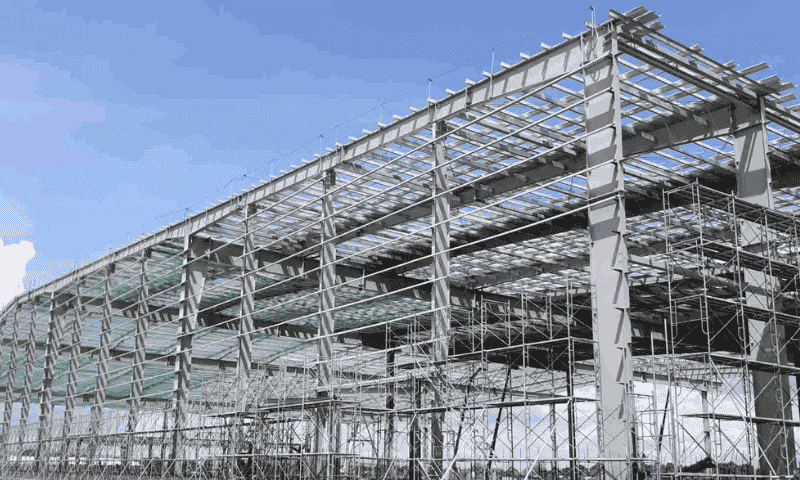
The structural steel frame forms the backbone of a workshop shed. High-quality structural steel fabrication ensures that the building can withstand heavy loads, strong winds, and harsh weather conditions. Important structural components include:
-
Steel columns
-
Roof trusses
-
Structural beams
-
Bracing systems
In Australia, workshop sheds must comply with strict building standards related to wind loads and Australian structural steel standards. Engineering design therefore plays an important role in determining the final project cost.
Site Preparation and Foundations
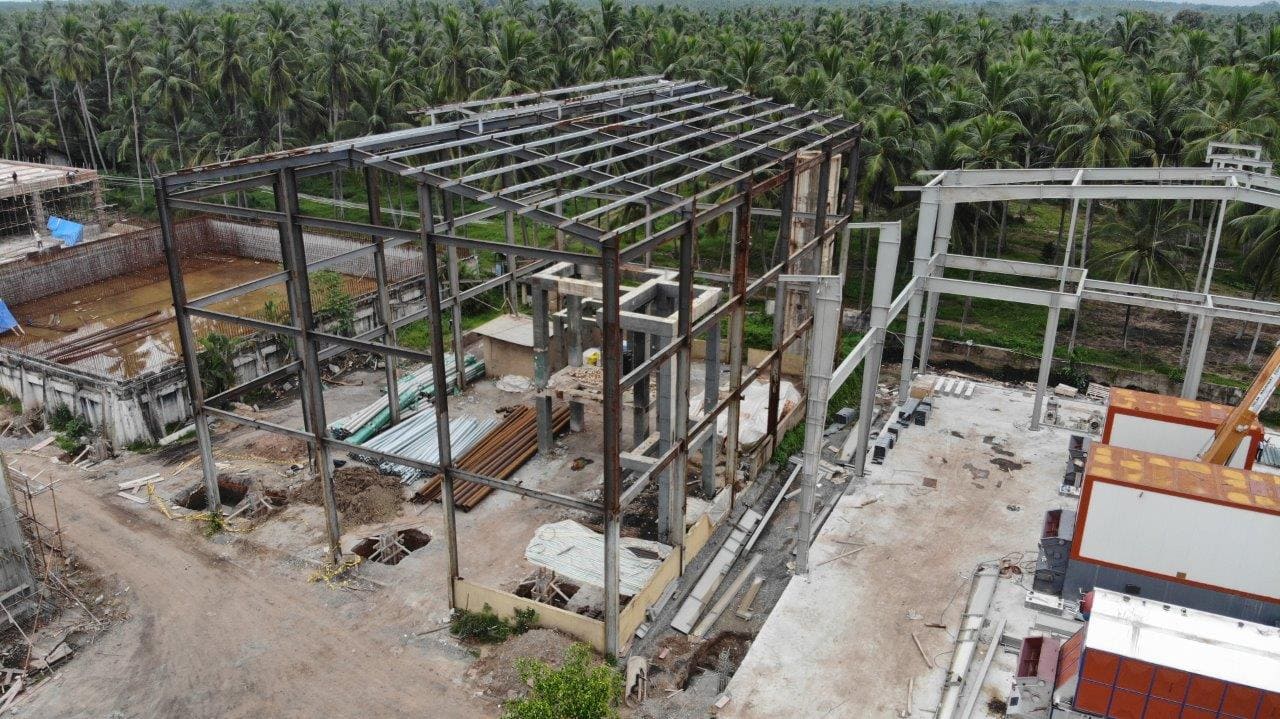
Before construction begins, the building site must be properly prepared. Site preparation costs may include:
-
Land clearing
-
Soil testing
-
Excavation work
-
Concrete slab foundations
-
Drainage systems
Poor soil conditions may require additional foundation reinforcement, which can increase construction costs.
Roofing and Cladding Materials
The roof and wall cladding systems significantly influence both construction cost and building performance. Common materials used in steel workshop sheds include:
-
Metal roof panels
-
Insulated sandwich panels
-
Zinc-coated steel sheets
-
Galvanized steel cladding
Insulated panels may cost more initially but improve energy efficiency and temperature control inside the workshop.
Custom Features and Equipment
Many industrial workshop sheds include additional features that improve functionality. These may include:
-
Overhead crane systems
-
Mezzanine floors
-
Ventilation systems
-
Skylights
-
Large industrial roller doors
Such features increase project cost but significantly enhance building usability.
3. Cost Saving Tips for Workshop Shed Projects
Businesses can reduce construction costs by adopting smart design strategies.
Choose Prefabricated Steel Structures
Prefabricated steel buildings are manufactured off-site and assembled quickly on-site. This reduces construction time and labor costs.
Optimize Building Design
Efficient building layouts can reduce unnecessary structural materials while maintaining performance.
Plan Future Expansion
Designing a workshop shed with future expansion capability prevents costly structural modifications later.
4. Why Steel Workshop Sheds Are Popular in Australia
Steel workshop sheds have become the preferred choice for industrial buildings due to several advantages.
Key benefits include:
-
Fast construction timelines
-
Excellent structural durability
-
Resistance to harsh weather conditions
-
Minimal maintenance requirements
-
Flexible building design
Compared with traditional concrete buildings, steel workshop structures are often more cost-effective and easier to expand.
5. Conclusion
Understanding the cost of building a workshop shed in Australia is essential for planning successful industrial construction projects.
While costs vary depending on building size, materials, and customization, steel workshop sheds offer a reliable and efficient solution for modern industrial facilities.
With proper design and engineering, steel workshop buildings can deliver long-term durability, operational efficiency, and excellent value for investment.
6. FAQs
How much does a workshop shed cost in Australia?
Workshop shed costs typically range from AUD $25,000 to more than $350,000, depending on building size, structural design, and customization.
Are steel workshop sheds cheaper than concrete buildings?
Steel workshop sheds are often more cost-effective because they require shorter construction timelines and lower maintenance costs.
What size workshop shed is most common in Australia?
Many industrial workshop sheds range between 200 and 800 square meters, depending on operational requirements.
If you have questions that need to be answered, please contact us at the following email: marketing@pebsteel.com.vn
Disclaimer: The content provided in this article is for reference purposes only. Technical specifications and design requirements may vary based on specific project conditions and local regulations.