
As industrial operations grow, the need for durable and scalable storage becomes essential. A steel shed stands out for its strength, fire and pest resistance, low maintenance, and long lifespan, making it a preferred solution delivered by an experienced steel structure fabricator in Vietnam. Designed for large-scale use, an industrial steel shed protects valuable goods and supports complex operations while allowing fast construction and easy expansion. This article summarizes the key benefits of steel sheds and why leading companies like Pebsteel continue to trust this modern building solution.
1. What Is A Steel Shed?
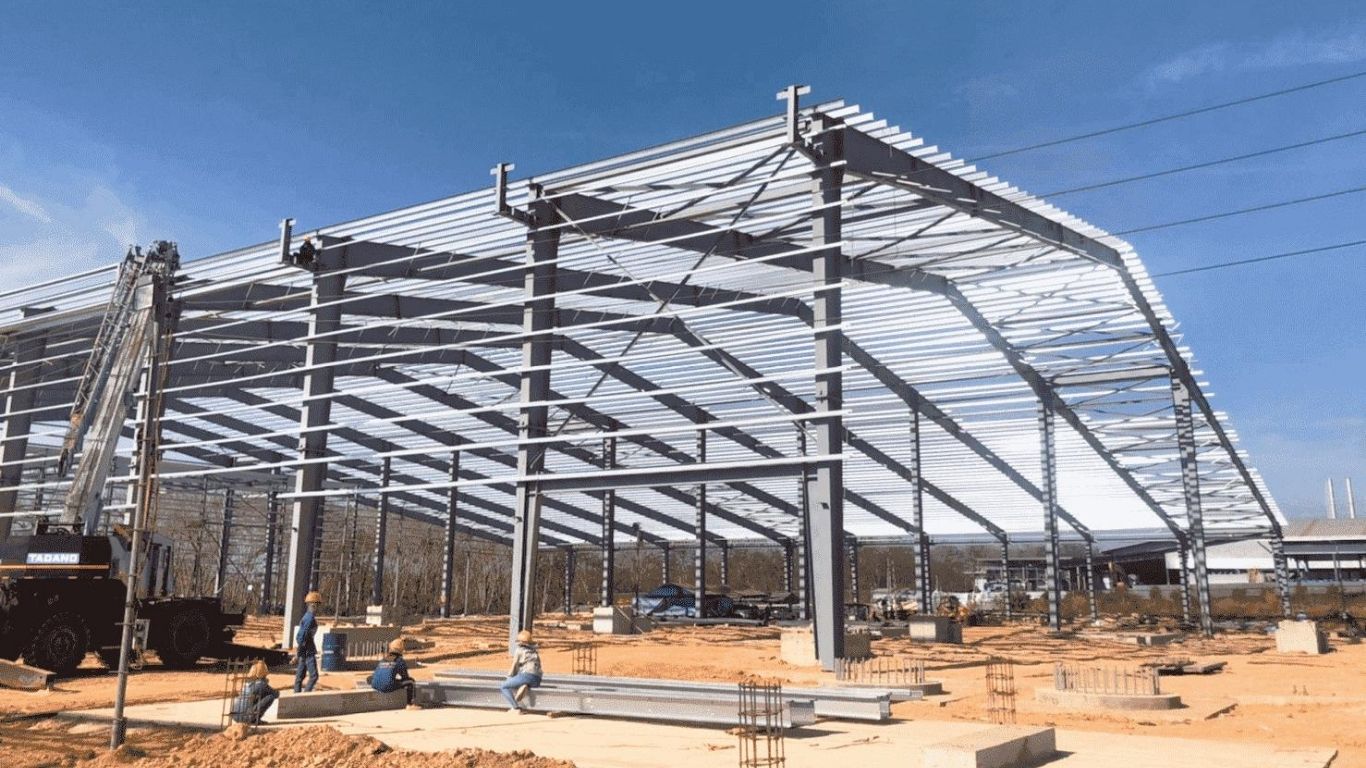
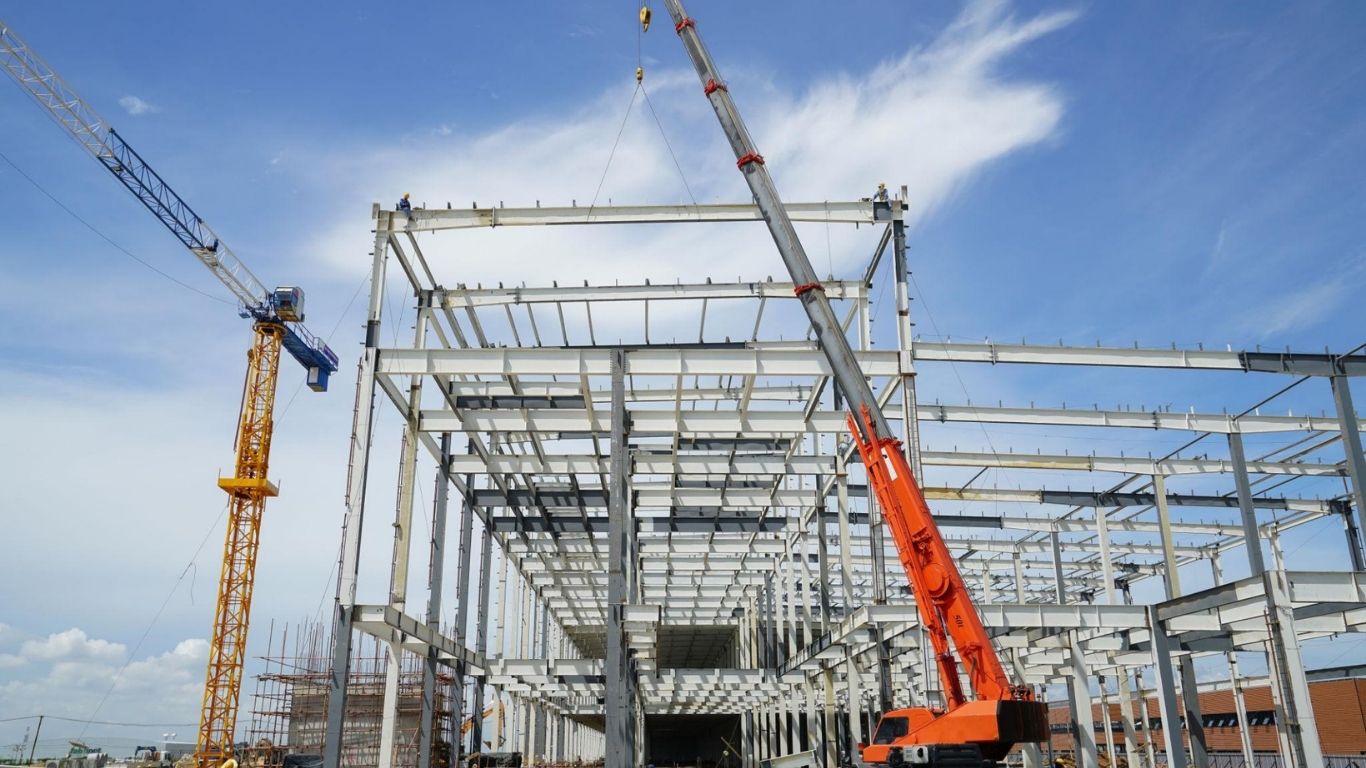
A steel shed is a modern warehouse solution that uses a steel frame as its primary structural support. Most prefabricated steel sheds are built from pre-fabricated components—columns, beams, roofing, and wall panels—that are manufactured off-site and assembled on-site in modular sections. This approach ensures consistent material quality, faster construction, and reliable project timelines.
Steel sheds are highly versatile. They can serve as storage areas, loading and packing zones, or even include office spaces integrated with storage. Designs are optimized for air circulation, natural lighting, and efficient internal layouts, helping protect goods while maximizing operational efficiency over the long term.
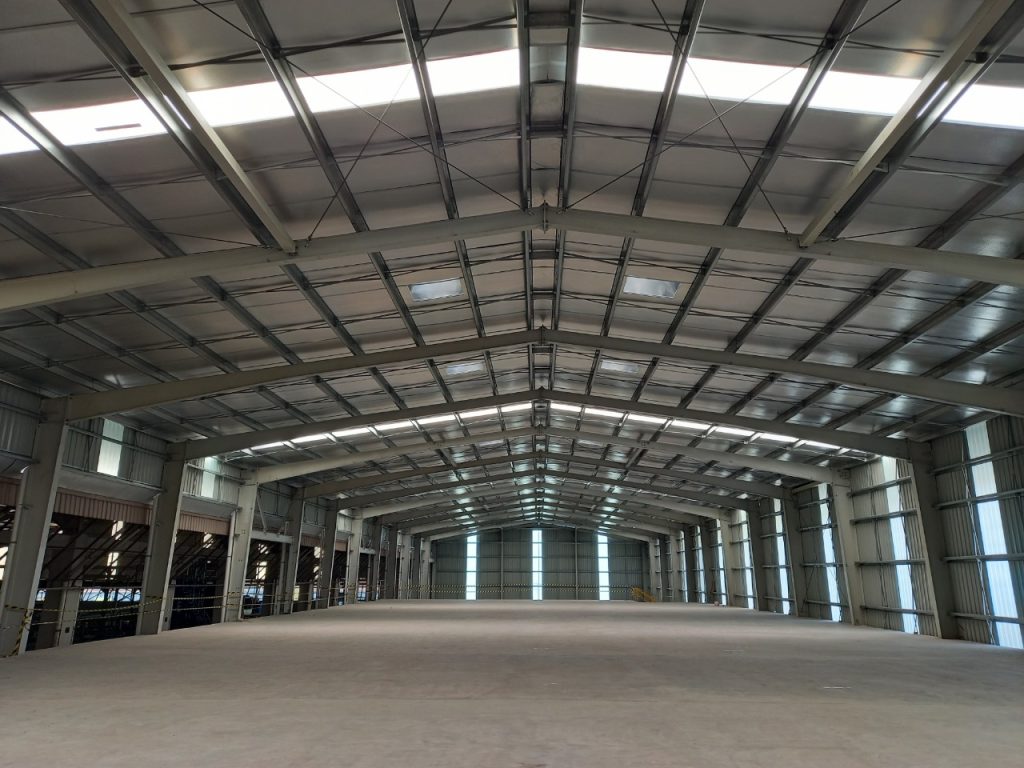
A steel shed uses a steel frame as its primary structural support
2. Why Steel Shed Is Ideal for Long-Lasting Storage Solutions?
The accelerating industrial shift away from traditional building materials in favor of steel shed solutions is fundamentally driven by a triad of strategic benefits: exceptional durability, superior economic efficiency, and unmatched operational flexibility.
2.1. Unmatched Durability and Longevity
The primary driver for choosing steel is resilience. Industrial steel shed workshop structures are resistant to the common enemies of construction: termites, rot, mold, and fire. High-quality steel, often treated with galvalume or galvanized coatings, provides exceptional resistance to corrosion. This ensures that the facility maintains its structural integrity for decades with minimal degradation, a standard evident in the long-lasting projects delivered by established entities like Pebsteel.
2.2. Cost-Effectiveness and Speed of Construction
Time is a critical resource in industrial projects. A prefabricated steel shed significantly reduces construction timelines compared to conventional concrete buildings. Since the components are pre-cut, pre-drilled, and pre-welded at the factory, on-site assembly is rapid and efficient. This accelerated schedule translates to lower labor costs and a faster return on investment (ROI) as businesses can commence operations sooner.
2.3. Flexibility and Expansion Capability
Business needs to change dynamically. One of the unique features of a steel shed building is its adaptability. These structures can be easily expanded by adding additional bays or lengthening the frame without significantly disrupting ongoing operations. This modularity enables companies to begin with a medium-sized facility and scale up as their storage needs increase.
2.4. Low Maintenance Requirements
Operational costs extend beyond construction. Steel sheds require significantly less upkeep than wood or concrete structures. The cladding used in modern steel buildings is often coated with high-performance paint systems that resist fading and chalking, reducing the need for frequent repainting or repairs.
2.5. Eco-Friendly and Sustainable
Steel is one of the most recyclable materials on the planet. Utilizing a steel shed contributes to green building certifications. Furthermore, the precision of pre-engineering minimizes construction waste, making it a sustainable choice for environmentally conscious enterprises.
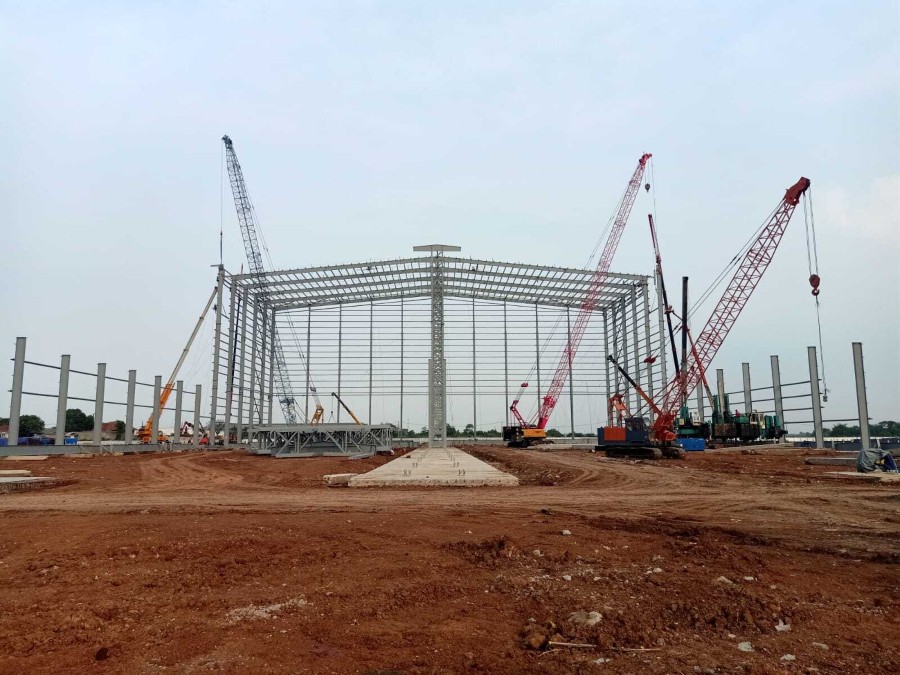
The Strategic Benefits of Industrial Steel Shed Structures
3. Diverse Industrial Applications of the Steel Shed
It is essential to distinguish the scope of a modern industrial steel shed from that of residential storage units. Leading fabricators focus exclusively on the industrial and commercial sectors, delivering medium- to large-scale steel shed building projects designed for heavy-duty usage and operational efficiency.
- Logistics and Warehousing: The most prevalent application is the warehouse steel shed. The inherent clear-span capabilities of steel eliminate the need for internal columns, facilitating the unobstructed movement of forklifts and Automated Guided Vehicles (AGVs). These structures maximize cubic storage capacity, making them the ideal solution for logistics centers, distribution hubs, and cold storage facilities. Industry providers like Pebsteel frequently engineer these sheds with optimized eave heights and wide spans to accommodate extensive, high-density racking systems.
- Manufacturing Workshops and Factories: For the production sector, a steel shed provides a robust operational envelope. The structural integrity is engineered to support heavy dynamic loads, such as Electric Overhead Traveling (EOT) cranes, which are essential for manufacturing lines. Furthermore, the design flexibility allows for the seamless integration of industrial ventilation, skylights for natural illumination, and insulation systems, thereby maintaining precise thermal control for workers and sensitive machinery.
Equipment and Fleet Shelters: In industries such as agriculture, mining, and aviation, preserving high-value assets is critical. Large-scale prefabricated steel shed structures serve as essential shelters for heavy agricultural machinery, mining fleets, or aircraft. These open-sided or fully enclosed buildings offer superior protection from environmental elements while ensuring easy ingress and egress for oversized vehicles.
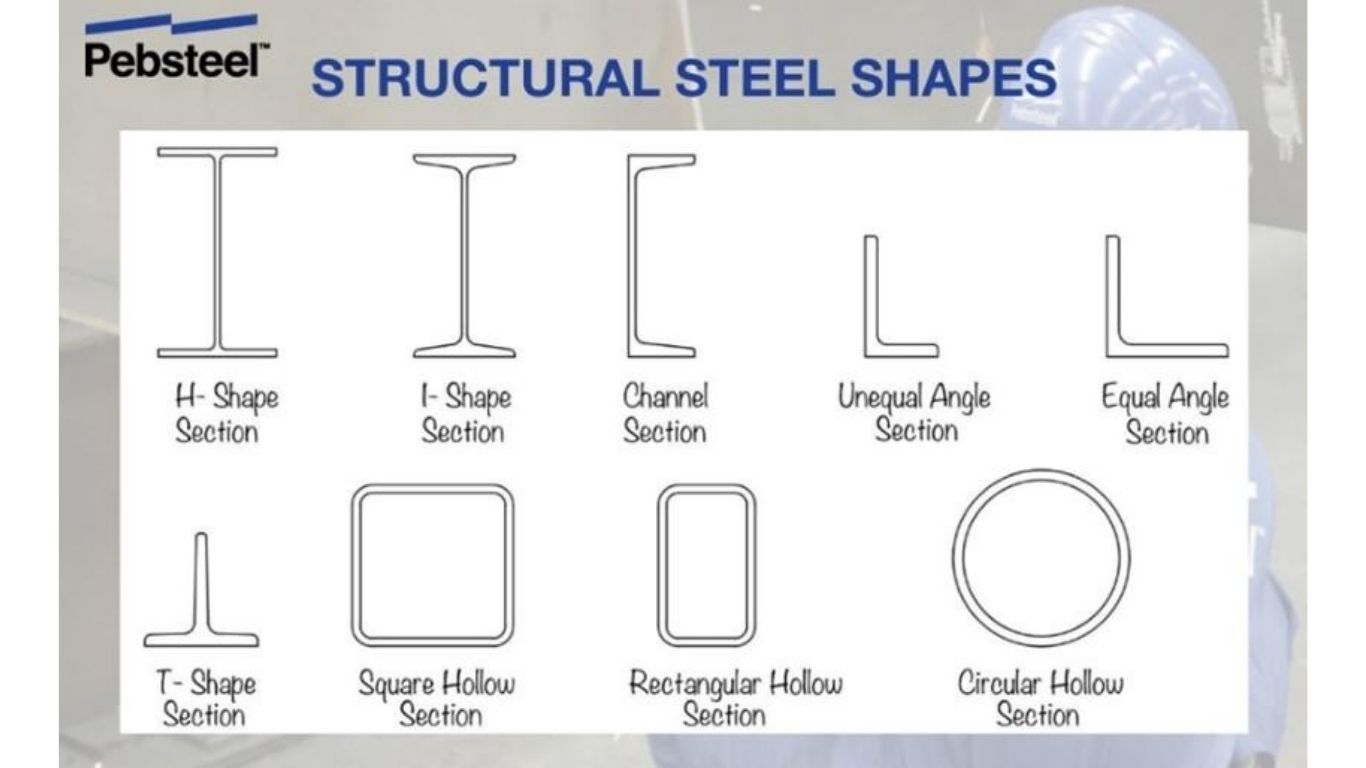
For Your Information: Innovative Structural Steel Solutions for Industrial Efficiency
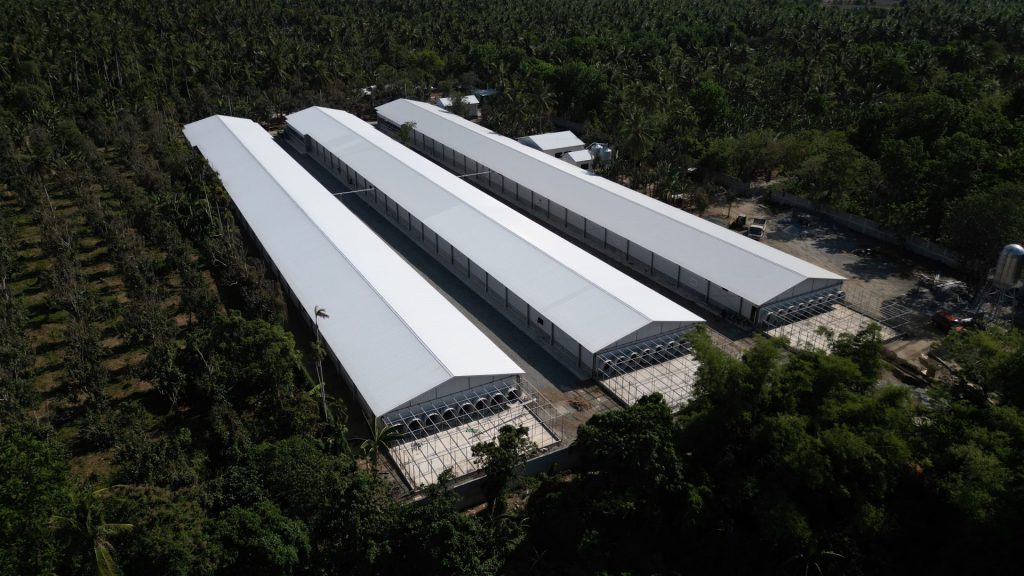
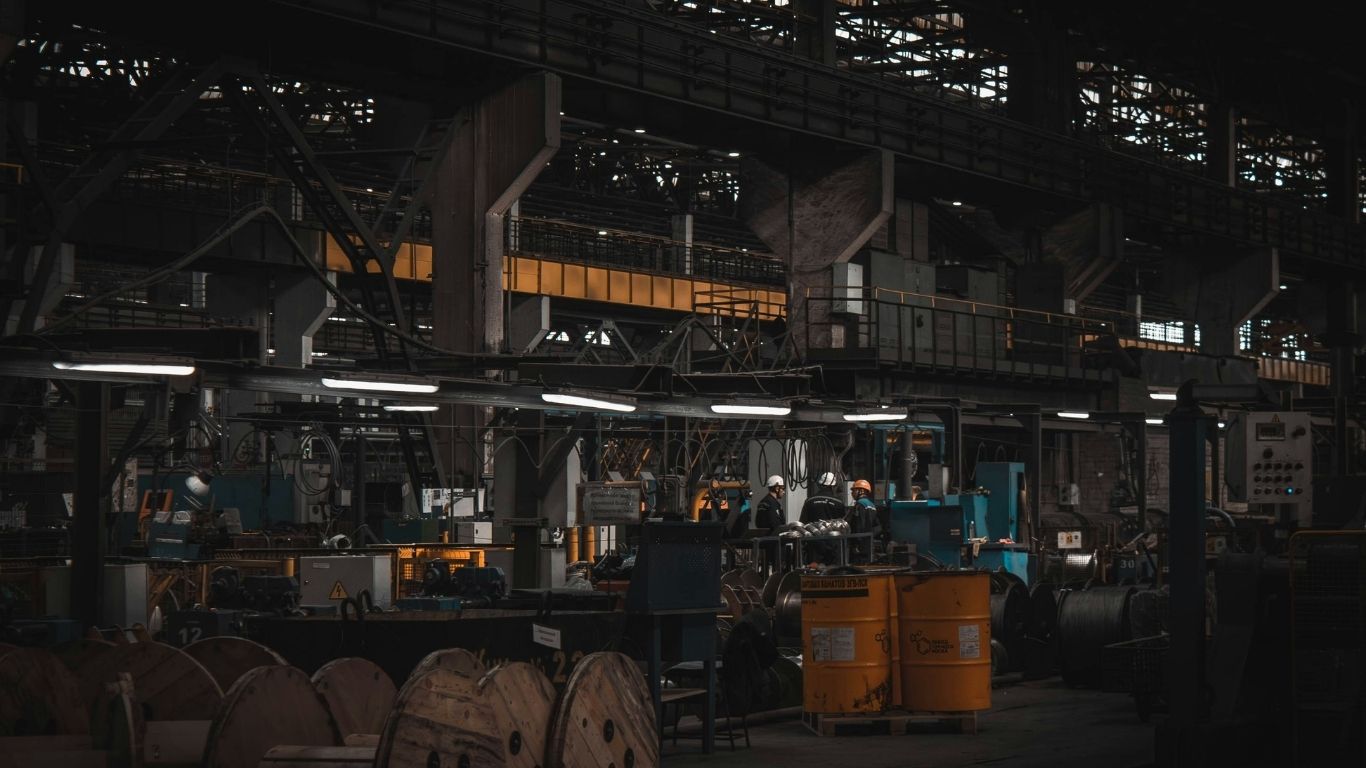
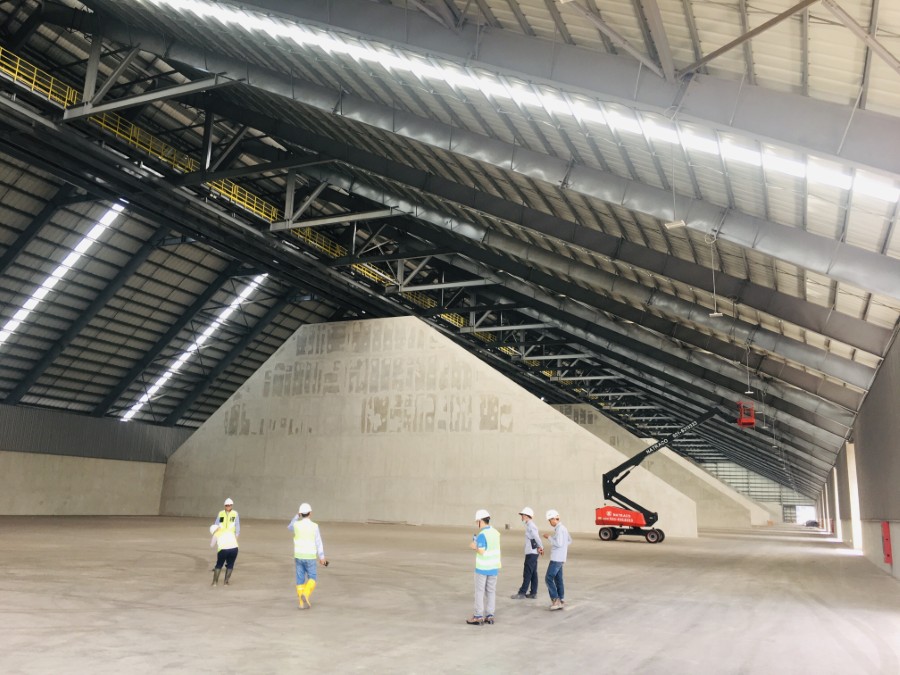
Industrial steel sheds used for logistics, manufacturing, and equipment shelter
4. Applications of Steel Shed in Small-scaled Projects
Medium- and large-scale steel warehouses are widely acknowledged for their versatility, providing flexible solutions for transportation, logistics, storage, as well as warehouse facilities, production workshops, and industrial plants. Alongside these large structures, steel sheds at a smaller scale also play an important role, serving specific functions tailored to specialized usage needs.
Small-scale steel sheds are commonly used for:
Storing household items and goods
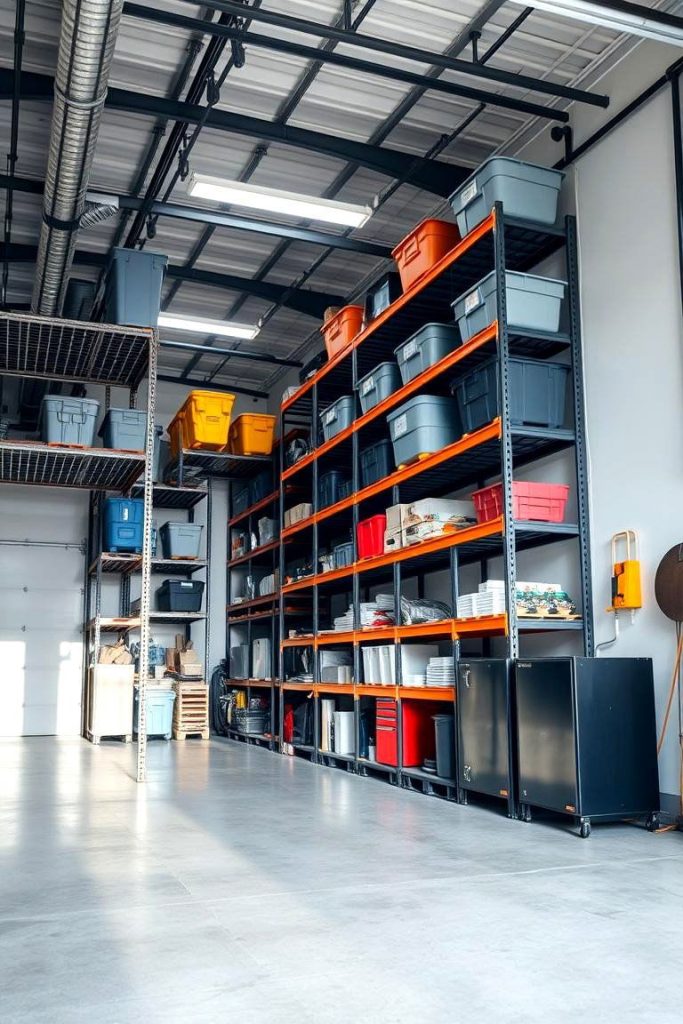
Small steel warehouses used for storing belongings and goods (Source: Internet)
Garden sheds and outdoor storage
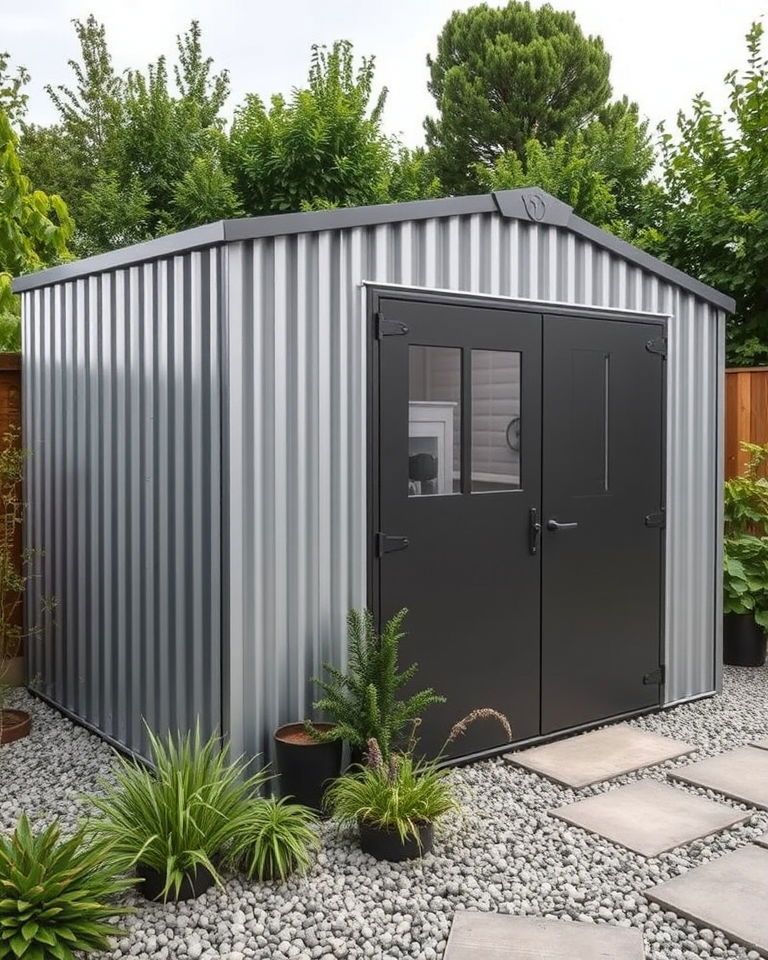
Small-scale steel warehouses used as garages (Source: Internet)
Private or commercial garages
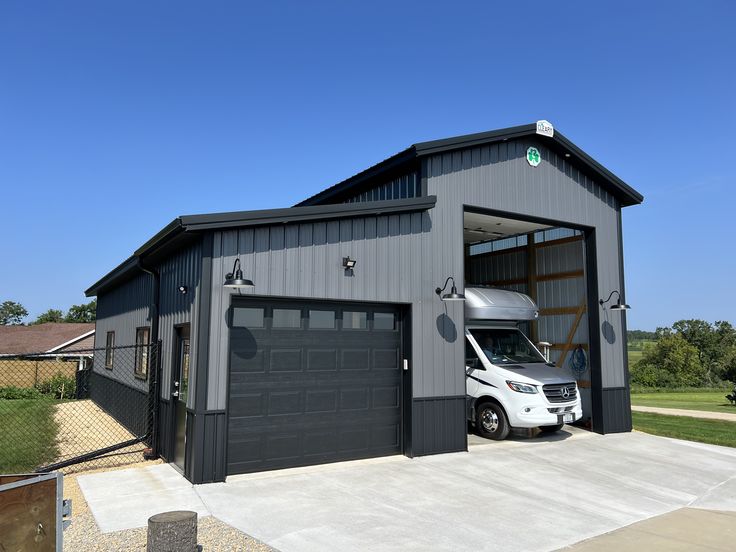
Small-scale steel warehouses used as garages (Source: Internet)
Compact office spaces
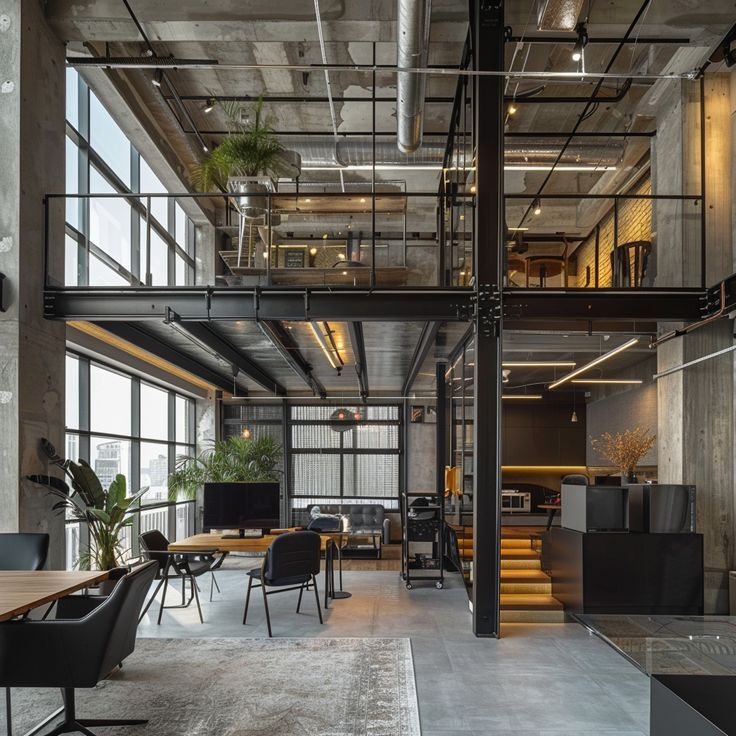
Small-scale steel warehouses used as small offices (Source: Internet)
With their strong adaptability and diverse functional applications, steel sheds present an effective construction solution and demonstrate notable advantages when compared to medium- and large-scale steel warehouse structures.
- Fast construction time: With a relatively compact footprint, a steel shed can be fabricated and completed quickly while still maintaining construction quality and structural reliability.
- Durability and environmental resistance: Steel sheds are built using materials similar to those of larger steel structures. However, their simpler structural systems and lighter load requirements enhance stability and make inspection or maintenance easier when issues arise.
- Cost efficiency: Due to their modest size and shortened construction timeline, steel sheds require less material and labor investment, allowing owners to significantly reduce overall construction costs while still meeting functional needs.
**Note: The content of this article is presented in a neutral manner and is intended solely to provide useful and informative insights to readers. It does not imply or state that Pebsteel undertakes the design, fabrication, or construction of small-scaled steel sheds or warehouses.
5. Evaluating the Steel Shed against Conventional Methods
To understand why steel shed is the preferred choice for modern industry, it is essential to evaluate it alongside traditional construction options.
- Comparing Steel to Wood: Wood is vulnerable to environmental degradation, including warping, rot, and termite damage. It also lacks the structural capacity to support wide spans without internal columns. Conversely, a steel shed building negates these risks, providing a durable solution with expansive, unobstructed interiors.
- Comparing Steel to Concrete: Although concrete provides durability, it is heavy, logistically expensive, and takes a long time to cure. Additionally, concrete structures are inflexible, rendering future expansions complex and costly. A steel shed resolves these issues by offering a high strength-to-weight ratio, rapid assembly, and the flexibility to expand the facility as business needs evolve.
6. Critical Considerations for Planning Your Steel Shed
When planning the construction of an industrial facility, several factors must be evaluated to ensure the steel shed meets specific operational goals.
Essential Factors to Consider When Planning a Steel Shed
6.1. Assessing Storage and Operational Needs
Before design begins, businesses must calculate the required floor area and vertical clearance to ensure compliance with relevant regulations. For a warehouse steel shed, this involves determining pallet positions and aisle widths. For workshops, considerations for crane loads and workflow are essential.
6.2. Location and Environmental Loads
The design of a prefabricated steel shed is heavily influenced by its location. Engineers must account for local wind speeds, snow loads, and seismic zones to ensure the safety and stability of the structure. A shed built in a coastal area requires different corrosion protection compared to one in an arid region. Trusted partners in the industry, such as Pebsteel, typically customize the structural design to adhere strictly to local building codes and environmental challenges.
6.3. Material Quality and Aesthetics
Not all steel is created equal. The longevity of the building depends on the yield strength of the steel and the quality of the protective coatings on the roof and wall cladding. Additionally, modern industrial architecture values aesthetics; steel sheds can be customized with various architectural fascias and color schemes to align with corporate branding.
6.4. Selecting a Reputable Contractor
The success of a steel building project relies on the expertise of the fabricator and erector. It is vital to select a provider with a proven track record in industrial projects rather than residential kit homes. Experienced contractors ensure that the steel shed building is engineered safely, delivered on time, and assembled correctly. Companies like Pebsteel are often sought after for their comprehensive experience in handling complex, large-scale industrial shed projects across various regions.
The shift towards steel shed in the industrial sector is not merely a trend but a logical evolution in construction technology. By offering a superior combination of strength, speed, and versatility, a steel shed stands out as the optimal investment for businesses seeking long-lasting storage solutions.
From a sophisticated warehouse steel shed to a complex manufacturing facility, the adaptability of a prefabricated steel shed ensures that businesses are equipped for both current demands and future growth. For organizations aiming to secure their assets and optimize operations, partnering with experienced providers like Pebsteel to implement high-quality steel structures ensures a foundation built for durability, efficiency, and sustained success.
To initiate your project or discuss specific structural requirements, please contact Pebsteel immediately via email at marketing@pebsteel.com.vn or by phone at (+84) 908 883 531 to receive a comprehensive consultation from our highly experienced engineering team.
Note: The information provided in this article is intended for reference purposes only.