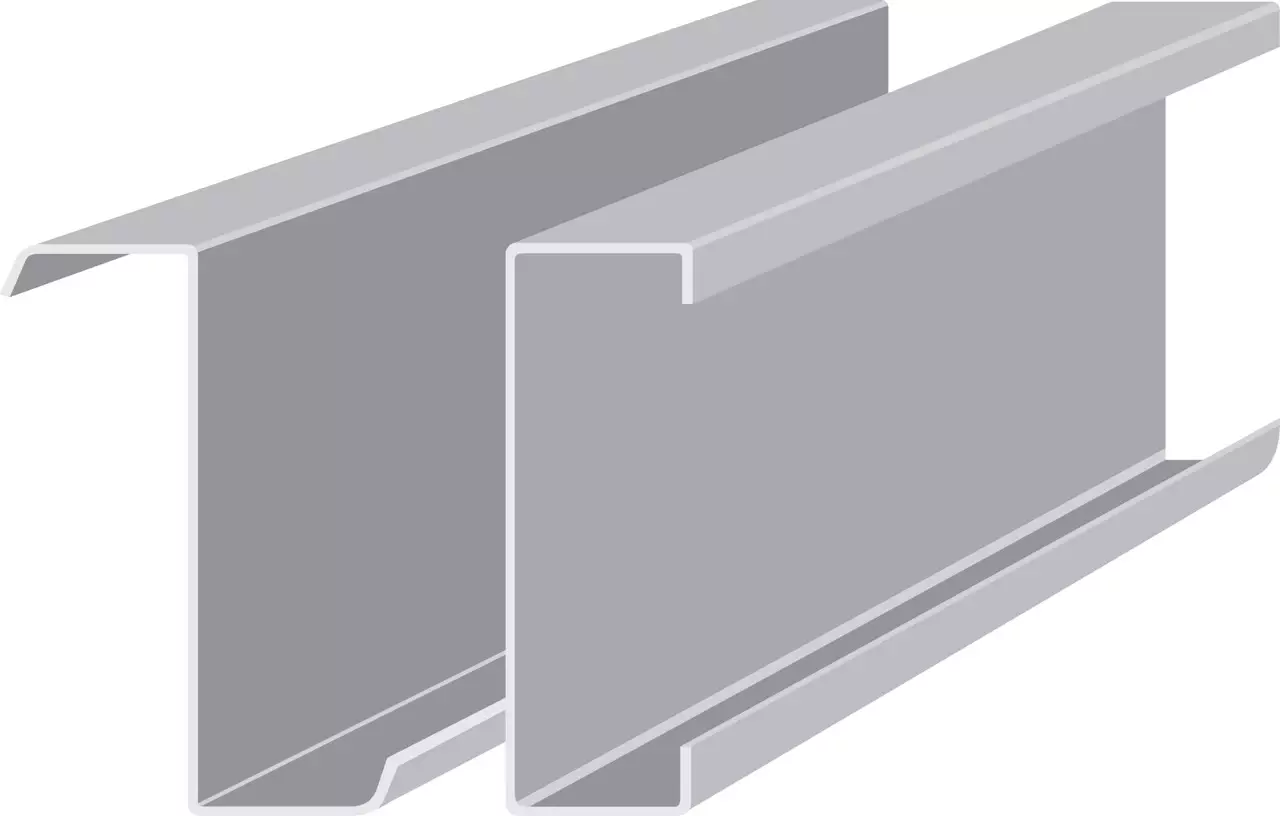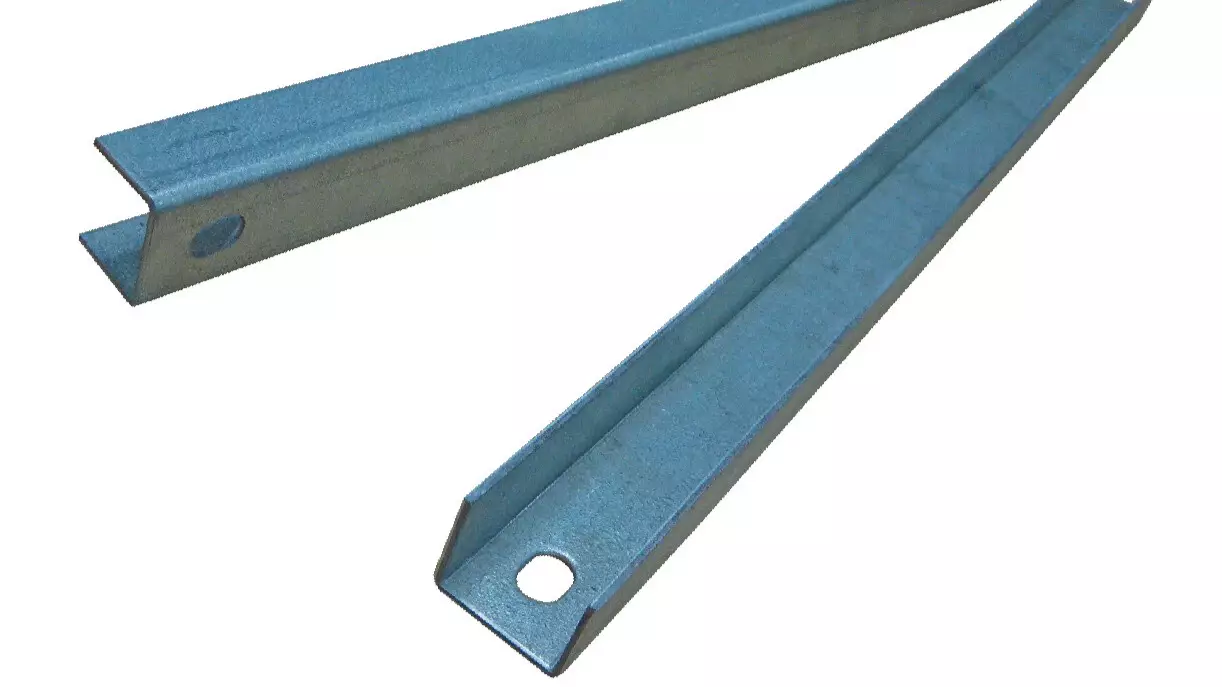

In today’s fast-paced industrial landscape, investors need infrastructure that balances rapid delivery with long-term reliability. At the core of this balance is structural steel design, a discipline focused on delivering strength, safety, and efficiency for industrial, commercial, and residential projects.
More than assembling metal components, structural steel design provides the strategic framework that determines the performance and success of buildings from high-rise offices to large logistics centers. This article explores the key engineering principles, international standards, and advanced fabrication technologies behind superior structural steel design solutions, showing why leaders like Pebsteel prioritise engineering excellence to create lasting value.
1. What is Structural Steel Design?
The true efficacy of steel lies not merely in the material itself but in the engineering intelligence applied to it. Structural steel design is a specialized engineering discipline that serves as the bridge between architectural vision and physical reality. It is the sophisticated process of creating technical drawings and structural simulations, requiring a blend of physics, mathematics, and material science to ensure that complex forces are managed effectively. Structural steel design plays a crucial role in modern construction, focusing on strength, safety, and efficiency for industrial, commercial, and residential projects.
2. The Role of Structural Steel Design in Modern Infrastructure
In the evolving landscape of contemporary architecture and industrial development, steel stands as the unrivalled champion of materials. According to the World Steel Association, global crude steel production exceeded 1.84 billion tons in 2024, a testament to its ubiquitous presence in our built environment. From the towering skylines of metropolitan business districts to the sprawling industrial parks that drive global supply chains, steel is the fundamental element enabling both vertical growth and horizontal expansion.
However, steel’s true value comes from the engineering behind it. Structural steel design ensures that every component performs safely and efficiently, turning architectural plans into stable, buildable structures. This phase determines how well a building can withstand real-world forces, making it essential for any modern construction project.
For investors, architects, and stakeholders, understanding the gravity of this phase is vital for the success of any venture. Steel structure design has a significant impact on the durability, safety, cost, and construction schedule of a project, ultimately affecting its lifespan and overall efficiency. A meticulously designed steel building optimises every beam, column, and connection to deliver maximum performance with minimal waste. Conversely, a flawed design strategy can lead to catastrophic financial overruns and safety hazards. Industry leaders like Pebsteel have consistently demonstrated that the difference between a standard facility and a high-performance asset lies entirely in the rigour of the design process.
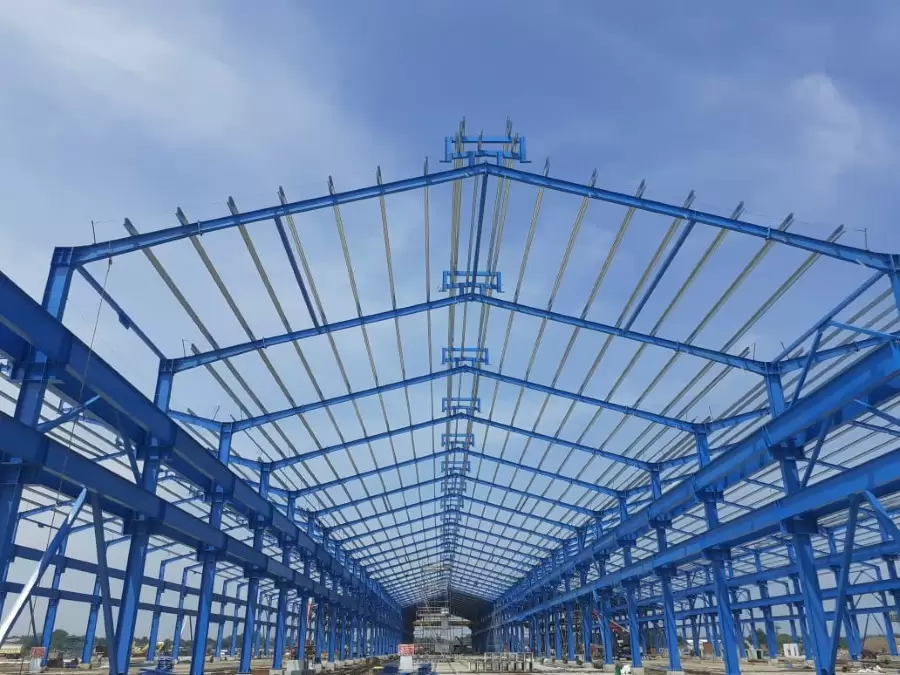
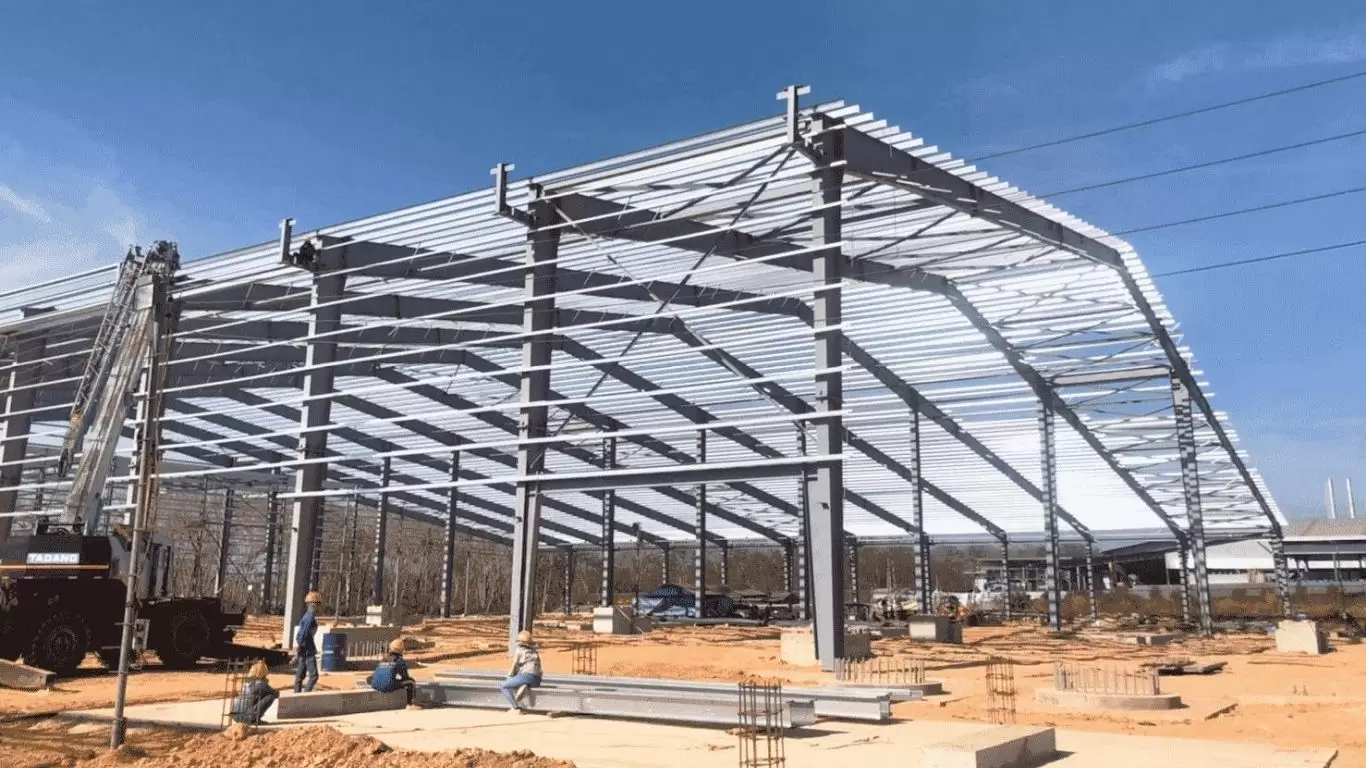
Structural steel design transforms architectural vision into safe, durable, and efficient modern infrastructure
3. Core Engineering Fundamentals for Structural Steel Design
Structural steel design is not based on estimation but on precise calculation and anticipation. Engineers must ensure the structure can withstand a variety of forces, technically known as “loads,” that will act upon it throughout its operational lifecycle.
Understanding Load Paths and Forces
To guarantee safety, engineers must analyse how forces travel through the structure to the foundation. This requires using high-quality steel and optimized structural systems to carry heavy loads, minimize failure risks, and support applications such as factories, warehouses, and commercial facilities. The primary loads considered in this analysis include:
- Dead Loads: The constant weight of the structure itself, including the steel frame (or steel framework), cladding, roofing, and permanent fixtures.
- Live Loads: Variable weights such as occupants, movable equipment, storage racks, and inventory in a warehouse.
- Environmental Loads: These are critical for specific geographic regions. Wind load is a primary concern for high-rise buildings and open-frame structures, such as hangars. Seismic load requires specialised ductility analysis to ensure the building absorbs energy during an earthquake without collapsing.
In heavy industrial applications, the design must also account for dynamic loads from crane systems and vibrating machinery. This ensures that fatigue does not compromise structural integrity over time. By establishing a clear load path, engineers prevent stress concentrations that could lead to localised failures.
Structural Stability and Buckling Resistance
Beyond handling external weights, the structure must remain stable under its own configuration. Concepts such as Euler’s buckling theory are applied to slender columns to prevent bowing under pressure. The stability coefficient is a key metric, where a higher value indicates greater resistance to buckling. Modern design software ensures that deflection limits, which measure the degree to which a beam bends under load, remain within strict boundaries defined by standards like AISC 360, ensuring the building feels solid and safe for its occupants.
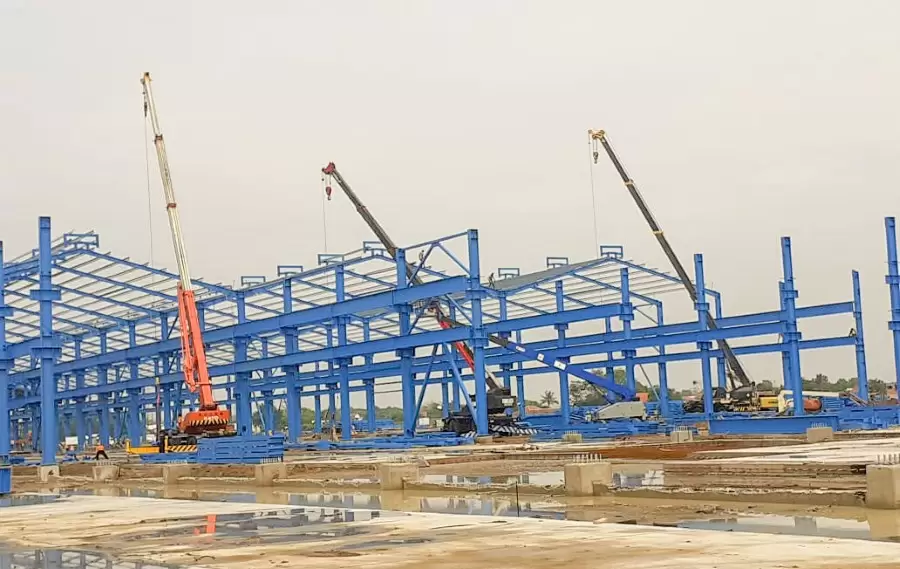
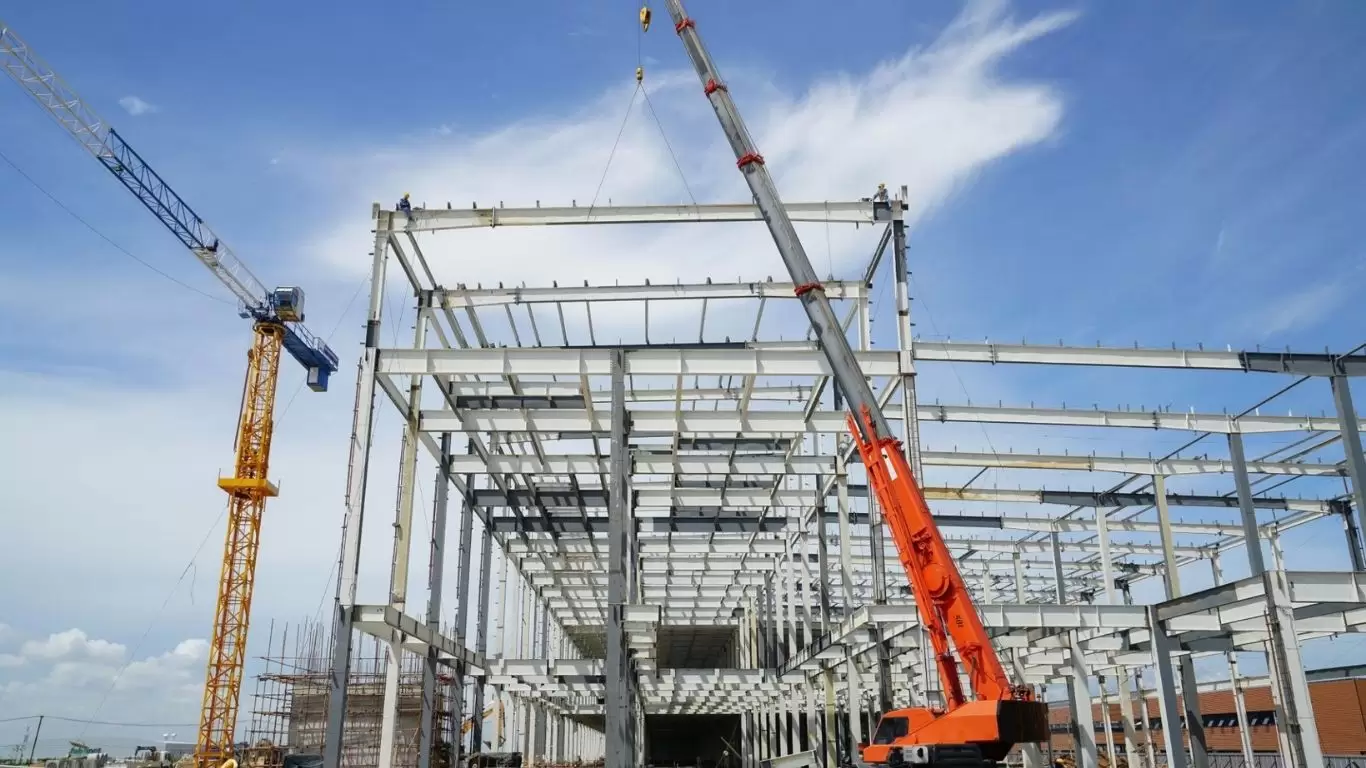
Precise structural steel design ensures buildings withstand loads safely while maintaining stability and long-term durability
4. Adhering to International Standards for Safe Steel Structures
In the global construction market, adherence to recognised standards is the hallmark of quality. A generic design might suffice for a temporary shelter, but a permanent industrial facility requires strict regulatory compliance to avoid legal liabilities and ensure longevity.
Top-tier structural steel design strictly complies with international technical standards, ensures safety for users and workers, and minimises risks from natural disasters and structural failures.
- United States: The AISC 360 (Specification for Structural Steel Buildings) and AISC 341 (Seismic Provisions for Structural Steel Buildings) are considered the gold standards for safety.
- Europe: Eurocode 3 (EN 1993) governs the design of steel structures with a focus on limit state design.
- Australia: AS 4100 provides the framework for steel structures in the southern hemisphere.
When multinational companies like Pebsteel execute projects across borders, they adhere to these rigorous codes to ensure uniformity in safety and quality. This compliance is not just about legality; it is about risk mitigation. A building designed to these codes is engineered to survive extreme weather events, protecting both human life and the valuable assets housed within. For example, in seismic zones, adherence to specific ductility requirements ensures that connections can deform plastically without breaking, providing a critical safety margin during earthquakes.
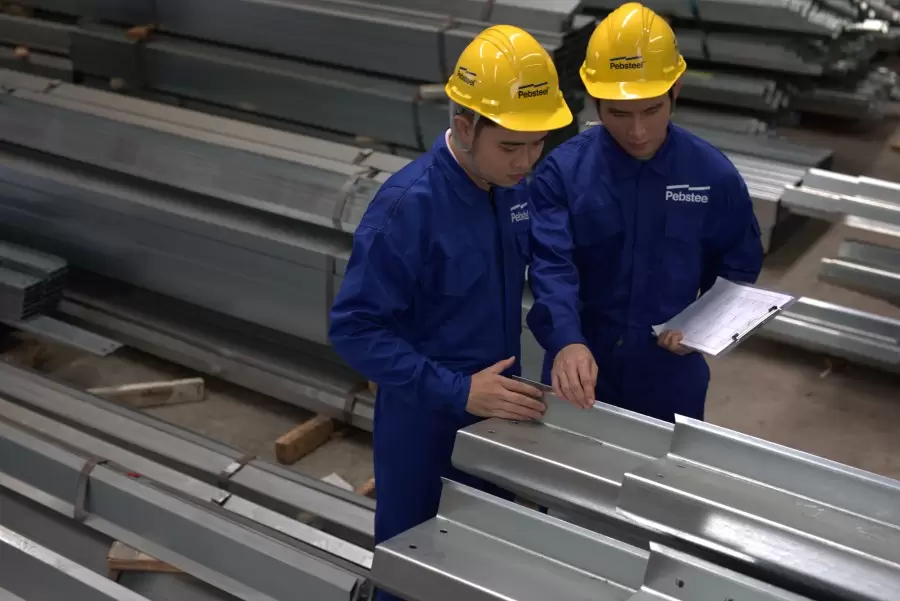
Steel materials from Pebsteel always meet international standards, closely following the requirements of structural steel design
Read More: Top Benefits of Choosing a Steel Structure Building
5. Optimising Material Selection and Steel Grades
Not all steel is created equal, and material selection directly affects the weight, cost, and lifespan of a project. In structural steel design, engineers must balance yield strength and tensile strength with budget constraints and environmental exposure.
Common Steel Grades in Construction
- Carbon Steel (A36): Often used for general purposes, this grade is cost-effective but may require heavier sections to support high loads compared to stronger alloys.
- High-Strength Low-Alloy (HSLA): Grades like ASTM A992 or A572 Grade 50 are preferred for major structural elements in modern structural steel design. They offer a better strength-to-weight ratio, enabling lighter and more efficient structures that reduce foundation costs.
- Weathering Steel: For projects exposed to harsh elements, materials that form a protective rust layer (like Cor-Ten) can significantly reduce long-term maintenance needs.
Correct material selection is crucial for meeting the project’s specific environmental challenges, such as corrosive coastal air or extreme temperature fluctuations. Engineers must also consider the “weldability” of the steel, ensuring that the material properties are not compromised during the fabrication process.
6. Enhancing Fabrication Efficiency for Steel Sheds and Buildings
The bridge between a digital 3D model and a physical structure is the fabrication process. This is where Design for Manufacturing (DFM) principles come into play, particularly in shed fabrication and the design of pre-engineered steel buildings. Traditional construction methods often face delays due to on-site variables, weather, and labour shortages.
In contrast, optimised material design, prefabrication, and fast assembly help shorten construction time, reduce waste, and lower long-term maintenance and operational costs. By manufacturing components in a controlled factory environment, fabricators can ensure tighter tolerances. Beams are cut to exact lengths, and holes are drilled with millimetre precision. When these components arrive at the construction site, they fit together like a sophisticated puzzle, eliminating the need for on-site welding or cutting, which is both time-consuming and hazardous.
Modern steel fabrication has moved beyond manual labour and estimation. It utilises CAD/CAM, CNC machines, and welding robots, along with strict quality control, to ensure precise, durable, and reliable products.
- CAD/CAM Integration: Software like Tekla Structures feeds data directly into machinery, ensuring the physical output matches the digital twin perfectly.
- CNC Machining: Computer Numerical Control ensures that every drill hole, coping, and cut matches the engineering drawings exactly, facilitating seamless bolt alignment on site.
- Robotic Welding: Automated welding ensures consistent penetration and bead quality, which is critical for the structural connections that hold the building together.
For a standard steel shed, this technology means mass production capability with bespoke quality. For complex structures like high-rise offices, it means the ability to create intricate geometries that would be impossible or prohibitively expensive to fabricate manually.
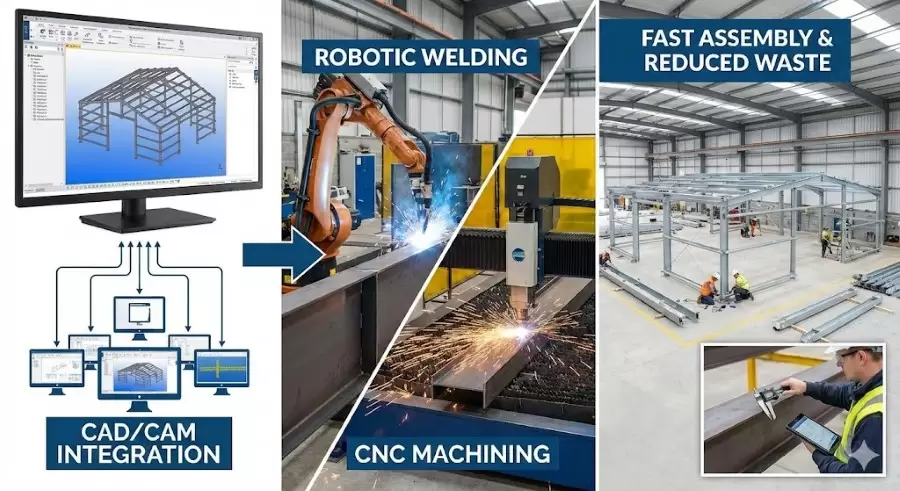
Integrating CAD/CAM and robotics for fast, waste-reducing assembly of steel sheds and complex structures (Source: Internet)
7. Flexibility and Scalability of Steel Building Solutions
One of the definitive advantages of structural steel over concrete is its adaptability. Business needs change; factories need to expand production lines, and warehouses need to accommodate new racking systems or automation technologies.
A well-planned steel system is easily customizable to project requirements, flexible for future expansion or modifications, and suitable for various types of structures.
- Expansion Capabilities: Portal frames can be designed with “knock-out” end walls, allowing for easy lengthening of the building in the future without disrupting current operations.
- Internal Modification: Interior columns can often be relocated or reinforced to support new equipment loads.
- Versatility: From clear-span designs that eliminate internal columns to multi-story frames for offices, steel adapts to the function, not the other way around.
This flexibility is why brands like Pebsteel are often the preferred choice for dynamic industries. Whether it is a logistics company anticipating a doubling of its volume or a manufacturer planning a Phase 2 expansion, the initial design can pre-emptively accommodate these changes, saving significant capital expenditure in the long run.
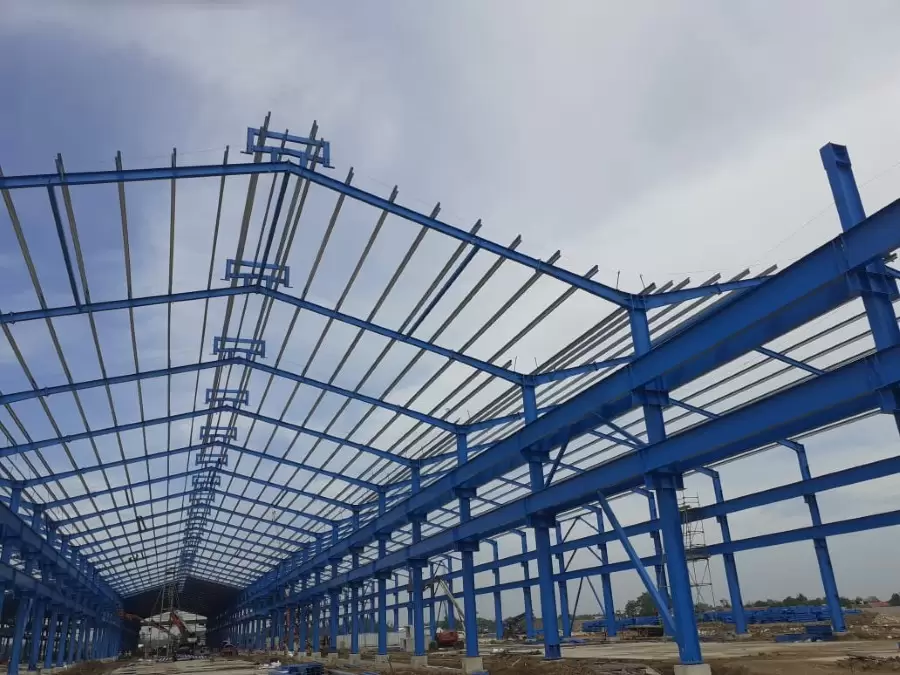
Steel buildings offer flexible, scalable solutions for evolving project needs
8. Practical Applications of Structural Steel Design Across Sectors
The application of structural steel design is virtually limitless, spanning every sector of the economy. It is applicable for factories, warehouses, shopping centres, offices, stadiums, aircraft hangars, and specialised infrastructure.
Industrial Sector
For factories and warehouses, the priority is often clear-span space. Steel trusses and portal frames allow for vast internal areas unobstructed by columns, maximising storage density and workflow efficiency. Heavy industrial plants rely on steel to support overhead cranes lifting tons of materials daily, requiring fatigue-resistant designs.
Commercial and Public Sector
In shopping centres and offices, aesthetics meet function. Steel allows for slim profiles, large glass facades, and open atriums that define modern architecture. The high strength-to-weight ratio allows for smaller columns, increasing the net usable floor area, which is a critical metric for commercial real estate developers.
Specialized Infrastructure
Stadiums and aircraft hangars represent the pinnacle of large-span engineering. These structures require massive trusses to span hundreds of meters without intermediate support. Designing these requires advanced analysis of wind uplift and snow loads, areas where specialised steel structure firms excel. Additionally, steel is the material of choice for infrastructure that must operate under extreme pressure and temperature conditions, such as power plant boiler frames and petrochemical pipe racks.
9. Critical Connection Details in Steel Structure Integrity
The strength of a steel building is often defined not just by its members, but by its connections. The nodes where steel beams meet columns are critical transfer points for forces, and their design dictates the structural rigidity.
- Bolted Connections: These are the industry standard for site assembly. They are fast to install and easy to inspect. Using high-strength friction-grip bolts ensures rigid connections without the need for site welding.
- Welded Connections: While offering clean lines and rigidity, field welding is weather-dependent and costly. Therefore, modern design maximises shop welding (prefabrication) and minimises field welding.
Precise connection design, often utilising “prequalified connections” (as per AISC 358), ensures that even in a seismic event, the connection survives or yields predictably, preventing catastrophic collapse. Advanced modelling allows engineers to visualise these connections in 3D before fabrication, avoiding clashes and ensuring that bolts can be tightened with standard tools.
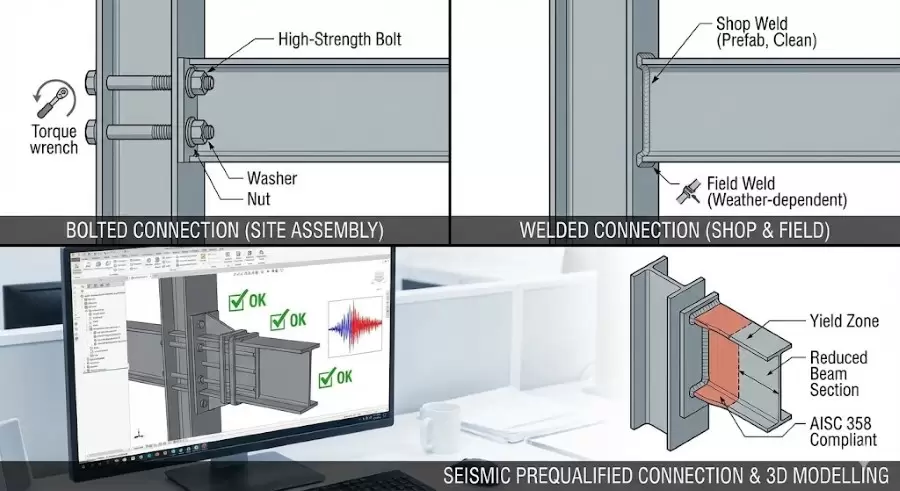
Critical Steel Connections: Bolted, Welded, and Seismic Design (Source: Internet)
10. Sustainability and Green Compliance in Structural Steel Projects
In 2025, sustainability is no longer optional; it is a mandate. Structural steel is a frontrunner in the green building movement, supporting global efforts to reduce carbon emissions in the built environment.
- Recyclability: Steel is 100% recyclable. A beam taken from a demolished building can be melted down and reformed without any loss of properties, creating a circular economy.
- Reduced Carbon Footprint: The efficiency of shed fabrication means less waste. Advanced nesting software optimises cutting patterns to ensure minimal scrap metal during production.
- Energy Efficiency: Steel buildings can be insulated with advanced sandwich panels to achieve high thermal performance, resulting in significantly reduced cooling and heating costs throughout the building’s lifespan.
Forward-thinking companies like Pebsteel are increasingly involved in projects targeting LEED or LOTUS certification, utilising materials and processes that contribute to a sustainable built environment. By integrating green principles into the structural steel design, developers can achieve lower operational costs and meet corporate social responsibility goals.
The journey from a conceptual sketch to a fully operational facility is paved with complex engineering decisions. As we have explored, the principles of load analysis, material science, and compliance with international standards are the bedrock of successful construction.
Structural steel design offers durable, safe, and efficient solutions. Contact us for a consultation, a quote, or to discuss project implementation.
For investors and project managers, the takeaway is clear. The true cost of a project is not just the price of materials, but the lifecycle value delivered through superior design and engineering. By prioritising safety, leveraging advanced fabrication technology, and choosing a partner capable of executing to global standards, you ensure that your project is not just a structure, but a lasting asset. Whether you are planning a compact steel shed for storage or a sprawling logistics hub for international distribution, the science of structural steel remains your most reliable ally in building the future.
To discuss your specific project requirements or request a quote, please contact Pebsteel immediately to receive consultation from our team of highly experienced engineers.
- Email: marketing@pebsteel.com.vn
- Phone: (+84) 908 883 531
Disclamer: The content provided in this article is for reference purposes only. For further details or clarification based on your needs, please contact Pebsteel directly.