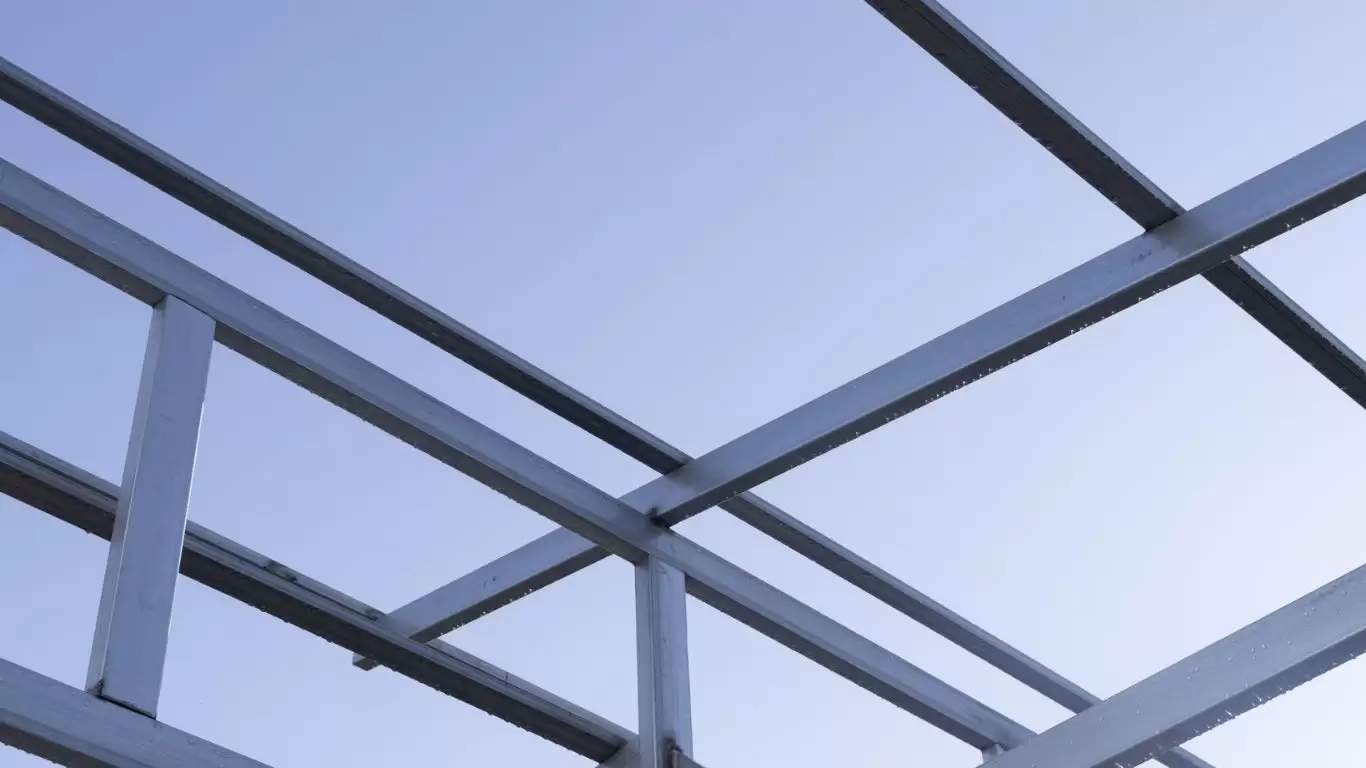

Steel is the backbone of modern infrastructure and industry, and steel fabrication has become more critical than ever as global construction demand increases. As the process that transforms raw steel into functional components, steel fabrication is essential for ensuring the quality, safety, and durability of projects in sectors like automotive, aerospace, and large-scale construction.
This guide explores the core elements of steel fabrication, including key components, advanced technologies used by professional structural steel fabricators, and the strict standards that govern the process. It also highlights real-world applications, showing how industry leaders like Pebsteel use global best practices to deliver durable, high-performance steel building solutions.
1. What is Steel Fabrication? Key Concepts and Market Growth
Steel fabrication encompasses processes such as cutting, bending, welding, and assembling, which are widely applied in the construction and heavy industries. It is the critical bridge that transforms raw steel sections and plates into complex structures ready for assembly.
Due to the exceptional durability and tensile strength of steel, this process enables the creation of a diverse range of items, from precision engine parts to heavy-duty bridge beams. The flexibility of fabrication ensures that every component can be tailored to meet exact architectural needs.
The industry has shifted from manual labour to digital precision and automation. This modernisation has sparked significant growth in Asia over the last twenty years. Major economies, such as India and Japan, alongside emerging markets like Vietnam, have contributed significantly to this expansion. Vietnam, in particular, has seen its structural steel sector thrive due to a combination of skilled labour and robust international trade connections.
Steel Fabrication: Processes, Applications, and Market TrendsSteel Fabrication: Processes, Applications, and Market Trends
2. Key Components in Structural Steel
To understand the fabrication process, it is essential to comprehend the fundamental building blocks. A steel structure is rarely made of a single piece of metal. Instead, it is an assembly of various specialised components that work together.
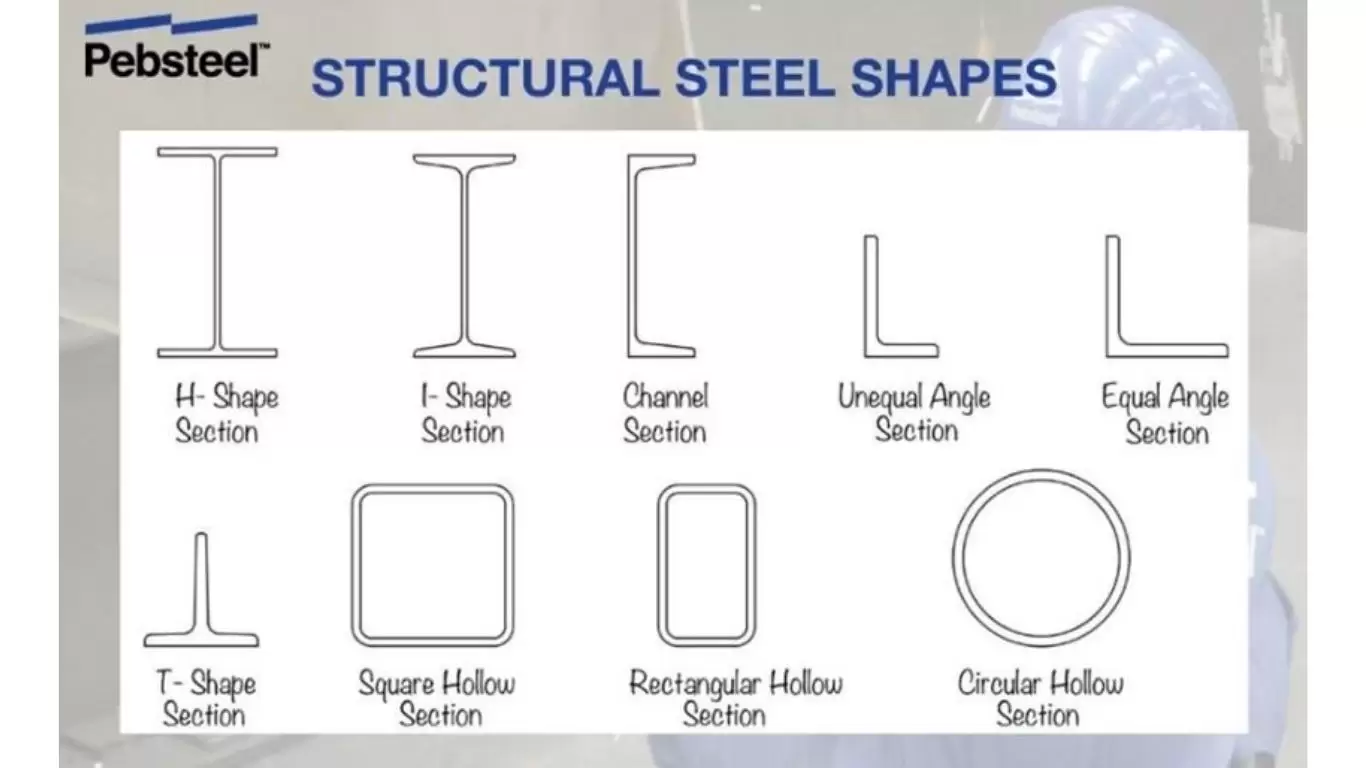
2.1. H-Beams and I-Beams
Named for their cross-sectional shape, H-beams are a critical component in any industrial steel structure. They are renowned for their immense load-bearing capabilities.
- Characteristics: The flanges of an H-beam are typically wider and thicker than those of an I-beam. This design offers greater stability and resistance to twisting.
- Usage: They are predominantly used as the primary support columns in high-rise buildings and bridges. They are designed to withstand heavy vertical loads and resist bending. These beams are usually connected via heavy-duty bolting or welding during the assembly phase.
2.2. Steel Plates and Metal Sheets
Steel plates are flat sheets that come in varying thicknesses. They act as the skin and reinforcement of many structures.
- Application: When a structure requires additional strength that a standard beam cannot provide, steel plates are welded or bolted onto the frame to enhance its strength. They are also essential in shipbuilding for forming the hull and in the manufacture of heavy machinery.
- Versatility: During fabrication, these plates are cut and shaped to exact specifications. They often form the base plates for columns or the connections between beams.
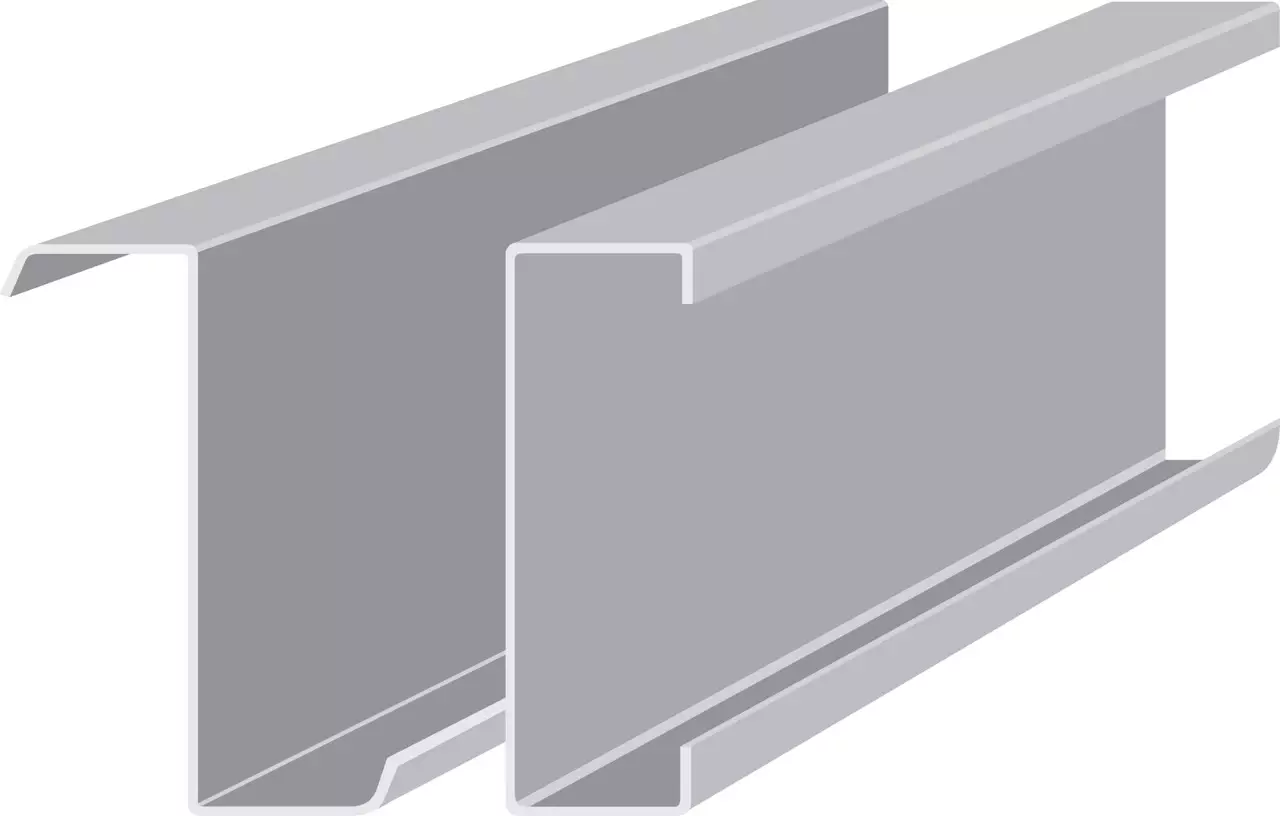
2.3. Angle Bars and Channels
Angle bars, which are L-shaped, are valued for their ability to withstand stress from multiple directions.
- Strength-to-Weight: They offer an excellent strength-to-weight ratio. This makes them a cost-effective choice for bracing and framing.
- Framing: In the fabrication process, angle bars are often used to create the corners of a steel shed or the bracing of a communication tower.
2.4. Rebars and Wire Mesh
Concrete structures rely on additional reinforcement to handle tensile forces, which concrete alone cannot withstand. Two common solutions in construction are rebars and welded wire mesh.
- Rebars (Reinforcing Bars): These steel bars are essential for strengthening concrete. While concrete exhibits excellent compressive strength, it is weak under tension. Rebars compensate for this by providing the necessary tensile support, ensuring structural stability.
- Welded Wire Mesh: Produced by welding steel wires at their intersections, welded wire mesh serves multiple purposes. It is widely used in concrete reinforcement, fencing, and specialised construction forms such as rebar cages.
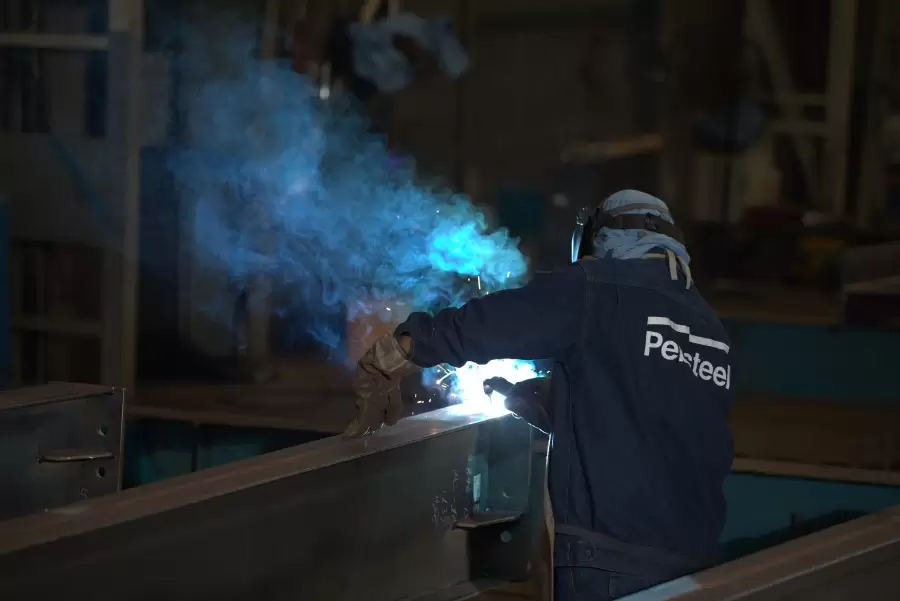
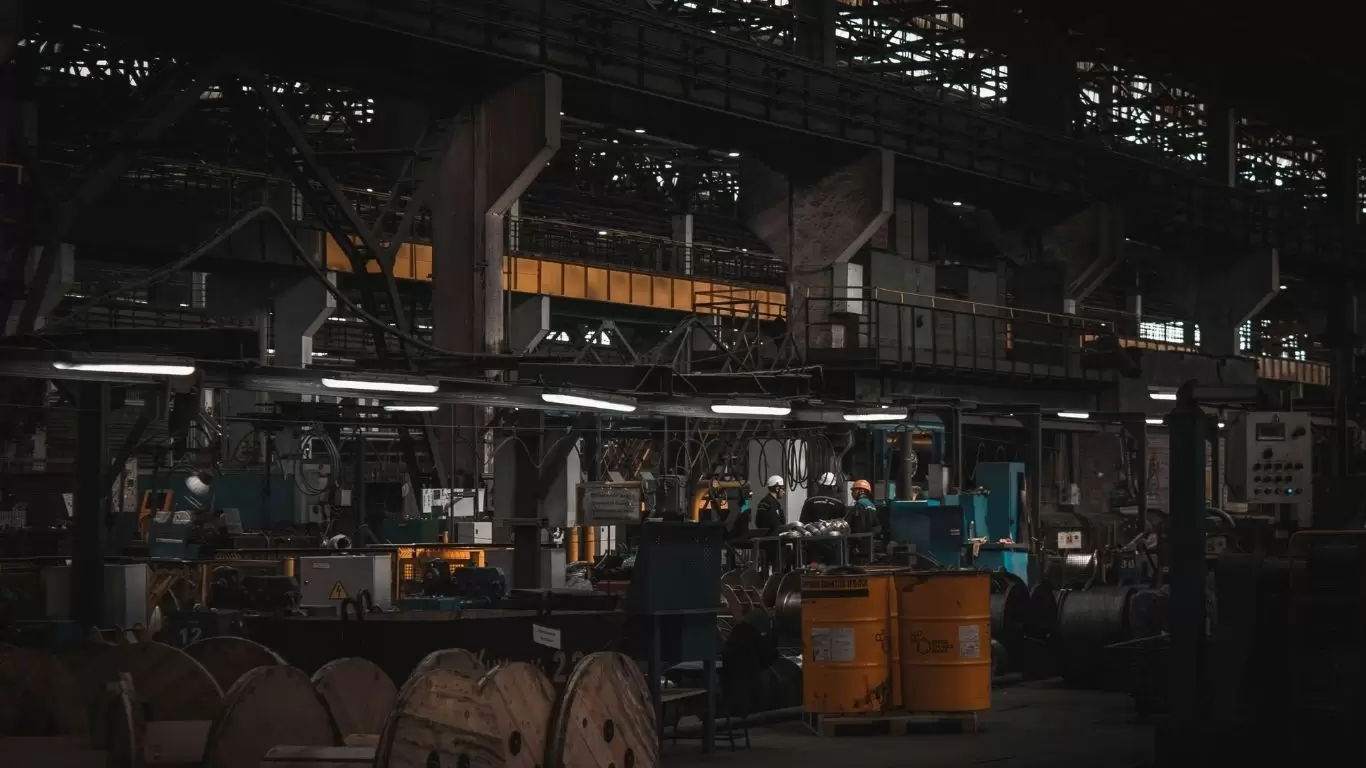
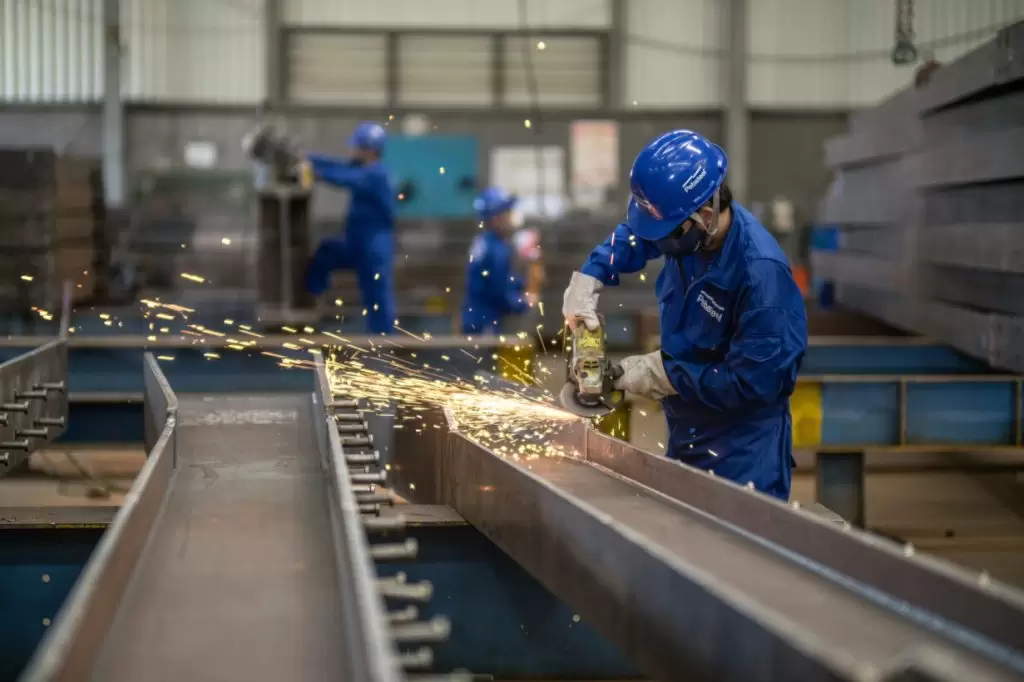
A worker does the steel fabrication process in the Pebsteel pre-engineered steel factory.
3. Stepwise Overview of the Steel Fabrication Process
The journey from a raw steel plate to a finished steel building is a complex process. It requires a seamless integration of engineering, technology, and craftsmanship. To ensure success, steel fabricators must adhere to a strict workflow: select certified steel, utilise precision technologies such as CNC and robotic welding, implement rigorous quality control, and maintain clear production records.
Here is a detailed breakdown of the critical stages involved in this workflow.
Stage 1: Design and Detailing: Before a single piece of metal is cut, the project exists as a digital twin.
- BIM (Building Information Modelling): Advanced software is used to create 3D models of the structure. This allows engineers to detect clashes, such as a beam hitting a pipe, before fabrication begins.
- Shop Drawings: These are the blueprints for the factory floor. They detail every dimension, bolt hole, and weld specification required for the project.
Stage 2: Material Selection: Not all steel is created equal. Engineers must select the correct grade, such as A36 or A572, based on the environmental conditions and load requirements. Using high-quality, certified steel is non-negotiable to prevent catastrophic failure in the future.
Stage 3: Cutting and Shaping: Modern steel fabricators utilise several methods to resize raw materials to exact specifications.
- Laser Cutting: This method utilises a high-powered laser for precise cutting and smooth edges. It is ideal for complex shapes.
- Plasma Cutting: This technique utilises a jet of ionised gas to slice through thick conductive metals quickly and efficiently.
- Waterjet Cutting: A high-pressure stream of water, often mixed with abrasives, cuts the metal without generating heat. This prevents material distortion or heat-affected zones.
- Shearing and Sawing: These are mechanical methods used for making simpler and straight cuts on plates and beams.
Stage 4: Forming and Bending: This process changes the shape of the steel without removing material. By using press brakes or tube benders, steel fabricators apply massive force to create angles, channels, and curves. This must be calculated carefully to avoid overstressing the metal, which could lead to fractures.
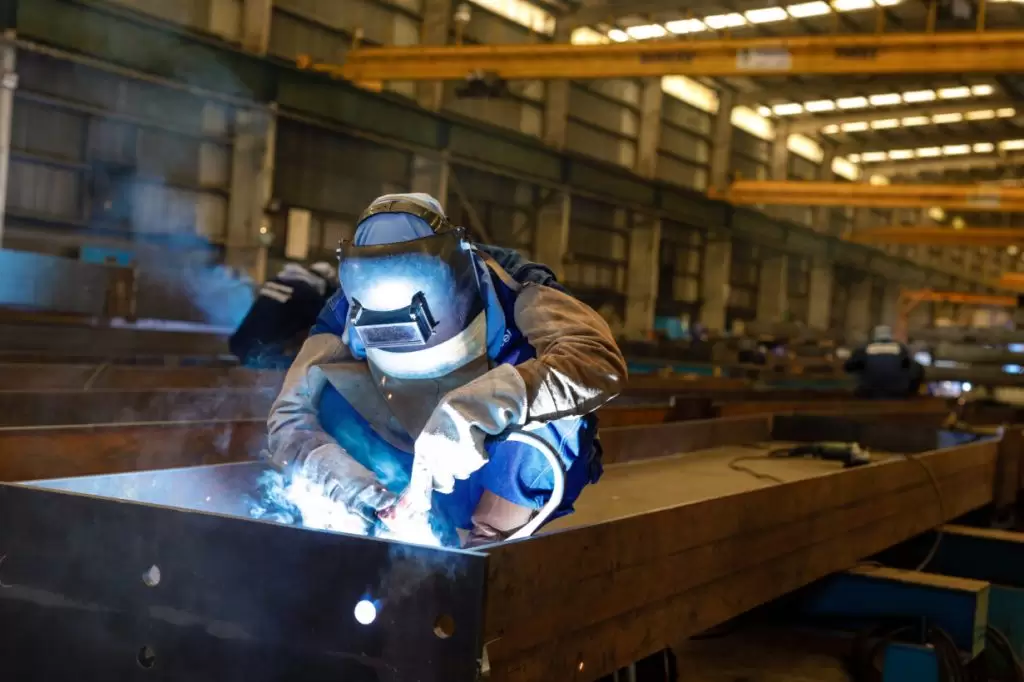
Stage 5: Welding and Joining: This is the heart of fabrication, where parts are fused together to form a cohesive whole.
- SMAW (Shielded Metal Arc Welding): Also known as stick welding, this is useful for on-site adjustments and repairs.
- GMAW (MIG Welding): This uses a continuous wire electrode. It is fast, versatile, and commonly used in factories.
- Robotic Welding: For repetitive tasks, robots ensure perfect consistency and speed. This level of automation is a standard seen in high-output facilities, such as those utilised by brands like Pebsteel, to maintain global consistency across their projects.
Stage 6: Surface Treatment Raw steel is susceptible to rust and environmental damage. The final step involves sandblasting to remove impurities. This is followed by painting, powder coating, or hot-dip galvanising, which involves immersing the steel in molten zinc to ensure corrosion resistance.
The complete steel fabrication workflow, from design to surface treatment
For Your Information: Shed Fabrication Best Practices Every Contractor Should Know
4. Applications of Steel Fabrication Across Industries
The versatility of steel fabrication is evident in its widespread presence across nearly every sector of the global economy.
4.1. Construction and Infrastructure
The most visible application is in the construction industry.
- High-Rises: The strength of fabricated steel allows for the construction of skyscrapers that define modern cities.
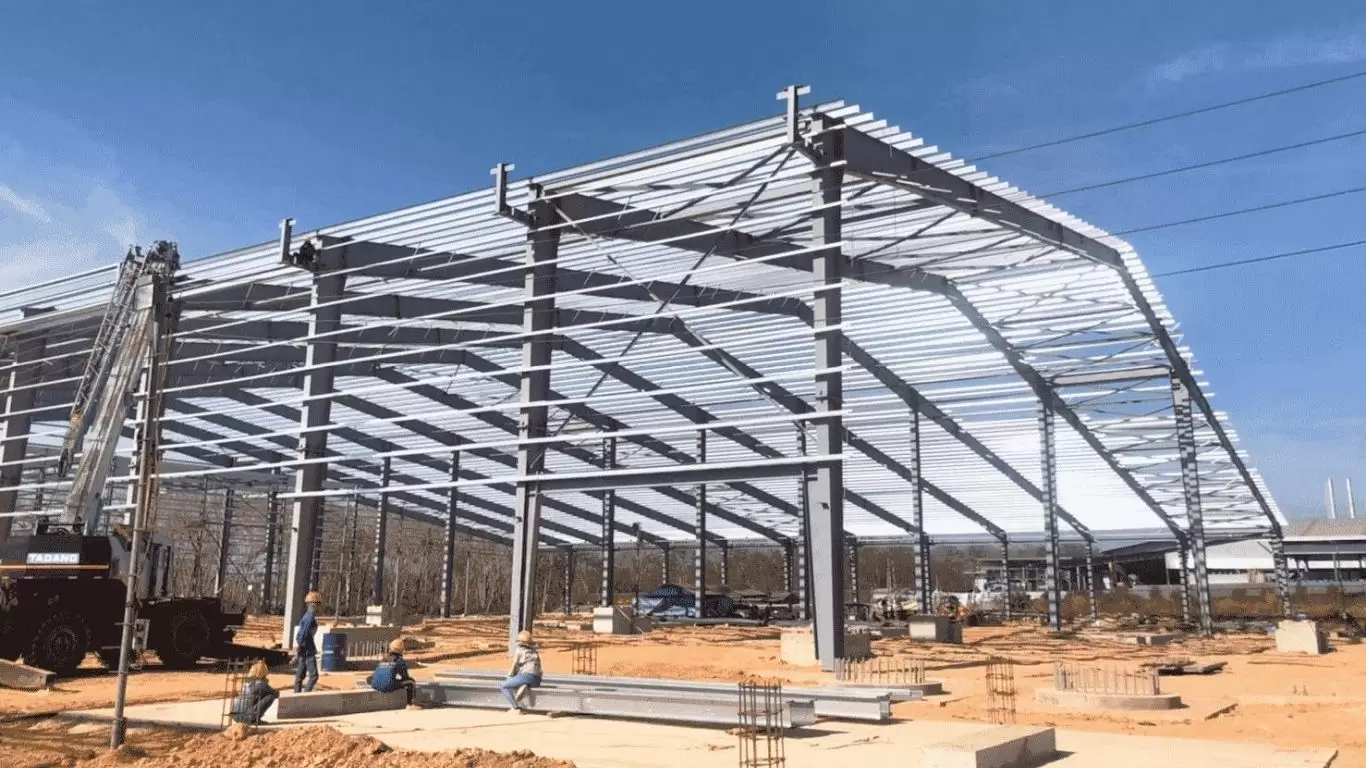
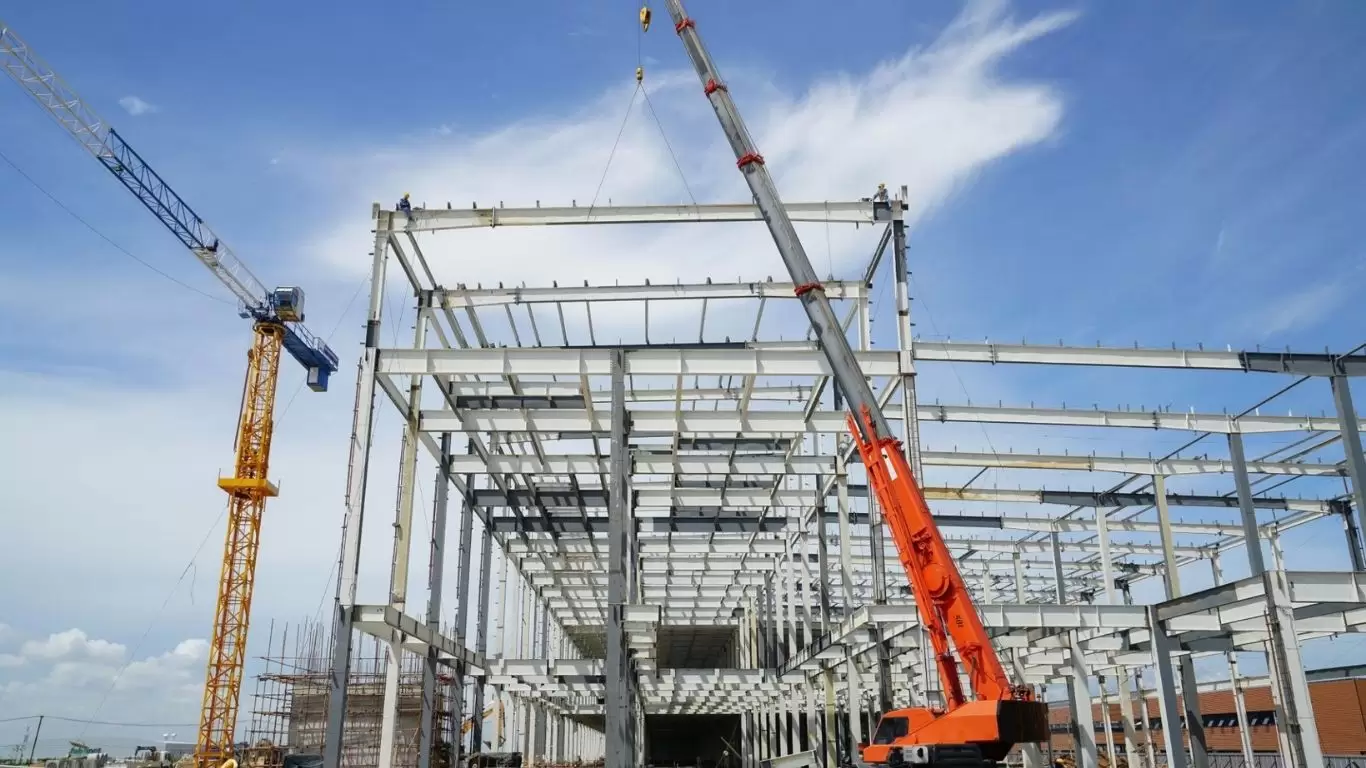
- Pre-Engineered Buildings (PEBs): These are complete building systems in which the structure is fabricated in a factory and then assembled on-site. This is the domain where companies like Pebsteel excel by providing solutions for factories, warehouses, and hangars.
- Bridges: From suspension bridges to truss bridges, steel provides the necessary span and load capacity to carry traffic safely and securely.
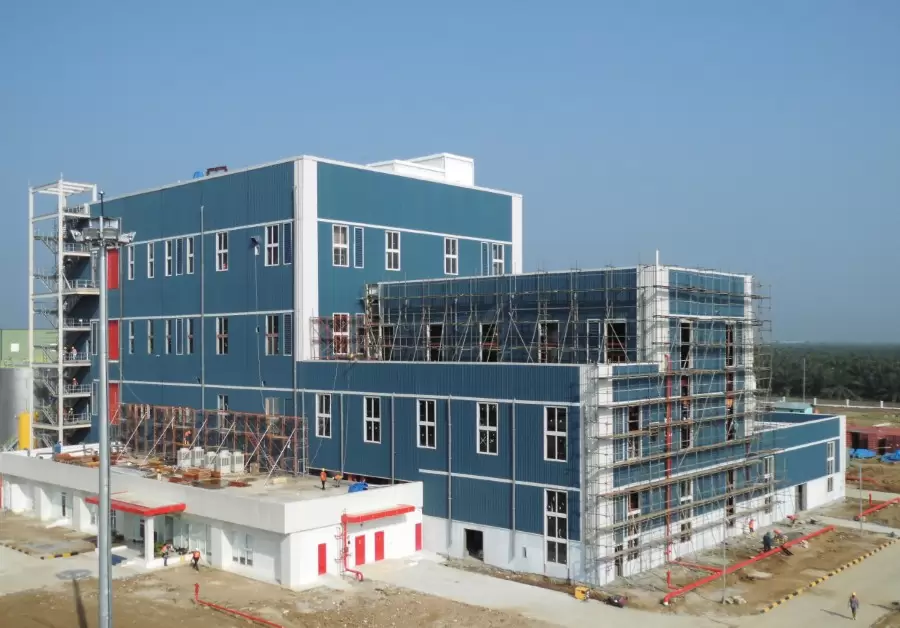
Modern steel Pre-Engineered Building being assembled on-site for industrial efficiency
4.2. Automotive and Transportation
Fabricated steel forms the backbone of the automotive industry. It is used for the chassis, body panels, and engine components. It ensures the vehicle is rigid enough to protect passengers yet flexible enough to absorb impact during a collision.
4.3. Aerospace
The aerospace industry demands materials that can withstand extreme heat and pressure. Specialised steel alloys are fabricated into landing gear, engine mounts, and structural components of aircraft.
4.4. Energy and Mining
In the energy sector, steel fabrication is used to build oil rigs, pipelines, and wind turbine towers. These structures must survive in some of the harshest environments on Earth. Therefore, they require the highest level of fabrication quality.
4.5. Specialized and Functional Applications
Not every project is a massive skyscraper, yet precision remains paramount. An industrial steel shed, designed for logistics, auxiliary workshops, or heavy equipment storage, relies on the same rigorous fabrication principles as larger complexes to ensure structural integrity. Similarly, essential components like heavy-duty security fencing and custom industrial staircases are products of this precise process.
5. Safety and Quality Control in Steel Fabrication
In the steel fabrication industry, structural integrity is paramount, allowing for absolutely no margin for error. Consequently, safety and quality are not merely goals; they are operational mandates that must be strictly upheld on a daily basis.
5.1. Safety Protocols on the Factory Floor
A fabrication shop is filled with heavy machinery, high heat, and moving loads. To mitigate risks, management must follow safety protocols, equip workers with PPE, ensure proper handling of equipment, and provide regular training and certifications.
- PPE (Personal Protective Equipment): This includes welding helmets with auto-darkening lenses, flame-resistant clothing, steel-toed boots, and respirators to protect against fumes and other hazardous materials.
- Training: Workers must be certified in operating CNC machines, cranes, and welding equipment.
- Environment: Regular maintenance of ventilation systems and clear marking of hazardous zones are essential to prevent accidents.
5.2. Quality Control (QC) and Inspection
Ensuring the structural integrity of every welded connection requires a comprehensive regimen of rigorous testing and validation:
- Dimensional Checks: Inspectors ensure the part matches the drawing to the millimetre.
- NDT (Non-Destructive Testing): Techniques such as Ultrasonic Testing (UT), Magnetic Particle Inspection (MPI), and Radiography (X-ray) enable inspectors to visualise the interior of the steel. This helps them detect cracks or voids without damaging the product.
- Documentation: Every beam and bolt should ideally be traceable back to its batch number and material certificate.
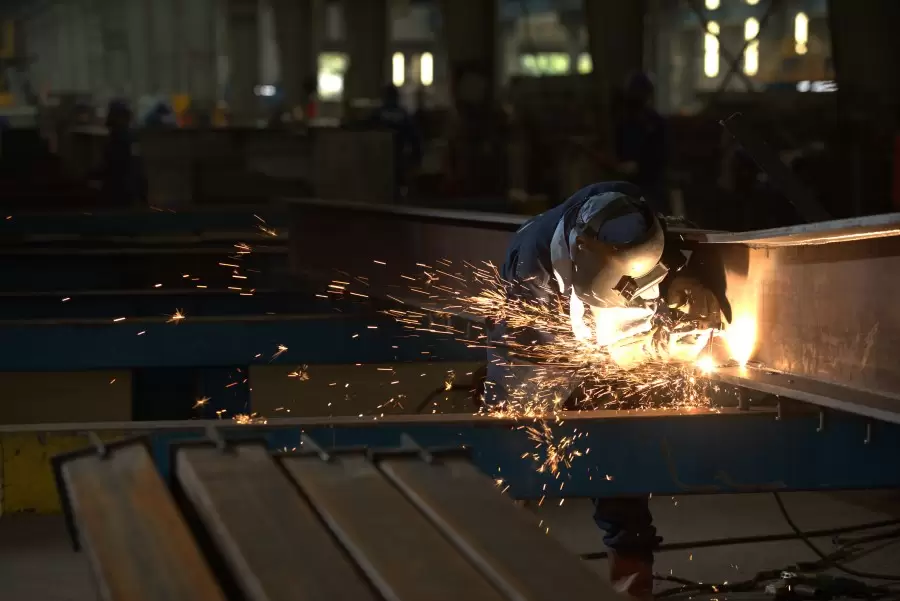
Pebsteel’s steel fabrication process undergoes rigorous testing
6. Common Challenges in Steel Fabrication
Despite best efforts, the industry faces significant hurdles. Frequent issues include measurement errors, workplace accidents from poor safety measures, and substandard steel materials.
Measurement and Human Error
Even with digital designs, manual errors during the setup of machines or final assembly can lead to clashes on the construction site. This results in costly delays and rework for the contractor.
Material Quality
The global steel market is vast, and not all suppliers adhere to the same standards. Using steel with high impurities or inconsistent carbon content can lead to structural weakness. It may also cause cracking during welding or premature corrosion.
Skilled Labour Shortage
As older craftsmen retire, finding young and skilled welders or steel fabricators is a global challenge. This skills gap can lead to lower productivity and potential safety oversights if new workers are not trained properly.
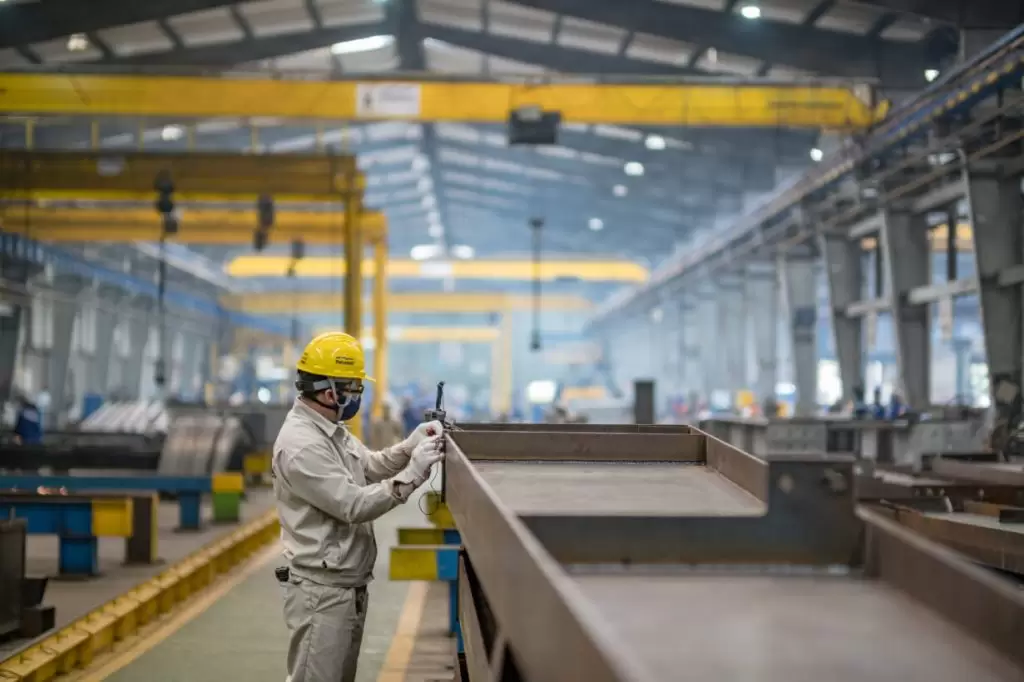
Key challenges facing the steel fabrication industry: human error, material quality, and labour shortages
7. Strategic Solutions and Future Trends in Steel Fabrication
To overcome these challenges and future-proof the industry, companies must adopt a proactive approach. Invest in advanced technology, enforce strict quality controls, foster a safety-first culture, and align with global standards such as ISO or OSHA.
- Technological Integration:
-
- Automation: Automated cutting and welding machines reduce human error and increase throughput.
- AI and Data: Artificial Intelligence can analyse production data to predict machine maintenance needs. This helps in preventing downtime.
- 3D Printing: Additive manufacturing is enabling the creation of complex steel nodes. These would be impossible to cast or weld using traditional methods.
- Adhering to Global Standards: Aligning with international standards, such as the ISO 9001 for quality management or OSHA for safety, is crucial for any structural steel fabricator aiming for a global client base. It provides a universal language of quality that clients trust.
- Sustainability: The future is green. The industry is moving towards Green Steel, which is produced using renewable energy. Furthermore, steel is 100% recyclable. Steel fabricators are increasingly focusing on minimising waste and optimising designs to use less material for the same structural strength.
- Benchmarking Industry Standards: In this evolving landscape, observing market leaders provides a blueprint for success.
Steel structure fabricator in Vietnam like Pebsteel demonstrate how integrating advanced engineering software with state-of-the-art fabrication facilities enables the successful delivery of complex steel building projects. This approach clearly underscores the importance of combining cutting-edge technology with experienced engineering expertise to consistently meet rigorous international standards.
Steel fabrication is a dynamic and demanding field that sits at the intersection of heavy industry and high technology. It requires a deep understanding of materials, a commitment to precision, and an unwavering focus on safety.
From the selection of the raw H-beam to the final coat of paint on a steel shed, every step matters. Applying best practices in steel fabrication ensures product quality, protects workers, and strengthens long-term industry reputation.
As we look to the future, the industry is poised for further transformation through the adoption of automation and sustainability initiatives. For investors, project managers, and contractors, choosing the right steel fabrication partner is the single most important decision for the success of any construction project. Whether for a massive industrial complex or a specialised architectural feature, the quality of the fabrication determines the legacy of the structure.
For those seeking a partner that embodies these high standards of quality and safety, Pebsteel offers extensive expertise in structural steel solutions. To receive consultation from their team of highly experienced engineers regarding your next project, please contact them via email at marketing@pebsteel.com.vn or by phone at (+84) 908 883 531.
8. FAQ – Steel Fabrication
What is steel fabrication?
Steel fabrication is the process of cutting, bending, and assembling raw steel materials to create structural components or finished products. The process typically includes several steps such as design, cutting, welding, machining, and surface finishing to transform steel into usable structures for construction and industrial applications.
What are the main types of steel fabrication?
The most common types of steel fabrication include:
-
Structural steel fabrication – producing beams, columns, and frames used in buildings and infrastructure.
-
Industrial steel fabrication – manufacturing steel components for factories and heavy machinery.
-
Custom steel fabrication – producing specialized steel parts tailored for specific projects.
-
Sheet metal fabrication – forming thin steel sheets into products such as panels, enclosures, or ducts.
Each type of fabrication requires different tools, machinery, and engineering expertise.
What industries use steel fabrication?
Steel fabrication is widely used across many industries, including:
-
Construction and infrastructure
-
Manufacturing and industrial plants
-
Oil and gas facilities
-
Energy and power plants
-
Warehousing and logistics
-
Transportation and shipbuilding
Because of its durability and strength, fabricated steel is essential for large-scale engineering projects.
What are the key steps in the steel fabrication process?
The steel fabrication process typically involves several stages:
-
Design and engineering – preparing technical drawings and structural calculations.
-
Cutting – shaping steel plates or sections using laser, plasma, or saw cutting.
-
Forming and bending – shaping steel components according to design specifications.
-
Welding and assembly – joining steel parts together to create structural elements.
-
Surface treatment – applying coatings, galvanization, or painting for corrosion protection.
-
Inspection and quality control – ensuring the fabricated components meet engineering standards.
What is the difference between steel fabrication and steel manufacturing?
Steel manufacturing refers to the production of raw steel from iron ore or recycled materials in steel mills.
Steel fabrication, on the other hand, involves transforming finished steel materials into components or structures through cutting, welding, and assembly processes.
In simple terms:
-
Steel manufacturing → Produces raw steel
-
Steel fabrication → Turns steel into usable structures
If you have questions that need to be answered, please contact us at the following email: marketing@pebsteel.com.vn
Disclaimer: The content provided in this article is for reference purposes only. Technical specifications and design requirements may vary based on specific project conditions and local regulations.