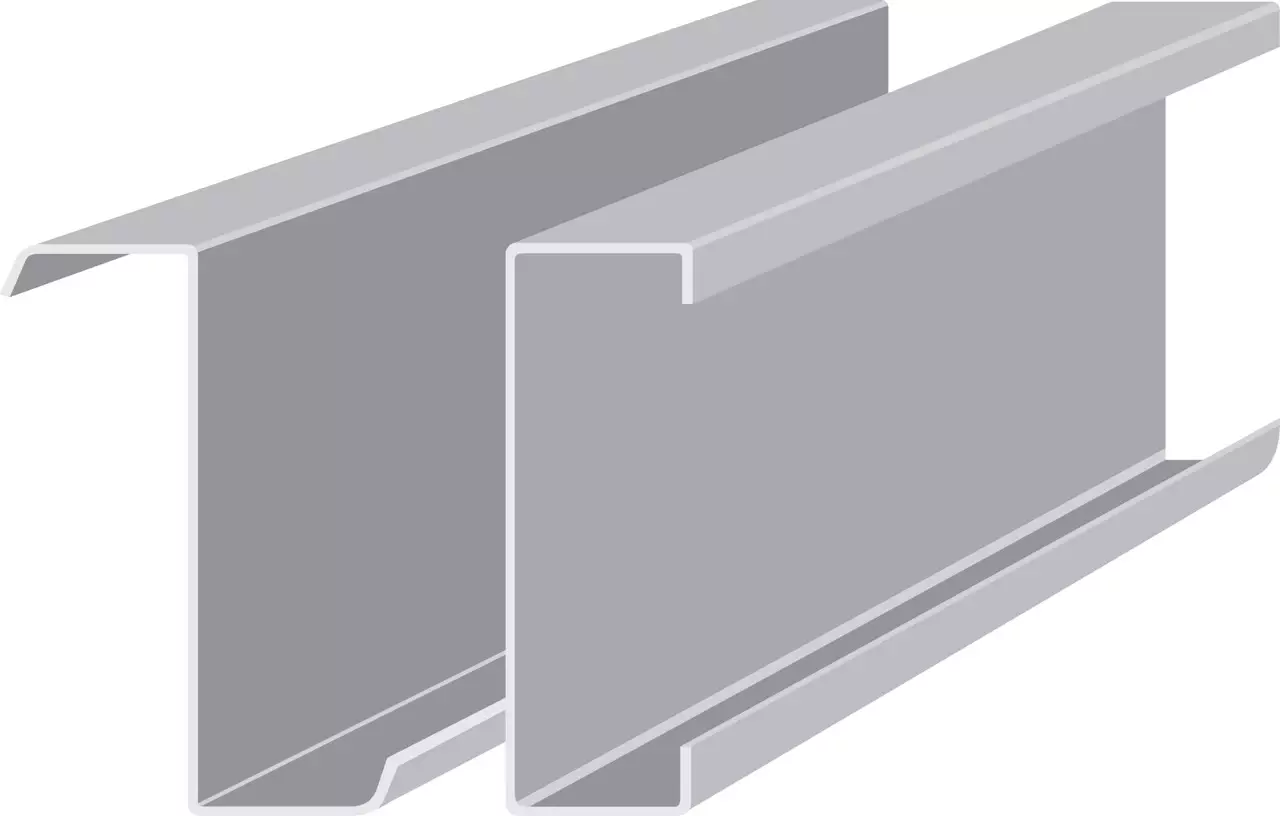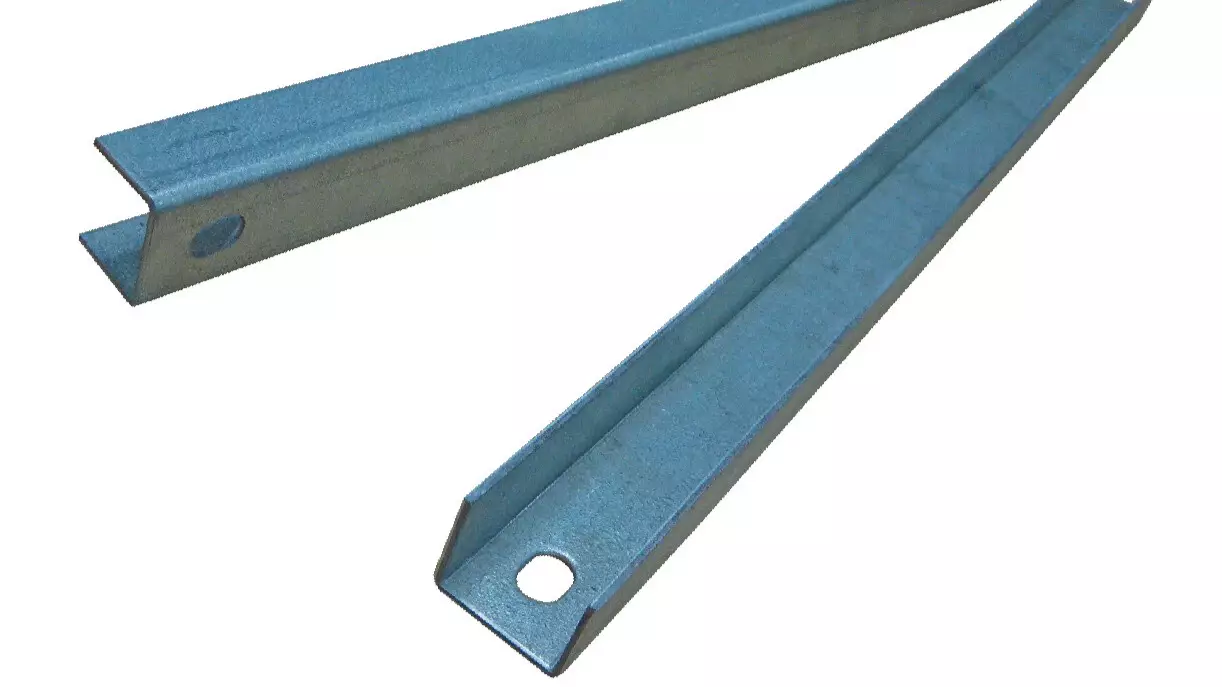

In modern industrial architecture, shed fabrication plays a key role in realizing structural steel design solutions that are highly load-bearing, flexible, and easily scalable for manufacturing, logistics, and specialized technical workshops – rather than just simple warehouse structures. By mastering shed fabrication, contractors move beyond basic metal assembly to a strategic process that reduces capital expenditure, enhances structural integrity, and improves workforce safety.
As global supply chains expand, the demand for high-quality steel building solutions has surged, pushing investors and developers to seek methods that balance construction speed with long-term durability. Industry leaders such as Pebsteel set high benchmarks in the pre-engineered building sector, and this guide explores the core principles and best practices of industrial shed fabrication to help contractors achieve excellence on every project.
1. Defining the Technical Scope of Industrial Shed Fabrication
Implementing best practices begins with defining the technical scope. Shed fabrication involves the systematic processing, cutting, welding, and assembling of steel components to create a rigid framework. Unlike traditional concrete structures, a steel structure offers flexibility. This allows for large, clear spans, which are essential for industrial activities.
These structures typically serve the following purposes:
- Industrial Warehouses: Large-scale storage facilities requiring optimized vertical space.
- Manufacturing Workshops: Enclosed spaces designed to house heavy machinery and production lines.
- Logistics Hubs: Distribution centers that require rapid erection times.
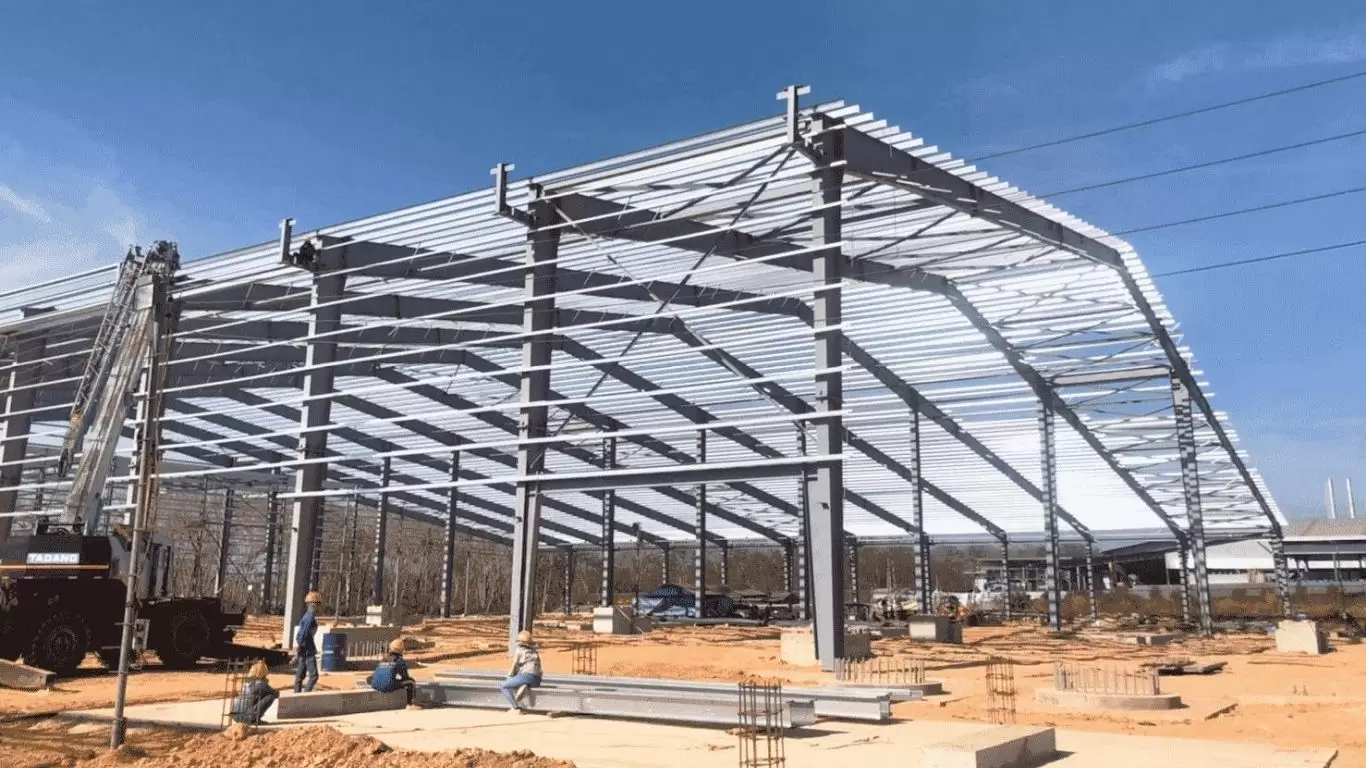
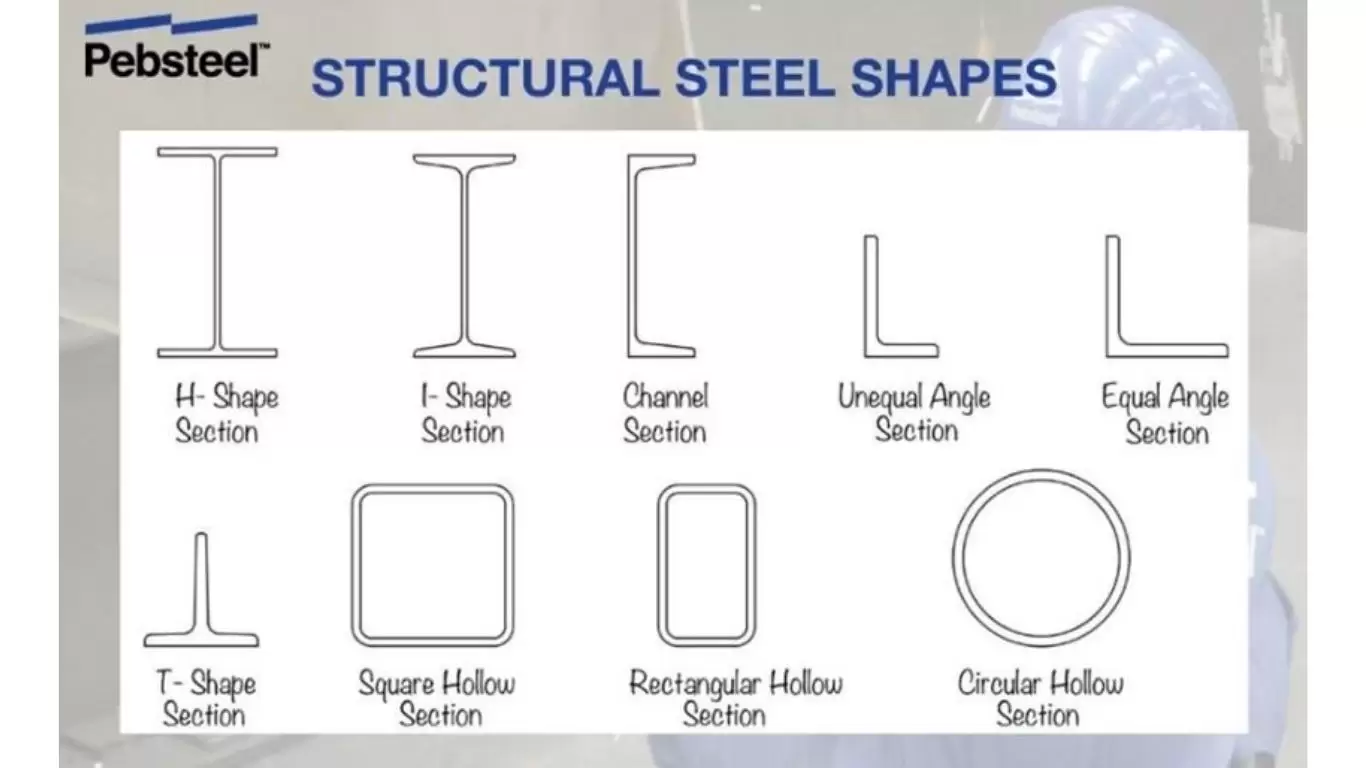
The fabrication process transforms raw steel plates and sections into structural members, such as columns, rafters, and beams, that form the skeleton of the steel building. For medium and large-scale projects, such as those typically undertaken by Pebsteel, the fabrication process moves beyond simple assembly into the realm of advanced structural engineering.
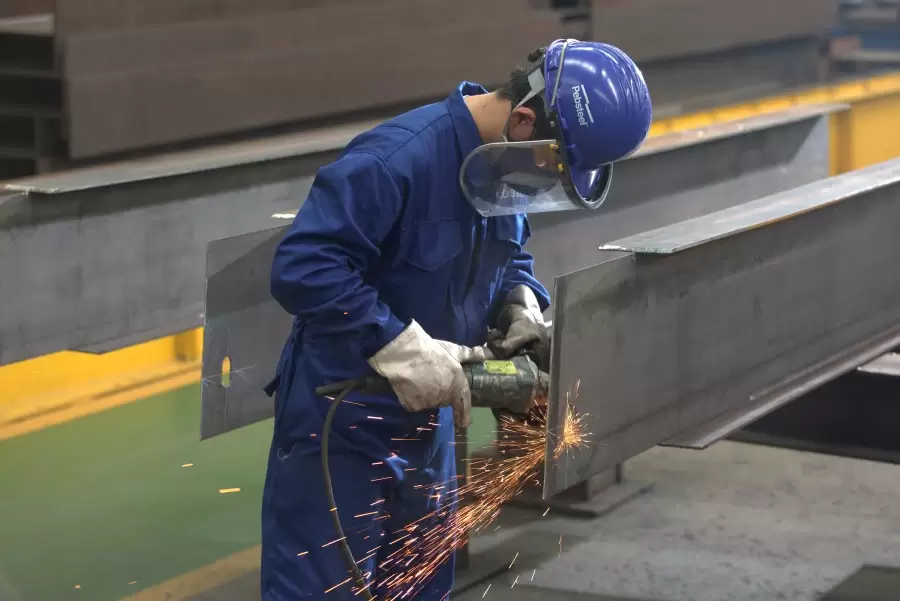
Steel fabrication work in progress — an essential step in building industrial warehouses, workshops, and logistics hubs
2. Strategic Material Selection and Modular Design in Steel Structures
The cornerstone of a durable industrial facility lies in the synergy between high-quality raw materials and intelligent design. To achieve this, contractors must use certified steel and apply an optimized modular design—two factors that directly ensure structural durability and long-term performance.
Prioritizing Certified Steel Materials
The operational lifespan of a shed workshop is directly dictated by the grade of steel employed. Best practices mandate the exclusive use of certified steel with high tensile strength. While low-quality alternatives may offer immediate cost savings, they inevitably result in structural weaknesses, corrosion risks, and escalated maintenance expenses over the facility’s lifecycle. Contractors must verify that materials strictly adhere to international standards regarding yield strength and ductility, such as those specified in ASTM or JIS.
Optimizing Modular Design for Efficiency
Efficiency in shed fabrication originates at the design phase. Adopting a modular approach facilitates standardization and precision.
- Pre-Engineered Methodologies: Utilizing pre-engineered building (PEB) concepts ensures that components are cut and drilled to exact specifications in the factory prior to delivery to the site.
- Waste Reduction: Advanced software enables efficient nesting of parts on steel plates. This significantly mitigates scrap metal generation and material wastage.
Leading industry players, such as Pebsteel, leverage these advanced design optimization techniques to ensure every beam and column serves a distinct structural purpose without adding unnecessary weight. This strategy delivers substantial economic efficiency for the investor.
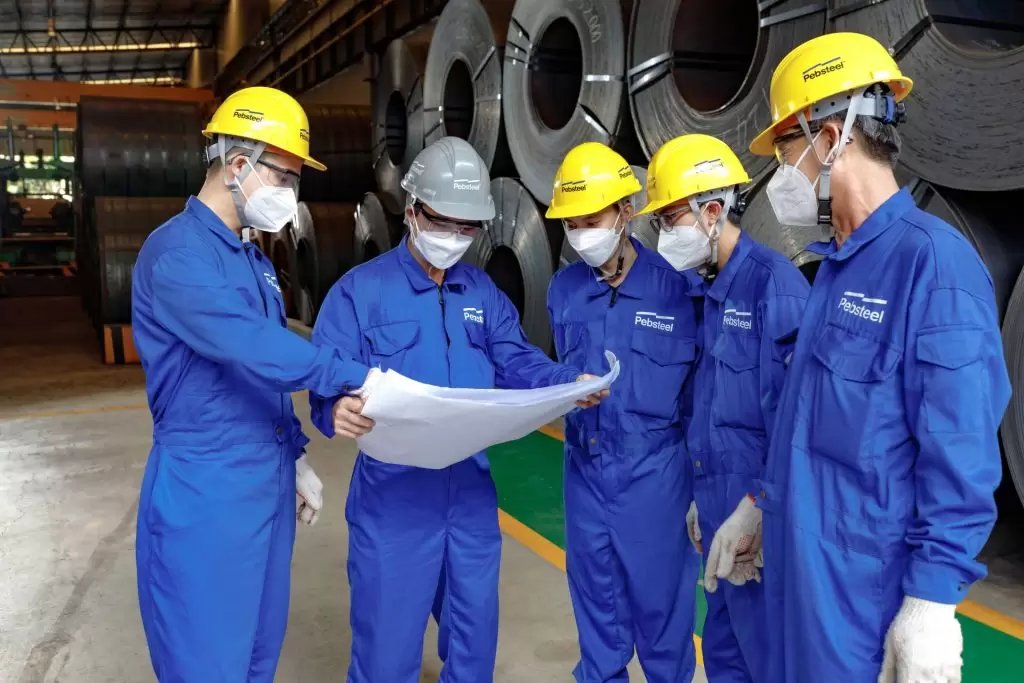
Pebsteel’s shed fabrication relies on precise engineering and quality materials for durable and cost-effective steel structures
3. Precision in Industrial Shed Fabrication
After finalizing the design, the focus shifts to the fabrication phase, where industrial shed designs are transformed into tangible steel structures. Precision in shed fabrication is crucial to ensure the construction of high-quality steel buildings and functional shed workshops.
Cutting and Drilling
Modern shed fabrication heavily relies on CNC machinery. Plasma and laser cutting technologies enable the precise cutting of steel components with millimeter-level accuracy. Any deviation can result in misaligned steel structures, complicating on-site assembly and causing costly delays. Drilling for bolted connections must also be precise to guarantee seamless installation in shed workshops.
Welding Procedures
Welding connects the backbone of every steel structure and is a critical step in shed fabrication.
- Standards Compliance: All welding should follow strict industry codes, such as AWS D1.1.
- Methodology: Using Submerged Arc Welding (SAW) for main structural members ensures deep penetration, consistent weld beads, and stronger bonds compared to manual welding.
Maintaining these precision standards is what distinguishes durable, industrial steel buildings from temporary or substandard structures, ensuring safety, longevity, and overall quality in every shed fabrication project.
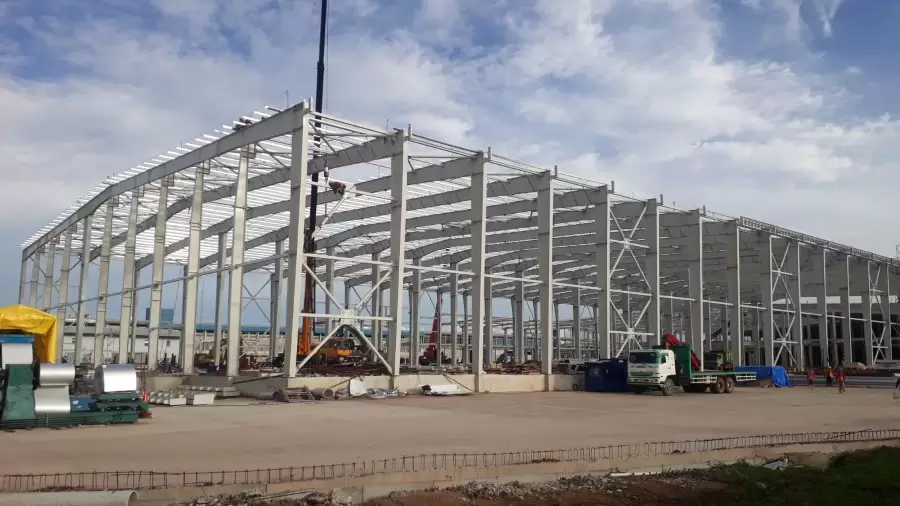
Crafting Steel Structures with Precision
4. Strict Quality Control in Shed Fabrication
In industrial shed fabrication, quality control (QC) is an integrated, continuous process that spans the entire production of steel structures and steel buildings. This process covers three essential stages: pre-production QC to verify materials and design specifications, in-process QC to monitor fabrication accuracy in real time, and final QC to ensure the completed components meet all structural and safety standards before delivery.
Non-Destructive Testing (NDT)
To ensure the structural integrity of steel buildings, contractors should apply Non-Destructive Testing techniques, including:
- Ultrasonic Testing: Detects internal flaws within welds.
- Magnetic Particle Inspection: Identifies surface cracks invisible to the naked eye.
Dimensional Checks
Every component leaving the shed workshop must undergo strict dimensional verification. This ensures camber, length, and hole patterns perfectly match the fabrication drawings. Following a rigorous QC protocol prevents “fit-up” issues during on-site assembly, a standard upheld by leading fabricators like Pebsteel to maintain project schedules and construction quality.
Maintaining strict QC throughout steel shed ensures that steel structures and steel buildings meet the highest standards of performance, safety, and reliability.
5. Safety Standards in Industrial Shed Fabrication
Fabricating heavy steel structures and steel buildings involves inherent risks. Implementing strict safety standards in every shed workshop is both a moral and legal responsibility for contractors.
Personal Protective Equipment (PPE)
Equipping workers with proper PPE is the first line of defense and goes beyond basic helmets and boots:
- Welders: Must wear auto-darkening helmets and fume-extraction masks to protect against arc radiation and toxic fumes.
- Handlers: Cut-resistant gloves and metatarsal guards are essential when managing sharp steel components.
Welding and Cutting Safety
Fire hazards are common in shed fabrication environments. Contractors must establish clear procedures to manage sparks and hot slag:
- Designated “hot work” zones should be clearly defined and marked.
- These areas must be equipped with fire suppression systems and kept separate from flammable materials to prevent fires from occurring.
Lifting and Handling Procedures
Moving heavy steel beams and prefabricated elements requires specialized machinery. Safe lifting practices include:
- Regular inspection of cranes, hoists, and slings.
- Clear signaling protocols must be established between crane operators and ground personnel to ensure safe operations.
- Ensuring all loads are properly balanced and securely fastened before lifting.
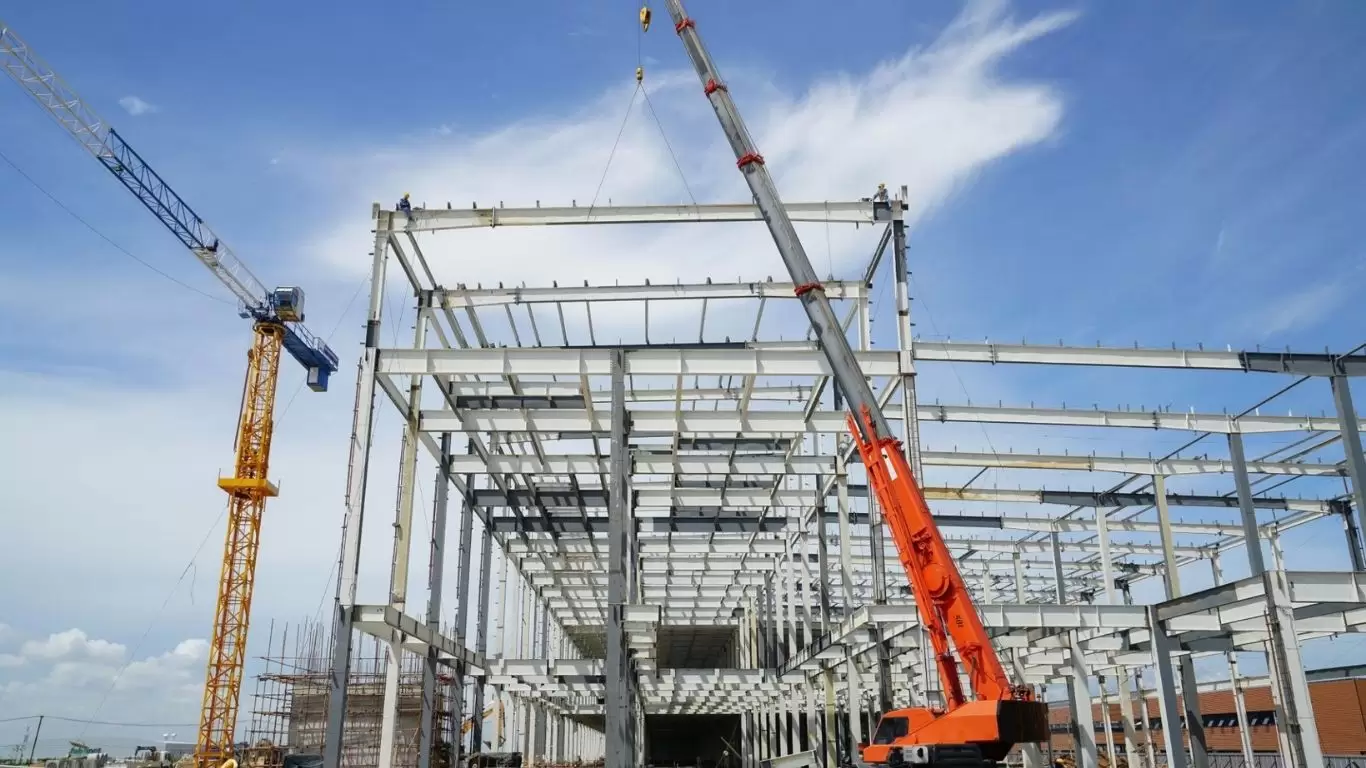
Adhering to these safety standards during shed fabrication not only protects workers but also ensures the efficient assembly of steel structures and the construction of high-quality steel buildings, thereby minimizing delays and accidents on-site.
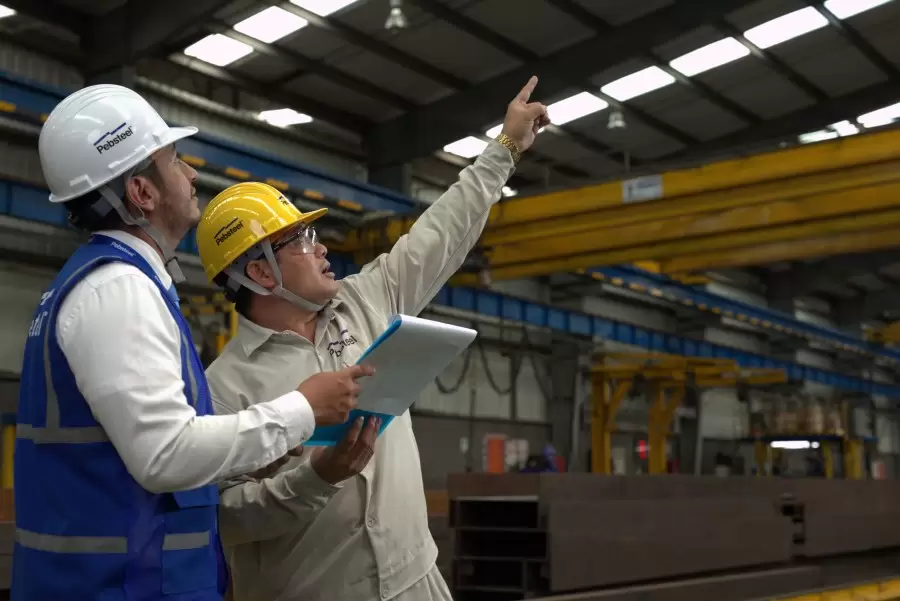
Maintaining Safety Standards in Steel Structure Fabrication
6. Workforce Training and Skill Development in Shed Fabrication
Even in advanced shed fabrication facilities, skilled operators are essential for producing high-quality steel structures and buildings. Continuous workforce training minimizes accident risks and enhances overall output.
- Technical Training: Welders should be certified and regularly tested on new techniques.
- Safety Drills: Regular emergency response drills prepare the workforce for potential incidents, ensuring a calm and organized reaction.
Companies that invest in their workforce often report lower accident rates and higher productivity levels. This operational philosophy is frequently seen in organizations, including Pebsteel.
7. Common Challenges in Shed Fabrication and How to Solve Them
Even with meticulous planning, shed fabrication projects can encounter challenges. Identifying these issues early is key to maintaining the quality and efficiency of steel structures and steel buildings.
Design Errors:
- Issue: Misalignment between architectural plans and structural engineering can result in components that clash or fail to support the intended load.
- Solution: Implement Building Information Modeling (BIM) to create a 3D digital twin of the steel structure. This enables engineers to detect clashes and resolve issues virtually before fabrication begins, thereby reducing costly rework in the workshop.
Poor-Quality Steel:
- Issue: Using uncertified or low-grade steel to cut costs can cause structural failure or accelerated corrosion.
- Solution: Source steel only from trusted suppliers who provide mill test certificates for every batch, ensuring every steel component meets industrial standards.
Construction Delays:
- Issue: Delays frequently occur due to material shortages or workforce constraints.
- Solution: Utilize advanced project management software to track inventory and schedule labor efficiently. Adopting just-in-time delivery protocols can prevent site congestion and material deterioration, keeping steel building projects on schedule.
Addressing these challenges proactively ensures that industrial shed fabrication projects run smoothly, producing durable, high-quality steel structures and reliable shed workshops.
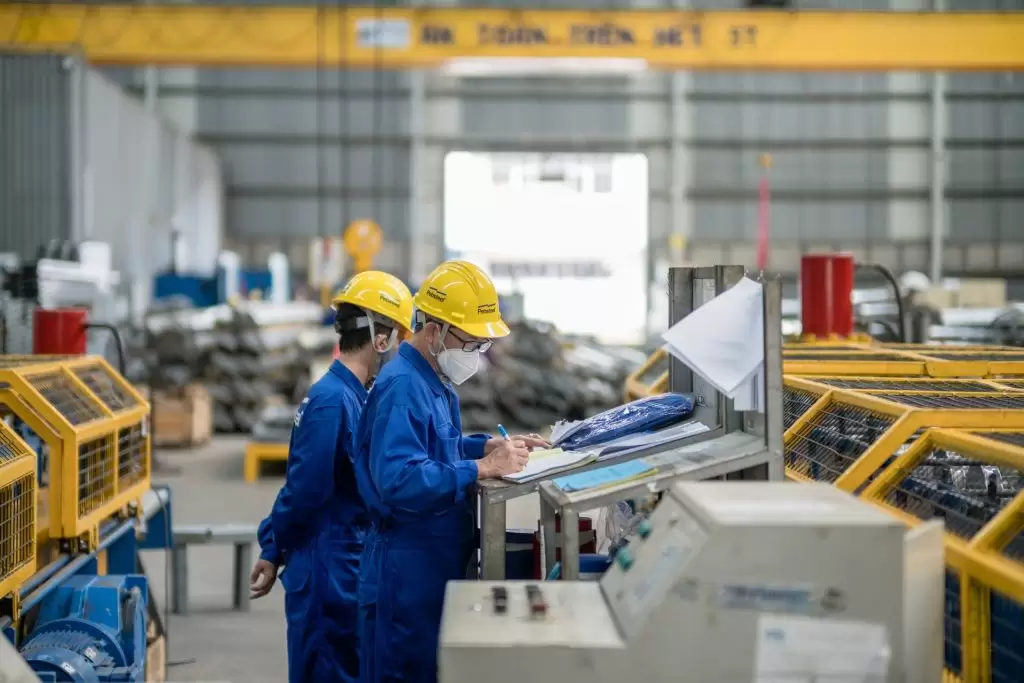
Mitigating risks in steel structure fabrication through advanced planning and quality control
8. Technology and Digital Integration in Shed Fabrication
The future of shed fabrication lies in digitalization. Contractors who adopt modern technology can enhance the efficiency, accuracy, and quality of steel structures and steel buildings, while those who resist the change risk falling behind.
BIM and 3D Modeling
Building Information Modeling (BIM) is transforming the shed fabrication process by facilitating collaboration between architects, engineers, and fabricators. It enables the creation of accurate 3D models and generates precise bills of materials (BOMs), ensuring efficient procurement and minimizing errors in steel workshops.
Automated Fabrication Lines
Automation reduces human error. Beam lines that automatically drill, punch, and cut steel sections significantly increase throughput. While the initial investment is high, the long-term efficiency gains make it a standard for top-tier fabricators like Pebsteel.
9. Overview of Small-scaled Shed Fabrication
The technical processes involved in the design and installation of steel warehouses and industrial steel buildings have clearly demonstrated the efficiency and reliability of steel structural systems in industrial construction. Building upon this proven foundation, small-scaled shed fabrication has been developed with a more compact structural configuration, while still meeting essential technical standards in terms of safety, durability, and functional performance.
Benefits of Small-scaled Shed Fabrication
Small-scaled steel sheds are developed based on the structural principles of large steel warehouses but are optimized and simplified in scale. As a result, compared to large-sized warehouses and factories, small-scaled shed fabrication offers several distinct advantages for investors.
- High durability: Small-scaled sheds tend to achieve higher durability due to their simpler structural systems and lower floor load requirements compared to large-scale warehouses. In addition, these sheds are easier to maintain and repair, reducing technical risks and contributing to a longer service life of the structure.
- Short construction time: Thanks to their limited floor area and simplified design, small-scaled steel sheds can be fabricated and erected quickly. This allows projects to be completed within a short timeframe, minimizing disruptions to the investor’s operational and utilization plans.
- Cost efficiency: Cost savings are one of the most prominent advantages of small-scaled shed fabrication. Due to their smaller size, these sheds require a lower volume of materials and shorter construction time compared to large-scale steel warehouses. Consequently, investors can significantly reduce material costs as well as labor expenses.
- Scalability and flexibility: With flexible designs and ease of dismantling and reinstallation, small-scaled steel sheds allow investors to easily expand or modify the shed size when business operations grow or functional requirements change, ensuring adaptability to future demands.
Key Aspects of Small-scaled Shed Fabrication
Owing to these advantages, structures such as small-scale workshops (combined production and storage facilities) and compact storage sheds are among the most common applications of small-scaled shed fabrication. The fabrication of steel components for these projects still needs to follow specific processes and technical standards.
Shed Fabrication Design and Customization
The design process for small-scaled shed fabrication does not differ significantly from that of larger steel warehouses. Modular design approaches are applied to simplify construction and improve accuracy throughout fabrication stages such as cutting and welding. In addition, specialized software tools are often used to optimize material usage and control environmental waste during production.
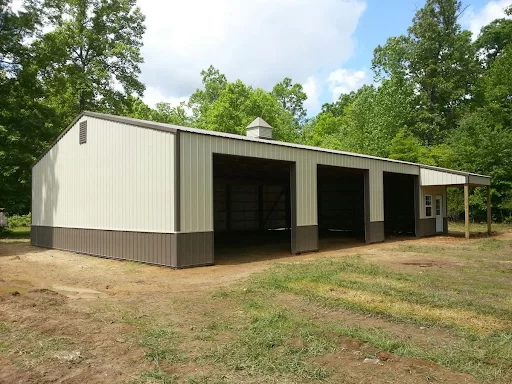
Small-scaled Shed Fabrication (Source: Internet)
Material Selection for Shed Fabrication
In principle, the materials used for small-scaled shed fabrication are similar to those used in conventional steel warehouses, as previously discussed. The main differences lie in the dimensions and quantities of materials. Contractors must accurately determine appropriate material sizes and specifications to ensure compatibility and efficiency during the installation process.
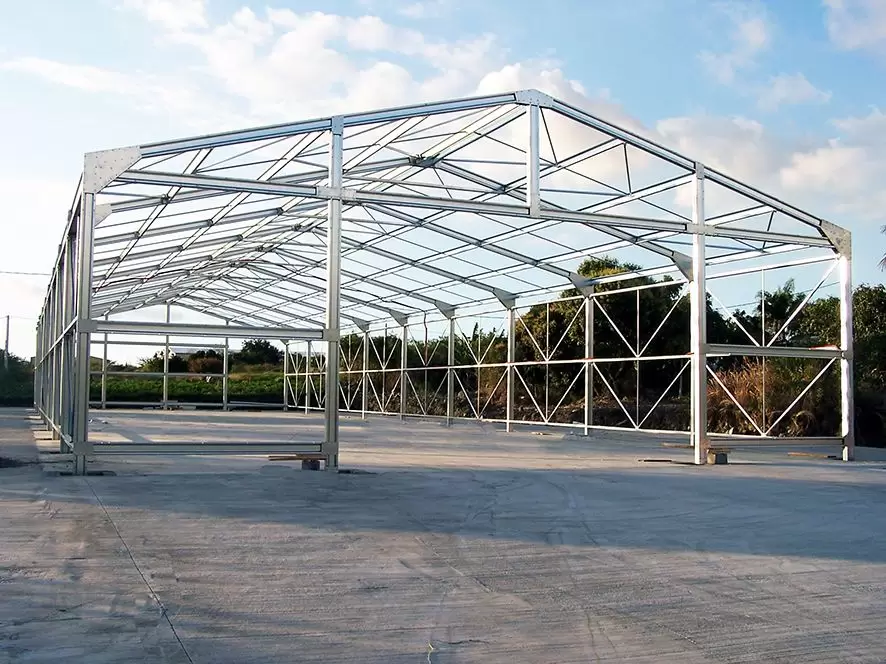
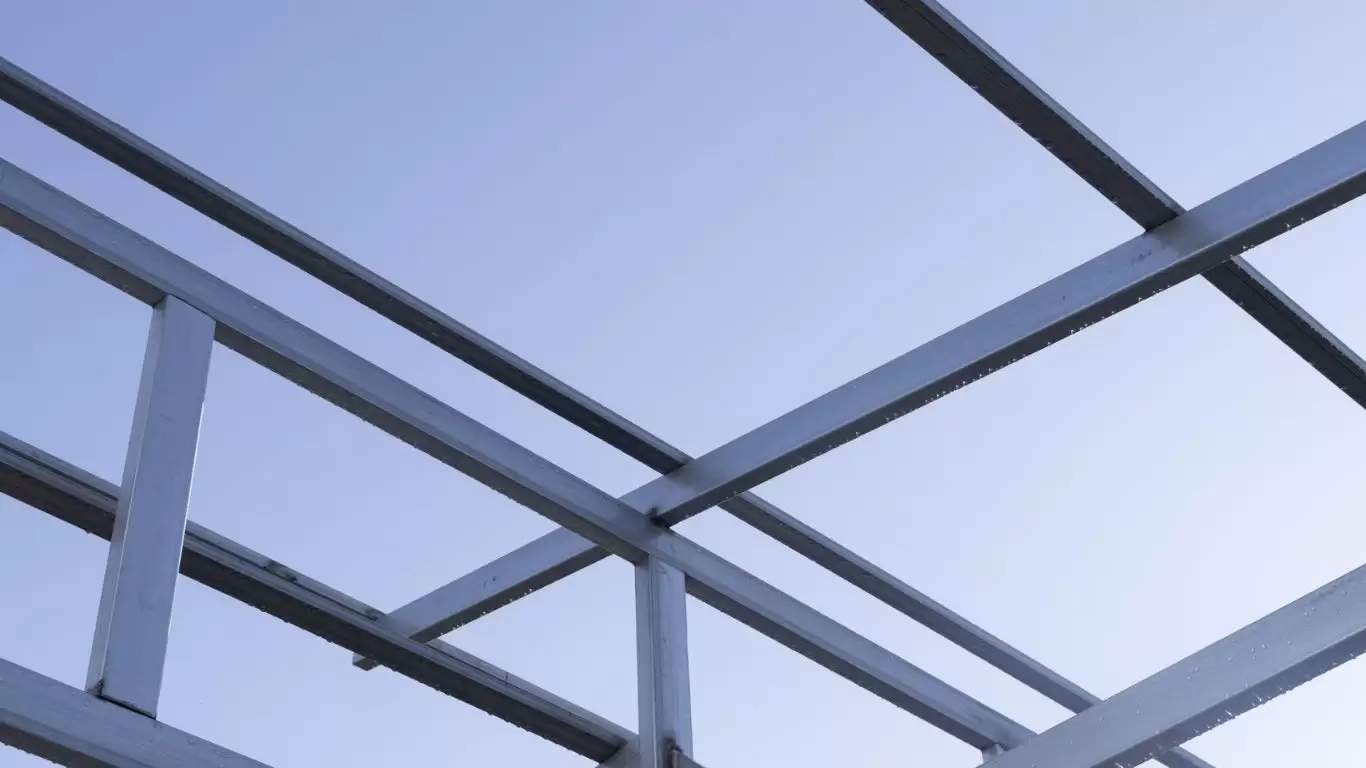
Small-scale steel fabrication frame (Source: Internet)
Assembly and Installation in Shed Fabrication
Although small-scaled sheds feature simpler designs compared to large steel warehouses, their assembly and installation must still comply with strict technical standards, particularly for steel-related works. Welding and cutting operations must follow established regulations to ensure structural accuracy, aesthetic quality, and, most importantly, labor safety during construction.
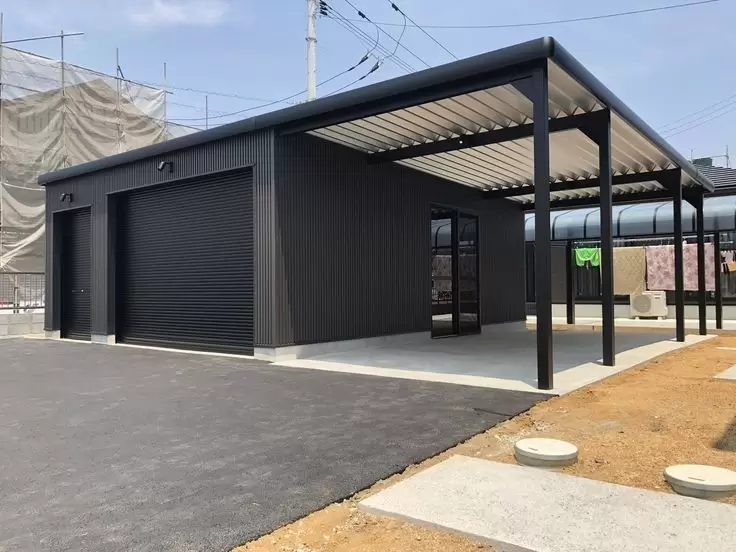
Small finished steel warehouse (Source: Internet)
**Note: The content of this article is presented in a neutral manner and is intended solely to provide useful and informative insights to readers. It does not imply or state that Pebsteel undertakes the design, fabrication, or construction of small-scaled steel sheds or warehouses.
Following these best practices ensures project quality and enhances the contractor’s reputation in a competitive market. It delivers economic efficiency by reducing rework, minimizing waste, and ensuring the steel structure serves its purpose for decades. By adopting the high standards observed in industry leaders like Pebsteel, contractors can ensure that their industrial shed projects are not only successful but also exemplary models of modern construction.
If you have questions that need to be answered, please contact us at the following email: marketing@pebsteel.com.vn
Location: Unit 701, 7th Floor, Menas Saigon Airport, 60A Truong Son Street, Tan Son Hoa Ward, HCMC, Vietnam.
Phone: +842838475475
Disclamer: The content provided in this article is for reference purposes only. For further details or clarification based on your needs, please contact Pebsteel directly.