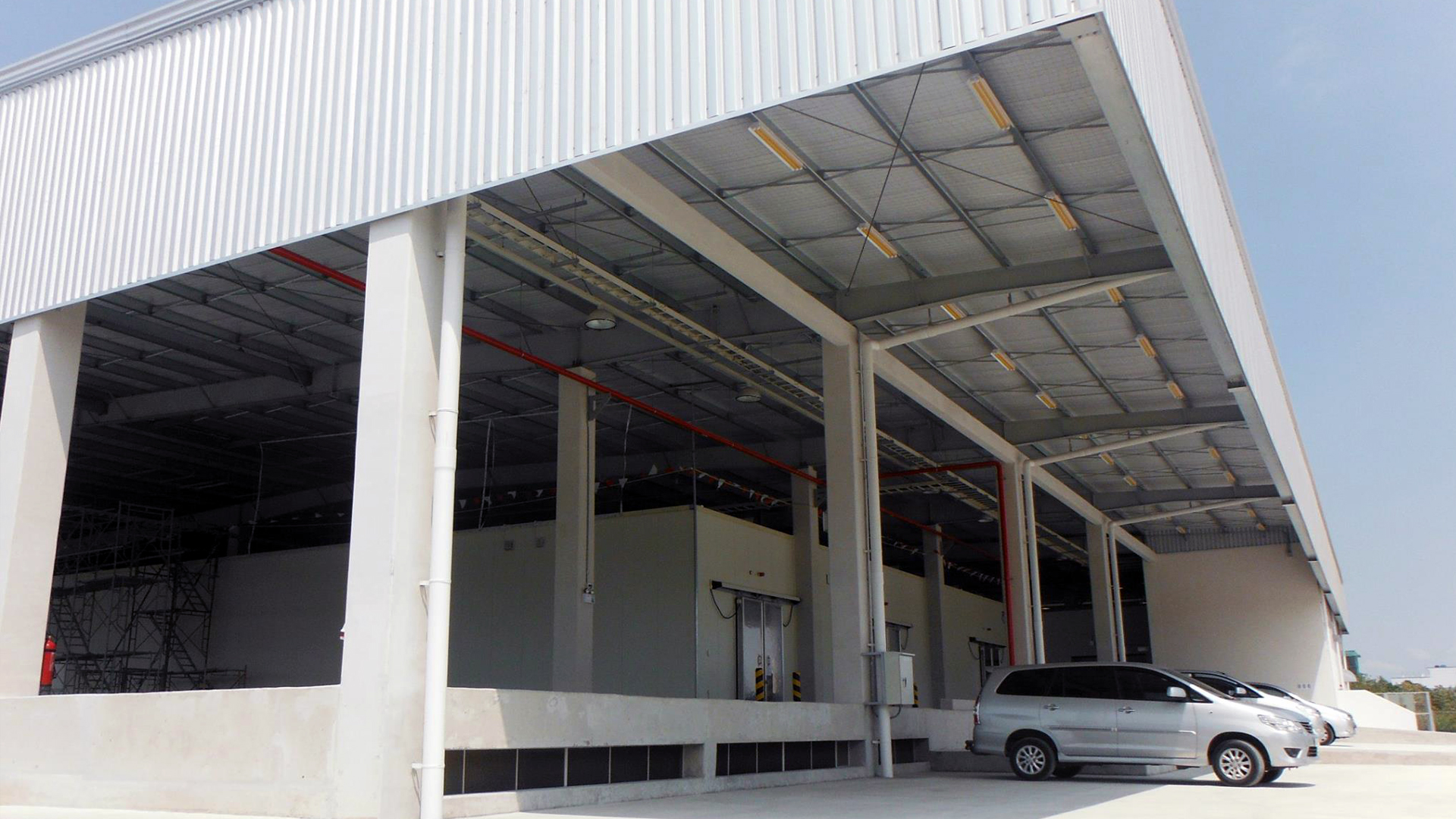

Industrial workshop sheds are widely used across manufacturing, fabrication, engineering, and maintenance industries. A well-designed workshop building improves operational efficiency, workplace safety, and long-term building performance.
Modern steel workshop sheds provide flexible building solutions that support heavy machinery, large equipment, and industrial workflows.
Proper design planning ensures that workshop facilities maximize space usage while maintaining structural strength and durability.
This guide explores the key elements of industrial workshop shed design, including structural systems, ventilation solutions, and future expansion planning.
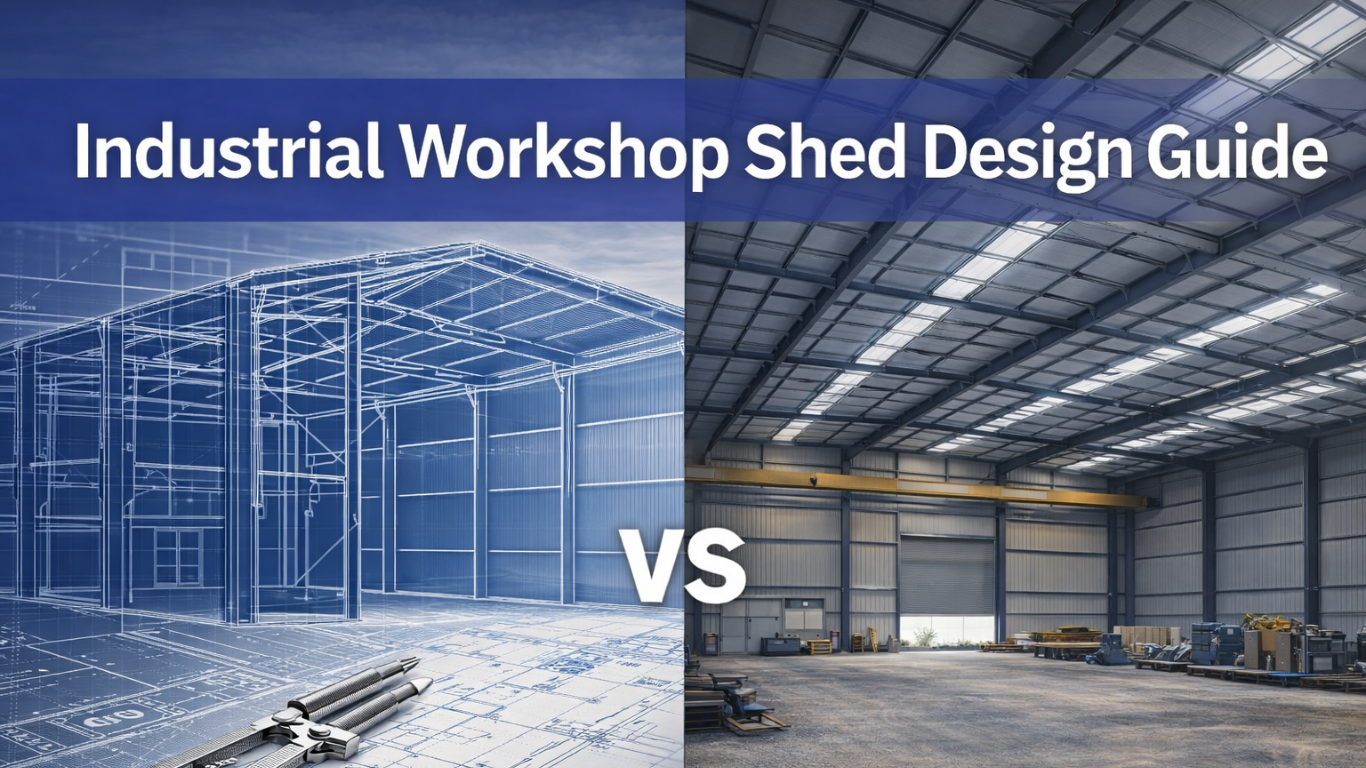
1. Key Design Principles for Workshop Sheds
Effective workshop shed design focuses on three major principles:
-
Functionality
-
Safety
-
Operational efficiency
Industrial facilities must accommodate equipment movement, worker safety, and material handling processes. A well-planned workshop building layout reduces workflow interruptions and improves productivity.
2. Structural Design of Steel Workshop Sheds
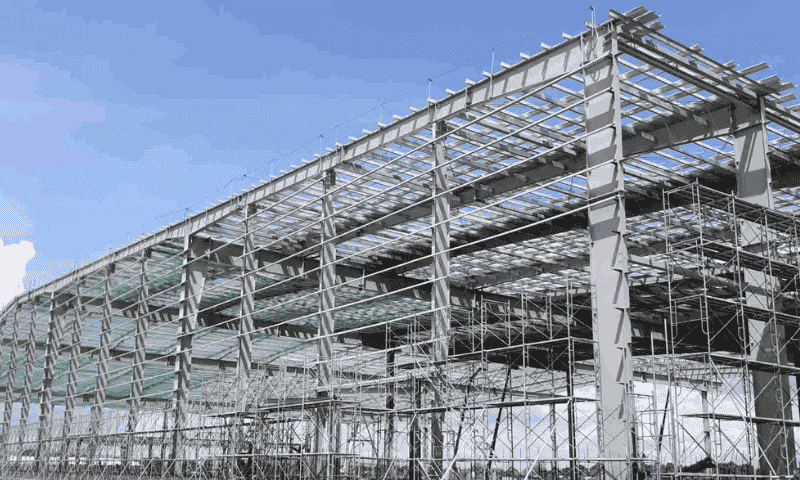
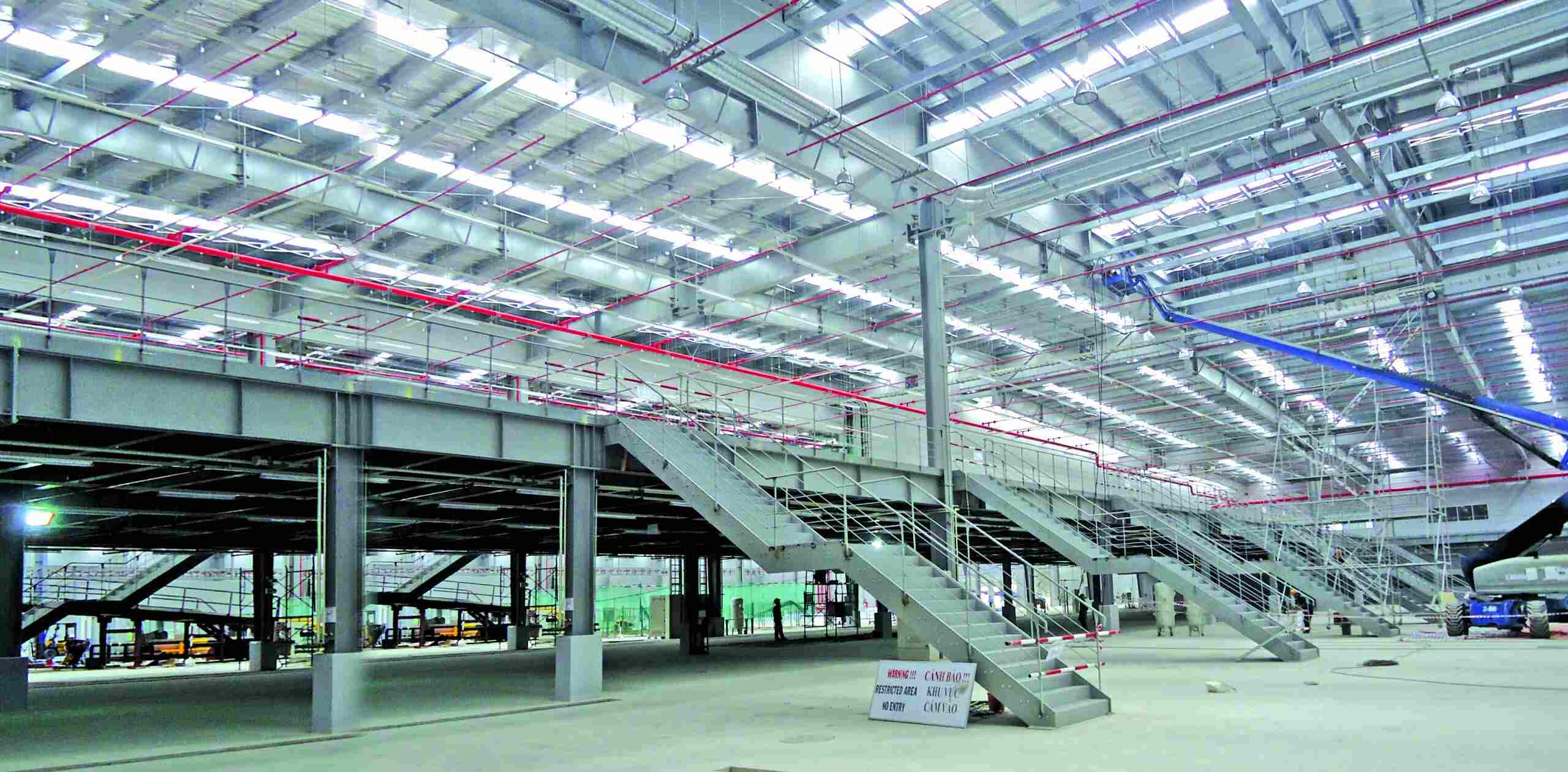
The structural system determines the strength and stability of the workshop building. Typical structural components include:
-
Steel columns
-
Roof trusses
-
Structural beams
-
Bracing systems
These elements work together to support roof loads, equipment loads, and environmental forces such as wind and rain. Structural steel design must comply with engineering standards to ensure long-term safety and performance.
More about Australian Structural Steel Standards.
3. Clear Span Steel Structures
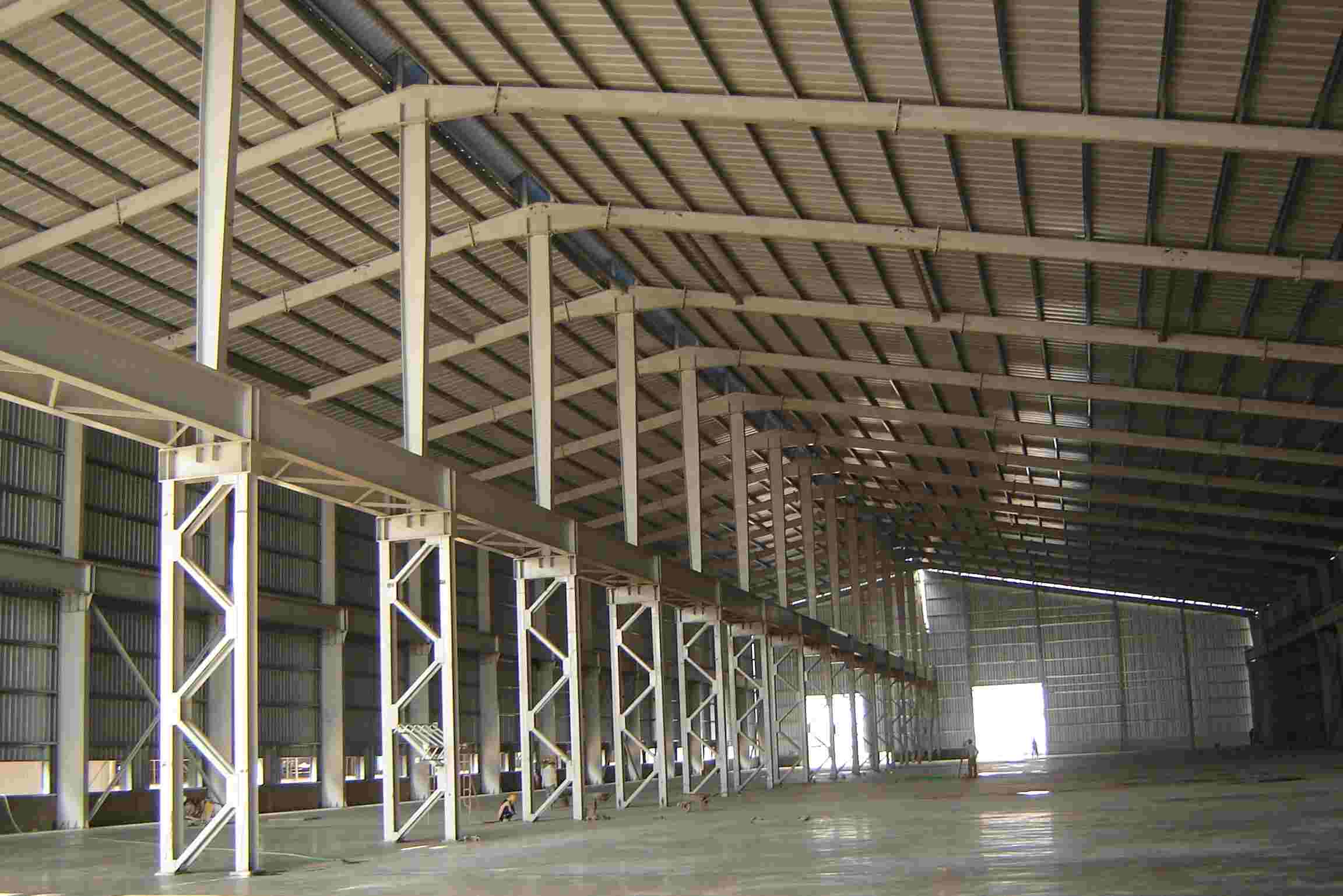
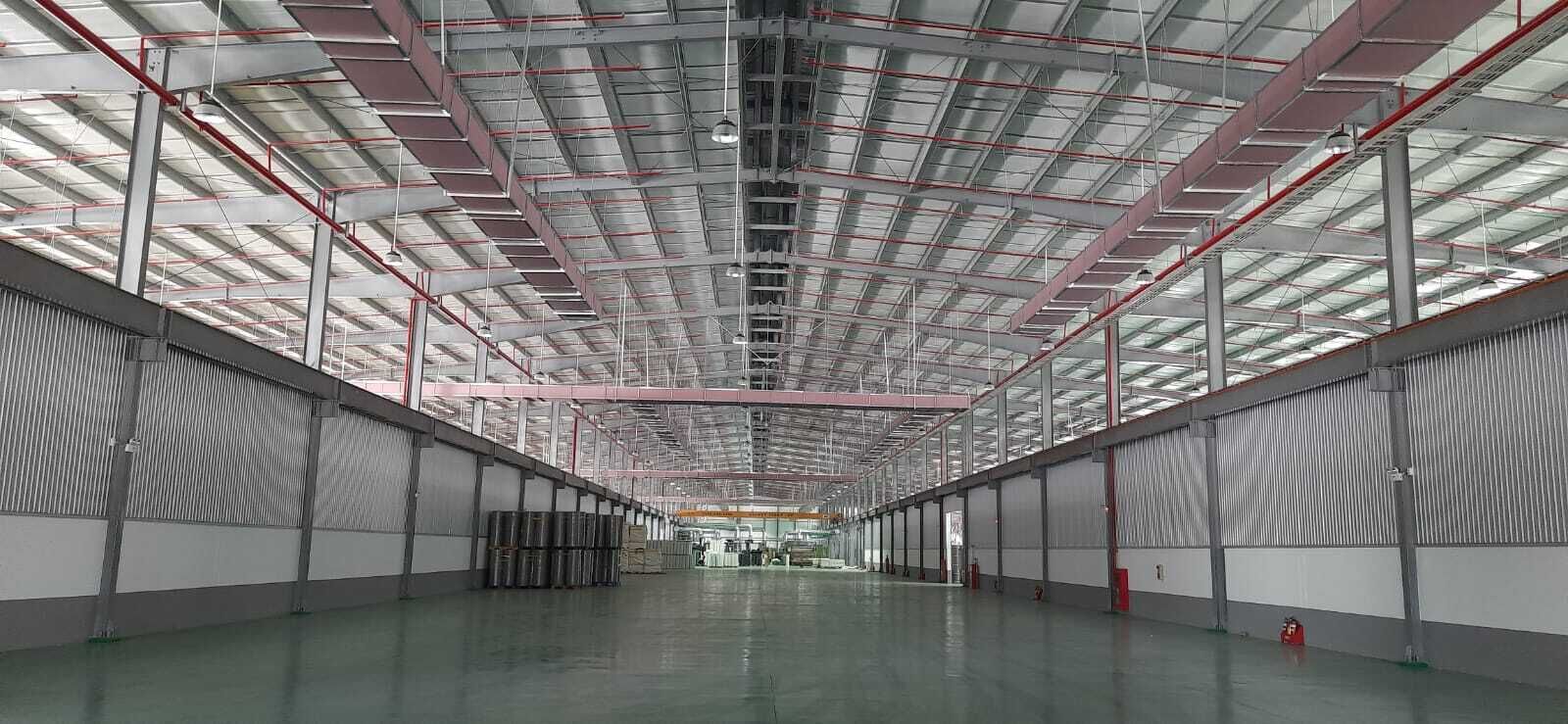
Many industrial workshop sheds use clear span steel structures, which eliminate interior columns.
Benefits include:
-
Large unobstructed work areas
-
Flexible equipment layouts
-
Improved vehicle movement
Clear span structures are particularly beneficial for industries such as:
-
Steel fabrication
-
Machinery maintenance
-
Manufacturing workshops
4. Roof Design and Ventilation
Proper roof design improves both building durability and indoor working conditions. Common roof styles include:
-
Gable roof
-
Monitor roof
-
Skillion roof
Ventilation systems are also essential in workshop environments. Solutions include:
-
Roof ventilators
-
Wall louvers
-
Natural airflow openings
These systems help remove heat, dust, and industrial fumes.
More about: 25 shed workshop ideas
5. Lighting and Energy Efficiency
Adequate lighting is essential in workshop facilities where precision work is required. Natural lighting solutions include:
-
Skylights
-
Translucent roof panels
-
Large wall windows
Energy-efficient lighting systems can significantly reduce long-term operational costs.
6. Future Expansion and Modular Design
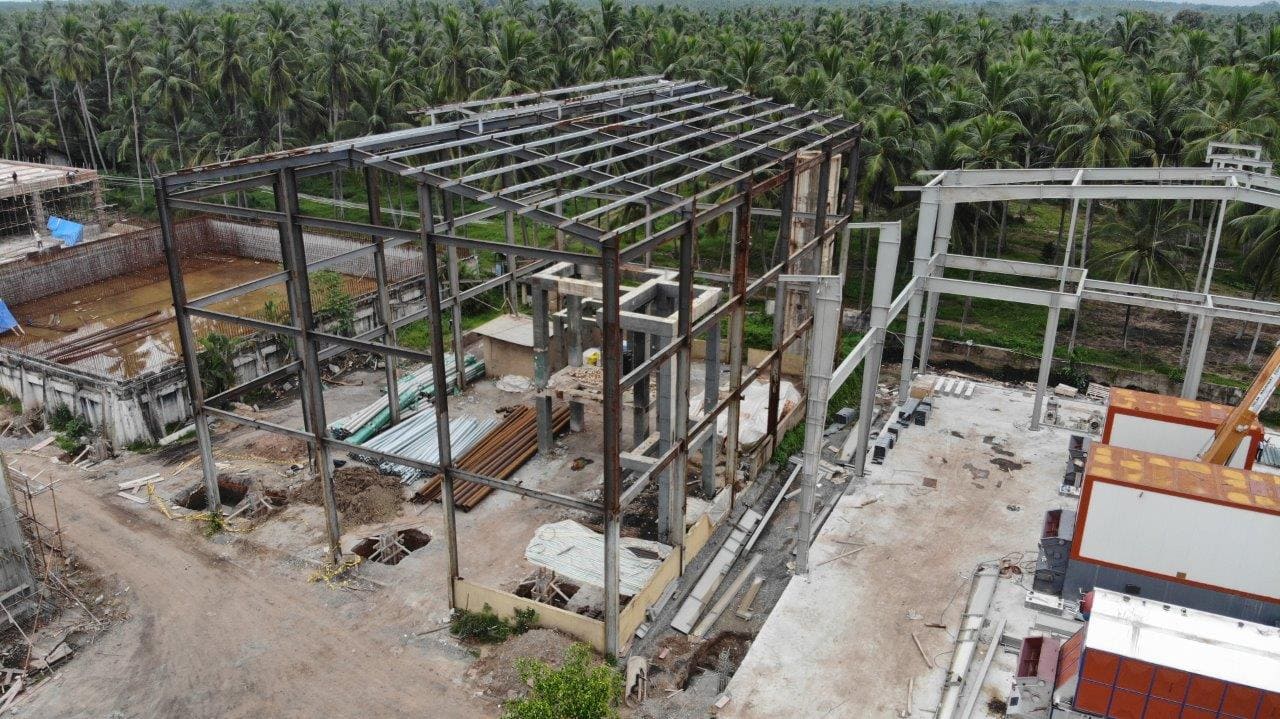
Industrial buildings often require expansion as businesses grow. Steel workshop sheds are ideal for modular expansion because structural steel frames can be extended easily. Planning expansion during the initial design phase allows future additions without major structural modifications.
7. Conclusion
Industrial workshop shed design requires careful planning to ensure structural safety, operational efficiency, and long-term durability.
Steel structures provide flexible and scalable building solutions that support modern industrial operations.
With proper engineering and thoughtful design, steel workshop sheds can deliver highly efficient workspaces for manufacturing and industrial applications.
8. FAQs
What is the best design for an industrial workshop shed?
Clear-span steel structures are widely used because they provide large open spaces and flexible layouts.
How tall should a workshop shed be?
Industrial workshop sheds typically range between 6 and 12 meters in height depending on equipment requirements.
What roof type is best for workshop sheds?
Gable roofs and monitor roofs are commonly used because they provide good ventilation and structural efficiency.
If you have questions that need to be answered, please contact us at the following email: marketing@pebsteel.com.vn
Disclaimer: The content provided in this article is for reference purposes only. Technical specifications and design requirements may vary based on specific project conditions and local regulations.