
Nowadays, many investors choose steel structure for their building construction projects. The biggest reason why businesses choose this type of structure is because of its solidity and ability to construct quickly. Cost-related issues are also considered by businesses to make the final decision. In the following article, you will learn about the steel structure with Pebsteel: What types of steel structures are there, what are their properties, and what should be noted in the process of building a steel building?
1. What is a Steel structure?
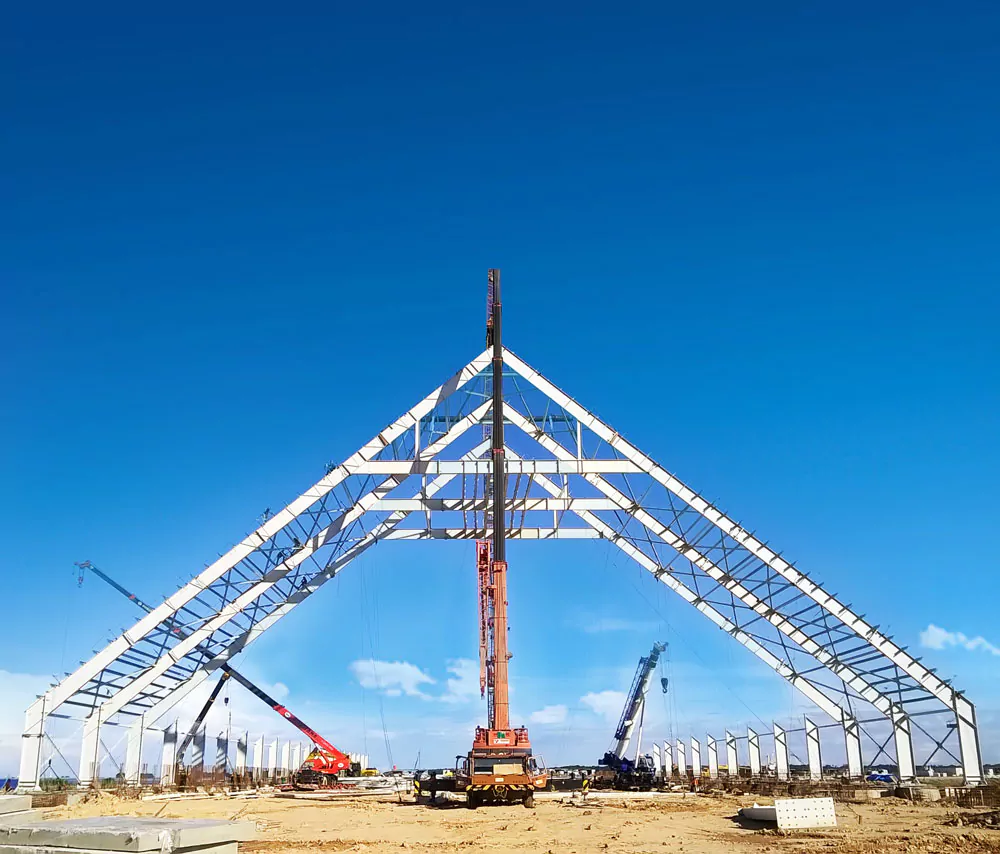
Steel structure is the essential component in various types of construction projects, characterized by their robust steel composition and distinctive shapes.
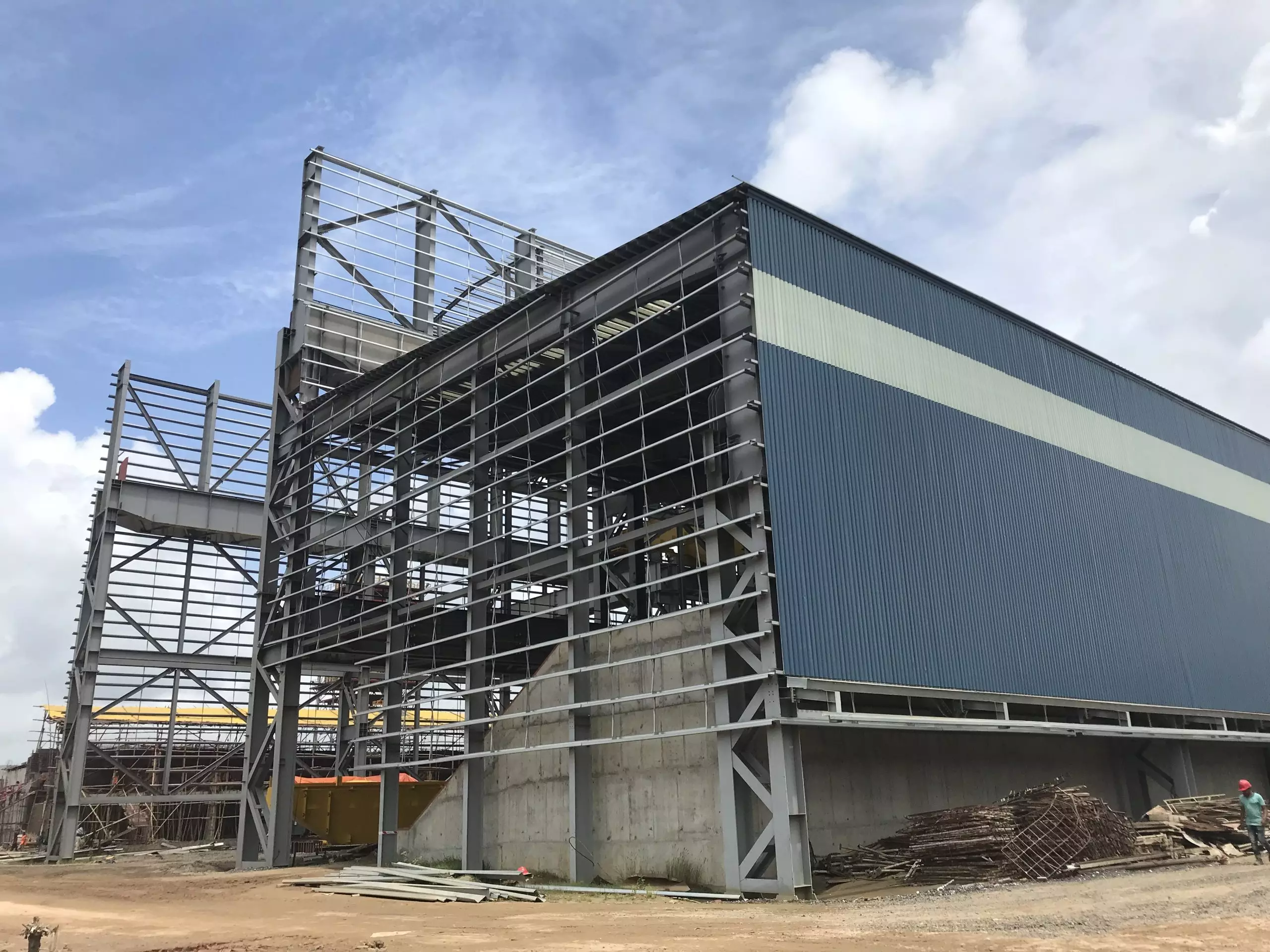
This steel material complies with specified standards for chemical composition and proper strength. The demand for the construction of steel building is increasing and is used in many projects such as bridges, stadiums, warehouses, industrial facilities, and other infrastructure projects.
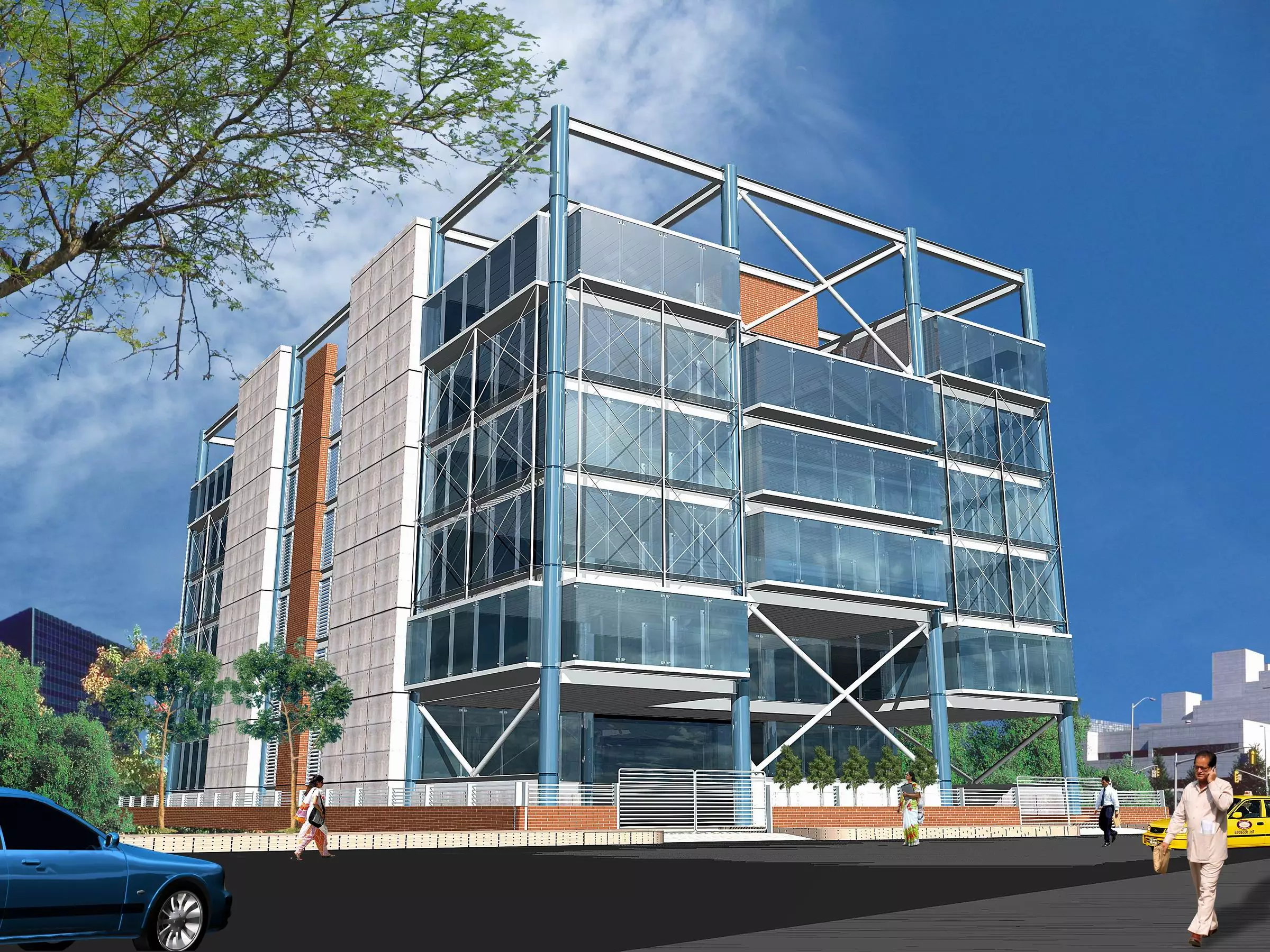
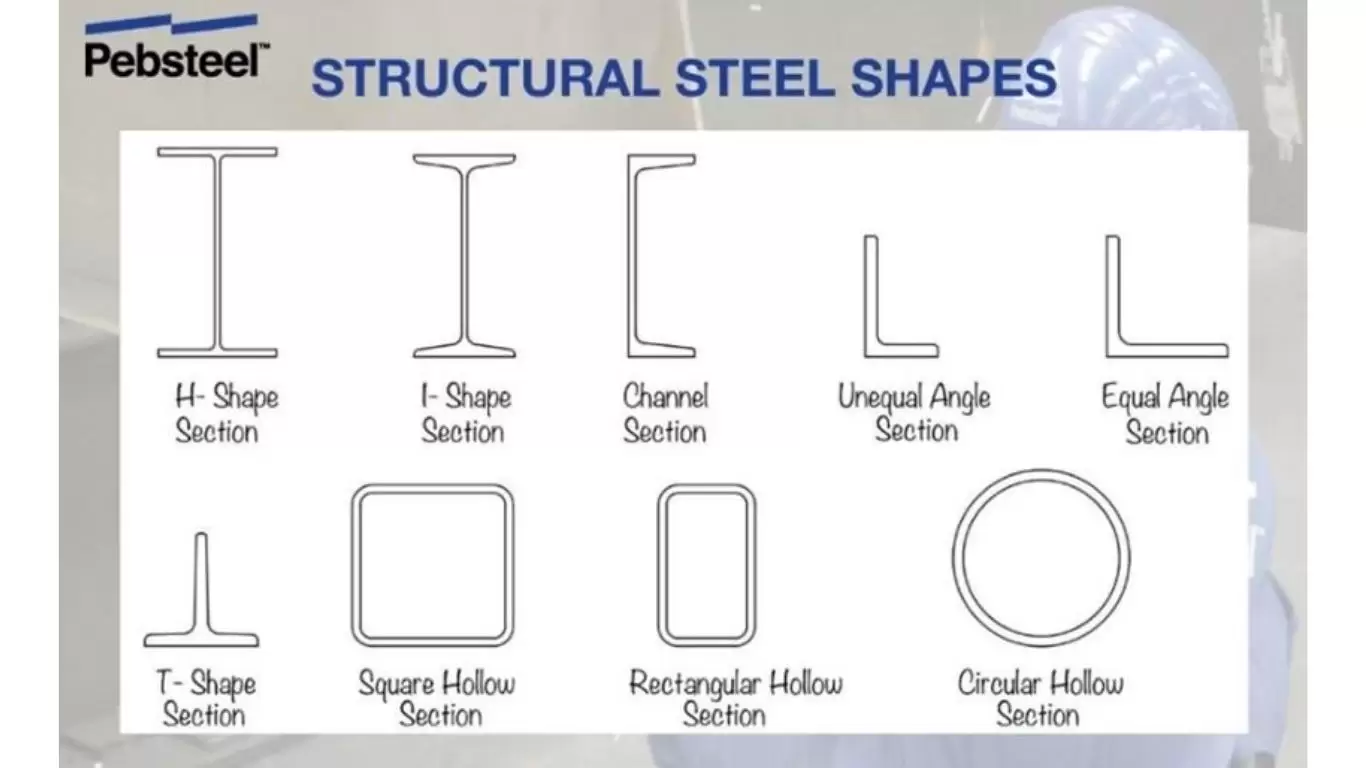
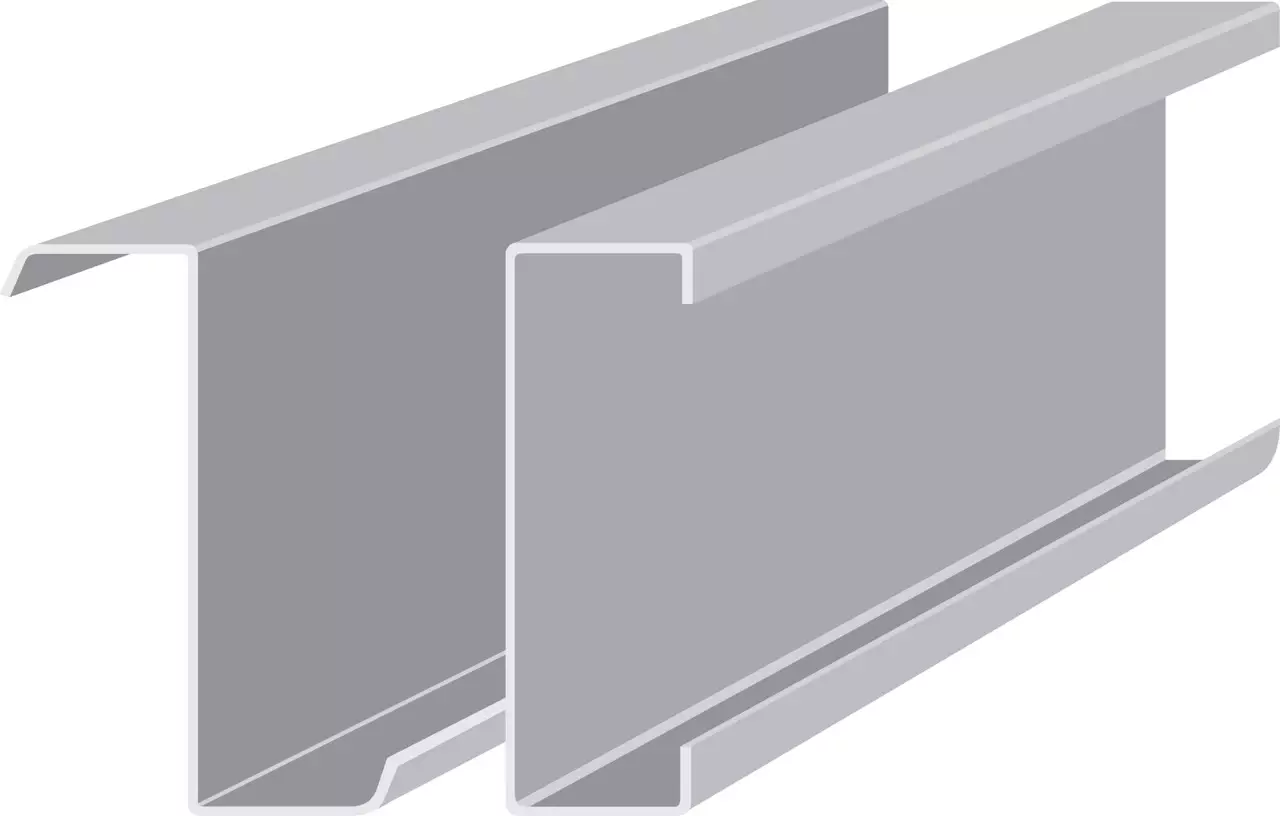
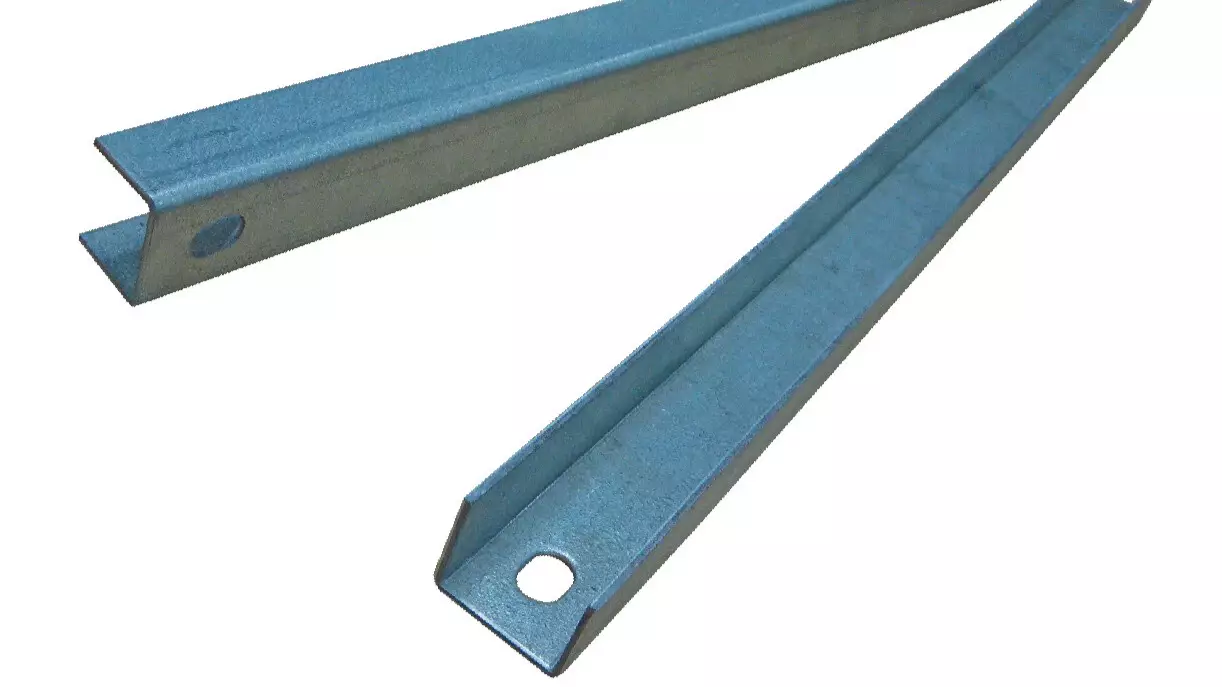
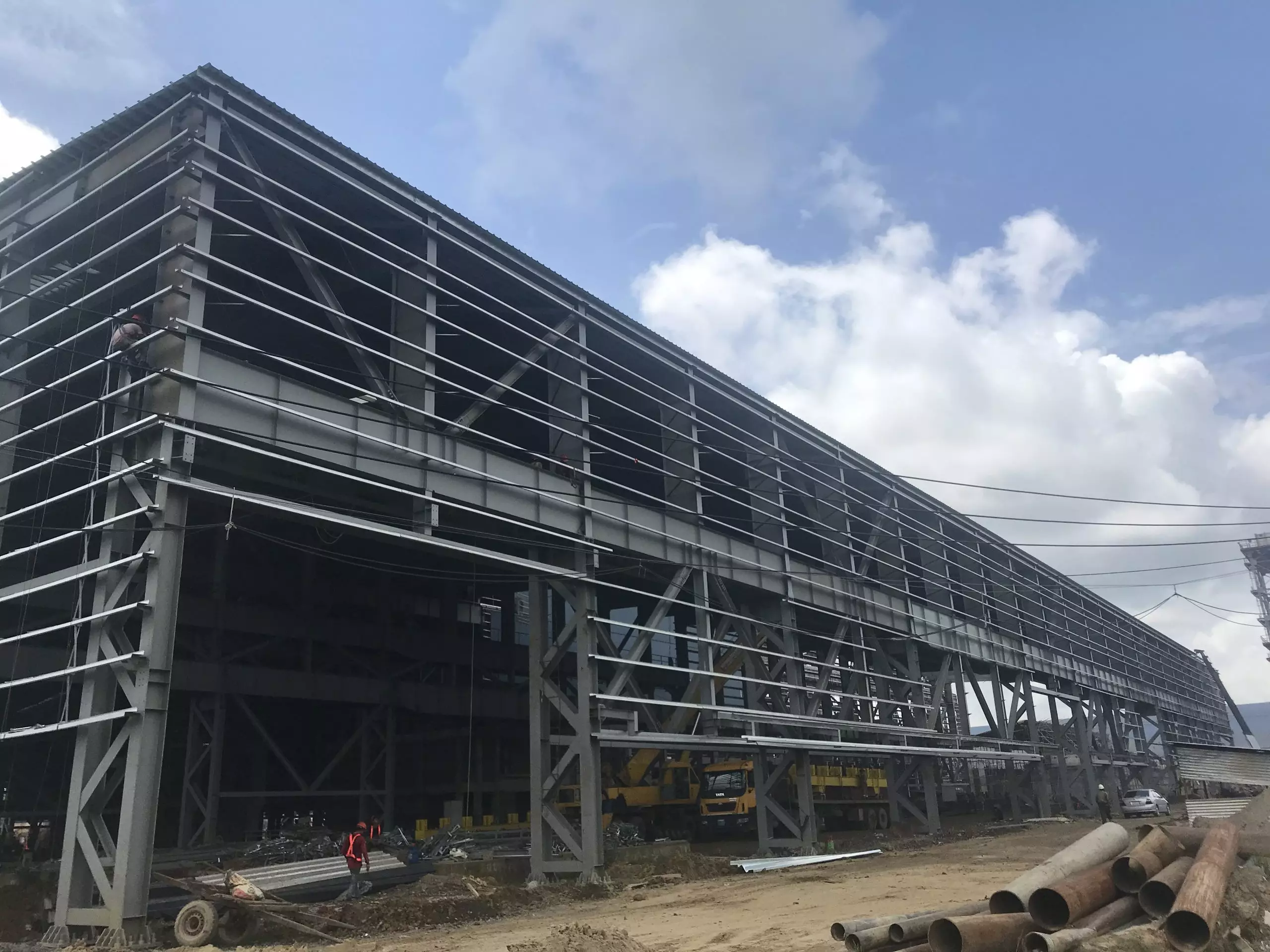
Based on the project’s unique specifications, the steel components can assume various shapes, dimensions, and thicknesses, produced through hot or cold rolling processes. In contrast, others are created by welding flat or curved plates together. Steel structures typically feature shapes such as I-beams, hollow structural sections (HSS), channels, angles, and plates.
2. Main types of steel structure
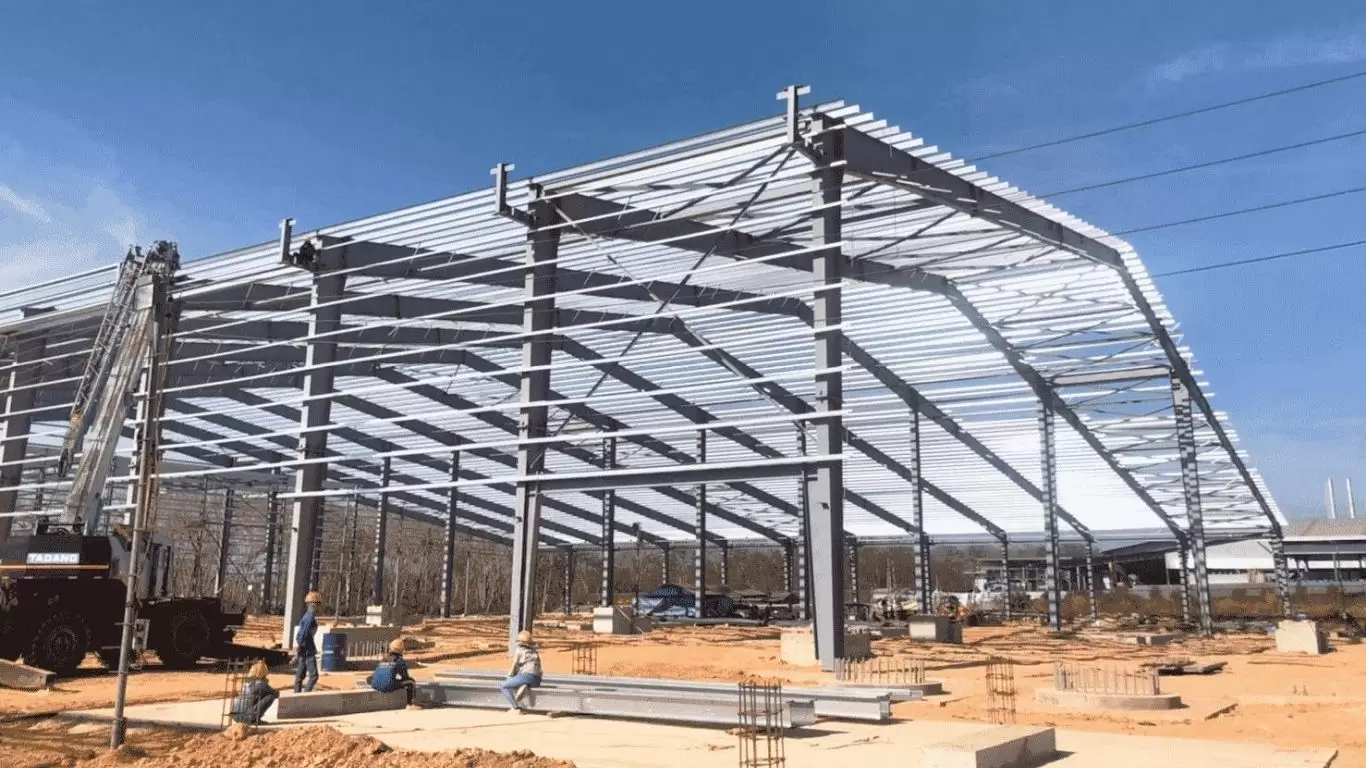
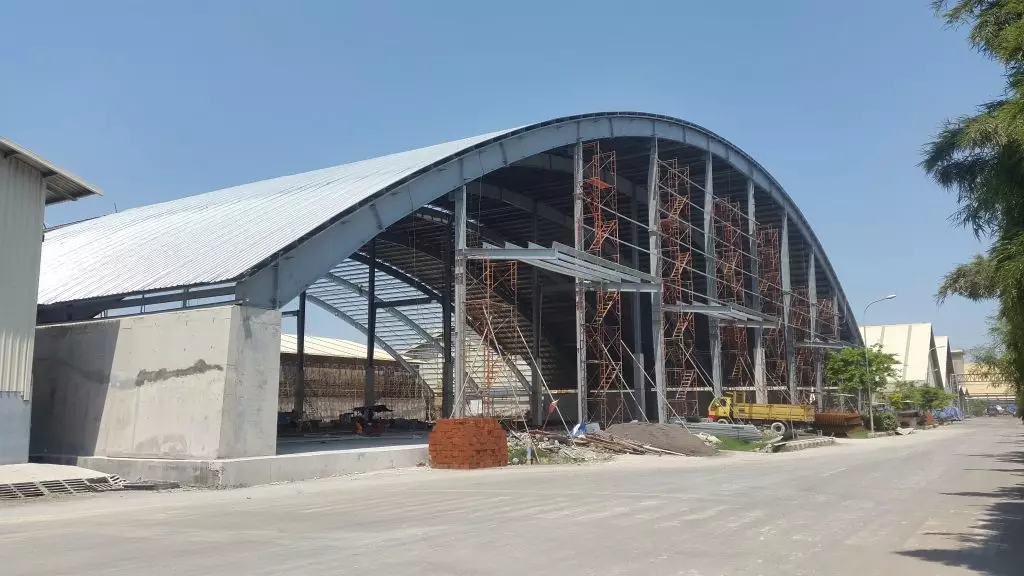
The main type of steel structure are the frame structure, the truss structure, the grid structure, the arch structure, and the portal rigid steel frame.
Additionally, steel structure has a steel arch structure, arch bridge, beam bridge, cable-stayed bridge, and suspension bridge. Each type has its unique advantages and applications, making steel a versatile material in construction.
3. Advantages and disadvantages of steel structure in construction
Steel structure is a popular and reliable choice for a wide range of construction projects due to their structural integrity, from commercial and industrial buildings to bridges and other infrastructure developments.
Advantages
- Steel has a high strength-to-weight ratio, which is very strong for its weight, and is much higher than other common construction materials, such as concrete and wood. This means that steel components (using structural steel) can be made very lightweight without sacrificing strength.
- Ductile steel structures can absorb more energy before failure than brittle structures. This makes them ideal for applications subjected to high-impact loads, such as in earthquake-prone areas or industrial settings.
- Prefabrication and ease of assembly of steel structures lead to faster construction times.
- The steel structure is recyclable, making it an environmentally friendly choice.
- Low maintenance requirements of steel structures contribute to long-term cost efficiency.
- Steel fabrication can be easily modified or expanded.
- Properly designed steel structures can provide high fire resistance.
Disadvantages
- Thin steel frames may not be suitable for buildings that require high load-bearing capacity or long spans, as they might not provide sufficient strength.
- Steel is susceptible to corrosion, so steel structures need to be properly protected from the elements. This can add to the cost of maintenance and upkeep.
- Steel is a good conductor of heat, meaning steel structures can be hot in the summer and cold in the winter. This can make them less comfortable to occupy and can also increase energy costs.
Read more: Bolt Connections In Steel Structure
4. Steel structure properties
Steel is an alloy composed of iron and carbon, and its specific properties can be adjusted by adding various elements such as manganese, sulfur, copper, phosphorus, chromium, and nickel. Therefore, steel structure properties depend on its chemical components.
The influence of different chemical components on steel is as follows:
- Increasing the carbon and manganese content will enhance tensile strength and yield strength but reduce ductility and make it less weldable.
- If the sulfur and phosphorus content exceeds a certain percentage, it will create brittleness, affecting weldability and fatigue strength.
- Chromium and nickel content contribute to the corrosion resistance of steel and can also improve its high-temperature resistance.
- Corrosion resistance can be further enhanced by adding copper.
Minor changes in chemical composition can result in various types of steel. These types of steel are used to construct structural components such as pipes, plates, conduits, bolts, rivets, reinforcing bars, and more.
Heat treatment and alloying processes are employed in steel production to achieve different properties and strengths:
- Tensile strength: The stress-strain curve of steel is typically obtained by conducting tensile tests on any standard steel sample. The tensile strength can be determined based on yield strength and ultimate strength.
- Hardness: Hardness is considered the resistance to indentation and scratching of any material. Different methods to measure the hardness of metals include Brinell hardness testing, Vickers hardness testing, and Rockwell hardness testing.
- Toughness of notches: It is the ability to develop very small cracks in the material or materials that can develop such cracks due to several load cycles. These cracks can lead to sudden structure collapse and are very dangerous. Therefore, to ensure this does not happen, preference should be given to materials with slow crack propagation. These types of steel are called high-strength steel, and the amount of energy it absorbs is measured by impacting a notched sample.
- Fatigue strength: A part of the steel structure building designed to withstand a single static load may fail if that load acts in cycles with a large number.
- Corrosion resistance: Metal corrosion is a natural phenomenon that occurs rapidly in places with high humidity and near salt water. Therefore, efforts have been made to control corrosion using galvanized steel bars and epoxy coatings. Still, they have failed in practical use due to the risk of dispersion and rapid corrosion. Anti-corrosion elements such as copper, phosphorus, and chromium added improperly to the metal will create corrosion-resistant steel.
- Rolled steel: Like concrete, steel parts of any shape and size cannot be cast in place because steel requires very high temperatures to melt and be rolled into the required shape. Rolled steel parts, including steel columns, steel beams, channels, rectangular hollow sections, circular hollow sections, single angles, tees, double angles, and pre-fabricated steel building parts, are produced in steel mills and brought to the market.
5. Steel structure standards in Vietnam
The standards of steel structures are intended to determine the quality of steel structures used for construction. For example, the constructions must meet the standards of Vietnam, Australia, the USA, the UK, and Europe.
Once the standards have been identified, this will be the basis for constructing, controlling, and accepting steel structure constructions. Currently, the standard of steel structure is the national standard TCVN 5575:2024.
This standard has the following features:
- Originating from Russia with the code SNIP II -23 – 81, compiled by the Institute of Construction Science and Technology – Ministry of Construction, Ministry of Construction proposed, General Department of Standards and Quality appraisal, Ministry of Science and Technology announced.
- As the National Standard as prescribed in Clause 1, Article 69 of the Law on Standards and Technical Regulations and Point B, Clause 2, Article 7 of the Government’s Decree No. 127/2007/ND-CP on August 1st, 2007 detailing the implementation of several articles of the Law on Standards and Technical Regulations.
- Applicable to steel structure design of civil and industrial constructions; not used to design transport and irrigation constructions such as bridges, road constructions, valve doors, pipes,…
- TCVN 5575:2024, apply the restricted state method with safety coefficients for load, materials, working conditions …
- TCVN 5575:2024, it focused on hardness and did not accept the deformation of the structure’s shape.
- TCVN 5575:2024, apply the formula:
- Calculation intensity = standard intensity/material safety coefficient.
- Calculation load = standard load/overlay factor (load reliability coefficient)
If the steel structure has many effective loads, add the simultaneous load reduction coefficient of the loads.
TCVN 5575:2024, it was used as a calculated load for steel structures with specific regulations for wind coefficient, aerodynamic coefficient, etc.
Standards for construction of steel structures at Pebsteel
At Pebsteel, steel structure construction standards follow the latest design (also applied to structural steel design) and construction standards.
- Welding Standard – AWS.
- Load Standard – ASCE.
- Cold Rolled Steel Design Standard – AISI.
- Steel structural design standard – AISC.
These standards have contributed to Pebsteel’s creation of international-quality steel buildings.
6. International Steel Structure Standards: Which Code Applies to Your Project?
One of the most common questions from project owners in Southeast Asia, the Middle East, Australia, and New Zealand is: which design standard governs my steel structure project? The answer depends on the project location, the client’s specification, and the end-use market. The table below provides a clear reference:
|
Standard |
Country / Region |
Scope |
Pebsteel Compliance |
|---|---|---|---|
|
TCVN 5575:2024 |
Vietnam |
National standard for steel structure design (civil & industrial) |
✅ Native standard |
|
AISC 360 / AISC 303 |
USA, Southeast Asia, Middle East |
Steel construction specification & code of standard practice |
✅ Full compliance |
|
ASCE 7 |
USA, Southeast Asia, Middle East |
Minimum design loads (wind, seismic, snow, live) |
✅ Applied to all export projects |
|
AWS D1.1 |
USA, SEA, GCC |
Structural Welding Code — Steel |
✅ Certified WPS/PQR |
|
AS 4100 + AS/NZS 3678/3679 |
Australia & New Zealand |
Steel structure design + hot-rolled material standards |
✅ Documentation available |
|
NZS 3404 |
New Zealand |
Steel structures standard (seismic provisions) |
✅ Available on request |
|
NZS 1170.5 |
New Zealand |
Seismic actions for structures |
✅ Reviewed by NZ-experienced engineers |
|
EN 1993 (Eurocode 3) |
Europe, some GCC projects |
Steel structure design to European code |
✅ Available for EU-spec projects |
|
EN 1090-2 |
Europe, UAE (ADNOC/ARAMCO spec) |
Structural steel execution (EXC1–EXC4) |
✅ CE Marking capable |
|
ASTM A36 / A572 / A992 |
USA, globally |
Material grades for structural sections |
✅ Mill-certified MTRs provided |
|
ISO 9001:2015 |
International |
Quality Management System |
✅ Certified |
|
MBMA Design Guide |
Global PEB sector |
Metal Building Manufacturers Association benchmark |
✅ Applied in PEB design |
For Australian & NZ Projects: Pebsteel provides full documentation packages aligned with AS 4100 (Steel Structures) and AS/NZS 1554.1 (Structural Welding), including mill certificates traceable to AS/NZS 3678 or equivalent ASTM grades. Third-party inspection by BV, SGS or Lloyd’s Register can be arranged at the fabrication stage in Vietnam.

7. Applications of steel structure
Steel structure is a versatile and durable material that is used in a wide variety of applications. It is strong, lightweight, and relatively easy to work with, making it a popular choice for many different types of construction projects:
- Steel beams (such as I beams)
- Steel frame buildings
- Steel railings
- Steel gates
- Staircases
- Lintel beams
- Parallel flange channels
- Flitch plates
Steel structure is used in a wide variety of applications, including:
- Buildings: Steel structure is used to construct the frames of all types of buildings, from tiny residential homes to large commercial skyscrapers.
- Bridges: Steel structure is the primary material used to build bridges of all sizes, from small footbridges to large multi-span bridges.
- Other infrastructure: Steel structure is also used to build other types of infrastructure, such as roads, railways, and power lines.
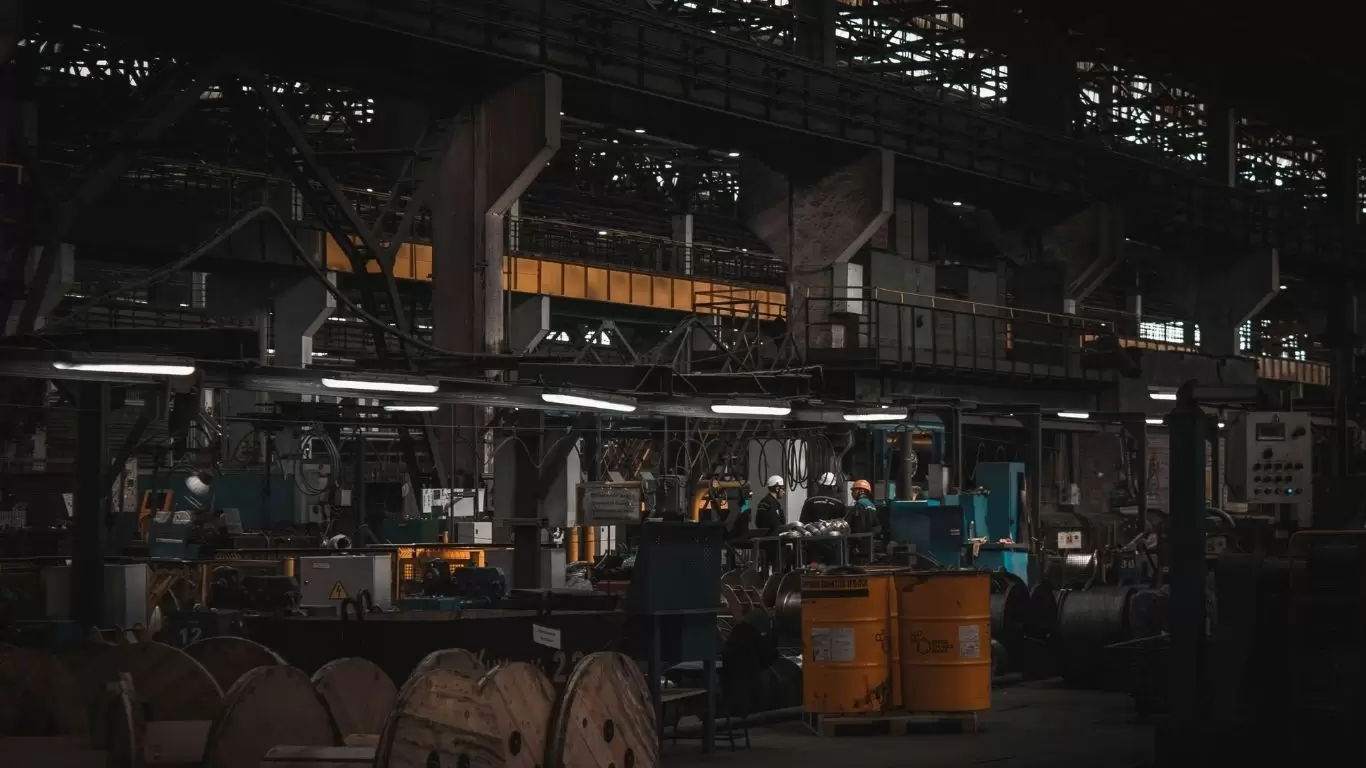
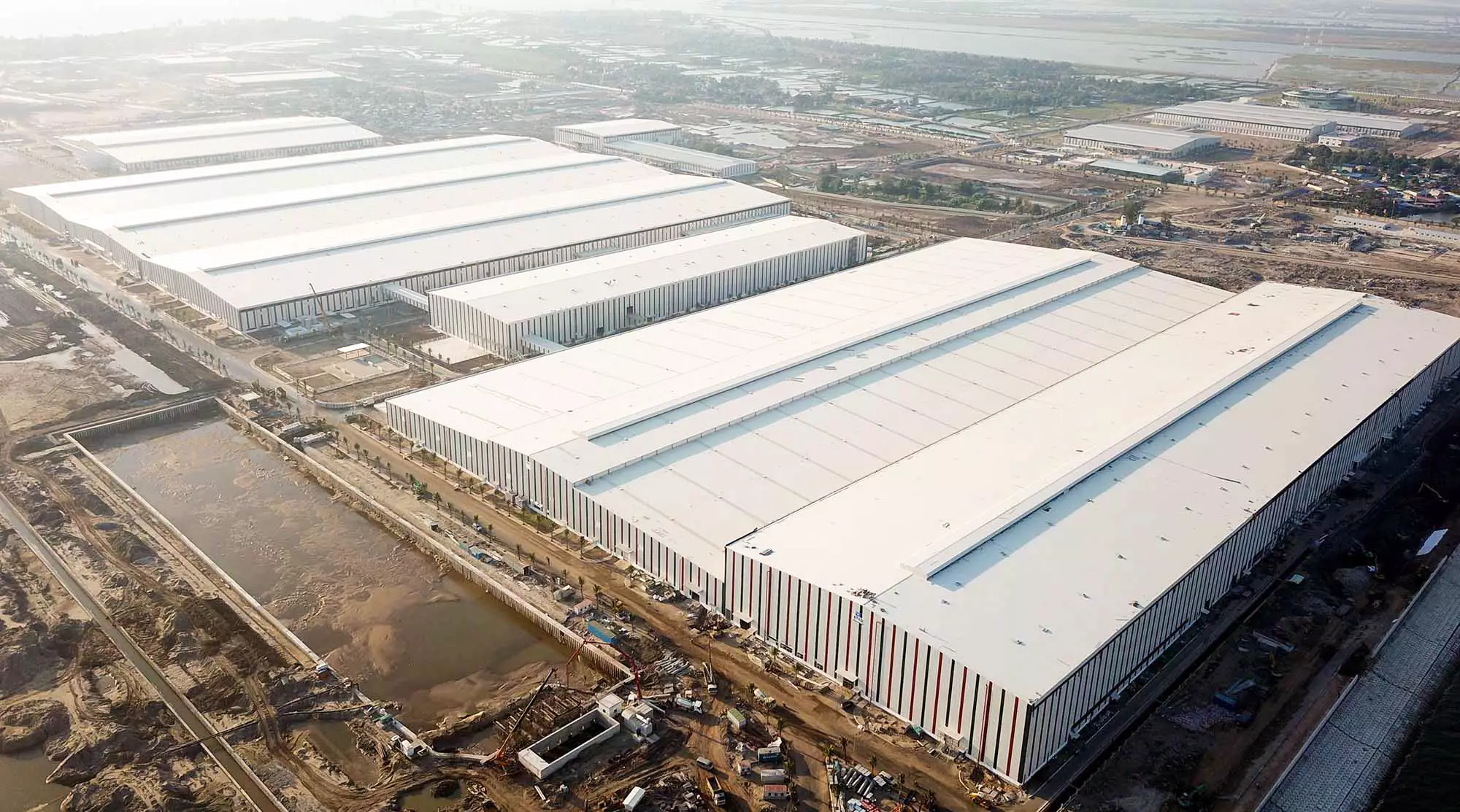
- Industrial structures: Steel structure is used to build various industrial structures, such as factories, warehouses, and power plants.
- Ships and other vessels: Steel structure is the primary material used to build ships and other vessels, such as boats, barges, and oil rigs.
8. Steel structure construction process
Pebsteel’s standard process for providing prefabricated steel buildings and steel structures consists of 7 steps:
Step 1: Brainstorming
Based on the customer’s requirements, Pebsteel will propose implementation ideas that ensure professionalism and suit the actual situation. This is the first phase that Pebsteel approaches the project. Therefore, to ensure that the ideas are close to the needs, it is extremely important to learn information and understand the needs of customers.
Step 2: Proposing a solution
After proposing the idea, Pebsteel proceeded to propose further solutions to realize the approved ideas. The proposed solutions are detailed with the following categories:
- Design
- Manufacturing – fabrication
- Installation
- Cost
- Implementation time
Step 3: Signing a contract and implementing the project
After the Idea and Solution Section is approved by the customer, Pebsteel proceeds to signing the contract and implementing the project according to the agreement.
The contract drafted by Pebsteel is always guaranteed legality and separation of the cost of steel structure quotes with the consent of the customer.
Step 4: Building a technical drawing
A team of Pebsteel engineers and technicians with professional qualifications and practical experience began to carry out the construction of technical drawings according to the latest international standards.
Step 5: Fabricating
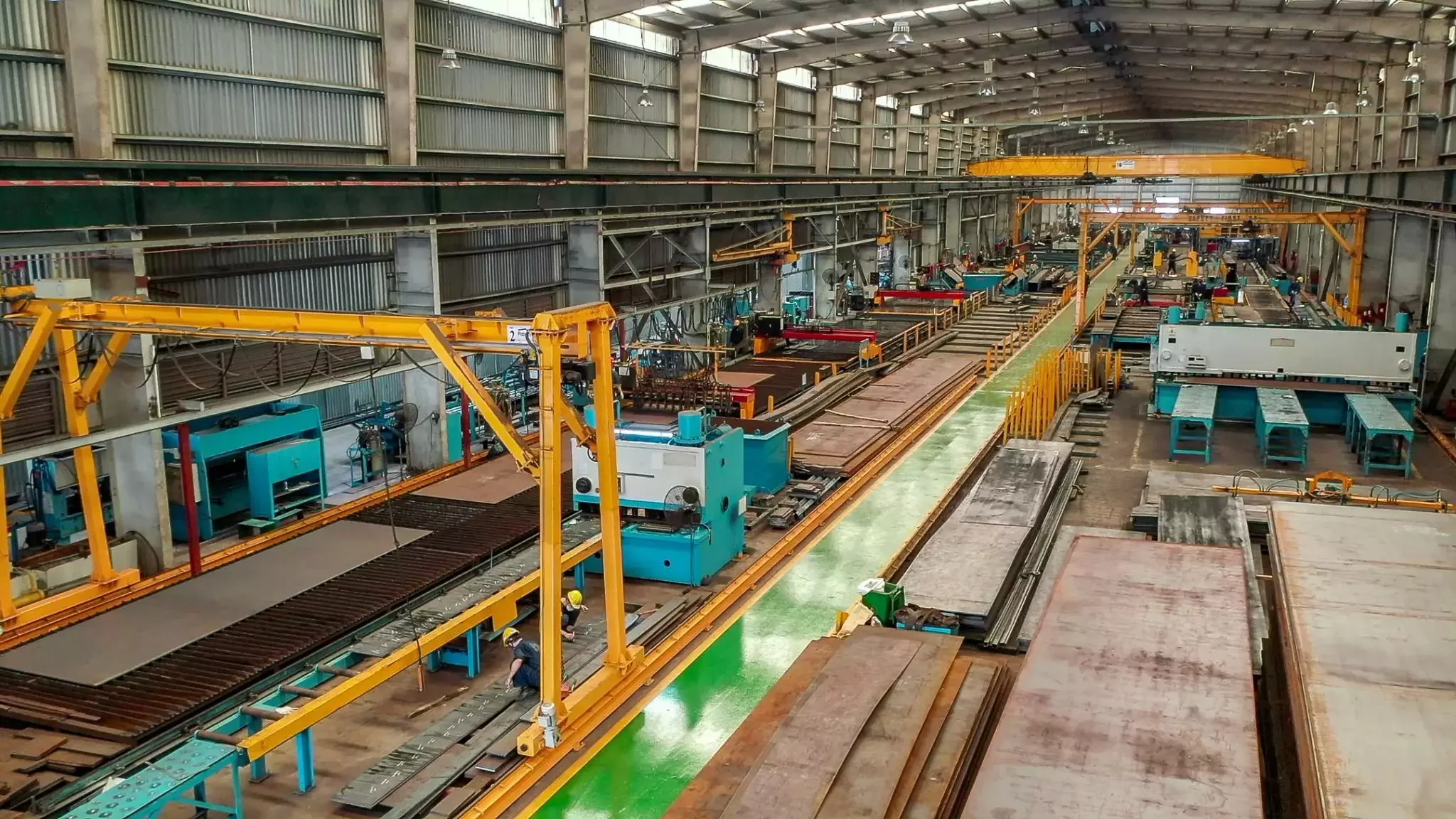
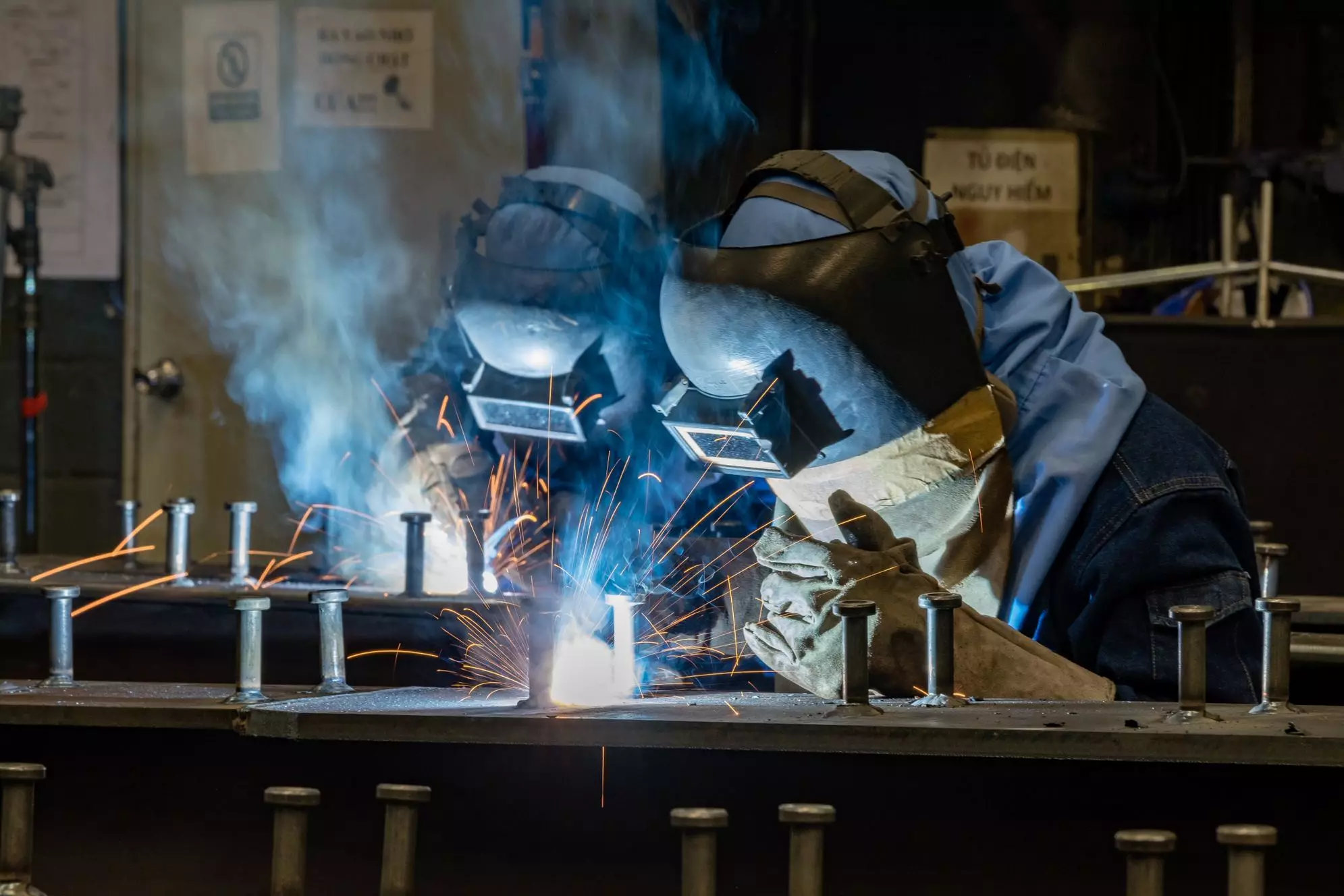
The fabricating process begins based on the completed technical drawing. Pebsteel owns a modern machinery line to ensure the processing of all kinds of components as required by the project.
Component processing stages at Pebsteel:
- Steel cutting
- Automatic welding
- Surface cleaning
- Surface Metal Spray
- Surface protection paint
- Galvanized, alloy-protected plating
Step 6: Rapid and secure installation process
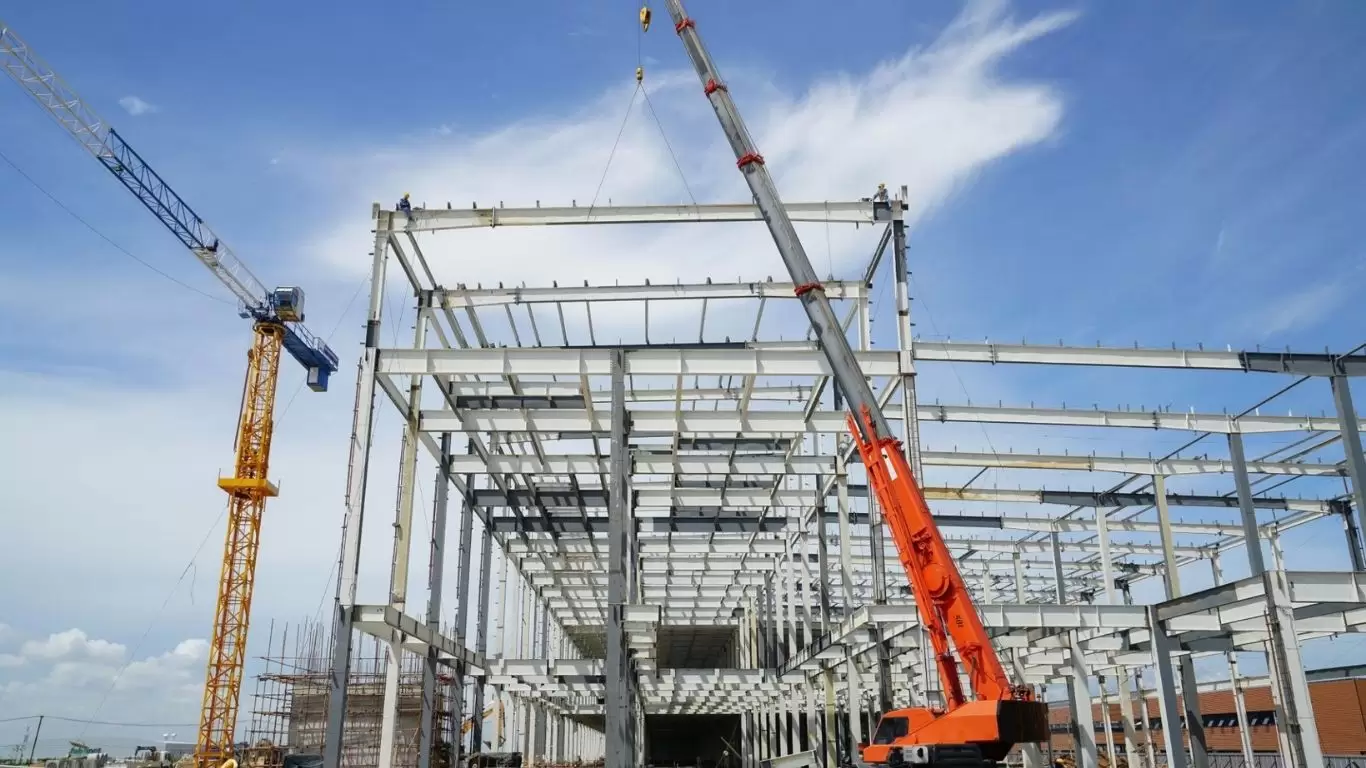
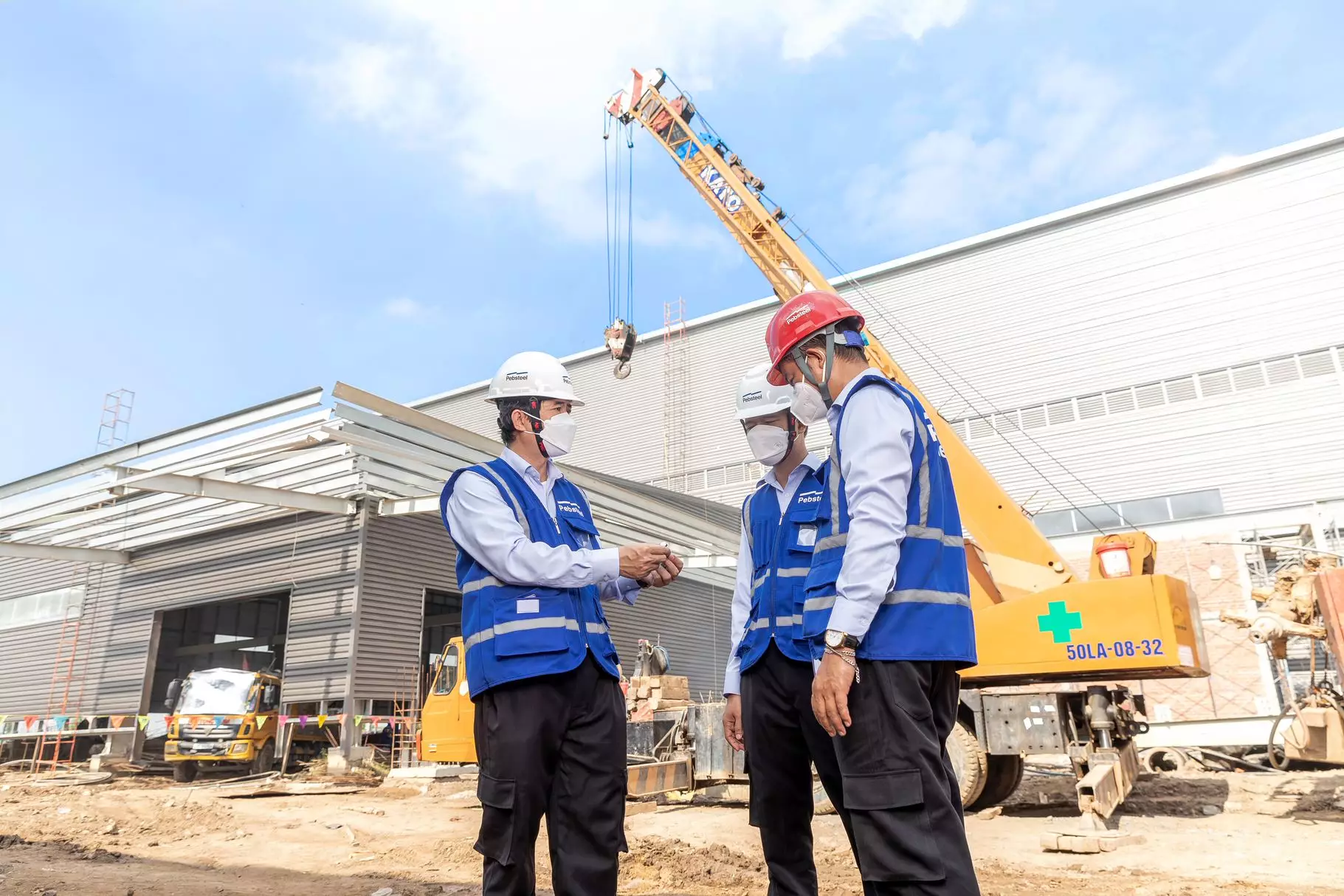
The fabricated components are carefully packed and transported to the construction for installation. The installation item is carried out by a team of skilled workers. All installation stages are closely supervised by the construction engineer to ensure the quality, schedule and safety of the project.
After the fabricating of the components are completed, the steel will be brought to the construction site for quick construction and ensure the
Step 7: Warranty
All steel structure construction projects carried out by Pebsteel are subject to a warranty policy. This is the privilege of benefits that Pebsteel gives to customers and partners. Accordingly, the warranty policy includes:
- 2 years for material warranty
- 3 years for anti-leak warranty
- 10 years for structural warranty
The warranty policy is developed and applied by Pebsteel to optimize the benefits of customers, increase the efficiency of use and extend the life of the steel building. Meanwhile, this is also a factor to affirming the service quality that Pebsteel provides.
9. Steel Structure Cost Guide: Budgeting for Your Region in 2026
Cost is consistently the most-searched piece of information for any construction project — yet most fabricators avoid publishing it. Below is a practical reference drawn from published industry data for Southeast Asia, the Middle East, Australia, and New Zealand. These figures reflect fabricated and delivered structural steel (shell structure), excluding site preparation, foundations, and fit-out.
Cost Per Square Metre — Indicative Ranges (2026)
|
Building Type |
SEA (ex-Vietnam, USD/m²) |
Middle East (USD/m²) |
Australia (AUD/m²) |
New Zealand (NZD/m²) |
|---|---|---|---|---|
|
Light industrial / warehouse |
$180–$320 |
$220–$380 |
$350–$550 |
$380–$600 |
|
Medium factory / production hall |
$280–$450 |
$340–$520 |
$500–$750 |
$540–$800 |
|
Heavy industrial / process plant |
$450–$750 |
$500–$850 |
$750–$1,200 |
$800–$1,300 |
|
Multi-storey commercial |
$380–$650 |
$450–$750 |
$700–$1,100 |
$750–$1,200 |
|
High-bay warehouse (18m+ clear) |
$320–$500 |
$380–$600 |
$580–$880 |
$620–$950 |
|
Pre-engineered standard building |
$150–$280 |
$200–$350 |
$300–$500 |
$320–$550 |
Note: These are shell-structure ranges only (primary frame, secondary framing, cladding, basic surface treatment). Foundations, civil works, mechanical, electrical, and fit-out are additional. Actual cost depends on steel tonnage, span, clear height, crane load, coating specification, and site logistics. Contact Pebsteel for a project-specific budget estimate.
Key Factors That Drive Steel Structure Cost
- Span and clear height: Every additional metre of clear span increases column size and roof load, adding cost non-linearly.
- Crane loading: Buildings designed for 10–50 tonne overhead cranes require significantly heavier primary frames and reinforced crane beams.
- Steel grade: Upgrading from A36 to A572 Gr.50 reduces tonnage but increases unit material cost — the optimal grade depends on span and loads.
- Corrosion category: C3 environments (standard inland factory) are considerably cheaper to protect than C5-M coastal or offshore environments.
- Delivery and logistics: For Australian and New Zealand projects, sea freight adds approximately USD 80–130 per tonne from Vietnam; for the Gulf, USD 70–110 per tonne.
- Import duties: Australia currently applies anti-dumping scrutiny to some steel imports. Projects should verify current tariff schedules with a customs broker at project inception.
Structural Steel Cost Per Tonne — Australia 2026 Reference
For Australian project estimators working on a cost-per-tonne basis, the following ranges reflect current market conditions as reported in Q4 2025 industry data:
- Base fabricated steel (supply + standard fabrication, ex-workshop): AUD $2,300–$2,800/tonne
- High-complexity fabrication (heavy plate, complex connections): AUD $2,800–$3,400+/tonne
- Imported fabricated steel from Vietnam (landed cost, including freight and duty): AUD $1,600–$2,200/tonne — representing a typical saving of 20–35% vs local fabrication
Pebsteel Advantage: With 120,000+ tonnes annual capacity across seven manufacturing plants, Pebsteel can offer competitive fixed-price contracts that insulate Australian and NZ clients from local workshop rate escalation — which is forecast to continue into 2026 driven by Brisbane Olympic infrastructure and Perth resource projects.
10. Steel Structures and Seismic Design: What Southeast Asia, NZ, and the Middle East Demand
Seismic performance is one of the most important but least-discussed design criteria for steel structures in the Asia-Pacific and Middle East regions. The good news: steel is the material of choice in earthquake-prone zones precisely because of its ductility and energy-absorption capacity.
Why Steel Outperforms Concrete in Seismic Zones
- Ductility: Structural steel can undergo large deformations without fracturing, providing life-safety performance even after significant earthquakes.
- High strength-to-weight ratio: Lighter structures attract lower seismic forces, reducing foundation loads and overall structural cost.
- Moment-resisting frames (MRF): Steel MRFs are the preferred lateral load system in high-seismic zones — they allow controlled energy dissipation at beam-column connections.
- Eccentrically braced frames (EBF) and special concentrically braced frames (SCBF): These systems provide ductile, predictable seismic performance in accordance with AISC 341 (Seismic Design Provisions).
Seismic Zones and Applicable Standards by Region
|
Region / Country |
Seismic Risk |
Applicable Standard |
Design Consideration |
|---|---|---|---|
|
Philippines |
Very High (Zone 4) |
NSCP (based on ASCE 7) |
Special Moment Frames; NSD provisions required |
|
Indonesia |
Very High (multiple fault systems) |
SNI 1726:2019 + AISC 341 |
Full seismic detailing; base isolation for tall structures |
|
Vietnam |
Low–Moderate (varies by province) |
TCVN 9386:2012 (Eurocode 8) |
Seismic check required for ≥5 storey or industrial structures |
|
Malaysia / Thailand |
Low |
MS 1553 / EIT |
Generally wind-governed design; seismic nominal check |
|
New Zealand |
Very High (Pacific Ring of Fire) |
NZS 1170.5 + NZS 3404 |
Highest seismic demand in region; ductile detailing mandatory |
|
Australia (varies) |
Low–Moderate |
AS 1170.4 |
Most areas low seismic; NW Australia and Adelaide moderate |
|
UAE / Saudi Arabia |
Low–Moderate |
ASCE 7 / IBC (adopted locally) |
Generally wind-governed; UAE seismic increasing awareness |
|
Qatar / Kuwait |
Low |
IBC / AISC |
Seismic load typically non-governing |
For New Zealand Projects: NZS 3404:1997 (Amendment 2016) is the governing standard for structural steel design in NZ, used in conjunction with NZS 1170.5 for seismic actions. All steel connections in Seismic Design Categories (SDC) C and above must be designed for ductile or limited-ductile behaviour. Pebsteel’s engineering team has experience designing for NZ seismic requirements and can provide calculations for peer review by a NZ-chartered structural engineer.
11. Fire Protection of Steel Structures: Requirements Across Key Markets
Steel is non-combustible, but its strength reduces significantly at elevated temperatures. The critical temperature for most structural steel — the point at which yield strength drops to 60% of ambient — is approximately 550°C. Without protection, unprotected steel can reach this temperature within 15–30 minutes of exposure to a standard fire. Building codes across all target markets require fire resistance ratings (FRR) for structural steel in most building occupancy categories.
Common Fire Protection Systems
|
System |
Description |
FRR Achievable |
Best For |
|---|---|---|---|
|
Intumescent coating |
Thin paint that swells under heat to form insulating char layer |
30–120 min |
Exposed architectural steel, columns, beams |
|
Spray-applied mineral fibre (SAMI) |
Cementitious or fibre spray applied to steel surface |
60–240 min |
Heavy structural steel, concealed members |
|
Board protection (vermiculite/gypsum) |
Pre-formed boards fixed around steel sections |
60–240 min |
Columns, beams, plant rooms |
|
Concrete encasement |
Steel encased in reinforced concrete |
60–240 min |
Columns in high-rise buildings |
|
Water-filled hollow sections |
Water circulates inside HSS to absorb heat |
60–120 min |
Specialty exposed structures, atria |
Fire Rating Requirements by Market
- Australia (NCC / BCA): Section C of the National Construction Code defines Type A, B, C construction. Type A buildings (most commercial multi-storey) require FRR of 90–120 min for primary structural members. Pre-engineered industrial buildings in Class 8 (factory/warehouse) typically require FRR 60 min, though this varies by occupancy load and floor area. Bushfire Attack Level (BAL) also influences steel specification — BAL-FZ (Flame Zone) requires non-combustible structure and ember-proof construction detailing.
- New Zealand (NZBC Clause C): Performance-based fire engineering is common in NZ, allowing customised FRR calculation rather than prescriptive ratings. This often results in more cost-efficient fire protection for large industrial buildings.
- Middle East (IBC / UAE Civil Defense): Buildings in the UAE and Saudi Arabia reference IBC 2015/2018 for structural fire resistance. Standard FRR for commercial buildings is 1–2 hours for primary structure. Abu Dhabi Civil Defense and Dubai Civil Defense have additional requirements for high-rise and assembly occupancies.
- Southeast Asia: Fire codes in Vietnam (QCVN 06:2022/BXD), Thailand (DCLG requirements), and the Philippines (NBC RA 6541) specify FRR requirements ranging from 1–2 hours for industrial occupancies. Pre-engineered single-storey industrial buildings in SEA typically use intumescent coatings at 60 min FRR where required.
Pebsteel Note: Pebsteel’s standard pre-engineered building specification includes intumescent coating at 60-minute FRR as an optional upgrade. For Australian NCC compliance or UAE Civil Defense submissions, Pebsteel can coordinate fire engineering certificates from accredited third-party fire engineers.
12. Steel Structure vs Concrete: A Practical Comparison for Developers
The decision between a structural steel frame and a reinforced concrete frame is one of the most consequential choices at project inception. Each material has genuine advantages in specific contexts. The table below provides an objective comparison across the criteria that matter most to investors and developers in Southeast Asia, the Middle East, Australia, and New Zealand:
|
Criterion |
Steel Structure |
Reinforced Concrete |
Winner |
|---|---|---|---|
|
Construction speed |
40–60% faster: prefabricated off-site, erected in days–weeks |
Slower: formwork, pour, cure (min 28 days before loading) |
🏆 Steel |
|
Clear span capability |
Spans of 15–100m+ achieved cost-effectively |
Economic spans typically <15m without post-tension |
🏆 Steel |
|
Initial material cost |
Higher cost per tonne, but less material needed due to strength |
Lower unit cost but higher volume required |
= Comparable |
|
Foundation loads |
Lighter structure = smaller/cheaper foundations |
Heavier: larger pile or raft foundations typically needed |
🏆 Steel |
|
Seismic performance |
Excellent: ductile, energy-absorbing, preferred in high-seismic zones |
Good with ductile detailing, but heavier mass = higher force |
🏆 Steel |
|
Fire resistance |
Requires additional fire protection (coating, board, spray) |
Inherently provides 1–2hr FRR without additional cost |
🏆 Concrete |
|
Acoustic performance |
Lower mass = more sound transmission; requires acoustic treatment |
High mass provides natural sound attenuation |
🏆 Concrete |
|
Design flexibility (modifications) |
Bolted connections allow future modification, extension, relocation |
Difficult and costly to modify post-construction |
🏆 Steel |
|
Sustainability / recyclability |
>98% recyclable; lower embodied carbon with EAF steel |
Concrete has high embodied carbon (cement production) |
🏆 Steel |
|
Lifecycle cost (50-year period) |
Lower: less maintenance, predictable performance, modifications easier |
Higher: cracking, spalling, rebar corrosion can increase OpEx |
🏆 Steel |
|
Thermal performance |
High conductivity — requires insulation for energy efficiency |
Good thermal mass can moderate temperature swings |
🏆 Concrete |
|
Delivery to remote sites |
Flat-pack shipping enables remote site access |
Requires on-site batching plant or truck access |
🏆 Steel |
For the typical applications in Pebsteel’s target markets — industrial factories, large-span warehouses, logistics hubs, and process facilities — structural steel consistently delivers superior outcomes on the criteria that most affect investor returns: construction speed, programme certainty, clear span, and lifecycle flexibility.
Read more: Is Steel Structure Better Than Concrete?
13. Regional Design Requirements: What Makes SEA, Middle East, Australia & NZ Different
Each target region has distinct climatic, regulatory, and seismic conditions that directly affect how a steel structure must be designed, fabricated, and protected. A fabricator with genuine international experience will address these requirements proactively — not treat every building as a generic product.
Southeast Asia: Typhoon Loads, Humidity & Tropical Corrosion
- Wind: The Philippines, Vietnam (central coast), and Bangladesh experience Category 4–5 typhoon wind speeds of 200–300 km/h. Steel structures in these zones must be designed to local typhoon codes — NSCP wind maps (Philippines), TCVN 2737 (Vietnam) — which typically correspond to ASCE 7 Risk Category III/IV wind speeds.
- Corrosion: Tropical SEA sits firmly in ISO 9223 Corrosion Category C4 (high) to C5-M (very high marine). Standard primer-only coating is insufficient. Pebsteel’s export specification for SEA coastal projects includes AZ180-coated Silver180® secondary steel and a three-layer coating system (zinc-rich epoxy / epoxy intermediate / polyurethane topcoat) achieving 250+ microns DFT.
- Temperature and UV: Ambient temperatures of 28–38°C combined with intense equatorial UV degrade standard coatings within 3–5 years. Pebsteel specifies UV-stabilised polyurethane topcoats with colour retention guarantees for SEA roof and wall panels.
- Flooding: In delta regions of Vietnam, Thailand, and Indonesia, buildings should be designed with elevated floor slabs and corrosion-protected base plates specified to account for periodic flood inundation.
Middle East: Extreme Heat, Salinity & Sand Abrasion
- Temperature extremes: Ambient design temperatures in UAE, Saudi Arabia, and Qatar exceed 45°C in summer. Steel coefficients of thermal expansion must be accounted for in long-span structures (>50m) with fixed-end connections. Expansion joints are standard for buildings >100m in length.
- Corrosion category C5-M coastal: The Arabian Gulf coastline — Abu Dhabi, Sharjah, Bahrain, Eastern Province KSA — is one of the most aggressive corrosion environments in the world, combining high salinity, high humidity, and airborne chlorides. Coating systems must achieve ISO 12944 Category C5-M with minimum 15-year durability.
- Sand abrasion: Sandstorm events (shamal winds) in the Gulf cause abrasive wear to coating surfaces. Buildings exposed to regular shamal require harder topcoat films (e.g., polysiloxane or fluoropolymer) rather than standard polyurethane.
- Vision 2030 / UAE infrastructure: Major projects in NEOM, Dubai South, Oman Duqm, and Saudi industrial cities require fabricators to comply with ARAMCO SAES, ADNOC CoPs, and international EPC contractor quality management systems. Pebsteel has direct experience with these requirements.
Australia: NCC Compliance, Bushfire & Anti-Dumping Tariffs
- National Construction Code (NCC 2022): Australia’s NCC (formerly BCA) governs all building design and construction. Steel structures must meet performance requirements for structural adequacy, fire resistance, and weatherproofing under NCC Volume 1 (Class 2–9 buildings) or Volume 2 (Class 1–10a residential).
- Bushfire Attack Level (BAL): In bushfire-prone areas — which covers significant portions of Queensland, NSW, Victoria, SA, and WA — buildings must comply with AS 3959 (Construction in Bushfire-Prone Areas). BAL ratings from BAL-12.5 to BAL-FZ impose increasingly stringent requirements on wall cladding, roof, windows, vents, and structural connections. Steel structures with non-combustible cladding are well-suited to BAL-rated construction.
- Anti-dumping scrutiny: As noted in Q4 2025 industry reports, imported steel products from Asia are subject to growing anti-dumping scrutiny in Australia. Project owners procuring offshore-fabricated steelwork should verify current tariff and dumping duty schedules with a licensed customs broker, and specify that the fabricator provides country-of-origin documentation.
- Climate zones: Australia spans eight NCC climate zones, from Zone 1 (hot humid tropical) in northern QLD and NT to Zone 7 (cold) in alpine Tasmania and southern VIC. Thermal performance of cladding systems must be specified to comply with the applicable NCC zone requirements.
New Zealand: The World’s Most Seismically Demanding Market
- NZS 3404:1997 + Amendment 2016: This is the primary steel structure design standard in NZ, covering member design, connections, and seismic detailing. It works in conjunction with NZS 1170.5 for seismic actions and AS/NZS 1170.2 for wind.
- Seismic Design Categories (SDC): Most of the North Island and the South Island west coast sit in high-seismic SDC D and E zones. Structural steel in these zones must be designed and detailed for ductile or limited-ductile behaviour, with specific requirements for beam-column connections, brace design, and column base plates.
- Wind: New Zealand’s Cook Strait is one of the windiest sea passages in the world. Wellington and the surrounding region, coastal Marlborough, and exposed South Island sites regularly experience design wind speeds requiring robust cladding systems and detailed connection design.
- Corrosion zones: NZS 3404 Appendix B and BRANZ guidance define NZ-specific corrosion zones from Z1 (benign) to Z5 (severe marine). The Marlborough Sounds, Northland, and Auckland’s Waitemata Harbour represent Z4–Z5 environments requiring premium coating systems equivalent to AS/NZS C4–C5.
Pebsteel for NZ Projects: While NZ’s smaller market size means Pebsteel does not maintain a physical NZ office, the company regularly exports to NZ via its Australian client network and can provide AS 4100 / NZS 3404-compliant documentation packages reviewed by NZ CPEng structural engineers engaged by the client.

14. Steel Structure Lifespan and Maintenance: What to Expect Over 50+ Years
One of steel’s least-publicised advantages is its predictable, manageable maintenance profile. Unlike concrete structures, which can experience unpredictable spalling, rebar corrosion, and crack propagation, well-designed and properly coated steel structures follow a well-understood maintenance cycle with no sudden failures.
Design Life Benchmarks
- Structural steel frame: 50+ years (per AS 4100 / AISC specification). Properly maintained frames have documented lifespans of 80–100 years.
- Cladding (roof and wall panels): 20–35 years depending on corrosion environment and panel specification. AZ180-coated panels (Pebsteel’s Hyper180® system) significantly outperform standard AZ150 in C4–C5 environments.
- Surface coating system: 10–20 years before major re-coating, depending on initial system quality and maintenance. A C5-M rated three-layer system will typically achieve 15+ years before full blast and repaint.
- Pebsteel warranty: 2 years for materials, 3 years for anti-leak, 10 years for structural — among the strongest warranties in the sector.
Recommended Maintenance Schedule
|
Interval |
Inspection / Action |
|---|---|
|
Annual |
Visual inspection of roof, gutters, downpipes, flashings, and sealants. Clear debris from valleys and gutters. Check fastener tightness at ridge and eave. |
|
Every 2–3 years |
Coating inspection: check DFT, identify rust creep or holiday areas. Touch-up bare metal spots with compatible primer and topcoat. Inspect crane rail alignment (if applicable). |
|
Every 5 years |
Full structural inspection by a qualified engineer. Check connection integrity, base plate condition, and any signs of differential settlement or frame distortion. |
|
Every 10–15 years |
Major coating assessment. Depending on corrosion category and initial coating spec, a spot-blast and overcoat or full strip-blast and repaint may be required. |
|
Every 20–30 years |
Consider cladding panel replacement (roof and wall). Secondary framing in coastal C5 environments may require re-galvanising or replacement. |
Lifecycle Cost Advantage: Over a 50-year period, a steel structure typically incurs maintenance costs of 10–20% of the original build cost. Equivalent concrete structures in tropical SEA and coastal Middle East environments — subject to ongoing rebar corrosion and concrete spalling — frequently incur maintenance costs of 30–50% of original build value over the same period.
15. Sustainability and ESG: Steel Structure’s Green Credentials
Sustainability has moved from marketing differentiator to mandatory disclosure across Pebsteel’s core markets. Australian developers face mandatory embodied carbon reporting in several states; UAE sovereign wealth funds require ESG compliance in their supply chains; Singapore’s BCA Green Mark has been upgraded to require embodied carbon assessment from 2025. Steel structures are inherently well-positioned across all sustainability frameworks.
Key Environmental Credentials of Structural Steel
- Recyclability: Over 98% of structural steel is recycled at end of building life, without loss of quality. This means the steel used in a building today will become part of another structure in 50–80 years, with no landfill contribution.
- Lower embodied carbon with EAF steel: Electric Arc Furnace (EAF) steel, produced primarily from recycled scrap, emits approximately 0.4–0.6 tCO2e per tonne of steel, versus 1.8–2.2 tCO2e for blast-furnace steel. Specifying EAF-sourced steel is the single most effective way to reduce Scope 3 embodied carbon in a steel structure.
- Design for Disassembly (DfD): Bolted steel connections allow structures to be deconstructed rather than demolished — a core requirement for LEED v4.1, Green Star Performance (Australia), and Estidama Pearl Building Rating System (UAE).
- Reduced construction waste: Factory fabrication generates significantly less on-site waste than in-situ concrete construction. Pebsteel’s precision CNC fabrication produces near-zero material offcut waste at the factory level.
- Environmental Product Declarations (EPDs): Leading steel mills now provide ISO 14044-compliant EPDs for their products. Pebsteel can provide EPD documentation from its primary mill partners to support Green Star, LEED, or Estidama credit submissions.
Green Rating Scheme Relevance by Market
|
Rating Scheme |
Market |
Relevance to Steel |
|---|---|---|
|
Green Star (GBCA) |
Australia & NZ |
Steel’s recyclability and DfD approach earn credits under Materials category (Mat-1, Mat-2). Embodied carbon reporting credits available from 2024. |
|
Estidama Pearl BRS |
UAE / Abu Dhabi |
SM-R1 (Sustainable Materials) and SM-R2 (Recycled Content) reward steel’s recycled content and recyclability. LEED equivalent commonly specified alongside. |
|
LEED v4.1 (USGBC) |
Global (MEA, SEA) |
MR Credit: Building Product Disclosure and Optimization rewards EPD-backed steel. MR Credit: Design for Flexibility rewards bolted steel connections. |
|
BCA Green Mark 2021 |
Singapore |
EE1 (Embodied Carbon) points available for verified low-carbon steel specification. CM2 (Circularity) rewards disassembly-ready structures. |
|
GSAS (Gulf Standards) |
Qatar, KSA |
ME.1 Sustainable Materials category rewards high-recycled-content steel and EPD provision. |
Pebsteel ESG Commitment: Pebsteel has invested in solar-powered manufacturing at its Vietnamese factories, responsible steel sourcing from Nippon Steel and other certified mills, and ISO 14001 environmental management systems. ESG documentation supporting Green Star, LEED, and Estidama submissions is available from Pebsteel’s sustainability team on request.
16. FAQ about Steel Structure
A steel structure is a load-bearing framework constructed from interconnected steel components — including columns, beams, rafters, purlins, bracing, and connection plates — designed to safely support and transfer loads (dead load, live load, wind, seismic) to the building’s foundation. The steel components comply with defined standards for chemical composition, mechanical strength, and dimensional tolerance. Steel structures are used across virtually every construction sector: industrial factories, warehouses, bridges, high-rise offices, sports stadiums, airports, and infrastructure. Compared to concrete or timber, steel offers a unique combination of high strength-to-weight ratio, design flexibility, speed of construction, and end-of-life recyclability.
What are the main types of steel structures?Steel structures are categorised by their framing system and connection type. The five principal types are: (1) Portal frame (rigid frame) — the most common system for single-storey industrial buildings, using tapered or prismatic columns and rafters; (2) Truss structure — triangulated members used for long-span roofs, bridges, and towers; (3) Skeleton frame — multi-storey column-and-beam grid used for offices, apartments, and commercial buildings; (4) Space frame / grid structure — three-dimensional truss system used for large-span roofs over stadiums and airports; and (5) Arch structure — curved compression members used in bridges and specialty architectural applications. Pre-engineered buildings (PEBs) are a manufactured sub-category of portal frame structures, optimised for cost efficiency at volume.
How are steel structures built? What is the construction process?The steel structure construction process begins with engineering design using BIM software (Tekla Structures, SDS/2) to create a fully coordinated 3D model. Shop drawings are produced and approved by the structural engineer of record. Raw steel is procured with mill certificates (MTRs) confirming grade compliance. In the fabrication shop, computer-controlled cutting, drilling, and welding produce finished components to millimetre accuracy. Surface treatment (shot-blast + coating or hot-dip galvanising) is applied and documented. Finished components are match-marked, packed, and shipped to site. On site, a structural erection crew assembles the frame using cranes and precision alignment equipment. For pre-engineered buildings, Pebsteel’s standard 7-step process (from concept to warranty) typically takes 12–20 weeks from signed contract to site completion, depending on project scale.
What is the principle of structural steel design?Structural steel design is based on three core principles: Strength (the structure must safely carry all applied loads without yielding or failing), Serviceability (deflections, vibrations, and movements must remain within acceptable limits for the building’s function), and Stability (the structure must resist buckling, overturning, and lateral collapse under worst-case combined loads). Modern design codes — AISC 360 (USA), AS 4100 (Australia/NZ), EN 1993 (Eurocode) — use the Load and Resistance Factor Design (LRFD) method or the Allowable Stress Design (ASD) method to verify these principles mathematically. Safety factors and load combinations are prescribed by the code to ensure that even in unexpected events — heavy storm, earthquake, impact — the structure behaves predictably and does not fail catastrophically.
What is the difference between a steel structure and a pre-engineered building (PEB)?A pre-engineered building (PEB) is a specific type of steel structure that is designed and manufactured as a standardised, optimised system by a single supplier. In a PEB, the primary frames (columns and rafters), secondary framing (purlins, girts), and cladding are all designed as an integrated system, allowing the manufacturer to optimise steel weight, minimise waste, and deliver a faster, more cost-competitive product than conventionally engineered steel. PEBs are ideal for single-storey industrial, commercial, and logistics buildings up to approximately 90m clear span. A conventional or custom steel structure offers greater design freedom, is used for multi-storey, complex-geometry, or heavy-industrial applications, and is typically engineered by an independent structural engineer using a fabricator as a manufacturing subcontractor.
What steel grades are most commonly used in structural construction?The most widely used structural steel grades globally are: ASTM A36 (yield strength 250 MPa) — the workhorse grade for standard structural sections in North America, Southeast Asia, and the Middle East; ASTM A572 Grade 50 (yield strength 345 MPa) — higher-strength grade used where reducing steel tonnage is a priority; AS/NZS 350 (equivalent to S355, yield 350 MPa) — standard Australian and NZ structural grade; S275 and S355 to EN 10025 — European and Eurocode-compliant grades used in some Middle East projects. Higher-strength grades (S420, S460, Q460) are used for long-span structures and crane beams where minimising self-weight is critical. The choice of grade significantly affects both tonnage and material cost — Pebsteel’s engineering team optimises grade selection for each project.
How does climate affect the design of steel structures in Southeast Asia?Climate is one of the most important and most overlooked design parameters for steel structures in Southeast Asia. Key climate-driven design requirements include: Wind loading — typhoon-prone areas (Philippines, Vietnam central coast) require structures designed for sustained winds of 200+ km/h; Corrosion — tropical humidity and coastal salinity create C4–C5 ISO corrosion environments requiring premium coating systems (three-layer epoxy-polyurethane) and hot-dip galvanised or AZ-coated secondary steel; Thermal movement — long-span structures in climates where daily temperature swings exceed 20°C require expansion joints and thermally accommodating connections; UV degradation — tropical UV rapidly degrades standard paints; only UV-stabilised topcoats should be specified for roof and wall panels. Pebsteel’s design team incorporates all local climate parameters into every project brief.
What are the fire resistance requirements for steel buildings in Australia?Under the National Construction Code (NCC 2022), Australian steel buildings must achieve a Fire Resistance Level (FRL) based on building class, type of construction, and rise in storeys. For a standard Class 8 factory or warehouse (Type C construction), structural members typically require FRL 60/60/60 (structural adequacy/integrity/insulation — 60 minutes each). For Class 5 offices or Class 7b storage in a multi-storey building (Type A construction), FRL of 90 or 120 minutes is commonly required for primary structural steel. Fire protection methods include intumescent coatings, spray-applied mineral fibre, and board systems. In bushfire-prone areas, construction must also comply with AS 3959, which can require additional detailing for ember attack and radiant heat at BAL-29 and above.
Are steel structures suitable for earthquake-prone areas?Yes — structural steel is the preferred material for seismic zones precisely because of its ductility and energy-absorption capacity. During an earthquake, a well-designed steel structure with ductile connections can absorb significant seismic energy through controlled deformation without fracturing — providing life-safety performance even in major events. In the highest seismic zones (Philippines, New Zealand, parts of Indonesia), structural engineers specify Special Moment Resisting Frames (SMRF) or Eccentrically Braced Frames (EBF) per AISC 341 or NZS 3404, with specific connection details that allow ductile rotation. Steel’s high strength-to-weight ratio also means that a lighter structure attracts proportionally lower seismic forces compared to a heavier concrete equivalent, reducing both structural and foundation costs.
How long do steel structures last? What is the expected lifespan?A properly designed, fabricated, and maintained structural steel frame has a design life of 50 years under international codes (AS 4100, AISC 360), and documented lifespans of 80–100+ years are common for well-maintained structures. The key factors that determine actual lifespan are: initial coating quality (a high-build three-layer system in C5 environment vs a single primer in C3 environment will differ dramatically in maintenance interval); maintenance discipline (periodic inspection and touch-up every 2–3 years can extend coating life significantly); and site environment (coastal or industrial atmospheres accelerate corrosion if protection is inadequate). Pebsteel offers a 10-year structural warranty, with coating systems specified and documented to achieve the design corrosion category.
What are the cost advantages of using an offshore steel structure fabricator (e.g., from Vietnam) for projects in Australia?For Australian developers, the combination of Vietnam’s competitive labour costs, large-scale production capacity, and certified quality systems makes offshore fabrication an increasingly attractive option. Based on current market data (Q4 2025), imported fabricated structural steel from Vietnam lands in Australia at approximately AUD $1,600–$2,200 per tonne (all-in: ex-works + freight + inspection + customs), compared to AUD $2,300–$2,800 per tonne for locally fabricated steel. This represents a potential saving of 20–35% on the steel package. On a 500-tonne industrial project, this equates to AUD $300,000–$700,000 in direct cost reduction. This saving is partially offset by longer lead times (12–16 weeks vs 8–12 weeks locally) and the cost of third-party inspection at the Vietnam factory — but for projects with adequate programme, the net saving is material.
Does Pebsteel provide steel structures that comply with Australian and New Zealand standards?Yes. Pebsteel has experience delivering steel structures to Australian and New Zealand standard specifications, including AS 4100 (Steel Structures), AS/NZS 3678 (hot-rolled plates) or equivalent ASTM grade certification, AS/NZS 1554.1 (Structural Welding), and NZS 3404 (NZ Steel Structures) for NZ-destination projects. The full quality documentation package — mill certificates, welding procedure specifications (WPS), weld inspection records, coating DFT records, and dimensional inspection reports — is provided to the Australian or NZ principal contractor or structural engineer. Third-party inspection at the Vietnam fabrication facility by Bureau Veritas, SGS, Lloyd’s Register, or any TPI body nominated by the client can be arranged.
What is the difference between hot-rolled and cold-formed steel in a steel structure?Hot-rolled steel is produced by passing heated steel billets through rolling mills at temperatures above 900°C to create standard sections — I-beams (Universal Beams), H-piles, channels, angles, and hollow sections (RHS, SHS, CHS). Hot-rolled sections have high strength and are used for primary structural members: columns, beams, and trusses. Cold-formed steel is produced at room temperature by bending thin coil steel (typically 1.5–6mm) into sections such as C-channels (purlins), Z-sections (girts), and hat sections. Cold-formed sections are lighter, have higher surface-to-weight ratios, and are ideal for secondary framing (roofing and wall support members). In a typical Pebsteel pre-engineered building, the primary frame columns and rafters are hot-rolled (or built-up welded plate sections), while the secondary framing purlins and girts are cold-formed.
Can a steel structure be modified or expanded after construction?Yes — design flexibility for future modification or expansion is one of structural steel’s most important commercial advantages over concrete. Because steel connections are predominantly bolted (or bolted over welded), columns and beams can be extended, additional bays can be added, mezzanine floors can be inserted, and crane systems can be upgraded with comparatively minimal disruption to ongoing operations. Pebsteel specifically designs its pre-engineered buildings with future expansion in mind — standardising frame geometry, specifying end frames with compatible connection plates, and documenting structural capacity reserves in the engineering file. This is particularly valuable for manufacturing and logistics clients whose space requirements grow with their business.
What certifications should I ask for when procuring steel structures from an offshore fabricator?At minimum, any offshore structural steel fabricator should be able to provide: ISO 9001:2015 Quality Management System certificate; Mill certificates (MTRs) for every heat of steel used, traceable to ASTM, AS/NZS, or equivalent international grade; Welding Procedure Specifications (WPS) and Procedure Qualification Records (PQR) referencing the applicable welding standard (AWS D1.1 for most markets; AS/NZS 1554.1 for Australian projects); Dimensional inspection reports for completed assemblies; Coating inspection records including surface preparation grade (Sa 2.5), DFT measurements, and adhesion test results; Third-party inspection certificates from a recognised TPI body (Bureau Veritas, SGS, Intertek, Lloyd’s Register). For Australian projects: compliance documentation explicitly referencing AS 4100, AS/NZS 3678/3679, and NCC requirements.
How do I get a quote for a steel structure from Pebsteel?To receive a detailed steel structure quotation from Pebsteel, contact the team at pebsteel.com/en/contact-us or email marketing@pebsteel.com.vn. To accelerate the quotation process, please provide: the building dimensions (length, width, clear height), design loads (wind speed, live load, crane load if applicable), site location and corrosion environment, target delivery or completion date, and any specific certification or standard requirements (e.g., AS 4100 for Australian projects, or NZS 3404 for New Zealand). Pebsteel’s engineering team typically responds with a preliminary budget proposal within 5–7 business days. For complex industrial structures, an initial technical meeting (in-person or online) is recommended before formal quotation.
VIETNAM HEAD OFFICE
Unit 701, 7th Floor, Menas Saigon Airport, 60A Truong Son Street, Tan Son Hoa Ward, HCMC, Vietnam.
- Phone: (84) 28 38 475 475
- Email: marketing@pebsteel.com.vn
- Website: www.pebsteel.com
***Disclaimer: This article is intended to provide general information about the pre-engineered steel building and steel structure industry only. For further details or clarification based on your needs, please contact Pebsteel directly.