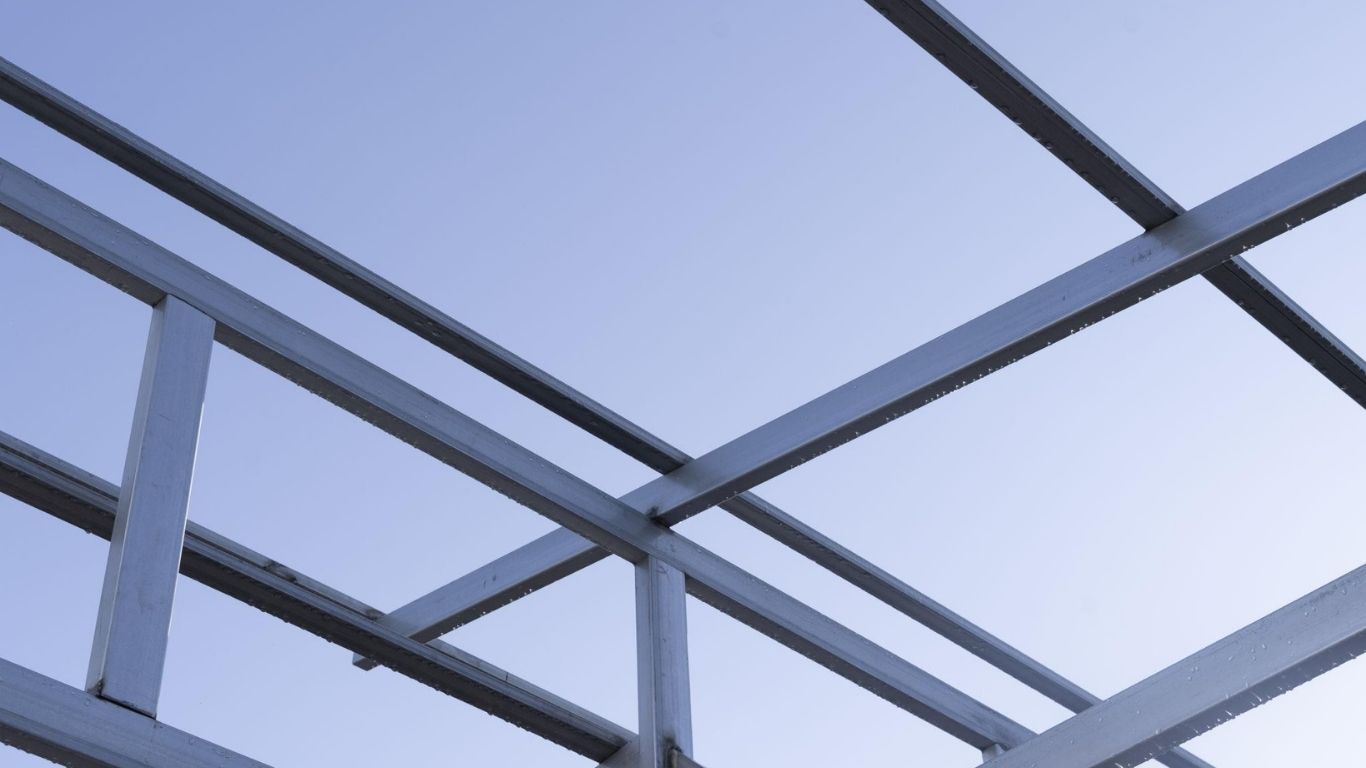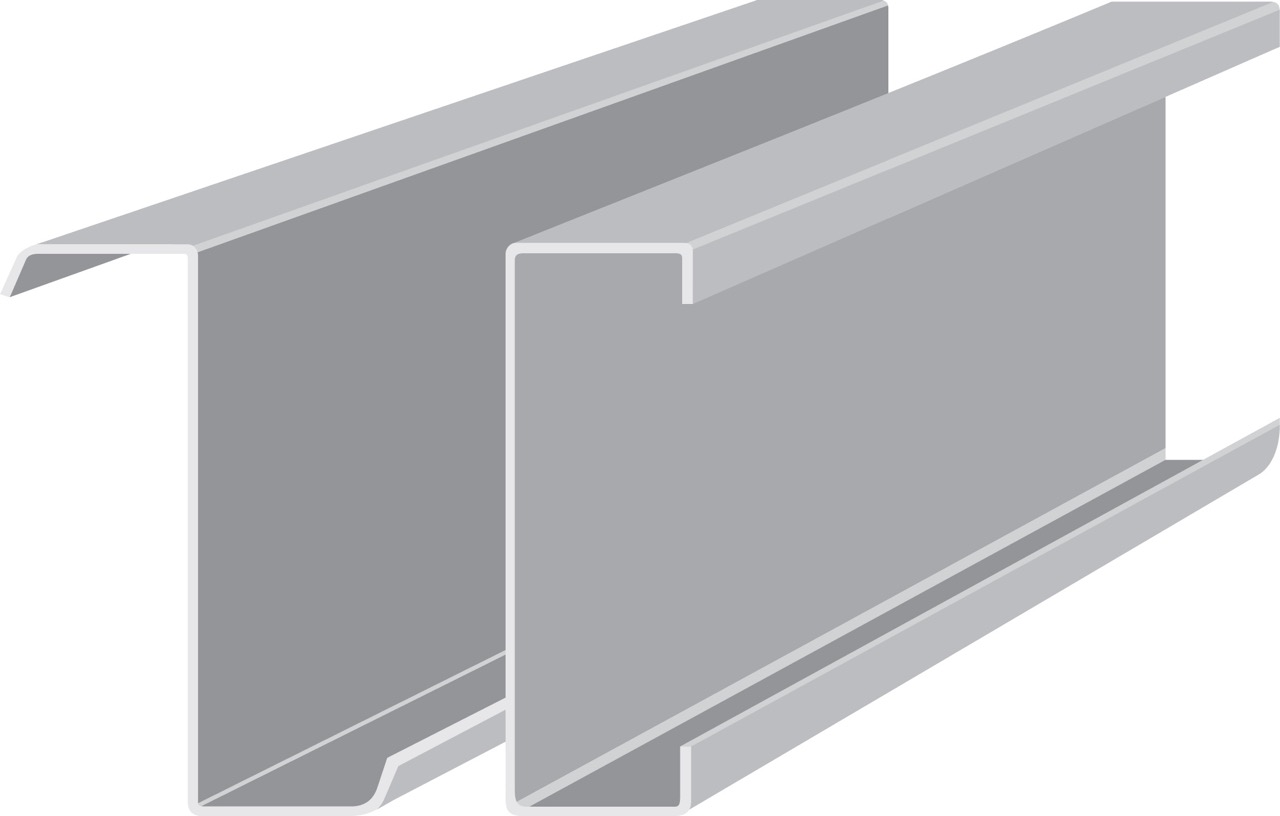

In the rapidly evolving landscape of global infrastructure, the demand for construction materials that combine durability, efficiency, and sustainability has never been higher. Steel structures play a crucial role in modern construction due to their strength, flexibility, and recyclability. Steel is a popular material for industrial, commercial, and residential projects.
Unlike traditional materials that may suffer from limitations in span or load-bearing variance, steel offers an engineering solution that transcends these boundaries. As a leading structural steel fabricator, Pebsteel recognises that navigating the technicalities of steel construction can be daunting. This comprehensive guide aims to demystify the steel structure, exploring its engineering principles, diverse types, and the meticulous process required to bring a project from concept to reality.
1. What is a Steel Structure?
To understand the value proposition of this material, one must first grasp its fundamental definition. A steel structure is not merely a collection of metal parts; it is a sophisticated assembly of steel components engineered to support specific loads and provide overall structural integrity.
Steel structures are systems of frames, beams, and columns made of steel, forming the load-bearing framework of a building. They differ from concrete, wood, or aluminium structures in durability, lightweight properties, and design flexibility.
While concrete relies on mass to support loads, steel relies on high-strength geometry to support loads. This distinction is critical for modern engineering. A steel framework is characterised by its exceptional strength-to-weight ratio. This unique property enables the creation of vast, column-free spans—essential for aircraft hangars, logistics warehouses, and sports arenas—that would be structurally impossible or financially prohibitive with reinforced concrete.
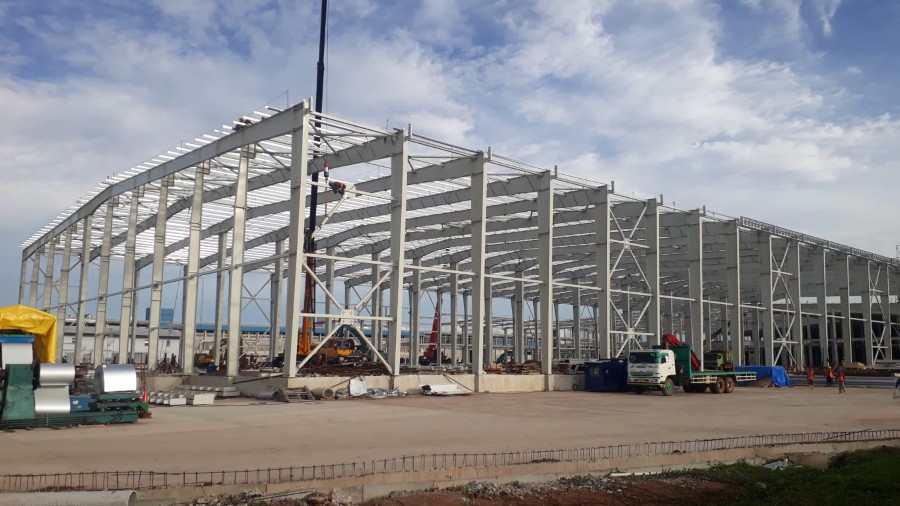
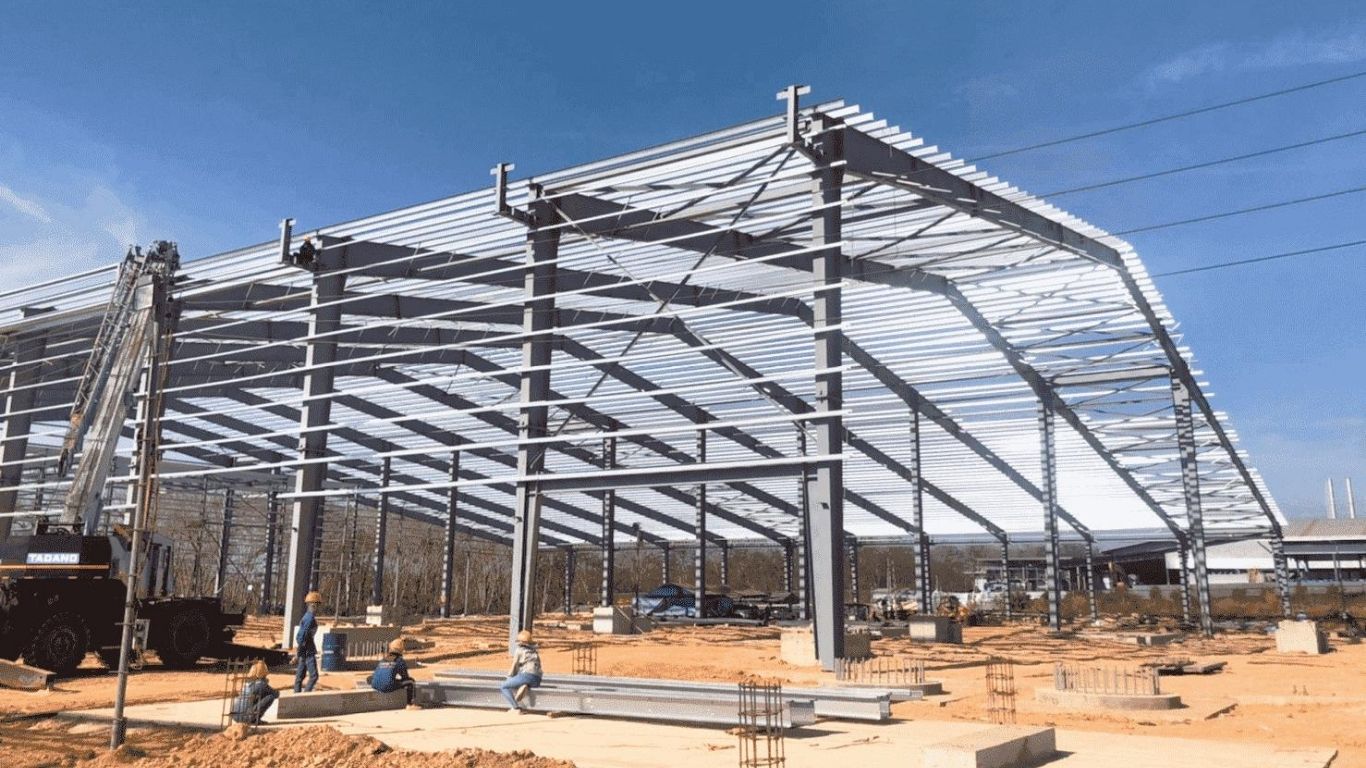
Steel structures combine strength, flexibility, and lightweight design to support modern industrial steel building
2. Key Properties of Structural Steel
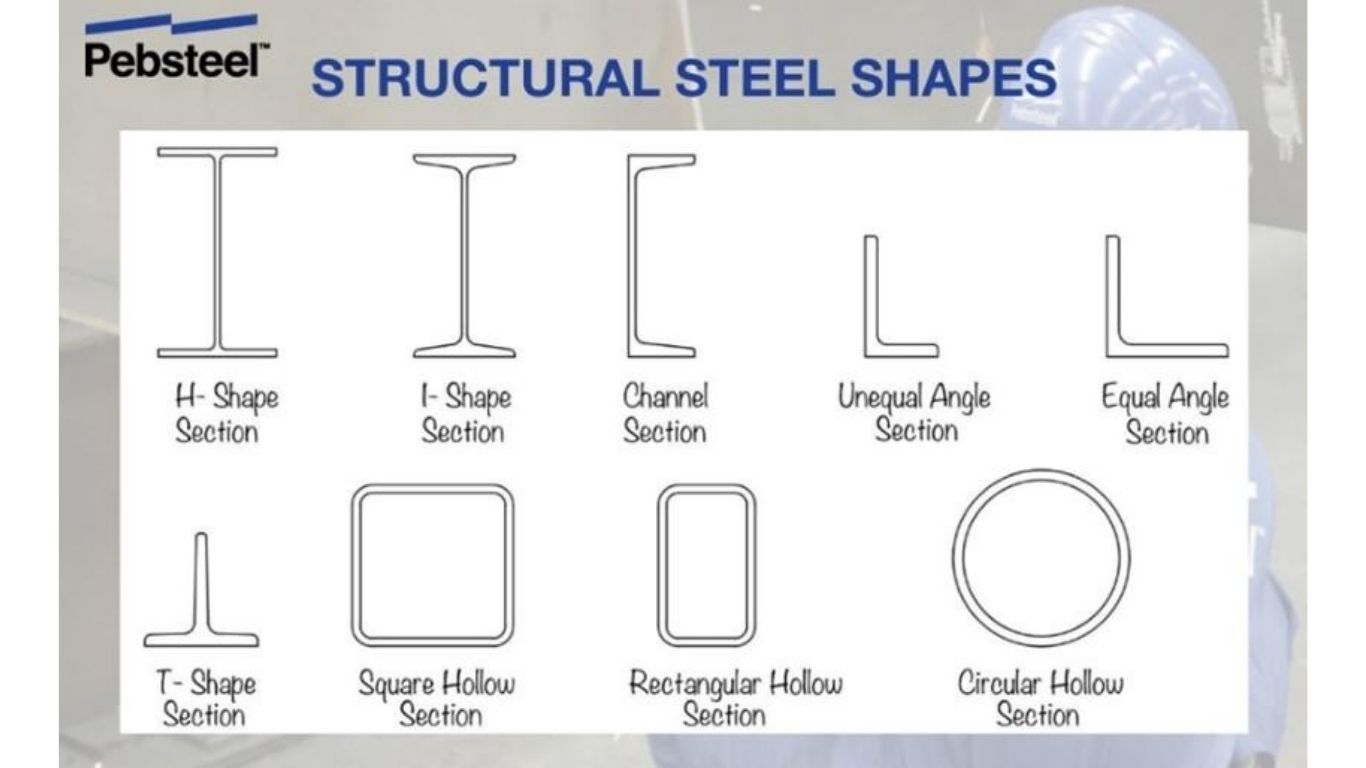
The backbone of any steel structure is the material itself: structural steel. This is a regulated category of steel, specifically tailored for use in the manufacture of construction materials in various shapes. Its properties are meticulously standardised to ensure reliability and safety in construction:
- Strength: It possesses high yield points, allowing the structure to withstand significant stress without permanent deformation.
- Ductility: The ability to stretch without breaking allows the building to “sway” and absorb energy rather than collapsing during seismic activity or heavy wind loads.
- Weldability: This ensures strong, reliable joints, which are critical for the safety of the overall framework fabricated by companies like Pebsteel, a trusted steel structure fabricator in Vietnam.
3. Common Types of Steel Structures
The versatility of steel enables a wide range of structural forms. Common types of steel structures include welded structures, bolted structures, prefabricated structures, and multi-storey steel structures. Each type has unique characteristics suited for specific purposes and project scales.
To select the right solution, engineers typically classify these structures based on their assembly method and structural system.
3.1 Classification by Assembly Method
The method of connection dictates both the structural behaviour and the construction timeline.
- Welded Structures: These rely on thermal joining processes to fuse components. Welding offers rigid connections and is often utilised in workshops for pre-fabrication to ensure precision.
- Bolted Structures: These utilise high-strength bolts to connect members. This method is preferred for on-site assembly as it is faster, cleaner, and less dependent on weather conditions compared to site welding.
3.2. Classification by Structural System
Different project requirements call for different framing systems to optimise space and load distribution.
- Portal Frame (Pre-engineered Steel Buildings): This is the most popular type for industrial use. It consists of rigid frames (columns and rafters) and is renowned for its speed of erection and cost efficiency.
- Truss Structures: Utilised when long spans are required, such as in airport terminals. Trusses use triangular arrangements of web members to distribute weight efficiently across wide areas.
- Grid Structures: These are spatial structures often used for the roofs of stadiums or exhibition centres, offering immense rigidity and distinct aesthetic appeal.
- Multi-storey Frames: Primarily used in commercial skyscrapers, utilising a grid of beams and columns to support floor decks, allowing for vertical expansion in dense urban areas.
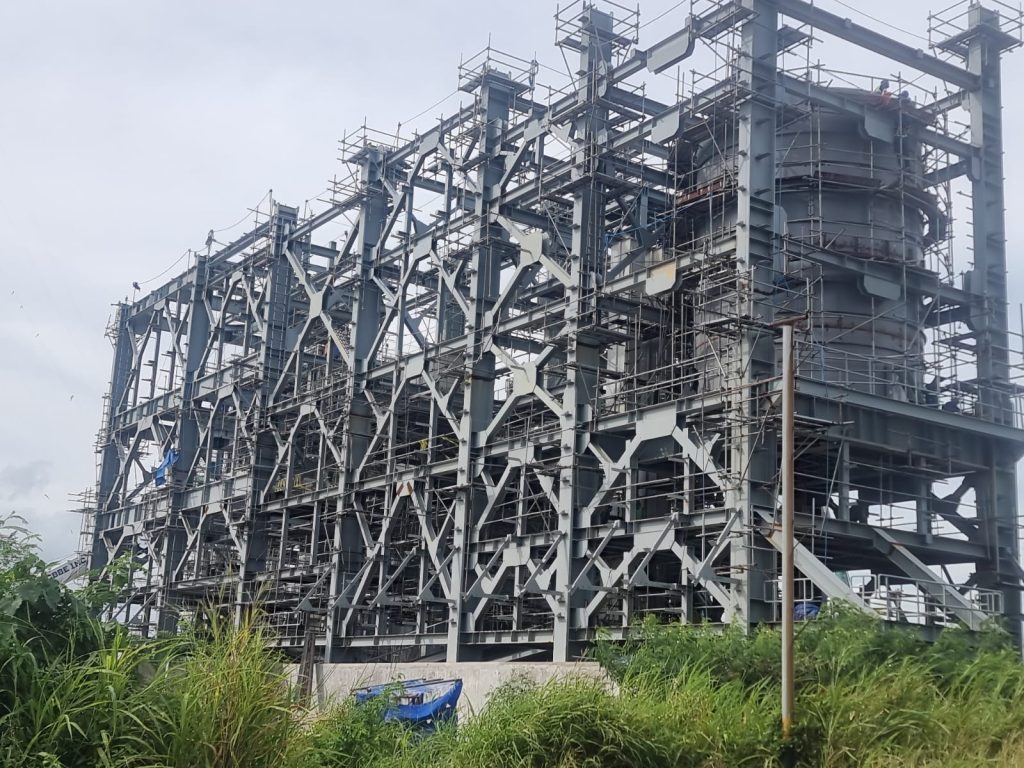
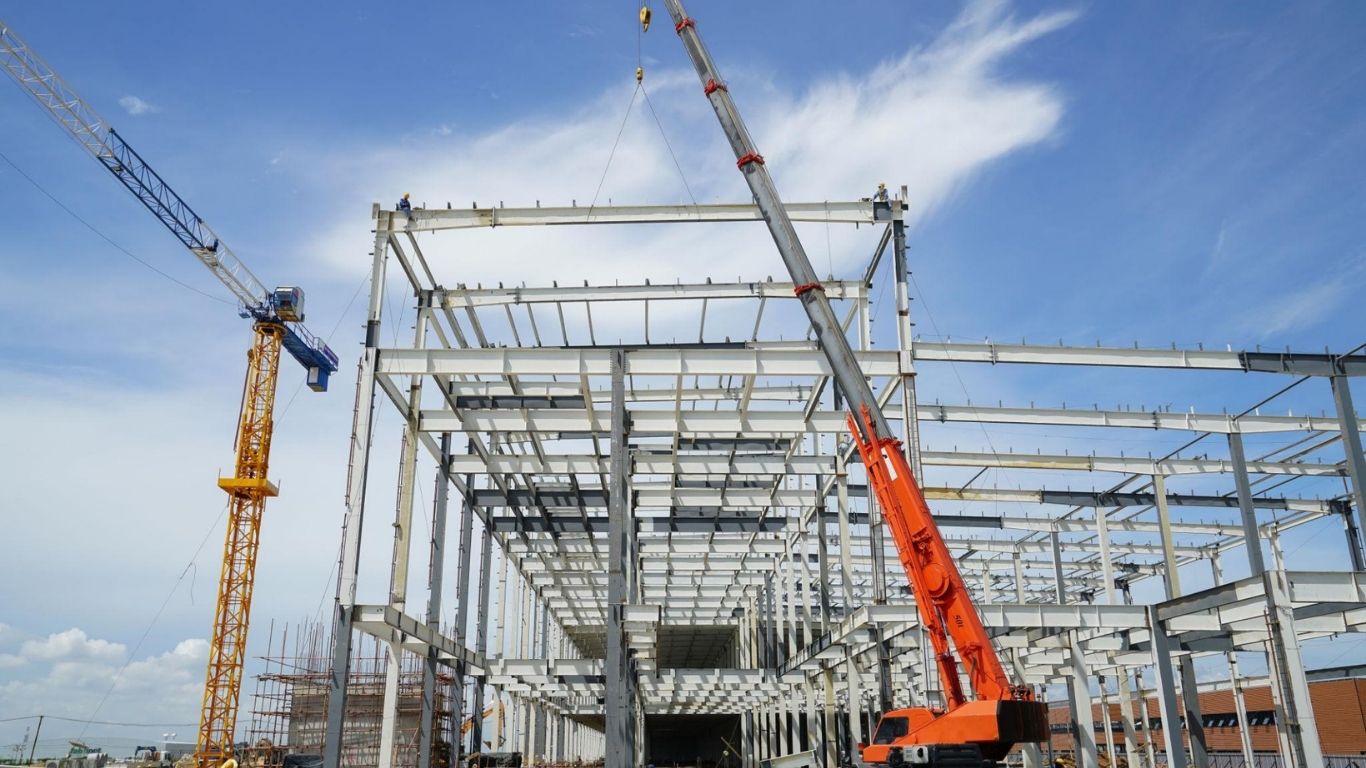
Multi-storey steel structure used in industrial construction.
When evaluating construction materials, investors often ask: Is a steel structure better than a concrete one? Steel structures offer high strength, excellent load-bearing capacity, and design flexibility. They save construction time and costs and are environmentally friendly due to their recyclability.
4. Why Choose Steel? Advantages and Benefits
When evaluating construction materials, investors often ask: Is a steel structure better than a concrete one? Steel structures offer high strength, excellent load-bearing capacity, and design flexibility. They save construction time and costs and are environmentally friendly due to their recyclability.
4.1. Significant Advantages
Steel structures offer significant advantages, including durability, flexibility, cost efficiency, and time efficiency.
- Speed of Construction: Prefabrication is a game-changer. While the foundation is being poured on-site, the structural steel fabricator is already manufacturing the beams and columns in the factory. This parallel processing can reduce project timelines by 30-50%.
- Cost Efficiency: Lighter structures require smaller foundations, resulting in reduced excavation and material costs.
- Sustainability: Steel is 100% recyclable. At the end of a building’s lifecycle, the materials can be repurposed without loss of properties, reducing the carbon footprint.
- Reliability: Unlike concrete, which varies based on mixing and curing conditions, structural steel is produced in a controlled mill environment, ensuring uniform quality and dimensional stability.
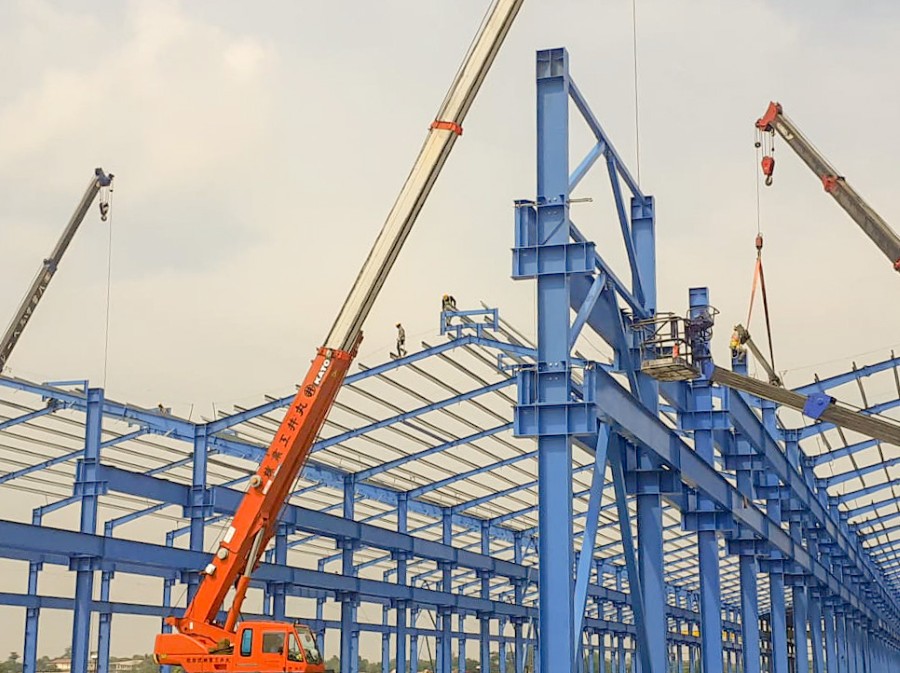
A construction using a steel structure to take advantage of durability, flexibility, efficiency and sustainability for businesses to operate
4.2. Addressing Challenges
Integrity and transparency are essential in engineering. While steel presents certain challenges, modern technology provides effective ways to overcome them.
- Corrosion: Steel is prone to rust in humid or saline environments. Solutions include advanced shot blasting techniques and the application of specialised anti-corrosion coatings such as epoxy or galvanisation to ensure long-term durability.
- Fire Resistance: Steel loses strength at high temperatures. Solutions involve using intumescent paints or fireproofing board encasements to meet safety standards.
5. Diverse Applications of Steel Structures
The adaptability of steel allows it to permeate every sector of the built environment. Steel structures are widely used in industrial projects (factories, warehouses), commercial projects (offices, showrooms), infrastructure (bridges, stadiums), and residential buildings. Each application is optimised based on structure type and technical requirements.
5.1. Industrial Sector
This is the stronghold of Pre-engineered Buildings (PEB). Factories require vast open spaces for machinery and production lines. Steel frames minimise internal columns, maximising usable floor area. Warehouses utilise high-strength steel to support heavy racking systems and overhead cranes.
5.2. Commercial and High-Rise
For office buildings and showrooms, aesthetics and flexibility are paramount. Steel enables the use of curtain wall systems (glass facades) and open-plan offices that can be easily reconfigured as business needs change.
5.3. Infrastructure and Transport
From suspension bridges to pedestrian walkways, structural steel is an indispensable material. Its high strength-to-weight ratio allows bridges to span great distances. Additionally, steel is used in railway stations and airport terminals where design flair meets heavy structural demands.
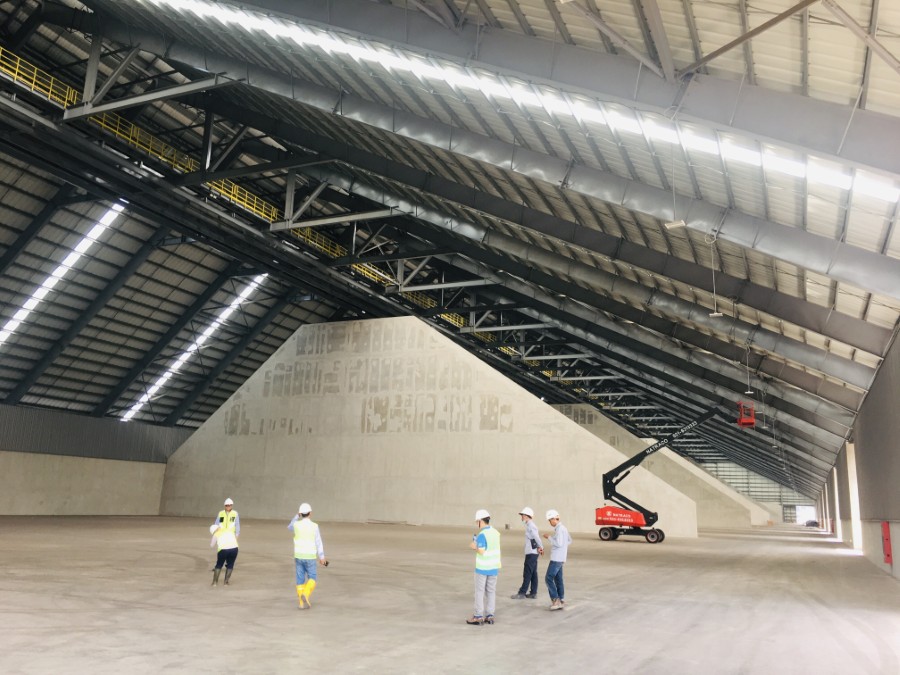
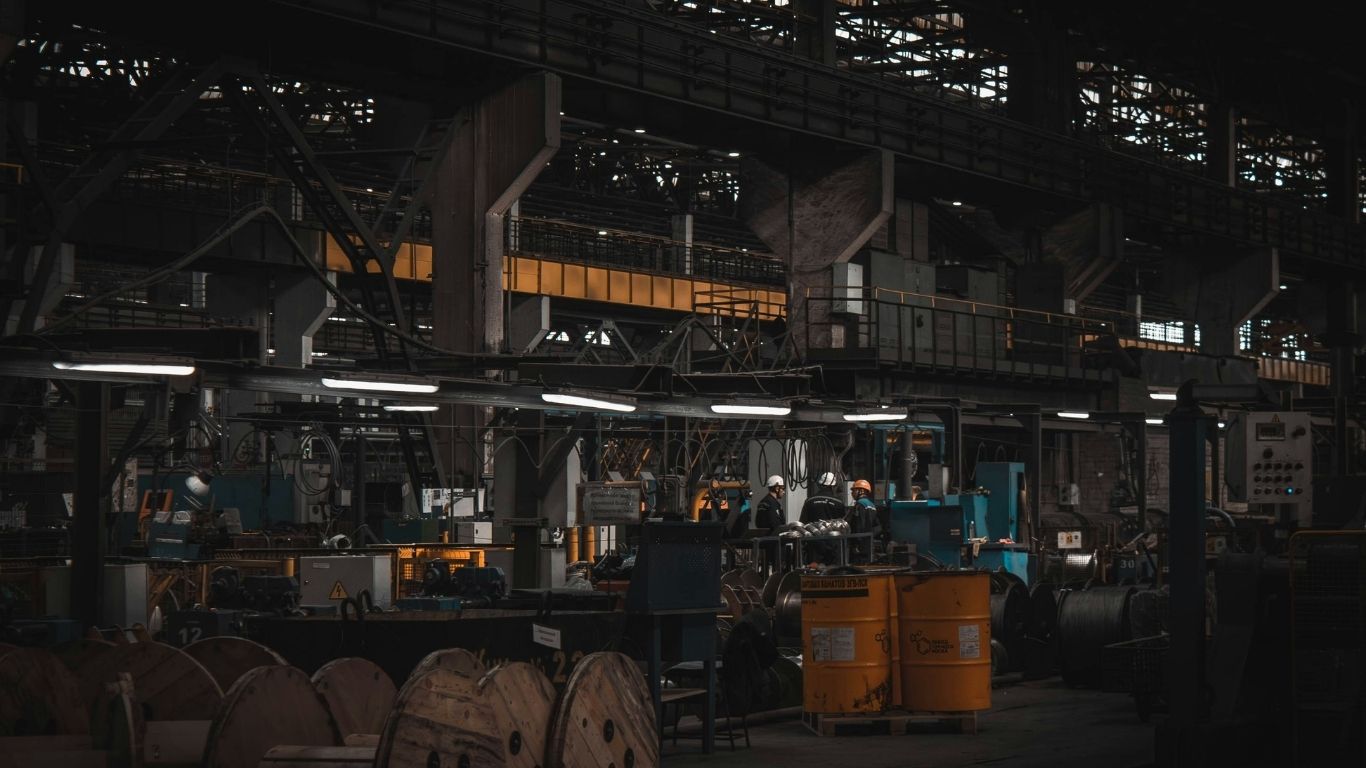
Steel structures are widely applied in production workshops and steel sheds
6. Selecting the Right Structural Steel Fabricator
Choosing the appropriate steel structure depends on the project’s purpose, load requirements, and budget. The success of a project also relies heavily on selecting a fabricator with proven experience, modern technology, and adherence to quality standards, ensuring timely and reliable completion.
Read More: Trusted Steel Structure Fabricator in Vietnam: Cost-Effective & Durable
6.1. Technical Standards and Compliance
Steel structures must be designed and fabricated according to recognised codes to ensure safety and durability:
- International Standards: Projects typically follow guidelines established by organisations such as the AISC (American Institute of Steel Construction), AWS (American Welding Society), and ASCE (American Society of Civil Engineers) for load calculations.
- Vietnamese Standards (TCVN): Local projects adhere to TCVN 5575:2012, ensuring that all load calculations and safety coefficients comply with national regulations.
Steel structures are designed and built to comply with both international and local safety standards.
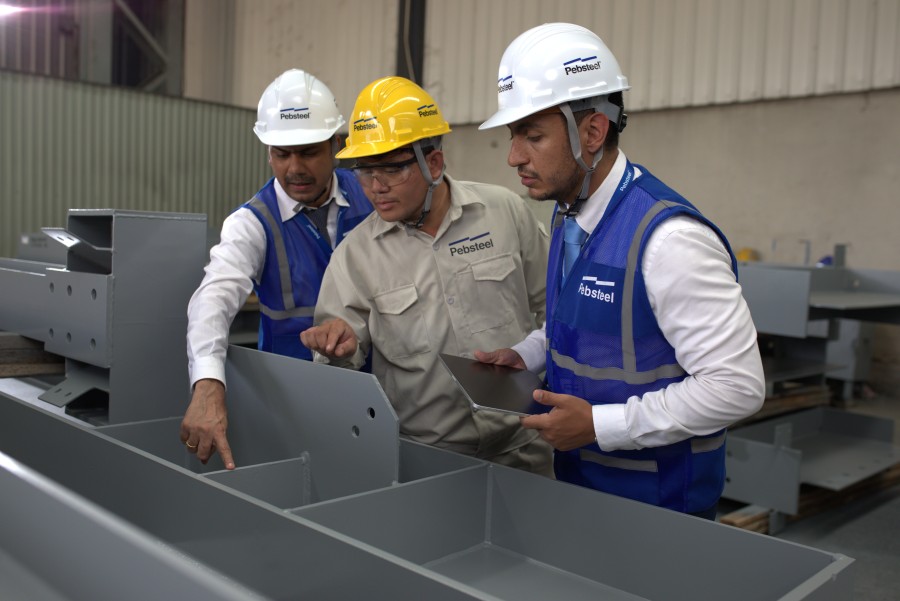
Steel structure materials must meet safety standards in Vietnam and internationally
6.2. The Construction Process
Turning a design concept into a finished steel structure requires a meticulous workflow. A professional fabrication process generally includes the following key steps:
Step 1: Consultation and Planning
Begin with a thorough understanding of the project requirements and site conditions. This phase ensures that the concept aligns with practical needs and regulatory considerations.
Step 2: Detailed Solution Proposal
Develop a comprehensive plan covering:
- Design & Engineering: Structural optimisation and safety analysis.
- Manufacturing & Fabrication: Material selection and processing methods.
- Installation Logistics: Site preparation and management.
- Budget & Timeline: Transparent cost estimates and implementation schedules.
Step 3: Contracting and Project Kickoff
Ensure clear agreements that define costs, responsibilities, and timelines. Transparency at this stage prevents misunderstandings and streamlines project execution.
Step 4: Technical Drawing Development
Create precise technical drawings based on approved designs and international standards. These drawings serve as blueprints for fabrication.
Step 5: Fabrication
Use modern machinery and quality control measures to produce components:
- Precision Cutting: Automated steel cutting for accuracy.
- Assembly: Consistent welding and joint strength.
- Surface Treatment: Cleaning and protective coatings to prevent corrosion.
Step 6: Installation
Transport components carefully and assemble on-site under supervision to ensure safety and adherence to the project timeline.
Step 7: Warranty and Maintenance
Implement a clear warranty and maintenance plan to protect structural integrity and ensure long-term performance, including structural stability, weather resistance, and material quality.
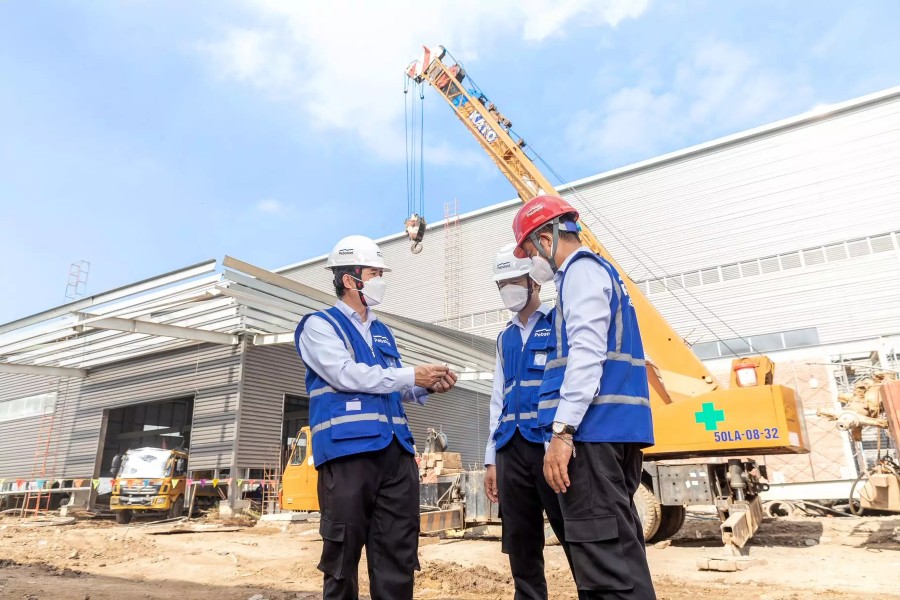
Pebsteel follows a meticulous 7-step process to deliver high-quality, safe, and durable steel structures
Steel structures provide an efficient and versatile solution for a wide range of industrial, commercial, and residential projects. From alloy composition to final assembly, every stage requires technical expertise. Selecting a fabricator that follows rigorous standards ensures that the resulting structure is durable, safe, and a long-term investment.
From the molecular composition of the alloy to the final bolt tightened on-site, every aspect of a steel building requires expertise. As you plan your next project, remember that the quality of your structure defines the longevity of your investment.
Looking for a trusted partner? Pebsteel, a leading structural steel fabricator, is ready to assist. Contact us via email at marketing@pebsteel.com.vn or phone at (+84) 908 883 531 to discuss your requirements and discover how our structural steel solutions can maximise your project’s potential.
Note: This content is for reference purposes only and is intended to provide general information.